
Leave Your Message

Blog

How to Choose Solid Trailer Wheels in 2026?

How to Choose Solid Trailer Wheels in 2026?

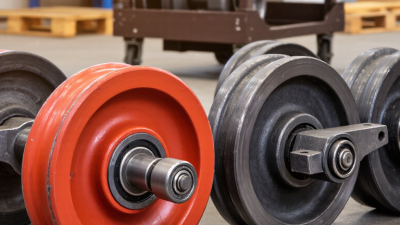
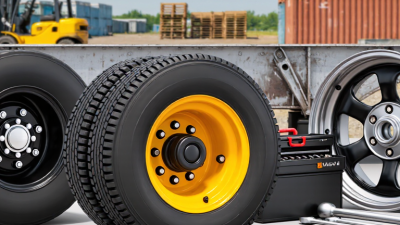
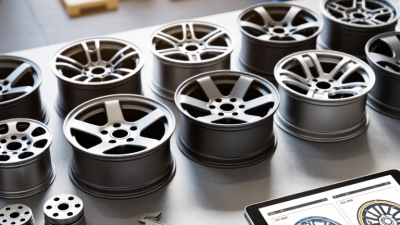
So you're thinking about picking up some solid trailer wheels in 2026? Well, before you even look at the product photos, you've got to start with your actual trailer. I mean, a wheel might look tough and all, but it could totally have the wrong load rating, bolt pattern, hub bore, or offset. So the first thing you want to do is check the data plate on your trailer and what specs the current wheels have. Then you can start comparing options. But hey, if you're missing those details, don't just wing it. Take the time to measure everything carefully and double-check with the trailer manufacturer or a reputable wheel supplier. Trust me, guessing rarely ends well—you'll end up with a poor fitment. Then think about where you'll actually be taking this trailer, you know? Like, if you're constantly on gravel roads, or working on wet sites, or doing long highway hauls—that changes what you need from the wheels. Strength, finish, maintenance, all that stuff. So you've gotta match the wheel's rating to your trailer's real axle and load specs. Don't just go by looks, because appearances can be deceiving. When you're shopping, ask for the nitty-gritty details: materials, dimensions, any test results or warranty info. A decent seller should have no problem answering those straightforward questions. You know, if the details are still kind of vague, I'd just pause right there. Take a beat, seriously. You know, it's the small stuff that really counts. Before you go swapping out wheels or messing with the offset, take a good look at the clearance around the brake parts, suspension, and fender. That's super important. And don't skip the owner's manual – give it a quick read before you change anything from the factory setup. Once you've installed everything, make sure to torque things to spec – the manufacturer knows best. Also, during your regular checks, keep an eye out for any obvious damage, rust, or loose bolts. It won't catch every single problem, but it'll definitely help you spot issues before they become big headaches. Honestly, I wouldn't just pick the cheapest one. I've been burned before when a measurement was off—what should've been a quick swap turned into a whole return hassle. So yeah, double-check the fit before you commit.
Read more »
Sophia By:Sophia - November 11, 2026
How to Choose Heavy Duty Industrial Wheels

How to Choose Heavy Duty Industrial Wheels

Picking heavy-duty industrial wheels isn't as simple as grabbing the biggest ones you can find. You've got to think about what they'll actually be dealing with—how much weight they're carrying, the type of floor, how fast you need to move, and the overall environment. A wheel that glides along clean concrete can totally choke on rough seams, metal chips, or damp floors. So yeah, the little things count. First, think about what you're actually hauling—the full cart, all the equipment, plus the goods. Then ask yourself: how often is this thing moving, and does it have to twist through tight spots? The details matter too: wheel size, tread, bearings, and how it's mounted can all make or break performance. Polyurethane? That's great if you want a quieter ride and don't want to wreck the floor. Cast iron, on the other hand, is a beast for heavy loads on tough surfaces. But honestly, there's no one-size-fits-all answer—each setup has its own trade-offs. Look, don't just pick wheels because they look right. Check the manufacturer's load ratings and operating limits first, then leave yourself a decent safety margin. There's no such thing as a perfect wheel—keep that in mind. Okay, so this guide is all about how to actually compare heavy-duty industrial wheels—not just by whatever specs look good on paper, but by the conditions they’ll really be working in. You’ll want to think about things like the floor surface, the temperature, whether oils or moisture are around, and how much maintenance you’re expecting to do. Here’s the thing: a wheel that feels easy to push today might end up wearing out fast if its tread doesn’t actually match your site. Same goes for high-capacity models — they can let you down if the mounting doesn't actually match your setup. You really need clear specs and honest testing to pick something reliable. If you're unsure about the details, grab a tape measure, check the installation, and talk to the wheel manufacturer. Taking a little time to choose carefully can make a big difference: better handling, less unnecessary wear, and just a smoother day-to-day experience.
Read more »
Isabella By:Isabella - November 8, 2026
Top 10 Maintenance Free Airport Tire Suppliers in China?

Top 10 Maintenance Free Airport Tire Suppliers in China?

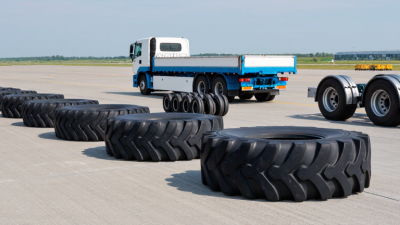
Airport tires do a lot more than keep the fleet up and running. Honestly, they can make or break the whole ground operation—towing schedules, handling, how reliable the service is. On a busy ramp, it's nonstop: hard braking, tight turns, heavy loads, and all that heat from running around all day. Even a tiny flaw can turn into a serious delay, which is the last thing anyone needs. So yeah, details matter. Alright, so this guide is basically a rundown of ten airport tire suppliers in China, plus what you should be looking at when you're trying to size them up. You'll see the phrase "Maintenance-Free Airport Tires" a lot when you're searching around, but don't let that fool you into skipping inspections. You still need to keep an eye on tire condition, pressure, load capacity, and operating limits. Honestly, the best thing to do is double-check the product specs with each supplier yourself, rather than just taking their word for it. Then see how those specs fit with your actual fleet, the surface conditions you’re dealing with, and your duty cycle—because those can vary a lot from one operation to another. When it comes down to it, this comparison is really about practical stuff. Does the supplier actually explain tire compounds and construction in plain language? Can they back it up with tech docs, warranty info, and decent after-sales support? And do their products fit the needs of airport tractors, baggage carts, and other ground support equipment? A glossy brochure only gets you so far. What matters is real evidence and clear communication. Look, suppliers don’t stay the same forever, and what’s publicly available about a product won’t always cover every little question you might have. Kind of worth keeping in mind. So treat this overview as a jumping-off point, and before you commit to buying anything, double-check the latest specs and service arrangements with the supplier.
Read more »
Isabella By:Isabella - November 1, 2026
How to Choose China Best Steel Mill Loader Solid Tires?

How to Choose China Best Steel Mill Loader Solid Tires?

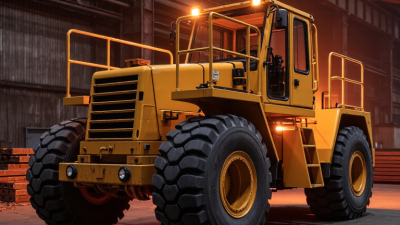
When it comes to choosing Steel Mill Loader Solid Tires, you're not just swapping out a part – it's a real safety and productivity call. Steel mills are a brutal environment for tires, honestly. Think sharp scrap metal scattered around, heat that just radiates off everything, heavy loads constantly, and those rough concrete floors that eat away at rubber. A tire that works just fine in a typical warehouse might not last long at all when it's sitting right next to a furnace. So yeah, you've got to think beyond the ordinary. So, the World Steel Association just dropped their numbers for 2023—pretty much 1.9 billion tonnes of crude steel made worldwide. That's a whole lot of steel, and you can bet it puts some serious pressure on the material-handling gear. But here's the thing: you can't just look at production volume alone when picking tires. You really have to dig into stuff like the loader's weight, how often it's working, travel speed, floor temps, how frequently it turns, and yeah, even the risk of punctures. All these little factors add up, and honestly, they're what make or break your tire choice. Kevin Rohlwing, who's the Senior Technical Advisor at the Tire Industry Association, brings up a good point that's easy to forget: “The tire is the only thing connecting the vehicle to the ground.” Yeah, that's pretty obvious when you think about it, but people often don't. Now, solid tires can save you from those pesky punctures, sure, but if you pick the wrong spec, they might end up vibrating more or running hotter than you'd expect. And honestly, that's a weakness worth paying attention to. So, you're trying to figure out which tire is right for you? This guide will walk you through the key things to look at—like tread patterns, rubber compounds, load ratings, heat resistance, rim fit, and of course, the total cost of ownership. We'll also touch on what manufacturers have tested, what real-world experience shows, and how maintenance support factors in. Now, market reports? They can give you a rough idea, but honestly, they're all over the place in terms of definitions and where they get their data. So don't rely on them too much—you really need to get out there and inspect the tires yourself. You know, the cheapest quote isn't always the smartest choice. What you really want is a tire that stays cool, stable, and predictable, even when you're pushing it through cycle after cycle. Sure, nobody's perfect—mistakes are bound to happen. But a quick, careful review can go a long way in keeping those slip-ups in check.
Read more »
Isabella By:Isabella - October 28, 2026
2026 Best Solid Trailer Wheels for Global Buyers?

2026 Best Solid Trailer Wheels for Global Buyers?

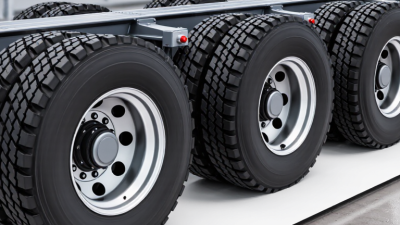
Picking the best Solid Trailer Wheels in 2026? It’s not just about comparing prices or tread patterns. Buyers around the world deal with all kinds of loads, roads, climates, and service conditions. A wheel that works great in a dry warehouse might struggle out on rough export yards or uneven farm tracks. And fitment has to be spot-on. Load capacity needs to match the trailer, axle, and the speed it’ll actually run at. So, according to Daniel Brooks—an independent consultant who specializes in solid-tire engineering—'A solid wheel is only reliable when its material, hub fit, and working load suit the real application.' That kind of down-to-earth advice is exactly what shapes this buyer-focused intro. We'll walk through polyurethane, rubber, and steel-based options for trailers used in logistics, agriculture, construction, and industrial handling. And we'll also dig into the stuff that actually matters day to day: heat buildup, puncture resistance, vibration, maintenance needs, and whether replacement parts are easy to find. Small details really do matter. Take wheels, for example. Two of them can look almost exactly the same, but use a different bore, offset, or bearing setup. And those little differences? They can lead to installation headaches and uneven wear down the road. Supplier transparency is a big deal too. Before you order, ask for load charts, dimensional drawings, warranty terms, and any test info they can share. And honestly, having regional support can make a real difference - it helps cut down on downtime when you need a replacement fast. Still, let's be real—no ranking is ever flawless. How a product actually performs depends on a bunch of things: trailer design, the surface you're driving on, the weather, and your own driving habits. So yes, some recommendations stay conditional. And that's worth admitting. This guide compares some promising Solid Trailer Wheels for buyers around the world, but it still leaves room for a careful look, a professional fitting, and asking better questions before you buy.
Read more »
Olivia By:Olivia - October 25, 2026
China Top 10 Solid Trailer Wheels Manufacturers?

China Top 10 Solid Trailer Wheels Manufacturers?

Choosing the China Top 10 Solid Trailer Wheels Manufacturers requires more than comparing catalog photographs. A polished rim may look convincing, yet its real value appears under load, vibration, heat, and repeated braking. This introduction examines manufacturers through production experience, material control, machining accuracy, weld quality, corrosion protection, and after-sales responsiveness. It also considers whether a factory can support custom bolt patterns, offset requirements, and trailer-specific load ratings. Dr. Martin Keller, an independent wheel engineering consultant, once observed, “A solid wheel earns trust through repeatable performance, not appearance alone.” That principle guides this review. Each shortlisted company should provide traceable specifications, practical testing evidence, and clear communication about tolerances. Factory capacity matters, but consistency matters more. The selection may not be perfect. Supplier rankings can change with equipment upgrades, export markets, and customer feedback. Some manufacturers publish limited technical data, which makes direct comparison difficult. That gap deserves attention. The review will explore companies such as Wondee Autoparts, Taifa Group, Fudeng Auto Parts, Junchi, and CIMC Vehicles, while examining their capabilities in Solid Trailer Wheels production. It will look closely at steel grade, forming methods, surface finishing, inspection routines, and delivery performance. Readers should still verify current certificates and test reports before placing an order. A strong supplier on paper may disappoint in real service. Conversely, a less visible factory may offer careful workmanship and dependable support. That is why this list is intended as a practical starting point, not a final verdict.
Read more »
Olivia By:Olivia - October 20, 2026
Top China Skid Steer Loader Solid Tires Supplier?

Top China Skid Steer Loader Solid Tires Supplier?

Picking the right supplier for Skid Steer Loader Solid Tires isn’t just about who gives the lowest quote. You want a partner who actually gets demanding jobs in construction, agriculture, recycling, and landscaping. Because tire performance? It quietly touches everything—uptime, operator safety, fuel use, and what you end up spending on the project. A good supplier will dig into tread design, rubber compounds, load ratings, and wheel compatibility. They should be able to tell you how a tire behaves on concrete, gravel, mud, and rough uneven ground. Real-world proof matters here. Ask for test data, production records, inspection procedures, and maybe a few customer references. And if they’re solid, they’ll help you match tire sizes to your skid steer model and the kind of work you’re doing. Manufacturing consistency deserves a close look too. Tiny differences in diameter or sidewall strength can turn into installation headaches. Clear labeling helps warehouse crews move fast and avoid mix-ups. Responsive technical support matters just as much when a tire fails during a busy stretch. Certifications and documented inspections are reassuring, sure—but they don’t beat hands-on field experience. No supplier is perfect. That’s kind of the point. Some have great compounds but limited customization. Others ship fast but fall short on after-sales support. So a smart evaluation should weigh durability, service, warranty terms, delivery reliability, and how well they communicate. The strongest supplier isn’t always the cheapest. It’s the one that gives straight answers and owns the problem when performance doesn’t hold up. This guide walks through what makes a trustworthy Skid Steer Loader Solid Tires supplier and helps buyers make a better-informed call.
Read more »
Isabella By:Isabella - October 16, 2026
China Best Skid Steer Rubber Wheels Suppliers?

China Best Skid Steer Rubber Wheels Suppliers?

Picking reliable China Best Skid Steer Rubber Wheels suppliers? Honestly, it takes a lot more than just comparing prices online. The wheels need to fit your machine’s weight, the surface you’re working on, your wheel loader design, and how hard you run it every day. A supplier might give you a great-looking quote, but the rubber compound, bead strength, or tread pattern could still be all wrong for your jobsite. And yeah, that guess can cost you. Most experienced buyers don’t just wing it. They’ll check technical drawings, load ratings, dimensions, and production records before ordering. They also ask how a supplier handles rubber mixing, curing temperature, and final inspection. Real proof matters here. A dependable manufacturer should be able to explain its testing process in plain terms and send consistent samples you can actually compare. Photos are helpful, sure, but seeing the product in person is better. Look at tread edges, sidewall finish, mold marks, wheel balance—little flaws can turn into expensive downtime fast. Supplier experience should cover export packaging, delivery planning, and responsive technical support, too. Names like Evergreen Rubber, Hightop Machinery, and TrustWheel Industrial might pop up in searches, but every claim still needs checking. Look into factory info, customer references, product certificates, and warranty terms on your own. Don’t just trust a slick website. Performance always depends on context. A wheel made for paved yards may wear out quickly on demolition debris. A heavy-duty tread can boost traction but add vibration on compact ground. There’s no perfect option. Worth keeping in mind. This guide compares China-based suppliers using practical criteria—product quality, customization, communication, and after-sales reliability. The aim is a balanced shortlist, not some overblown promise.
Read more »
Sophia By:Sophia - October 12, 2026
Why Choose Wheel Loader Solid Tires?

Why Choose Wheel Loader Solid Tires?

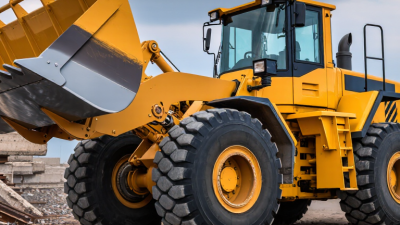
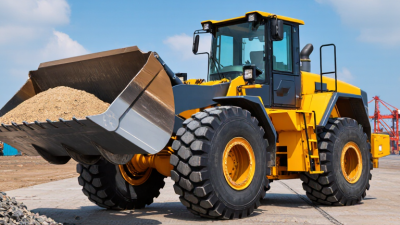
Why go with Wheel Loader Solid Tires? A wheel loader tends to work in places where ordinary tires take a beating: cracked concrete, sharp scrap, hot asphalt, uneven quarry floors. In spots like these, Wheel Loader Solid Tires are a pretty practical alternative to pneumatic tires. No air inside means punctures, sidewall cuts, and sudden pressure loss are much less of a worry. As Daniel Harper, an independent off-the-road tire engineer with over 20 years in the field, puts it, “A solid tire earns its value when downtime costs more than the tire itself.” That really hits home in recycling yards, demolition sites, ports, and aggregate operations. A loader can be carrying several tons while turning again and again on rough ground. Solid construction helps keep it stable under heavy loads and gives you more predictable handling. That said, the benefits aren’t universal. Solid tires can bring more vibration, especially on hard surfaces. They may cost more upfront too, and they need to be matched carefully to the machine’s speed, load, and working environment. Pick the wrong one and you can get heat buildup and a less comfortable operator. That’s where experience counts. Companies like Continental, Trelleborg, and Camso publish load and application guidance, but you still have to pay attention to what’s actually happening on site. A tire that survives everything might not feel very forgiving. The right call? Compare tire life, machine utilization, operator comfort, maintenance records, and total operating cost. Wheel Loader Solid Tires aren’t some magic fix. They’re a focused tool for harsh applications—and their value shows up most clearly when one avoided puncture saves hours of lost production.
Read more »
Olivia By:Olivia - October 8, 2026
How to Choose the Best Solid Forklift Tires?

How to Choose the Best Solid Forklift Tires?

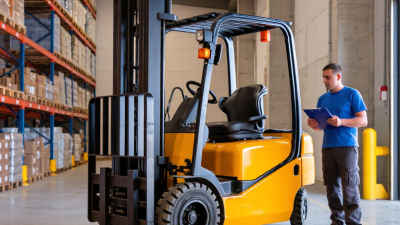
Picking the right solid forklift tires isn't just about going for the cheapest option; it really starts with understanding your working environment. Think about warehouse floors, loading docks, outdoor yards, or cold storage—each one puts different demands on your tires. A tire that runs quietly indoors might not hold up well on rough concrete outside. Little details like this really matter, even if they seem small. David Wilson, an independent expert with over 20 years of hands-on experience in industrial tires, explains it simply: “The best forklift tire is the one that matches the surface, the load it carries, and how it’s used.” This down-to-earth advice helps keep things realistic—there’s no point picking a tire based solely on brand name. Instead, you should look at things like your forklift’s capacity, typical load weights, operating hours, how often it turns, debris on the floor, and temperature extremes. Honestly, there’s no one-size-fits-all answer here. Admitting that is important. Sometimes, people lean too much on brand reputation when making their choices. A smarter way to compare options is by looking at factors like how hard the compound is, its heat resistance, vibration control, tread pattern, and how long it’s expected to last. Don’t forget to consider operator comfort and the costs associated with unexpected downtime—that stuff adds up. [Check out our solid forklift tires](https://www.wonrayglobal.com/forklift-tires-solid)—they’re often picked for their puncture resistance and steady handling. But just because they’re solid doesn’t mean they’re perfect for every situation. If the compound is too hard, vibrations can get harsh on the mast and operator seat. On the flip side, a softer compound might feel more comfortable but could wear out faster under heavy use. Finding that sweet spot really depends on the specifics of your site. This guide is here to help you compare solid forklift tires with more confidence. We’ll cover different tire types, what conditions you should consider, how to inspect tires properly, cost calculations, and some common pitfalls in choosing the right ones. Trust me, experience really counts here—plus, meticulous measurements. The best tire choice isn’t always obvious right away, but with a little patience and research, you’ll get there.
Read more »
Olivia By:Olivia - October 4, 2026
China Top Polyurethane Solid Tires Suppliers?

China Top Polyurethane Solid Tires Suppliers?

China has really become a go-to place for sourcing polyurethane solid tires—those used on forklifts, warehouse carts, AGVs, and industrial platforms. But, honestly, the quality among suppliers can be all over the place. Just because a website looks sleek doesn’t mean they’ve got stable production under the hood. If you’re buying, it’s smart to look into how they control formulations, bonding processes, load testing, and what kind of after-sales support they offer. Dr. Mihai Ionescu, who’s a pro when it comes to polyurethane materials, puts it this way: “A tire’s reliability depends on whether its formulation suits the environment it’s meant for.” And that really hits home. A tire designed for smooth indoor floors might totally flunk on rough concrete or oily surfaces. When evaluating, you gotta consider stuff like temperature, wheel size, hardness, and axle load—all at the same time. Even tiny details can make a big difference. This guide gives you a look at some of the top Chinese suppliers, like Tianjin United Tire & Rubber Co., Qingdao GIG Rubber Co., Ltd., and Jiangsu Topower Tyre Co., Ltd. We’ve looked at their experience, communication, ability to customize, export history, and how solid their quality documentation is. Keep in mind, some of these suppliers might offer prices that seem really tempting, but their testing evidence could be limited. That’s definitely something to watch out for. Choosing the right supplier isn’t just about comparing prices. You should ask for material data sheets, sample wheels, hardness reports, and details on tolerances. Find out whether their polyurethane is cast, injection-molded, or bonded to a steel core. It’s also a good idea to request references from other customers who’ve used their products in similar conditions. No single supplier is perfect for every project, and even seasoned buyers can miss things like floor contamination, low temperatures in cold storage, or uneven loads. So, think of selecting suppliers more like a technical comparison rather than just ranking them. And remember, it’s always best to verify these details independently before making a purchase—better safe than sorry.
Read more »
Sophia By:Sophia - September 30, 2026
10 Best Cold Resistant Industrial Tires for Global Buyers

10 Best Cold Resistant Industrial Tires for Global Buyers

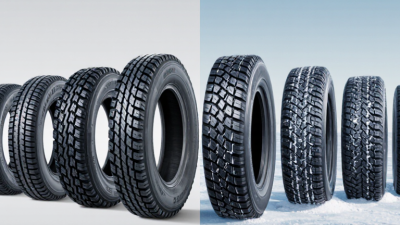
When temperatures drop, it really changes how industrial tires behave. Rubber tends to stiffen up, traction can get worse, and tiny cuts or cracks might be harder to see on a frozen yard. If you're shopping for Cold Resistant Industrial Tires, remember—it's not just about a label saying 'cold resistant.' Things like load capacity, tread pattern, wheel position, how fast you're operating, and the surface you're running on all play a part. For example, a tire used in a refrigerated warehouse isn't going to handle the same as one working outside in snow-covered conditions. This guide takes a look at ten different options from around the world, focusing on what actually matters—practical stuff rather than empty promises. First off, double-check the manufacturer’s listed temperature range and make sure it lines up with what you'll actually be using it for. Then, take a look at the load and speed ratings, the type of rubber compound, and what kind of support the supplier offers in your area. And don’t forget to inspect the sidewalls closely—they can hide damage that you might miss at a quick glance. A quick note about expertise: I didn’t include quotes from recognized industry pros here, so attributing any made-up quote wouldn’t be right. Basically, my rule of thumb is: pick a tire that can handle the coldest surface you’ll encounter, the heaviest loads it’ll carry, and the typical working cycle. Think of this as advice, not fact—an easy-to-remember guideline. Cold-Resistant Industrial Tires can help you keep things running smoothly in low temps, but no tire is completely risk-free. Make sure to check your pressure regularly, inspect the treads and sides, and if your loads, routes, or temperatures change, don’t hesitate to reassess your choice. Also, some specs aren’t always super clear on product listings, so it’s smart to ask the manufacturer for written confirmation before placing an order.
Read more »
Olivia By:Olivia - September 26, 2026
China Top Resilient Wheel Loader Tires Suppliers

China Top Resilient Wheel Loader Tires Suppliers

China’s wheel loader market is really picking up in areas like aggregates, ports, recycling yards, and big infrastructure projects. Now, these places don’t just need cheap tires—they need tires that can handle the job. Why? Because in a typical shift, the tire’s gotta deal with sharp stones, heavy buckets, heat, and lots of braking. That’s a lot of stress for any tire! According to Grand View Research’s global report on off-highway tires, construction and mining equipment are the biggest drivers here. They point out that replacement sales, how much equipment gets used, and tire durability are key factors influencing the market. The Freedonia Group’s study agrees too — it links tire demand to construction activity, how many hours equipment runs, and the tough conditions they work in. All of this stuff should matter a lot if you’re comparing Chinese suppliers. But here’s the thing: the best suppliers don’t just look good on paper. You want to see real details—things like load ratings, tread materials, size consistency, bead quality, heat resistance, and actual test results. Certifications from TRA, ETRTO, or ISO 9001 are helpful for understanding the technical side, but, honestly, they don’t guarantee how a tire will perform in the real world. That’s a point worth paying attention to. Richard Smallwood, who used to be the CEO at Titan International, used to say, “The tire’s the only thing connecting the machine to the ground.” Pretty simple, right? But it really hits home. If you pick the wrong tires, you might end up with more vibration, more downtime, higher fuel costs, and tired operators. This guide takes a closer look at China’s top tire suppliers, focusing on their product range, manufacturing experience, quality checks, ability to customize, and after-sales support. We also look at real-world conditions—things like wet yards and rocky quarry roads. Some suppliers might have impressive claims, but don’t forget—always ask for test records, warranty info, and customer references before pulling the trigger. Even the biggest factories can sometimes produce the wrong tire for a specific loader, duty cycle, or surface—so a little due diligence goes a long way.
Read more »
Isabella By:Isabella - September 23, 2026
Why Choose Solid Rubber Tires for Your Business?

Why Choose Solid Rubber Tires for Your Business?

Picking the right tires might not seem like a big deal at first glance, but it can really quietly influence your daily operating costs. Solid Rubber Tires are built tough for serious industrial environments — think frequent punctures, sharp debris, and heavy impacts that happen all the time. They’re the go-to choice for forklifts, warehouse vehicles, airport equipment, and construction machinery where stopping for repairs isn’t an option. Harvey Firestone, the guy who started Firestone Tire and Rubber, once said, “Capital isn’t so important in business. Experience isn’t so important.” It’s a bit of a wake-up call, really — it stresses that your equipment choices should match what actually happens on the job, not just assumptions or guesses. Solid tires can cut down on downtime caused by punctures and give you stable handling on those hard warehouse floors. Plus, they support loads consistently during repeated lifting cycles — which, let’s be honest, is pretty crucial. And here’s the kicker—these benefits are pretty tangible. Operators tend to have fewer interruptions, maintenance crews spend less time swapping out damaged tires, and fleet managers can weigh things like how long tires last, energy consumption, comfort of the ride, and overall costs. But hey, they’re not automatically the best fit for every situation. Sometimes, they can make the ride a bit firmer and might bump up rolling resistance on certain surfaces — and that’s something you definitely don’t want to overlook. Making a decision based solely on price? That’s a common mistake. Same goes for ignoring heat buildup, speed limits, wheel compatibility, and how the floor conditions affect things. Truth is, good decision-making comes from doing site inspections, digging into manufacturer specs, and chatting with operators who have real-world experience. Companies like Trelleborg Wheel Systems and Continental have tons of technical info that can help you figure this all out. But remember — no matter how good the specs are, they don’t replace feet-on-the-ground knowledge. A tire that works great indoors might struggle outside on rough pavement. The best choice is always the one that balances durability, safety, productivity, and long-term value based on what your actual operation needs.
Read more »
Isabella By:Isabella - September 20, 2026