



0102030405
Solid Tires for Blending Machines in China: High-Temperature Resistance from Trusted Suppliers and Factory
PRODUCTS DESCRIPTION
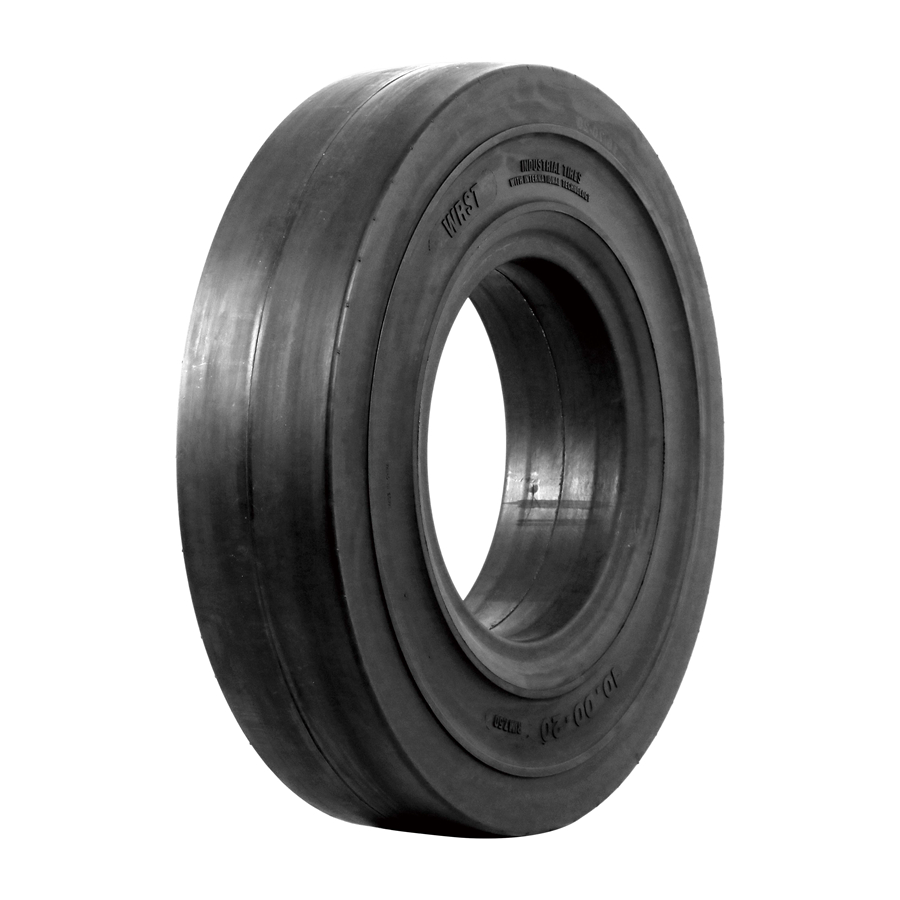
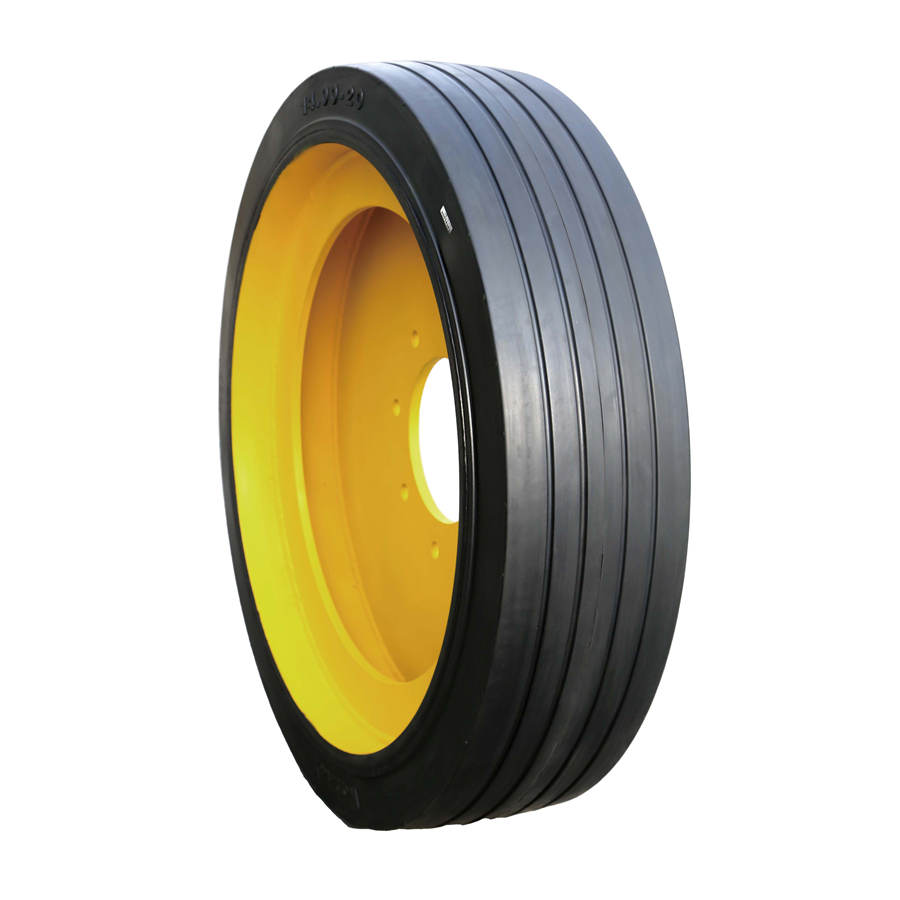
Solid Tires for Blending Machines: Enhancing Durability and Performance in Industrial Mixing Operations
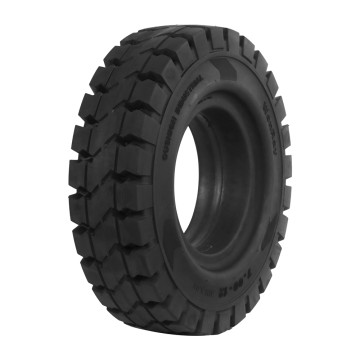
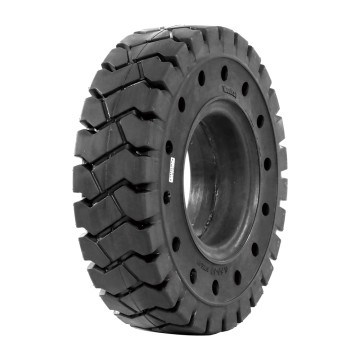
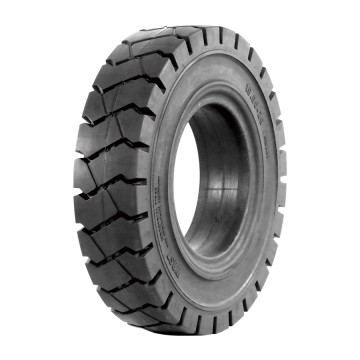
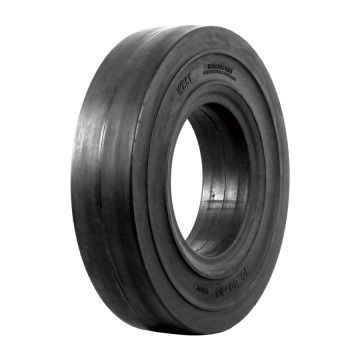
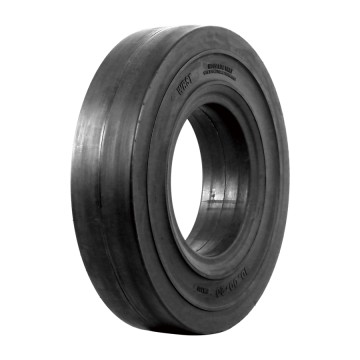
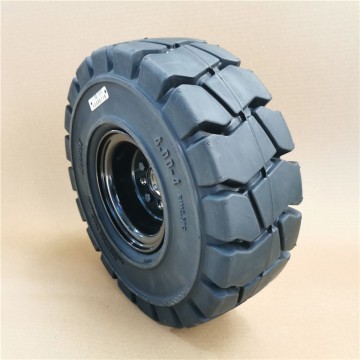
Blending machines are vital in various industries, including food processing, pharmaceuticals, chemicals, and construction, where consistent and efficient material mixing is essential. These machines are often subjected to high loads, continuous motion, and harsh operating conditions. To ensure smooth and reliable operation, solid tires are increasingly used on blending machines.
⚙️ Applications in Industrial Blending Machines
✔
Food Processing Blenders – Solid tires offer the stability required for large-scale industrial food blenders.
✔
Pharmaceutical & Chemical Mixers – Handle heavy-duty mixing equipment with minimal wear and increased safety.
✔
Construction Material Mixers – Maintain smooth operation of large mixers in construction material processing, even under heavy workloads.
By using solid tires on blending machines, industries can improve efficiency, safety, and overall cost-effectiveness, ensuring that blending operations continue smoothly and reliably, even under demanding conditions.
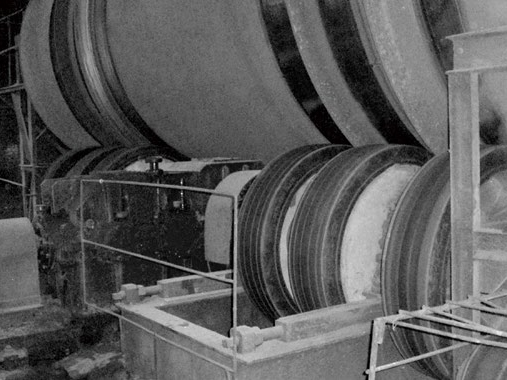
The use of solid tires on blending machines in steel plants offers the following significant advantages: High Temperature Resistance: Steel plants often have high-temperature environments, especially near furnaces. Solid tires can remain stable in such high temperatures without softening or deforming, ensuring the normal operation of the mixing machine;
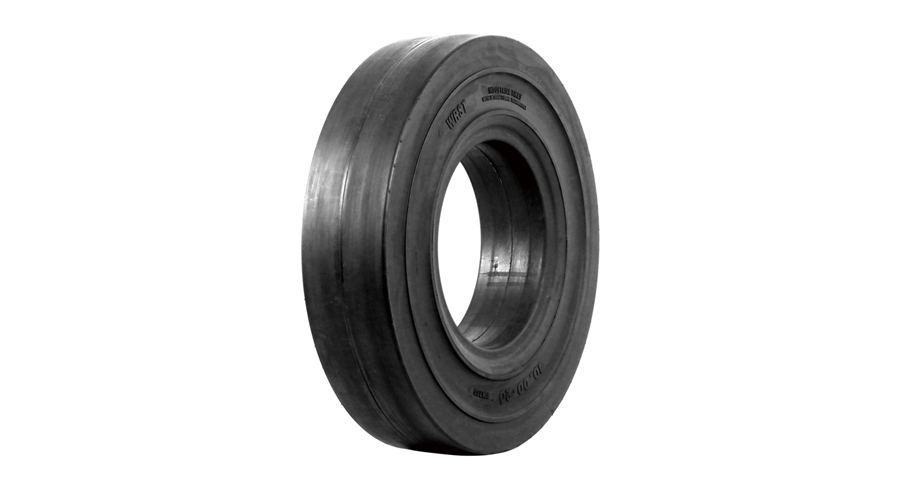
Strong Impact Resistance: Blending machines in steel plants frequently handle heavy materials and experience mechanical impacts. Solid tires have strong impact resistance, preventing damage from vibrations or heavy loads; Puncture resistance; High load-bearing capacity; Maintenance-free and durability; High stability.
These advantages make solid tires an ideal choice for blending machines in steel plants, enhancing the reliability and safety of the equipment while reducing operating costs and improving production efficiency.
PRODUCTS SPECIFICATIONS
| No. | Size of Tire | Rim Size | Pattern No. | Outside Diameter | Section Width | Net Weight(Kg) | Max Load (Kg) | Thickness of Rubber |
|---|---|---|---|---|---|---|---|---|
| Other Industrial Vehicles | ||||||||
| ±5mm | ±5mm | ±1.5%kg | 16km/h | ±5mm | ||||
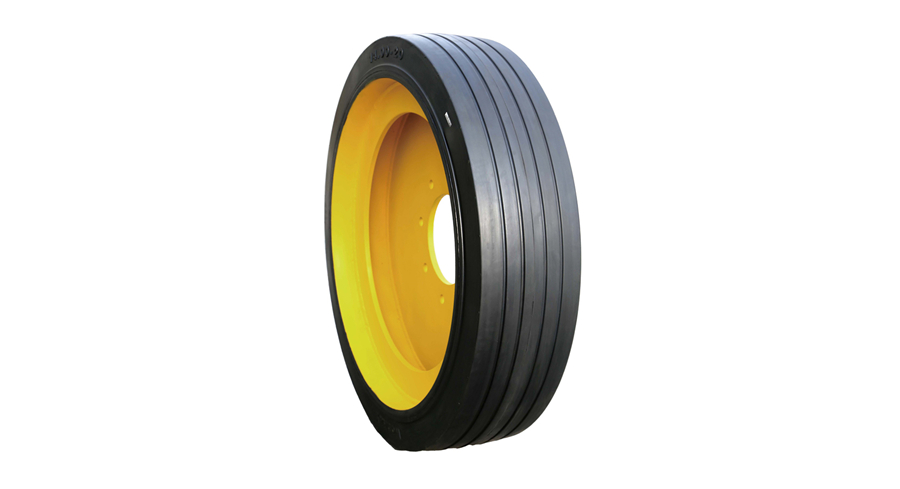
| 1 | 12.00-20 | 8.00/8.50/10.00 | R700 | 1116 | 285 | 258 | 7645 | 113 |
| 2 | 14.00-20 | FB | R706 | 1250 | 316 | 400 | 9496 | 115 |
APPLICATION


Frequently Asked Questions
Q: Which industries commonly use solid tires for blending machines?
Solid tires are widely used on blending machines in food processing, pharmaceuticals, chemicals, steel plants, and construction material mixing industries.
Q: How do solid tires perform near high-temperature environments like furnaces?
Solid tires feature high temperature resistance, allowing them to remain stable in high-temperature steel plant environments without softening or deforming.
Q: What advantages do solid tires provide for steel plant blending machines?
They offer strong impact resistance, high load-bearing capacity, puncture resistance, high stability, and maintenance-free durability under heavy workloads.
Q: What sizes and patterns are available for blending machine solid tires?
Available specifications include size 12.00-20 (Pattern R700) and size 14.00-20 (Pattern R706) designed for industrial vehicles.
Q: What is the maximum load capacity for the 14.00-20 solid tire?
The 14.00-20 size solid tire has a maximum load capacity of 9496 Kg at a speed limit of 16 km/h.