



0102030405
Solid Rubber Tires for Ladle Carriers - High-Performance Solutions from China Suppliers & Factory
Products Description
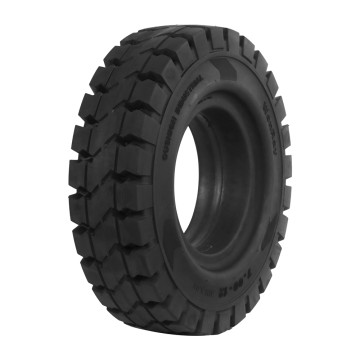
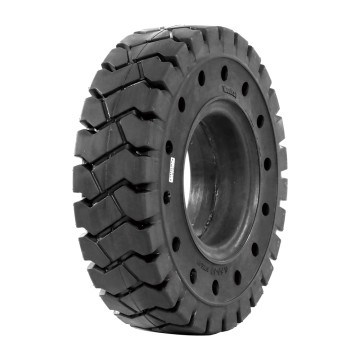
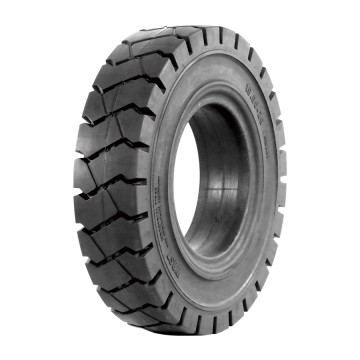
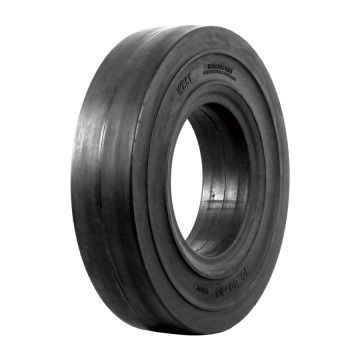
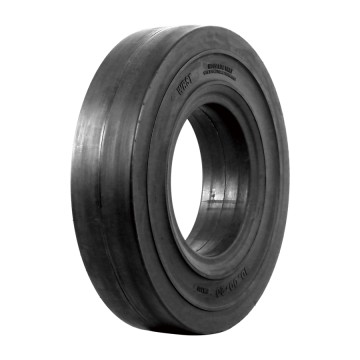
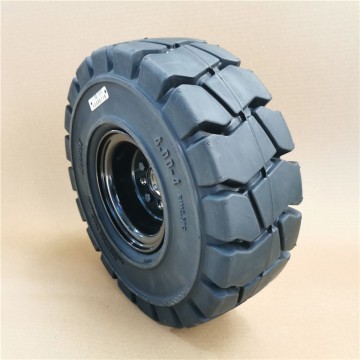
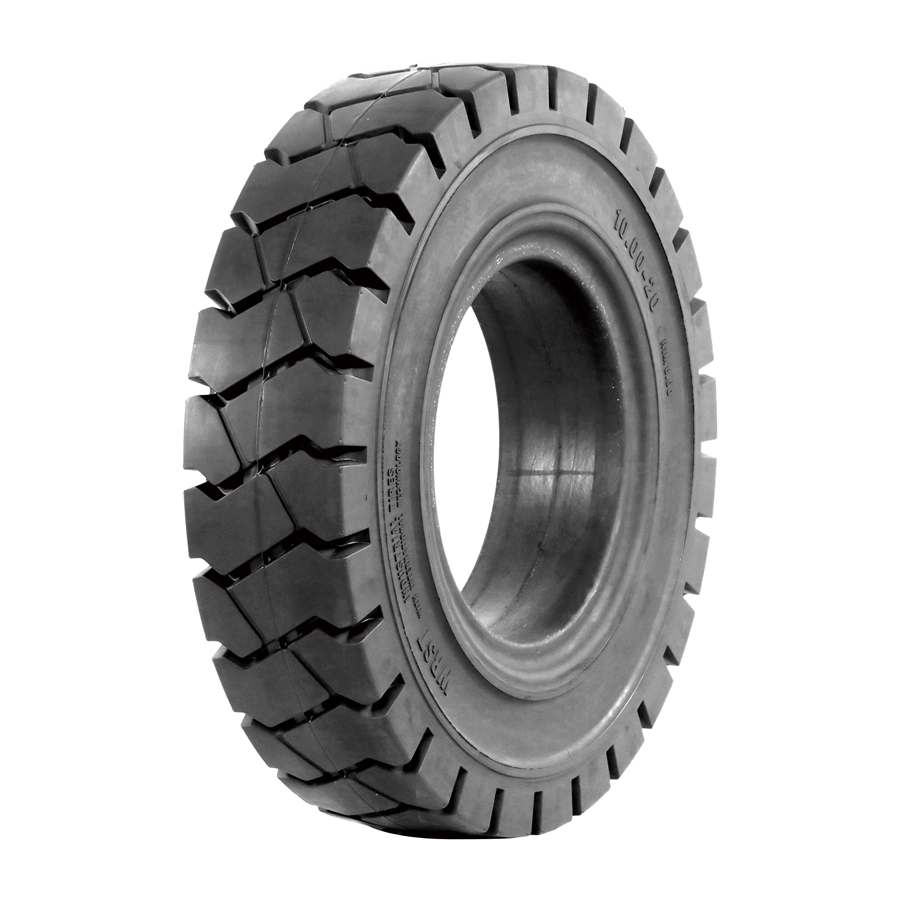
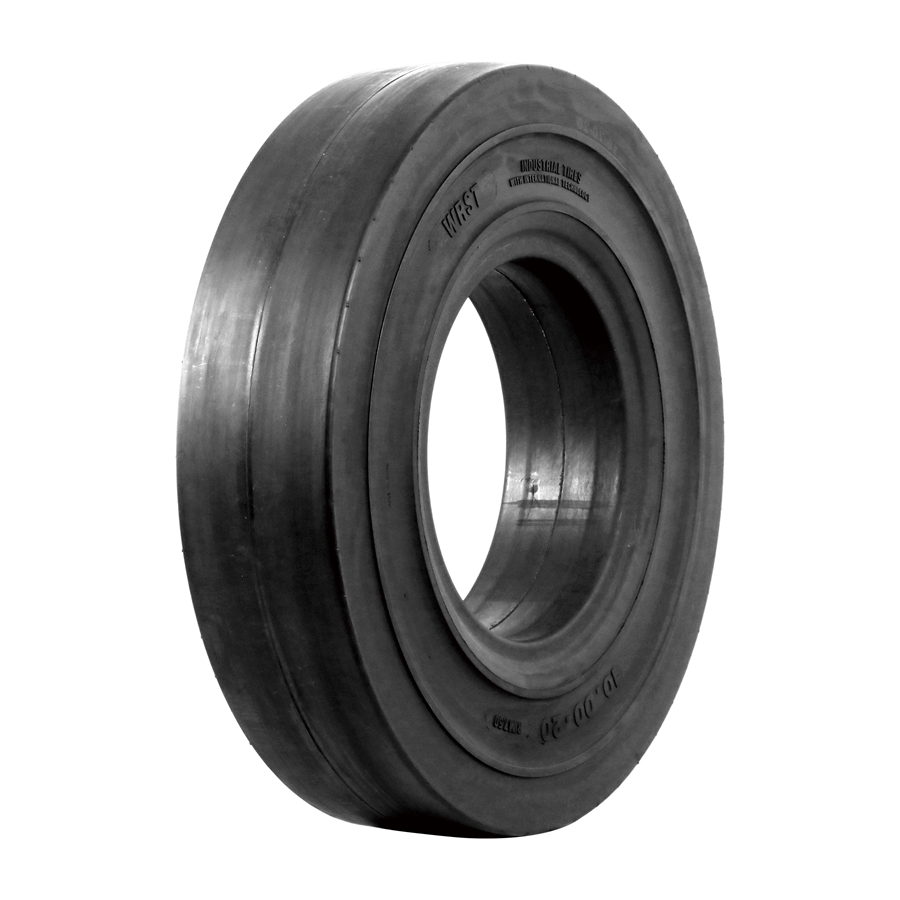
Solid Tires for Ladle Carriers: Ensuring Durability and Performance in Steel Mills
In the steel manufacturing industry, ladle carriers play a crucial role in transporting molten metal between furnaces and casting areas. These heavy-duty vehicles require reliable and durable tires to handle the extreme demands of high-temperature environments and heavy loads. Solid tires are the preferred choice for ladle carriers, offering numerous advantages in steel mill operations.
Why Use Solid Tires on Ladle Carriers?
-
High Load Capacity – Solid tires are engineered to handle the immense weight of ladles filled with molten metal.
-
Heat Resistance – Designed to withstand high temperatures encountered in steel mill environments, preventing tire failure.
-
Puncture-Free Operation – Solid tires eliminate the risk of punctures or blowouts, ensuring continuous operation in critical applications.
-
Enhanced Durability – Resistant to wear, cuts, and abrasions from rough steel mill surfaces, leading to longer service life.
-
Low Maintenance – No need for inflation or pressure monitoring, reducing downtime and maintenance costs.
Applications in Steel Mills
-
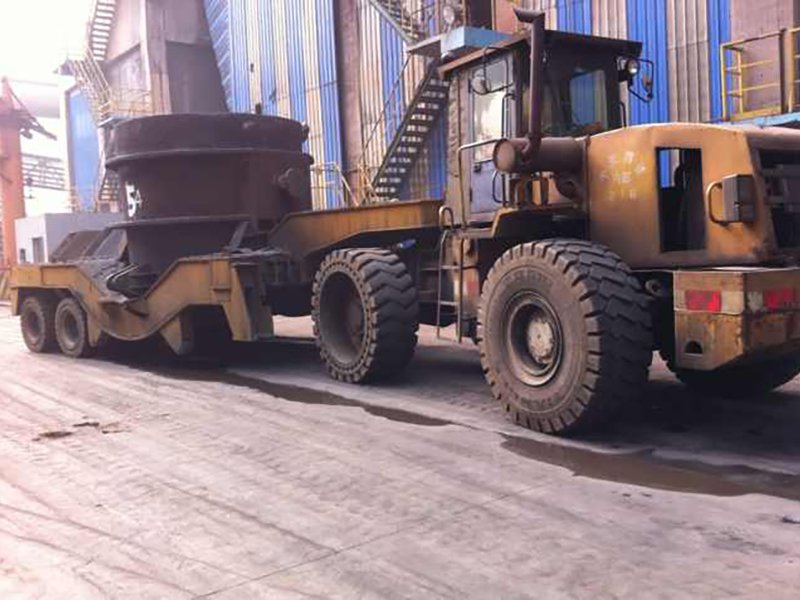
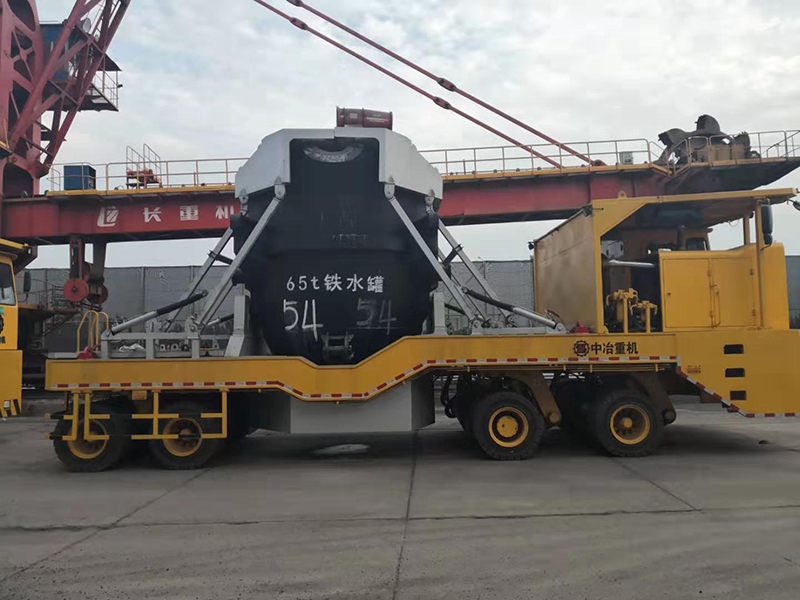
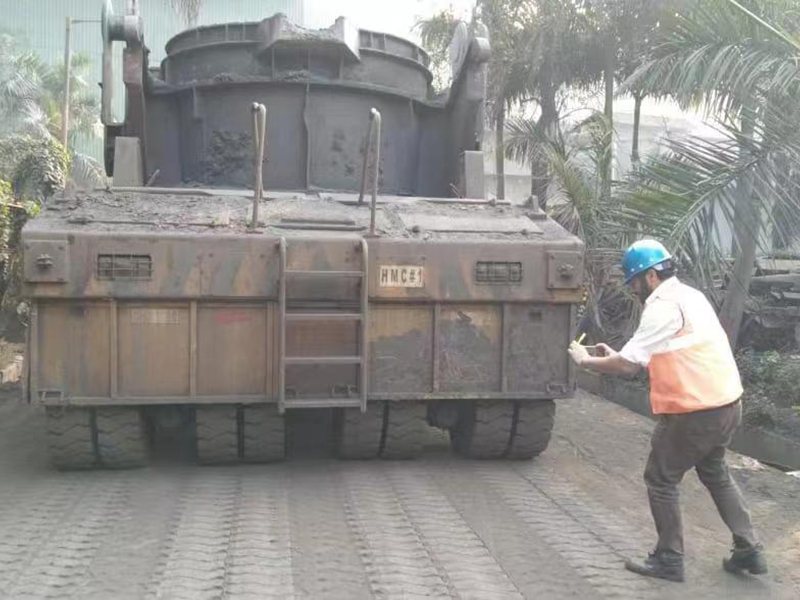
Ladle Carriers – Transporting heavy ladles of molten metal across steel mill floors, requiring robust tires that can endure extreme conditions.
-
Heavy-Duty Transport Equipment – Used for other industrial material handling tasks in high-stress environments, where solid tires provide consistent reliability.
By choosing solid tires for ladle carriers, steel mills can improve safety, operational efficiency, and long-term cost savings, ensuring reliable performance even in the most demanding industrial settings.
The use of solid tires on ladle carriers in steel plants offers the following advantages: High Load-Bearing Capacity; Puncture Resistance and Wear Resistance; Maintenance-Free; High Temperature Resistance: ladle carriers often work in high-temperature environments in steel plants, particularly near furnaces. Solid tires can maintain stable performance under extreme heat without deforming, softening, or failing, ensuring the vehicle operates safely and continuously.
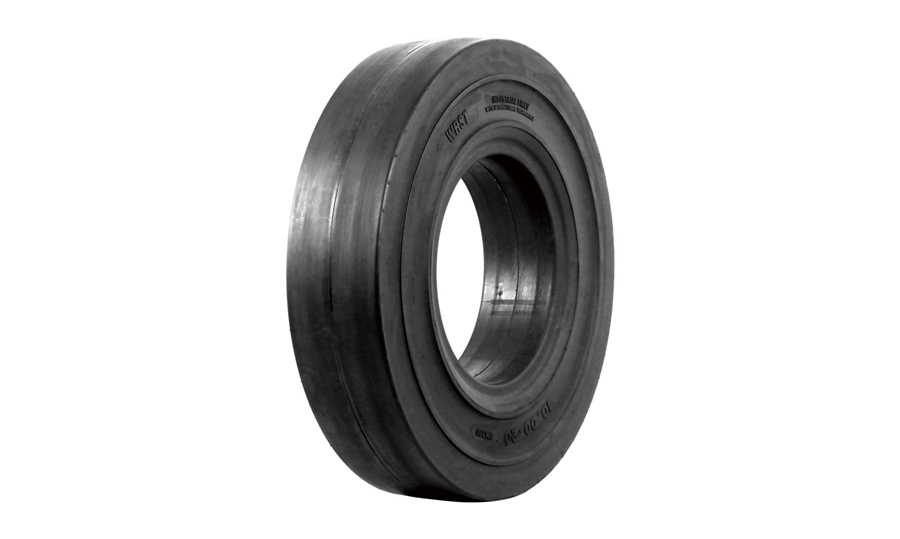
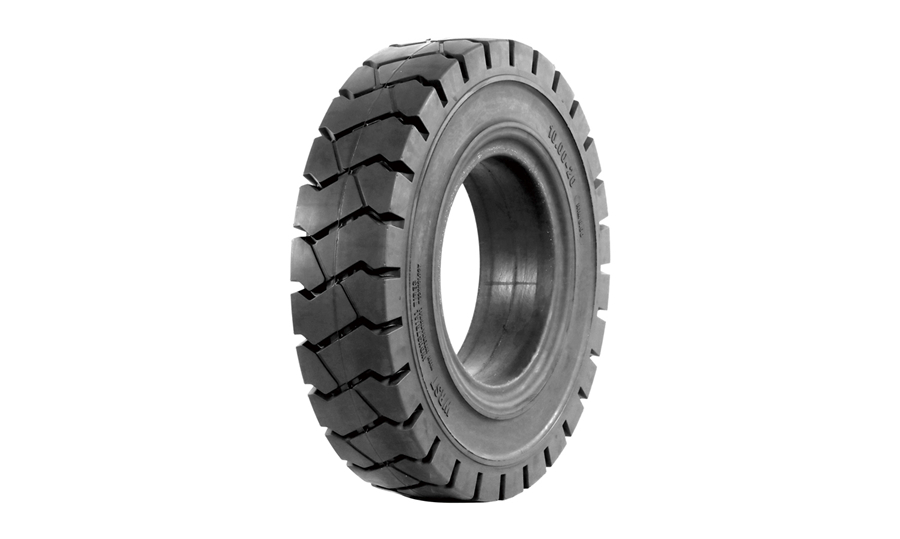
Exceptional Stability: Even when carrying heavy loads and making turns, solid tires provide excellent stability, preventing the vehicle from tipping or sliding, thus ensuring safety during transportation and reducing the risk of accidents; Adaptability to complex terrain; Extended equipment lifespan.
These advantages make solid tires an ideal choice for ladle carriers in steel plants, significantly improving their efficiency and reliability in harsh environments.
Products Specifications
| No. | Size of Tire | Rim Size | Pattern No. | Outside Diameter | Section Width | Net Weight(Kg) | Max Load (Kg) |
|---|---|---|---|---|---|---|---|
| Other Industrial Vehicles | |||||||
| ±5mm | ±5mm | ±1.5%kg | 25km/h | ||||
| 1 | 12.00-20 | 8.00/8.50 | R701/R700 | 1112 | 285 | 230 | 6300 |
| 2 | 14.00-24 | 10.00 | R701 | 1340 | 328 | 389 | 8595 |
Application
Frequently Asked Questions
Why are solid tires preferred over pneumatic tires for ladle carriers?
Solid tires are preferred because they completely eliminate the risk of punctures or sudden blowouts, which is critical when transporting hazardous molten metal. They also offer higher load-bearing capacity and superior stability.
How do these tires withstand the high temperatures near furnaces?
These solid tires are engineered with specialized heat-resistant rubber compounds. This allows them to maintain stable performance, structural integrity, and shape without softening or deforming in extreme steel mill environments.
What sizes are available for ladle carrier solid tires?
According to our specifications, standard sizes include 12.00-20 (Pattern R701/R700) and 14.00-24 (Pattern R701) designed to fit industrial rims and handle heavy maximum loads up to 8595 Kg.
Do solid tires require maintenance?
No, solid tires are maintenance-free. Because they do not rely on air pressure, there is no need for inflation monitoring or pressure checks, which significantly reduces vehicle downtime and overall maintenance costs.
How do solid tires contribute to safety in steel mills?
They provide exceptional stability even when transporting heavy loads and making turns. This prevents ladle carriers from tipping or sliding, ensuring safe navigation across complex steel mill terrains.