



Product News
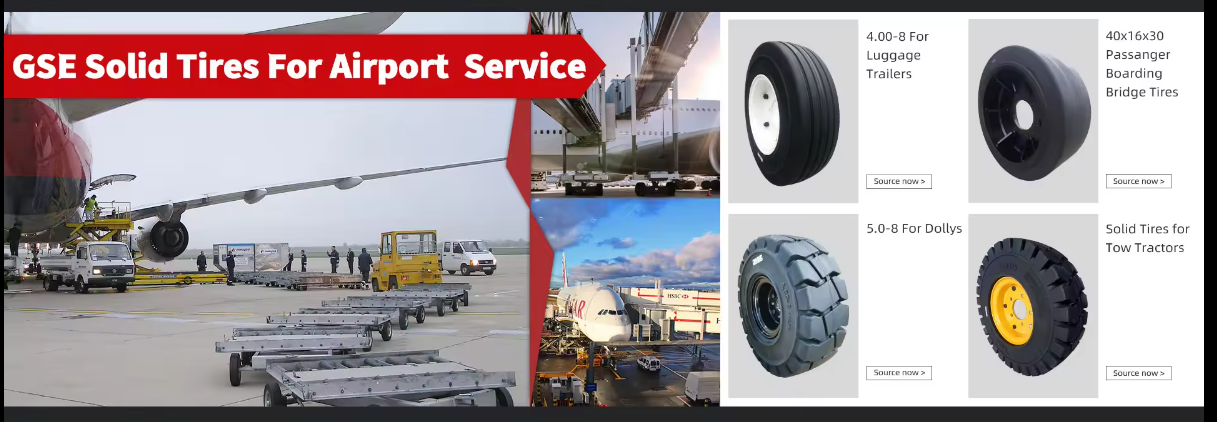
Industrial Tires For Aircraft Tugs: What Matters in Airport Ground Towing Operations?
Learn how Industrial Tires For Aircraft Tugs handle high towing forces, repeated turning, hard apron surfaces, long shifts, and precise ground-support work.
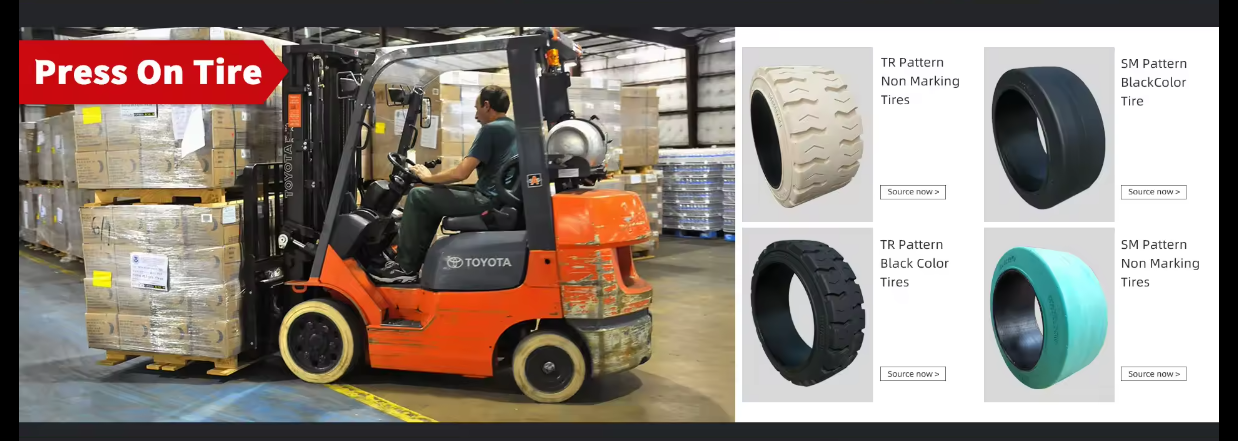
Industrial Wheels For Cold Storage: What Low Temperatures Change in Material Handling
Learn how Industrial Wheels For Cold Storage respond to low temperatures, smooth floors, moisture, repeated transitions, and continuous warehouse operation.

12-16.5 Solid Skid Steer Tires: Why Tire Size Is Only the Beginning of the Selection
Learn how 12 16.5 Solid Skid Steer Tires perform under heavy loads, debris, tight turning, and rough surfaces, and what to check before choosing a solid tire.
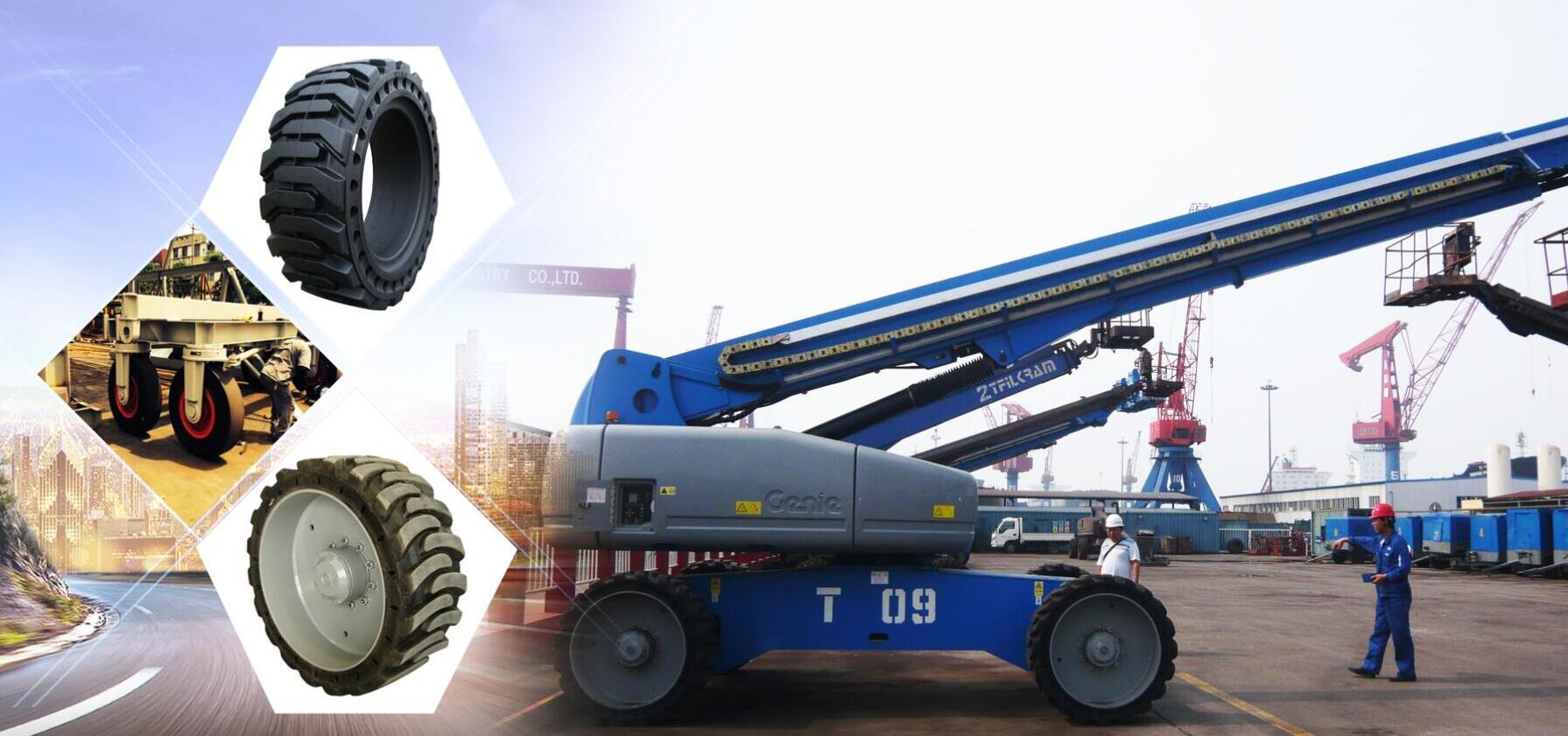
Solid Tires For AGVs: Why Automated Vehicles Need More Than a Maintenance-Free Wheel
Learn how Solid Tires For AGVs support stable movement, repeatable positioning, continuous operation, and low-maintenance performance in automated logistics systems.
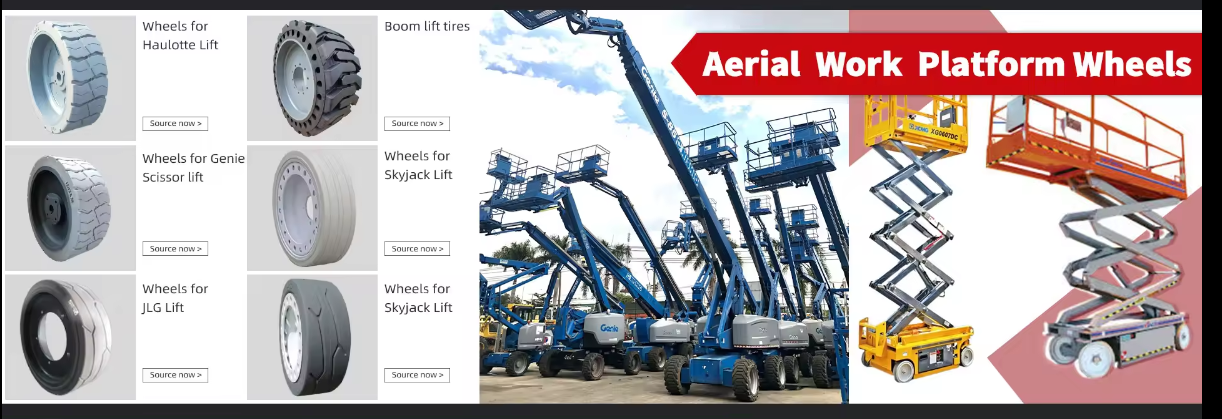
Solid Rubber Telehandler Tires: Choosing Tires Around Reach, Load and Ground Conditions
Learn how Solid Rubber Telehandler Tires respond to load, boom extension, rough ground, puncture risks, and repeated lifting work in demanding applications.

Non-Marking Rubber Forklift Tires: When Clean Operation Matters as Much as Load Performance
Learn where Non-Marking Rubber Forklift Tires are most effective, how they differ from standard black tires, and what to consider for indoor forklift applications.

Heat-Resistant Steel Mill Tires: Managing Heat Before It Becomes Tire Failure
Learn how Heat-Resistant Steel Mill Tires manage thermal stress, heavy loads, abrasive floors, and continuous operation in steel plants and foundries.

Maintenance-Free Industrial Wheels: What Maintenance Is Actually Removed
Maintenance-Free Industrial Wheels are usually chosen to reduce routine service associated with air pressure, tubes, valves or frequent punctures. In solid rubber, mold-on and some press-on wheel formats, the rolling element does not depend on inflation, so there is no pressure to check and no ordinary flat caused by air loss.

Shock-Absorbing Rubber Wheels: How Wheel Design Reduces Repeated Impact
Shock-Absorbing Rubber Wheels are used when industrial equipment repeatedly crosses floor joints, dock plates, small thresholds or rough sections that transmit impact through harder wheels. The rubber tread deforms as the wheel enters an obstacle, spreads the load over a larger contact area and then recovers as the wheel rolls away.

Rubber Tires For Indoor Use: Floor Protection, Traction and Wheel Matching
Rubber Tires For Indoor Use are used on forklifts, carts, tow vehicles, stackers, access platforms and other equipment that operates mainly on concrete, epoxy, tile or other finished floors. Indoor tire requirements are different from rough outdoor service because floor marking, rolling noise, tight turning, traction and clean appearance can matter as much as puncture resistance.