




Product News

Skid Steer Solid Rubber Tires: Maximizing Performance and Durability for Industrial Applications
In industrial and commercial operations, skid steer loaders are versatile machines relied upon for material handling, construction, and landscaping tasks. The performance and reliability of these machines largely depend on the quality of their tires. Among the tire options available, skid steer solid rubber tires have gained significant recognition for their durability, puncture resistance, and low maintenance requirements. This article explores the unique features, advantages, and applications of skid steer solid rubber tires, providing insights for businesses aiming to enhance productivity and operational efficiency.

The Advantages of Press on Solid Tires - POB Solid Tires for Construction and Warehouse Vehicles
Press on solid tires, commonly known as POB solid tires, are rapidly gaining popularity in the construction and warehouse industries. These tires are engineered from solid rubber or polymer compounds, providing exceptional durability and performance for heavy-duty vehicles. Unlike traditional pneumatic tires, POB solid tires do not rely on air pressure, eliminating the risks of punctures and blowouts. For operators of forklifts, skid steers, wheel loaders, and other industrial machinery, selecting the right tire is crucial for ensuring safety, productivity, and cost-effectiveness.
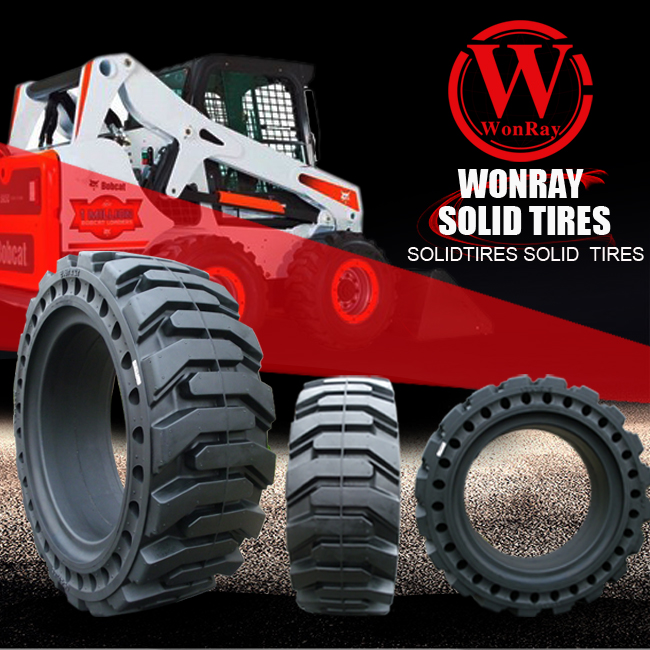
Solid Tires: Best Choice for High-Density Industrial Efficiency
Solid tires have become the preferred choice for industries aiming to maximize operational efficiency and minimize downtime. Known for their durability, puncture resistance, and low maintenance, solid tires are increasingly used on industrial equipment such as forklifts, telehandlers, wheel loaders, and other heavy-duty machinery. Unlike pneumatic tires, which rely on air pressure, solid tires are made of robust rubber or polymer compounds that can endure heavy loads, rough terrain, and continuous operation without failure.
Solid Tires for Wheel Loaders: Eco-Friendly and Durable Solutions
Solid tires for wheel loaders are a type of tire that does not rely on air pressure for support. Made from solid rubber compounds or high-durability polymers, these tires provide a robust, long-lasting solution for wheel loaders and other heavy-duty machinery. Over the years, solid tires for wheel loaders have gained popularity due to their exceptional durability, eco-friendliness, and minimal maintenance requirements. For businesses operating in mining, construction, industrial yards, and material handling sectors, solid tires for wheel loaders offer a reliable and cost-effective alternative to traditional pneumatic tires.

Telehandler Solid Tires or Pneumatic Tires: How to Choose the Best Option
Selecting the right tires for your telehandler is a critical decision that can significantly impact performance, safety, and long-term operational costs. Telehandlers are versatile machines widely used in construction, agriculture, and industrial environments, often tasked with lifting heavy loads, transporting materials, and operating on challenging surfaces. Choosing between pneumatic tires and Telehandler solid tires is a key factor that influences productivity, downtime, and cost-effectiveness. In this article, we will explore the features, benefits, and applications of both tire types and provide guidance to help businesses make the best choice for their telehandler fleet.
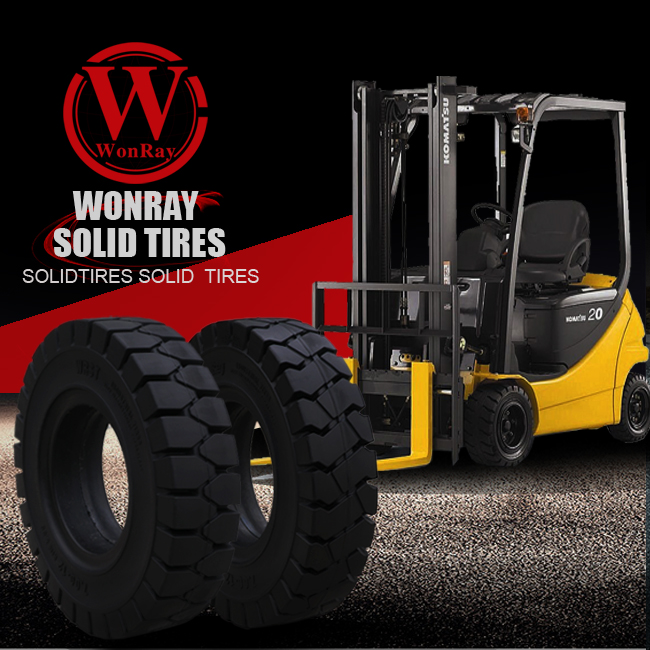
Forklift Solid Tires: Eco-Friendly Advantages for Modern Industries
In modern industrial operations, forklifts play a critical role in material handling, warehouse logistics, and manufacturing processes. Choosing the right tires for forklifts is essential for ensuring safety, efficiency, and cost-effectiveness. Among the available options, forklift solid tires have gained increasing popularity due to their durability, puncture resistance, and eco-friendly advantages. Unlike pneumatic tires, which can puncture or deflate, forklift solid tires provide consistent performance under demanding conditions. This article explores the environmental benefits of forklift solid tires and why they are an essential choice for sustainable industrial operations.
Solid Tires for Industrial Vehicles: Must-Have Guide for Maximum Efficiency
Industrial vehicles operate in some of the most demanding environments, from warehouses and factories to construction sites and ports. Choosing the right tires for these vehicles is critical to ensuring safety, efficiency, and cost-effectiveness. Solid tires have become a popular solution due to their durability, reliability, and low maintenance requirements. This comprehensive guide explores everything you need to know about solid tires for industrial vehicles, including their benefits, applications, maintenance tips, and selection guidelines.

Loader Solid Tires Buying Guide: Boost Performance and Efficiency for Your Loader
In industrial, commercial, and construction sectors, loaders and heavy-duty vehicles are essential tools for daily operations. Choosing the right tires not only affects vehicle performance and safety but also directly impacts productivity and operating costs. In recent years, Loader Solid Tires have become increasingly popular due to their outstanding durability, puncture resistance, and low maintenance requirements. This article will explore the benefits, buying considerations, maintenance tips, and FAQs for Loader Solid Tires, helping businesses and operators make informed tire choices.
Enhancing Construction Efficiency with Solid Tires for Heavy-Duty Vehicles
In the construction industry, operational efficiency, safety, and equipment reliability are essential for meeting project deadlines and controlling costs. Heavy-duty vehicles such as loaders, dump trucks, telehandlers, and forklifts frequently operate in harsh environments with uneven terrain, sharp debris, and heavy loads. In these conditions, tire performance becomes a critical factor in maintaining productivity and safety.
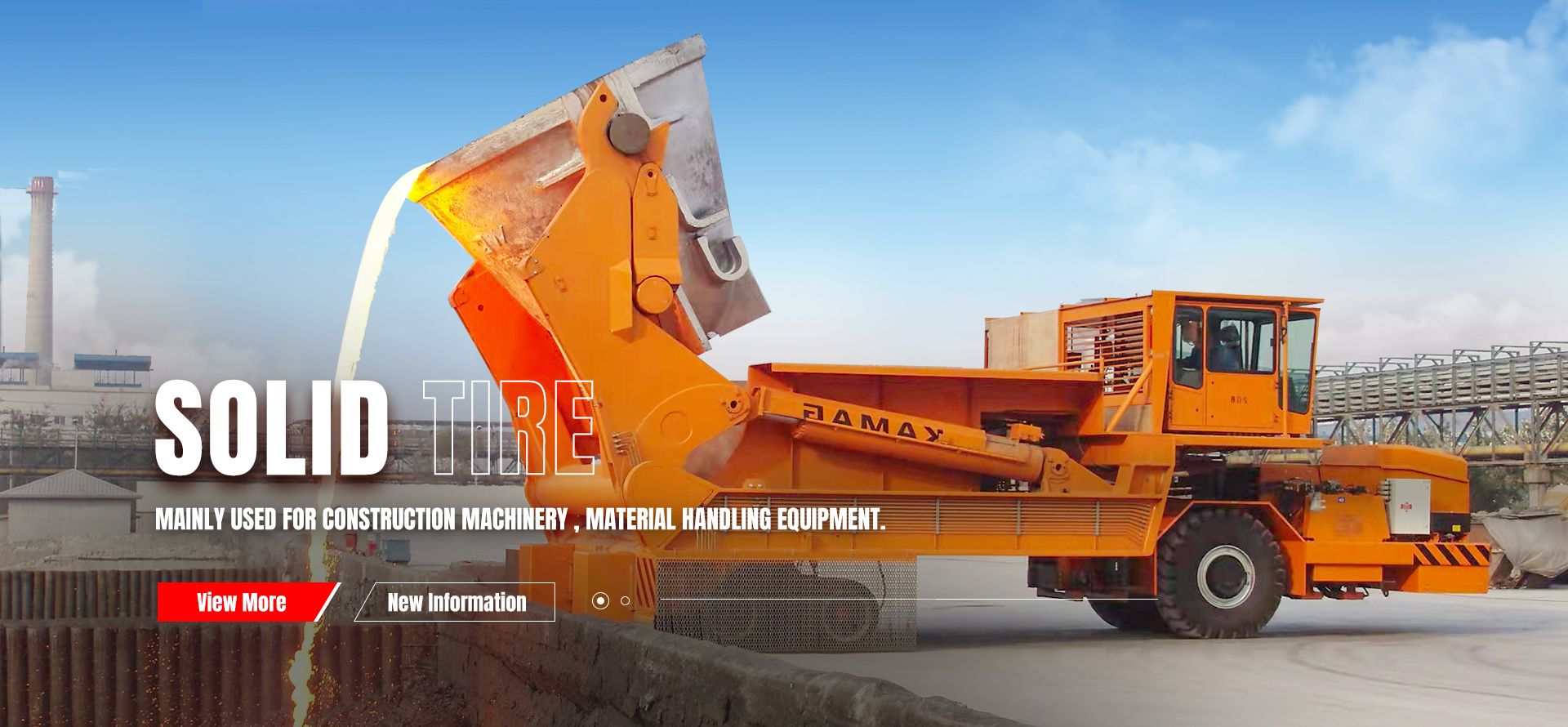
Solid Tire Solutions for High-Density Industrial Operations
High-density industrial operations demand equipment that can perform reliably under constant use, heavy loads, and challenging environments. In sectors such as manufacturing, warehousing, logistics, and port operations, even minor equipment downtime can result in significant productivity losses. Tires, as a critical interface between machinery and the ground, play a decisive role in operational stability and efficiency.