
Solid Tires Vs Foam-Filled Tires Comparison: Which Is Better for Industrial Equipment?
Industrial vehicles often operate in environments where tire punctures, pressure loss, and unexpected downtime can interrupt daily operations. Forklifts, loaders, warehouse vehicles, and other equipment need tires that can handle repeated loads and demanding ground conditions. Solid tires and foam-filled tires are two common alternatives to conventional pneumatic tires, but they achieve puncture resistance through different structures.
A practical Solid Tires Vs Foam-Filled Tires Comparison should look beyond whether a tire can resist punctures. Load support, shock absorption, operating surfaces, maintenance requirements, and equipment compatibility all influence which option is more suitable. Understanding these differences helps operators choose tires according to actual working conditions rather than relying on a single performance claim.
Understanding the Structural Differences
The main difference between solid tires and foam-filled tires lies in how they support the vehicle.
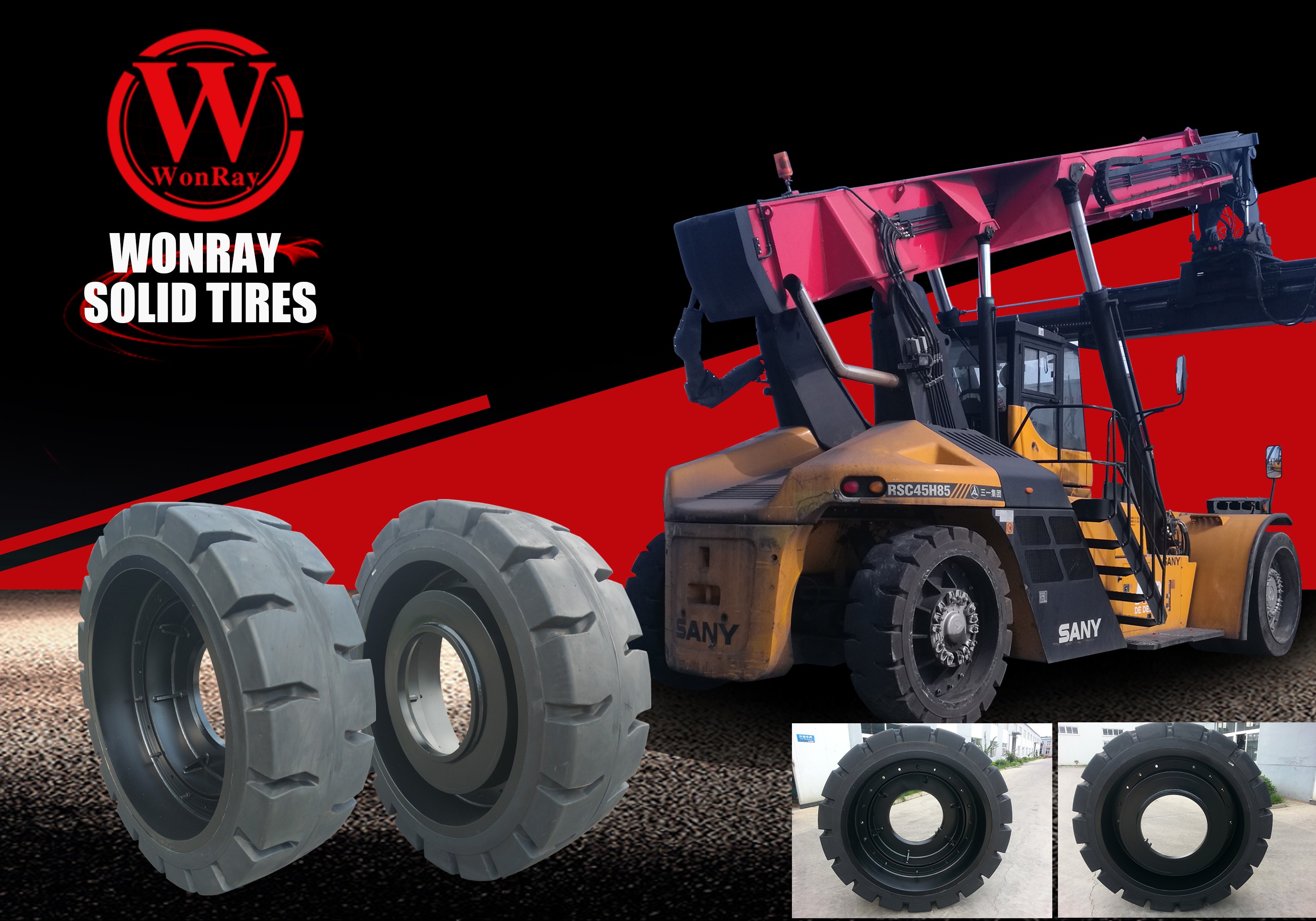
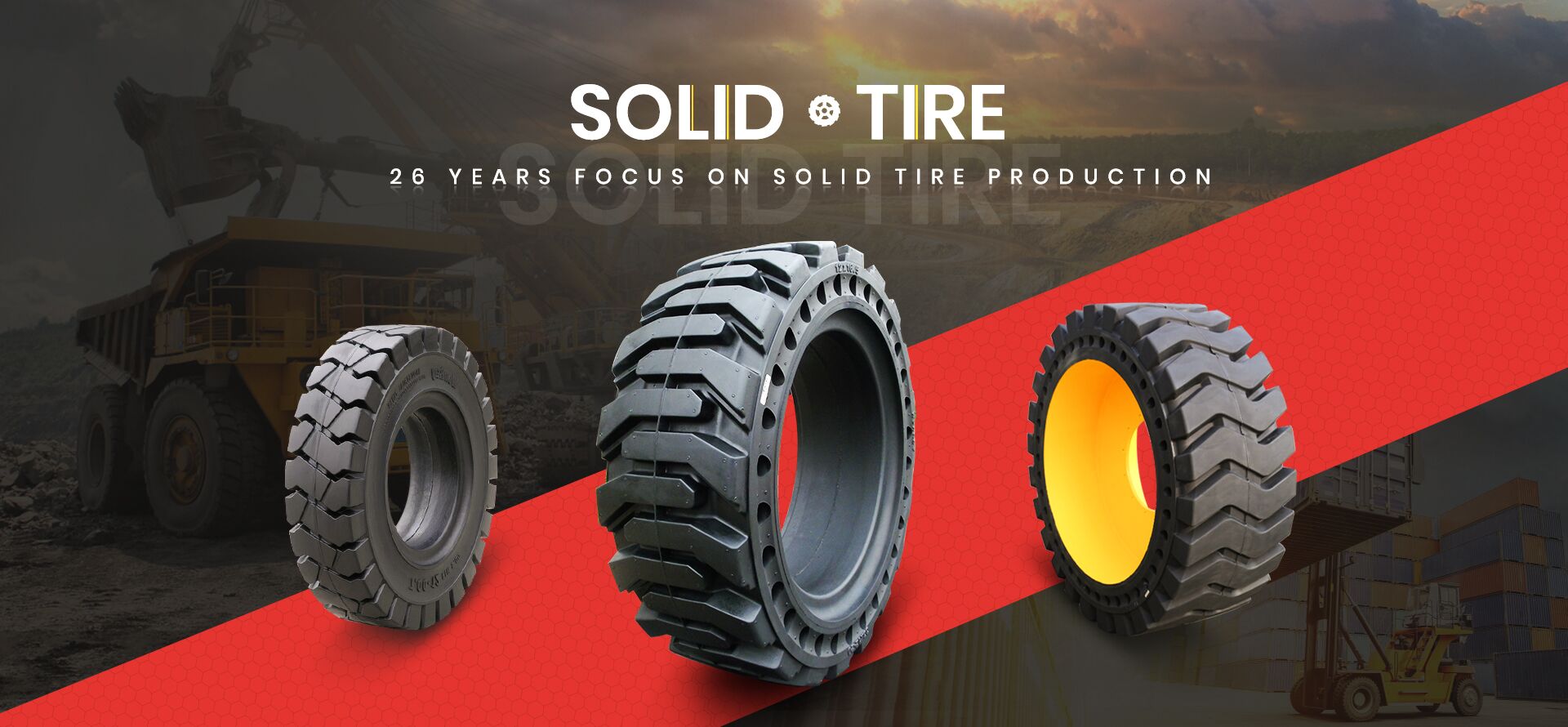
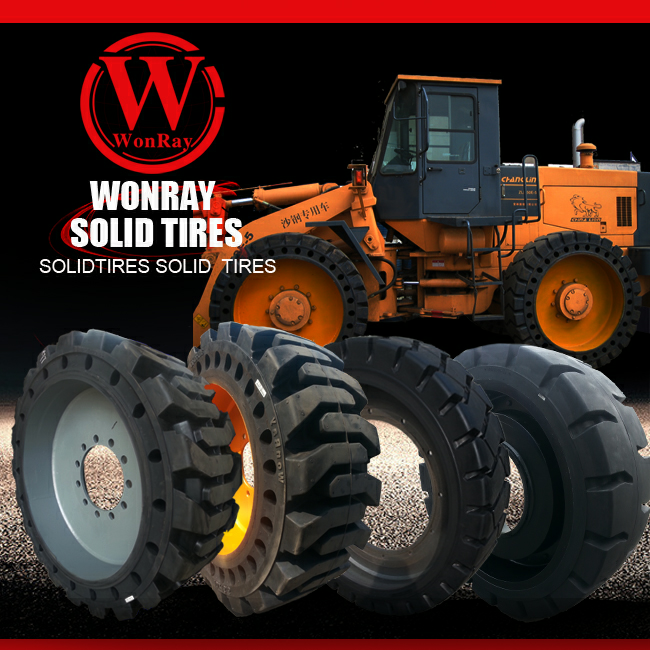
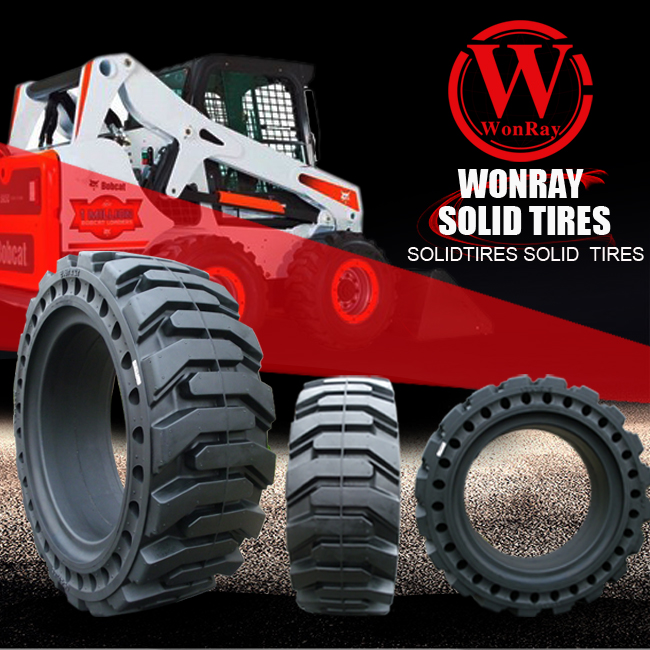
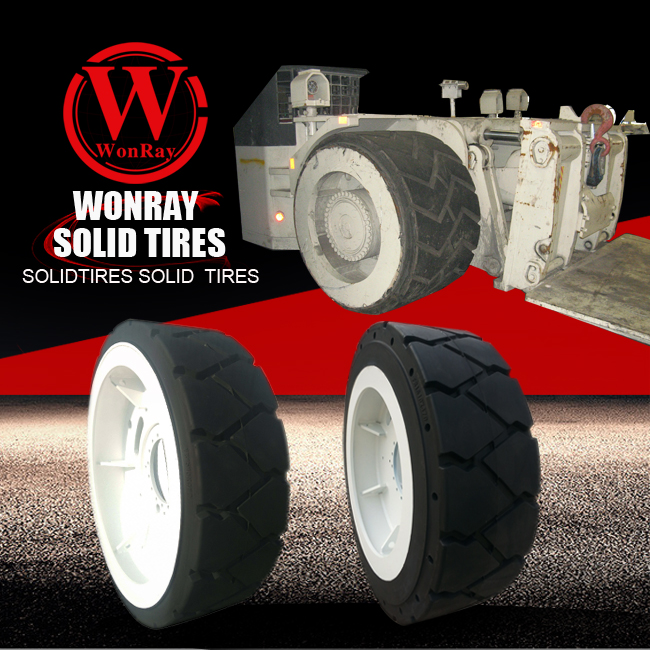
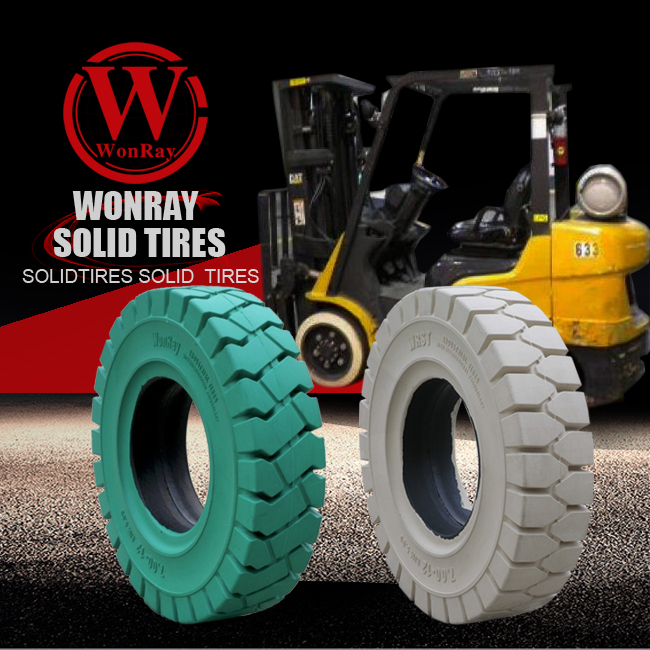
Solid tires are manufactured from rubber compounds without an air-filled cavity. Their structure directly carries the vehicle load, and their performance depends on the rubber formulation, tread design, and internal construction. Many Industrial Solid Tires use multiple rubber layers to balance ground contact, cushioning, and structural support.
Foam-filled tires start as conventional pneumatic tires. Instead of relying on compressed air, their internal cavity is filled with a polyurethane-based material. The filling supports the tire and reduces the risk of sudden pressure loss caused by punctures.
In a Solid Tires Vs Foam-Filled Tires Comparison, both options offer an alternative to ordinary pneumatic tires, but they are not interchangeable in every application. Solid tires are purpose-built as non-pneumatic products, while foam-filled tires retain the basic casing and tread structure of pneumatic tires.
Comparing Load Support and Equipment Stability
Industrial vehicles frequently carry loads that change during operation. Forklifts lift pallets, loaders transport materials, and warehouse vehicles repeatedly accelerate and turn. Tire stability directly affects how these machines respond under working loads.
Solid tires provide support through their rubber structure. Properly selected models can handle demanding industrial loads without depending on internal air pressure. Their deformation characteristics are determined by the tire's design and compound, so choosing the correct size and load rating is essential.
Foam-filled tires also support loads without relying on air pressure. However, the original tire casing and the filling material work together to carry the load. Their performance depends on the quality of the casing, filling process, and compatibility with the vehicle.
Neither type should be selected by appearance alone. Operators need to consider the vehicle's rated capacity, axle load distribution, travel speed, and operating frequency. Excessive loads can increase heat buildup and accelerate deterioration in either tire type.
Shock Absorption and Operator Comfort
One of the most noticeable differences between the two options is their response to uneven surfaces.
Pneumatic tires normally provide cushioning through compressed air. Foam filling changes this behavior because the internal material replaces the air cushion. The resulting ride characteristics depend on the filling material and the tire's construction.
Solid tires also vary in cushioning performance. Some industrial designs incorporate a softer center compound or specialized layered construction to reduce vibration while maintaining load support. However, solid tires generally transmit more impact to the vehicle than properly inflated pneumatic tires.
For equipment operating on relatively smooth warehouse floors, this difference may be manageable. On rough concrete, damaged pavement, or surfaces with frequent joints, shock absorption becomes more important. Excessive vibration can affect operator comfort and place additional stress on vehicle components.
A useful Solid Tires Vs Foam-Filled Tires Comparison therefore needs to consider the floor as well as the tire. The same model may perform differently depending on surface quality, vehicle speed, and load conditions.
Puncture Resistance and Maintenance Requirements
Both tire types reduce the risk of downtime associated with ordinary punctures, but their maintenance needs are different.
Solid tires do not contain an air chamber, so they cannot lose pressure through a conventional puncture. They still require inspection for cuts, cracks, uneven wear, and damage caused by excessive heat or improper loading.
Foam-filled tires reduce the likelihood of pressure loss because the internal cavity is occupied by filling material. Small objects that would normally puncture an air-filled tire may not cause immediate deflation. However, serious casing damage can still make the tire unsuitable for continued operation.
The following differences are useful when planning maintenance:
-
Pressure management: Solid tires do not require inflation pressure checks, while foam-filled tires generally avoid routine inflation checks after the filling process.
-
Damage inspection: Both require regular checks for cuts, deformation, and uneven wear.
-
Repair options: Damaged solid tires may need replacement, while foam-filled tires may also require replacement if the casing or internal filling is compromised.
-
Service planning: Both can reduce puncture-related interruptions, but inspection schedules should reflect actual working intensity and environmental conditions.
Operating Costs and Service Life
Initial purchase price alone does not determine the overall value of an industrial tire. Operators should consider installation, replacement frequency, maintenance labor, downtime, and the effect of tire performance on equipment operation.
Solid tires can be suitable for vehicles that operate frequently in demanding environments where puncture resistance and consistent load support are priorities. Their service life depends on rubber quality, load, temperature, floor conditions, and driving habits.
Foam-filled tires may be useful when a vehicle already uses pneumatic tires and operators want to reduce pressure-loss problems without changing the entire wheel configuration. However, the filling process adds material and labor costs, and the tire casing remains a factor in overall durability.
The long-term value of Solid Tires Vs Foam-Filled Tires Comparison should therefore be assessed through actual operating conditions. A tire with a lower purchase price may create higher costs if it wears quickly, reduces ride quality, or requires frequent replacement.
Which Tire Is More Suitable for Different Applications?
The right choice depends on the vehicle and its working environment.
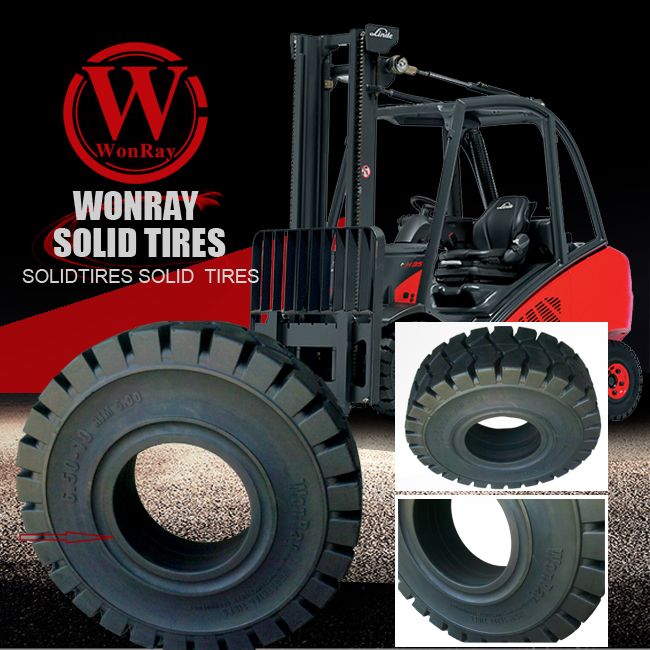
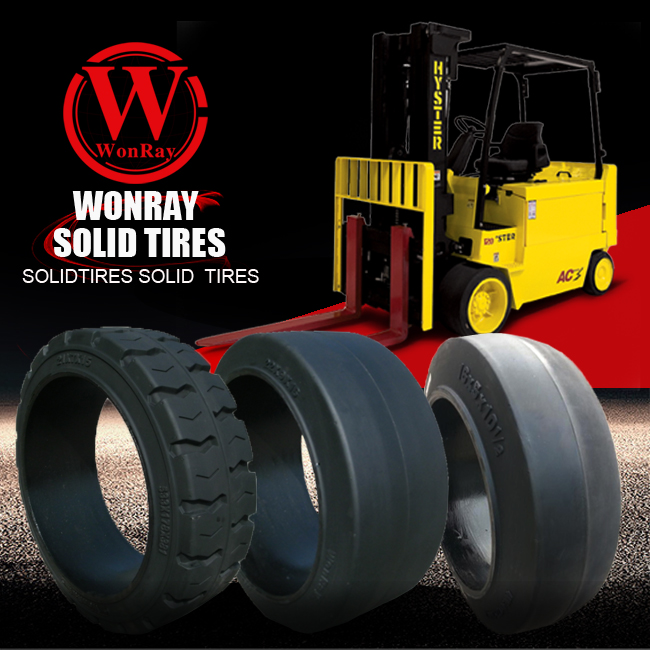
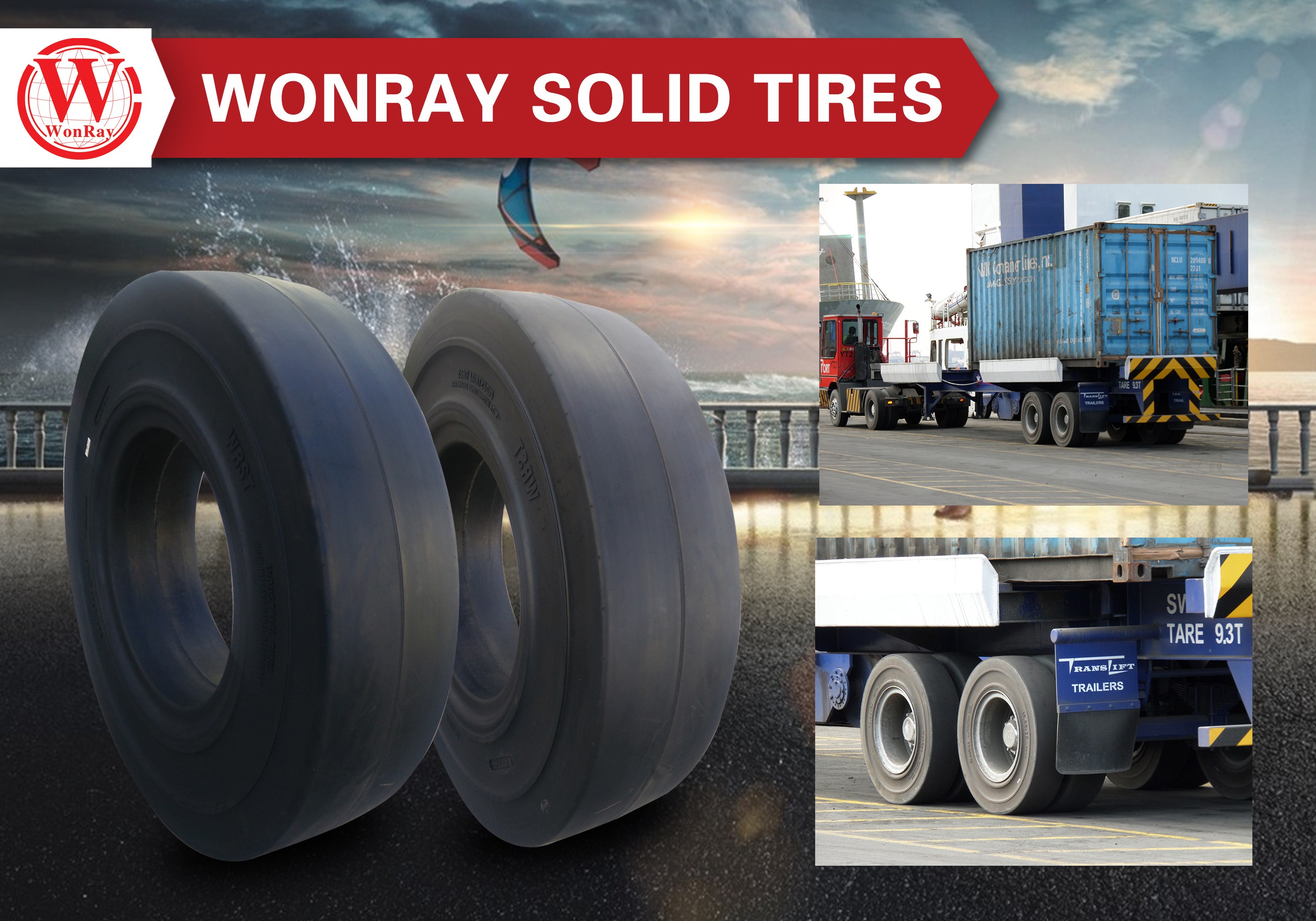
Solid tires are commonly considered for forklifts, industrial transport vehicles, and equipment operating on hard surfaces where puncture resistance and stable load support are important. They can be particularly practical in environments containing metal fragments, sharp debris, or other objects that may damage pneumatic tires.
Foam-filled tires may suit certain loaders, construction equipment, and vehicles originally designed for pneumatic tires. They can reduce the risk of sudden deflation while retaining a tire casing that may offer a different level of cushioning from a conventional solid tire.
Before choosing either option, operators should confirm wheel compatibility, tire dimensions, load capacity, speed rating, and manufacturer recommendations. The operating surface and expected daily workload should also be evaluated. A tire that performs well on smooth warehouse floors may not be the best choice for rough outdoor sites.
For industrial equipment requiring reliable non-pneumatic performance, WonRay's solid tire solutions can be evaluated according to vehicle type, load requirements, and working conditions. Matching tire construction with the actual application is more important than choosing based on a general comparison alone.
Conclusion
Solid tires and foam-filled tires both help reduce puncture-related downtime, but their structures and operating characteristics differ. Solid tires provide support through a purpose-built rubber structure, while foam-filled tires use internal filling material within a pneumatic tire casing. The better option depends on load requirements, ground conditions, cushioning needs, maintenance expectations, and equipment compatibility. A careful Solid Tires Vs Foam-Filled Tires Comparison helps identify the option that offers the most appropriate balance of performance and service life.
FAQs
1. Are solid tires more durable than foam-filled tires?
Not in every application. Durability depends on rubber quality, casing construction, load, operating surface, and maintenance conditions.
2. Do foam-filled tires still need regular inspections?
Yes. Operators should inspect the tread, sidewalls, and casing for cuts, deformation, and uneven wear.
3. Are solid tires suitable for rough outdoor terrain?
They can be used in some rough environments, but suitability depends on tire design, vehicle requirements, surface conditions, and the need for shock absorption.
4. Can foam-filled tires be installed on any forklift?
No. Wheel dimensions, load ratings, tire specifications, and manufacturer recommendations must be checked before installation.