



Solid Rubber Tractor Tires: When Puncture Resistance Makes Sense and When It Does Not
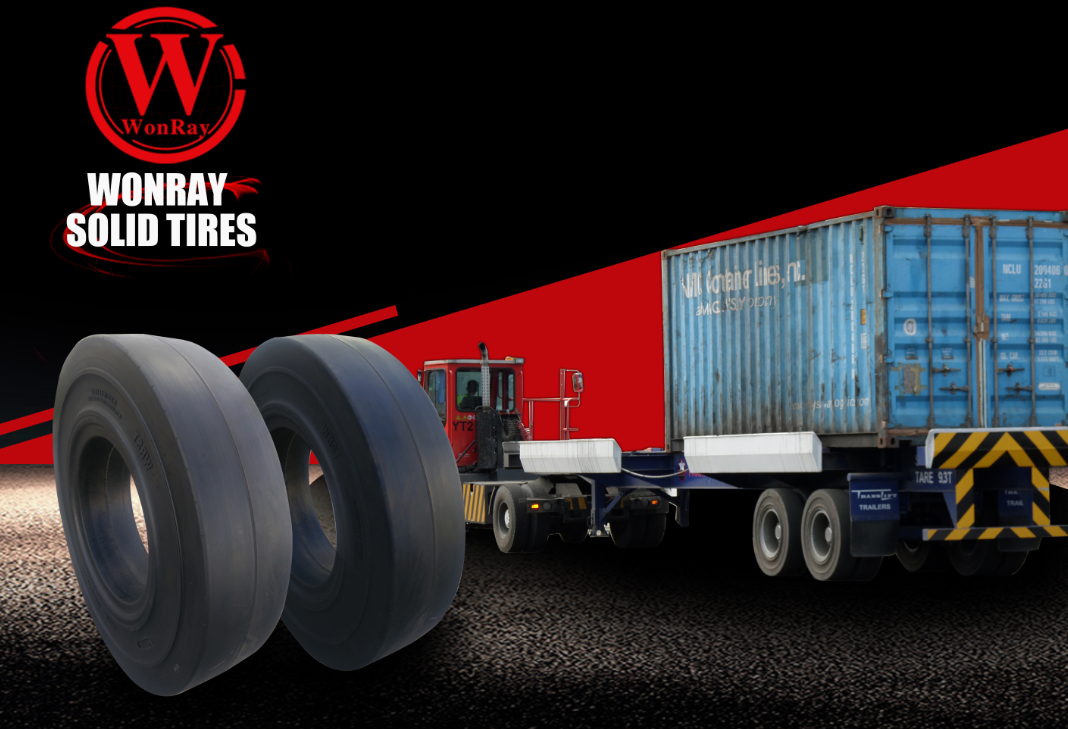
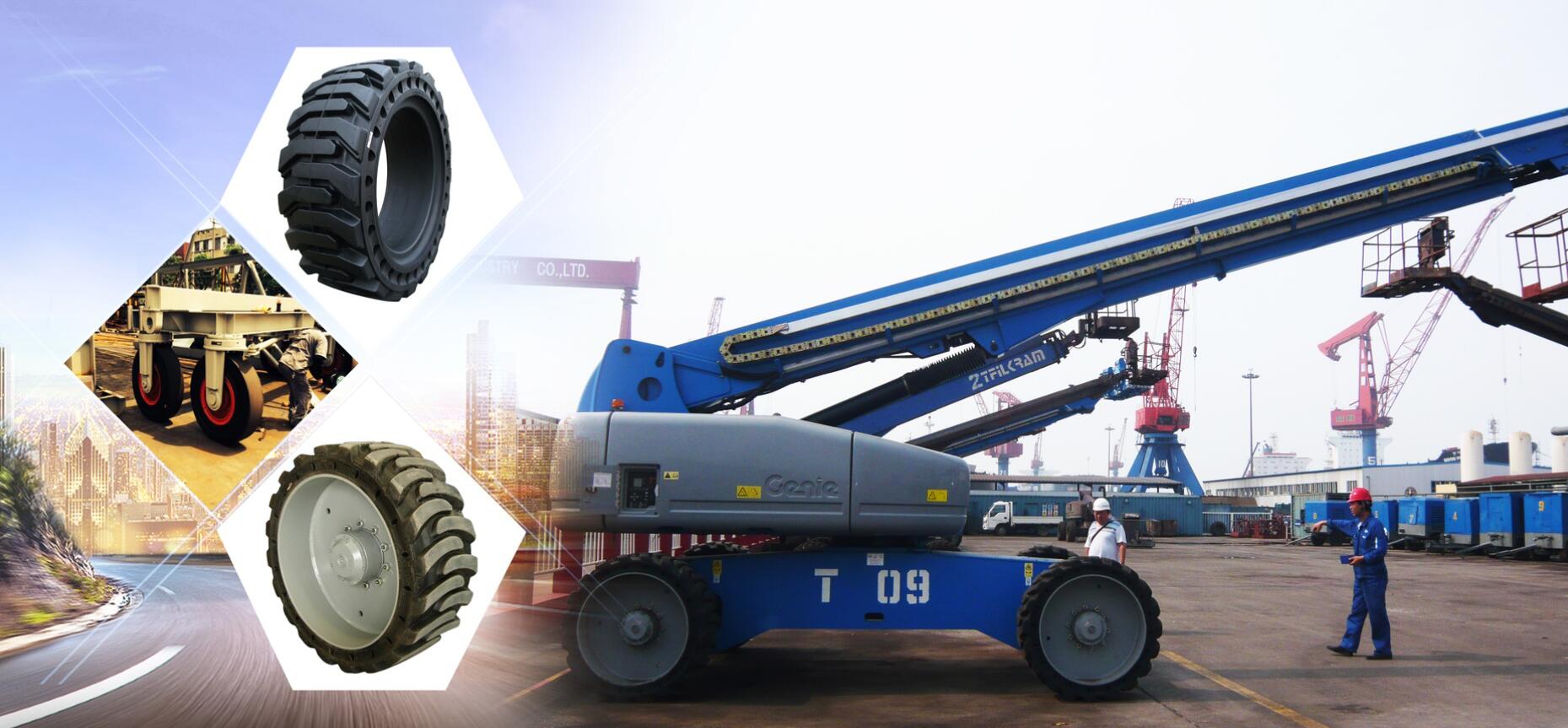
Solid Rubber Tractor Tires can be useful on tractors and tractor-like industrial vehicles that work in puncture-prone yards, factories, waste areas, terminals, and other controlled environments where tire damage causes repeated interruption. A solid tire removes the conventional air chamber, so nails, metal fragments, and sharp debris cannot create the same sudden air-loss failure as they can in a pneumatic tire. That benefit can be significant when a vehicle spends its day on hard surfaces filled with debris.
At the same time, solid rubber is not automatically the best solution for every machine called a tractor. Agricultural field tractors, yard tractors, towing tractors, and industrial tractors operate in very different conditions. Soil flotation, traction, travel speed, ride comfort, wheel size, and load all change the decision. Choosing Solid Rubber Tractor Tires therefore requires a clear answer to a basic question: what problem are you trying to solve, and where does the tractor spend most of its working time?
Solid Rubber Tractor Tires Make the Most Sense When Punctures Are Repetitive
A single puncture does not necessarily justify changing tire construction. The stronger case appears when punctures are frequent, predictable, and expensive in terms of downtime. Scrap yards, recycling facilities, manufacturing areas, construction-material yards, ports, and some waste-handling sites may contain metal pieces, fasteners, sharp wood, or other debris that is difficult to remove completely.
In these conditions, an air-filled tire can repeatedly lose pressure even when the tread still has useful life. A solid tire avoids that particular failure mode and removes inflation checks from routine maintenance. The value is operational: the machine is less likely to stop because an object penetrated the tread. However, cuts, abrasion, chunking, and mechanical damage can still occur, so solid does not mean indestructible.
Solid Rubber Tractor Tires Are Not a Universal Agricultural Upgrade
The term “tractor tire” often brings field agriculture to mind, but field work places special demands on the tire. Soft soil, mud, uneven ground, and the need to protect the soil surface make flotation and flexible ground contact important. Pneumatic agricultural tires use air pressure and a flexible carcass to create a large footprint and absorb irregularities. A solid tire behaves very differently.
For that reason, Solid Rubber Tractor Tires should not be promoted as an automatic replacement for conventional agricultural tires. They are generally more relevant to industrial tractors, towing units, yard tractors, or machines that spend much of their time on hard, puncture-prone surfaces. If a vehicle regularly enters soft fields or depends on low ground pressure, the benefits of an airless construction must be weighed against traction, flotation, and ride requirements.
Surface Type Changes the Value of Solid Construction
Hard concrete and asphalt create a predictable base for solid tires, especially when puncture debris is present. The firm construction can provide stable support, but the same hard surface also produces abrasion and transmits impact from joints, potholes, or damaged areas. A yard that looks smooth from a distance may still contain dock plates, drainage channels, patched sections, and sharp transition edges that influence tire life.
On gravel, compacted soil, or mixed surfaces, tread pattern and contact behavior become more important. On soft ground, the tire may need to sink or conform enough to generate traction. Before changing to solid rubber, identify the percentage of working time spent on each surface. A tractor that is 90 percent on concrete and 10 percent on compacted yard ground may be a very different candidate from one that splits its time equally between pavement and field conditions.

Ride and Vibration Need an Honest Evaluation
One trade-off of solid construction is reduced air cushioning. Pneumatic tires absorb part of the impact through compressed air and sidewall flex, while solid tires depend on the rubber structure itself. On a smooth yard this may be acceptable, particularly if puncture downtime is the dominant problem. On rough routes, operators and vehicle components can experience more vibration.
This matters for tractors that tow trailers, carry sensitive loads, or operate for long shifts. Excessive vibration can influence operator fatigue, cargo movement, fastener loosening, and wear elsewhere on the machine. The decision should therefore compare the cost of puncture interruptions with the operational consequences of a firmer ride. Neither tire construction is “better” in every environment; each solves a different set of problems.
Use Current Tire Failures to Decide Whether Solid Rubber Will Help
The easiest way to avoid changing tire construction for the wrong reason is to study the current failures. If pneumatic tires repeatedly suffer penetration and air loss, solid construction directly addresses the problem. If the tires instead wear rapidly because of wheel misalignment, excessive speed, overloading, or aggressive turning, changing to solid rubber may not correct the root cause.
Look for patterns across positions and over time. Frequent sidewall damage can indicate contact with obstacles. Smooth tread wear may point to abrasion. One tire failing earlier than the others suggests a local mechanical or load issue. Recording this information turns tire replacement from a routine reaction into a useful diagnosis.
A Practical Decision Checklist for Solid Rubber Tractor Tires
Before moving from pneumatic to solid construction, confirm the information that defines the application:
- tractor or towing vehicle model and current tire size;
- wheel or rim dimensions and available clearance;
- vehicle weight, ballast, typical towing load, and attachments;
- percentage of operation on concrete, asphalt, gravel, compacted soil, or soft ground;
- daily travel distance, speed, and operating hours;
- puncture frequency and type of debris encountered;
- need for ride cushioning, soil flotation, or road travel;
- current wear pattern and average tire life.
If puncture prevention is the main goal and the route is mostly hard, controlled industrial ground, solid rubber becomes a stronger candidate. If the application depends on soft-soil performance or high-speed travel, another construction may remain more appropriate.
WonRay Support for Solid Rubber Tractor Tires
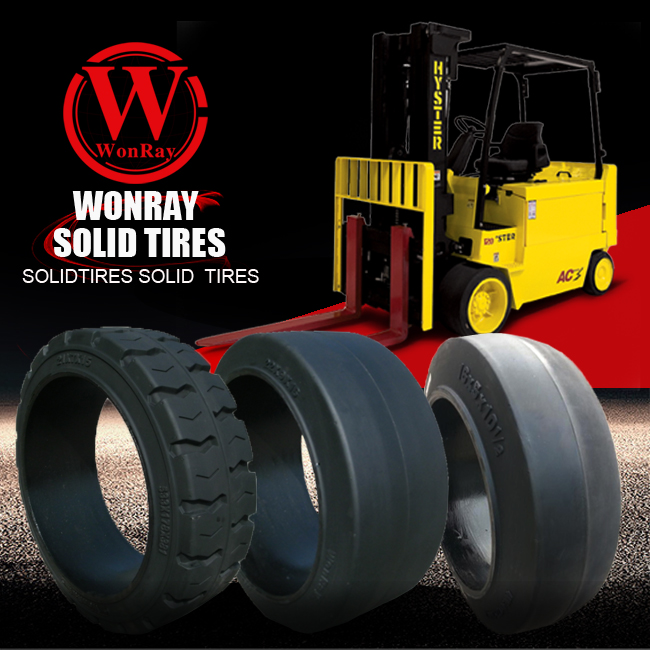
WonRay supplies industrial solid tire solutions and can use application details to help evaluate whether Solid Rubber Tractor Tires are suitable for a specific tractor or towing vehicle. A useful request should include the machine model, current tire and wheel dimensions, working surface, towing or carrying load, travel speed, operating hours, and the reason the current tires are being replaced.
If repeated punctures are the main issue, photos of the damaged tires and site conditions can make the discussion more specific. If the goal is longer life, lower maintenance, or better stability, explain those priorities as well. This information helps determine whether a solid-tire direction fits the duty cycle and provides a clearer basis for product matching and quotation rather than assuming that every tractor benefits from the same solution.
FAQ
Are Solid Rubber Tractor Tires suitable for agricultural fields?
Not automatically. Soft soil and field work often require flotation, flexible contact, and traction characteristics that differ from hard industrial yards. The application should be evaluated before changing tire construction.
What is the main advantage of solid rubber on an industrial tractor?
The main advantage is eliminating conventional puncture-related air loss and reducing inflation maintenance in debris-prone environments.
Do solid tractor tires provide the same ride as pneumatic tires?
No. Solid tires generally provide a firmer ride because they do not use compressed air for cushioning.
What information is needed to evaluate Solid Rubber Tractor Tires?
Provide vehicle model, tire and wheel size, load or towing task, surface type, speed, daily operating hours, puncture history, and photos of the current tires when possible.