

Port Tires: Essential Components for Efficient and Safe Port Logistics Operations
Port tires are a fundamental part of modern port logistics systems, enabling heavy machinery to operate efficiently under extreme load and continuous working conditions. In today’s global trade environment, ports handle massive volumes of containers daily, and the reliability of equipment directly depends on the performance of their tires.
High-quality port tires are engineered to withstand heavy loads, abrasive surfaces, and constant stress, making them indispensable in container terminals, shipping yards, and industrial logistics hubs.
The Role of Port Tires in Modern Terminal Operations
In port environments, equipment such as reach stackers, container handlers, straddle carriers, and terminal tractors operate around the clock. These machines depend on durable and high-performance tires to maintain stability and productivity.
Unlike standard industrial tires, port tires are specifically designed for extreme working conditions where heavy loads are lifted, transported, and stacked continuously. Their performance directly influences operational efficiency, fuel consumption, and equipment lifespan.
Without reliable tires, even the most advanced port machinery cannot function effectively in demanding logistics environments.
Key Performance Requirements of Port Tires
Port tires must meet strict performance standards due to the challenging nature of port operations. Their engineering focuses on durability, load-bearing capacity, and resistance to wear.
● High load-bearing capacity to support stacked containers and heavy machinery
● Reinforced carcass structure for enhanced durability under stress
● Superior abrasion resistance for concrete and asphalt port surfaces
● Excellent heat dissipation during continuous operation cycles
● Strong lateral stability for precise maneuvering in tight spaces
● Resistance to cuts, impacts, and punctures
● Extended service life to minimize downtime and maintenance costs
These performance requirements ensure that port operations remain safe, efficient, and uninterrupted.
Common Applications of Port Tires
Port tires are used across a wide range of heavy-duty equipment involved in cargo handling and transportation within terminals.
Typical applications include:
● Reach stackers used for lifting and stacking containers
● Ship-to-shore and mobile harbor cranes
● Terminal tractors for internal container transport
● Straddle carriers for moving large containers
● Heavy-duty forklifts and lifting equipment
● Intermodal transport vehicles within logistics hubs
Each application places different demands on tire performance, requiring specialized designs tailored to specific operational conditions.
Environmental Challenges in Port Operations
Port environments are among the most demanding working conditions for industrial tires. Several environmental factors can significantly affect tire performance and lifespan.
● Constant exposure to heavy static and dynamic loads
● Highly abrasive surfaces such as reinforced concrete yards
● Exposure to saltwater, humidity, and corrosive marine air
● Continuous stop-and-go operations throughout the day
● High temperature buildup due to friction and heavy use
● Uneven surfaces and frequent directional changes
These harsh conditions require port tires to be engineered with advanced rubber compounds and structural reinforcements to ensure reliability.
Types of Port Tires and Their Characteristics
Different types of port tires are designed to meet various operational needs depending on equipment type and workload intensity.
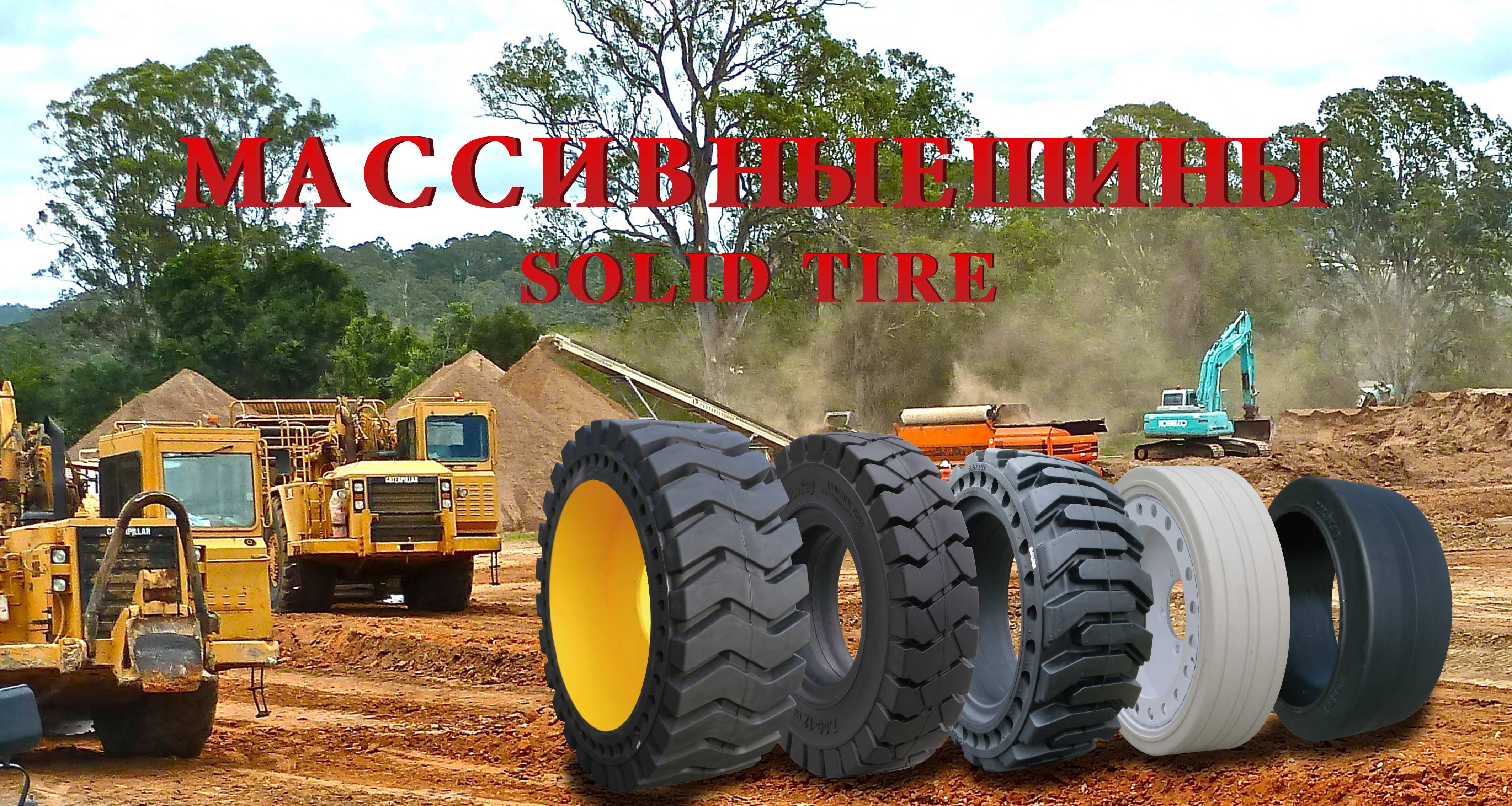
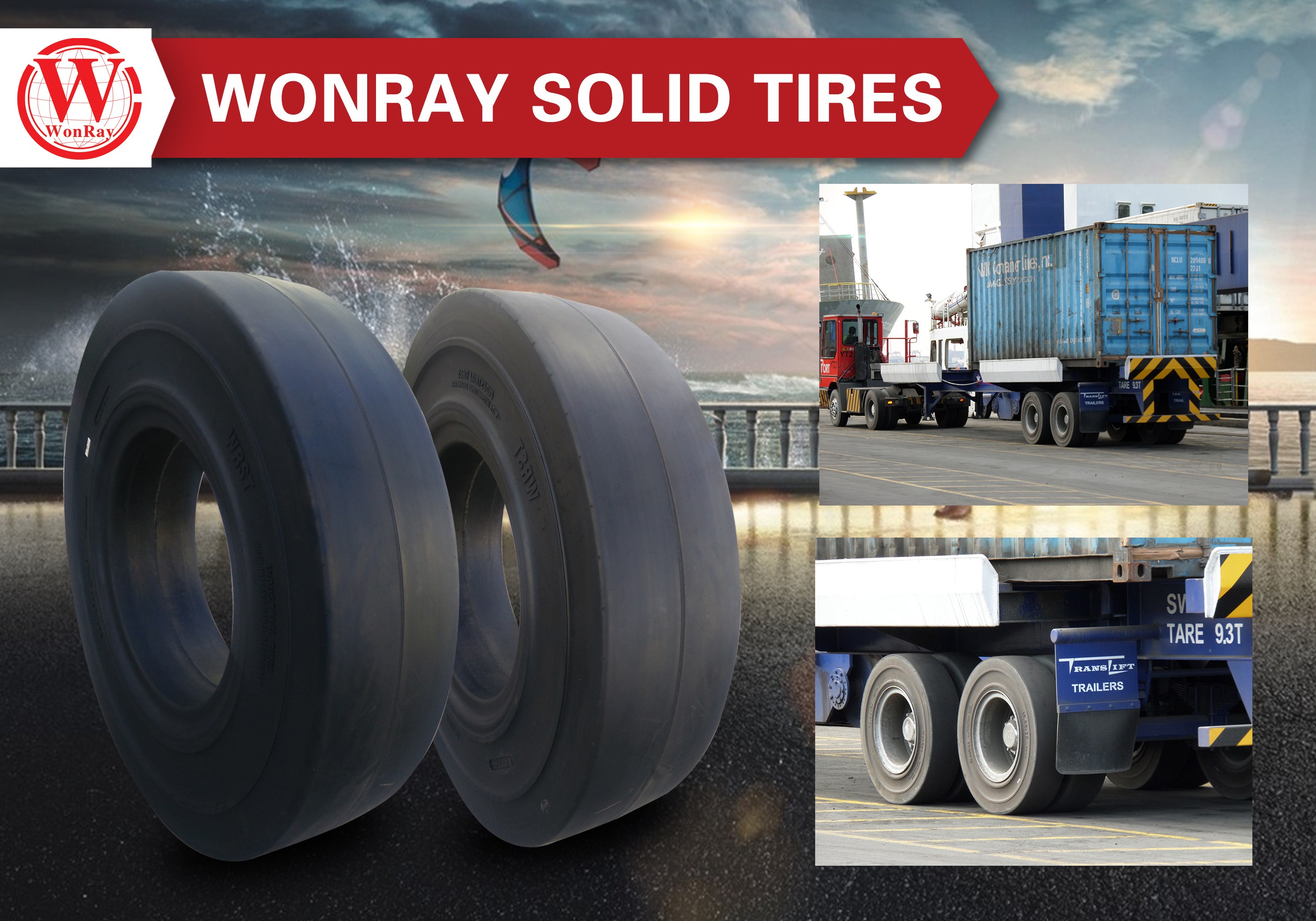
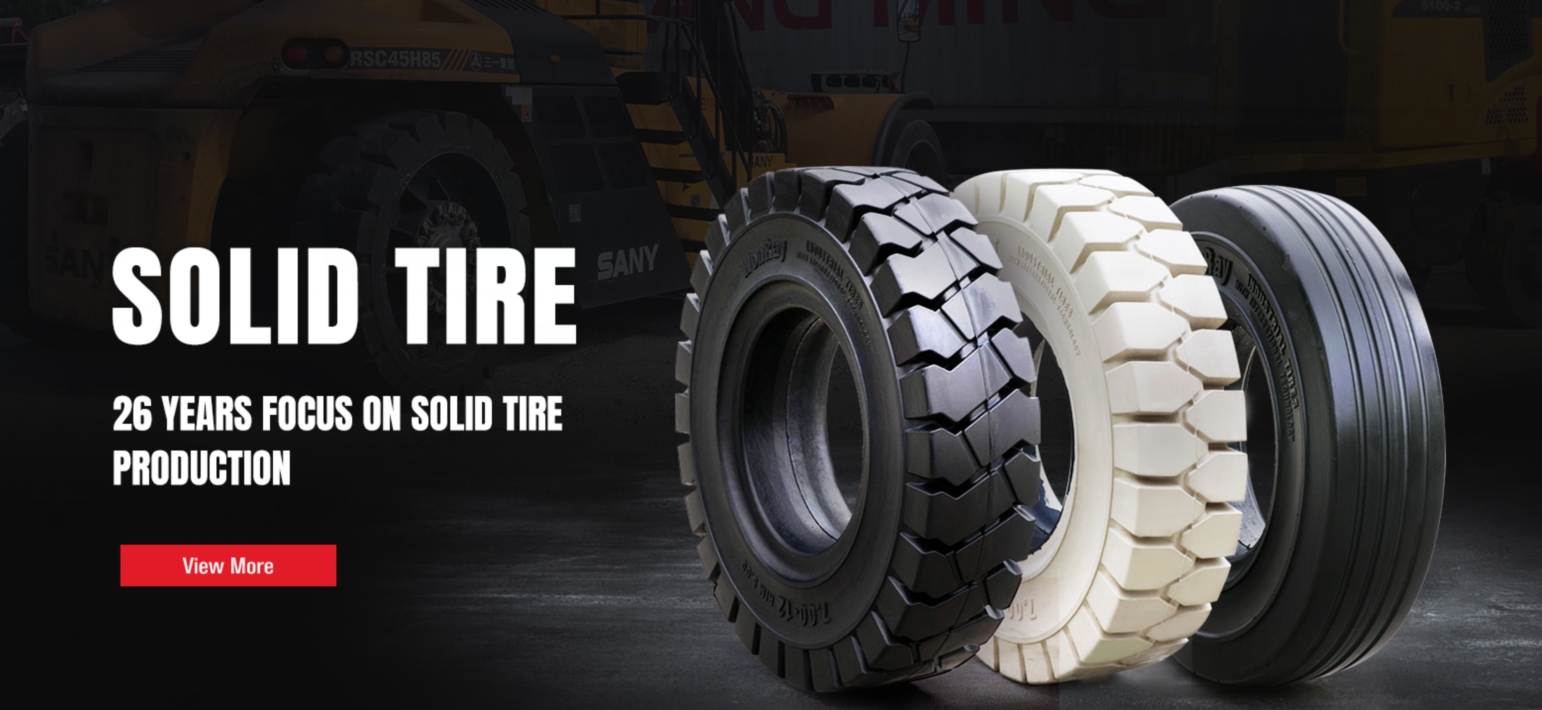
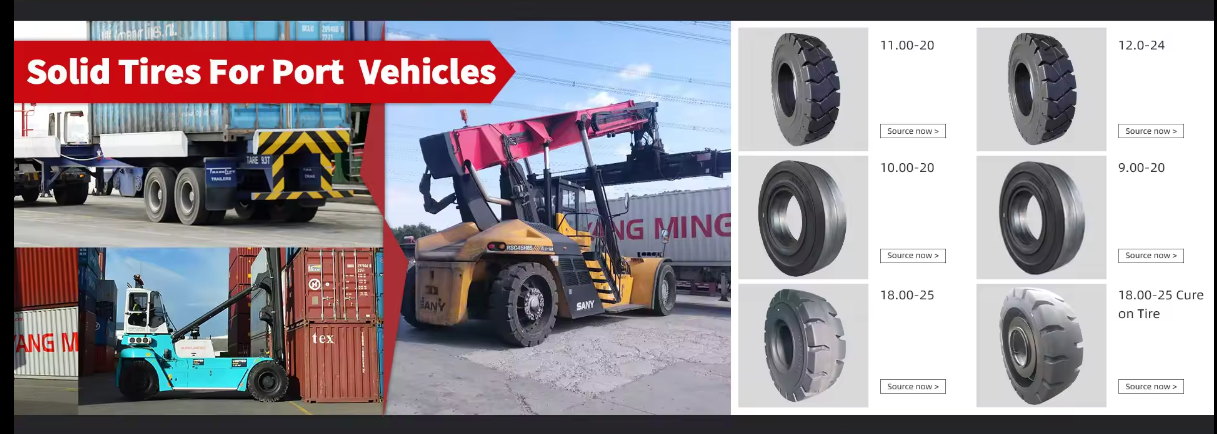
Solid tires are commonly used in container handling equipment because they are puncture-proof and highly durable. They are ideal for heavy-duty, low-speed operations in harsh environments.
Radial tires, on the other hand, provide better shock absorption and improved heat dissipation, making them suitable for equipment that requires longer travel distances within port areas.
Tubeless reinforced tires combine durability and efficiency, offering a balance between load capacity and operational comfort.
Selecting the appropriate tire type is essential for maximizing efficiency and reducing operational costs.
Operational Benefits of High-Quality Port Tires
Investing in high-performance port tires delivers significant operational advantages for port operators and logistics companies.
● Improved productivity through reduced equipment downtime
● Enhanced safety during heavy lifting and transport operations
● Lower maintenance frequency and reduced operational disruptions
● Better fuel efficiency due to optimized rolling resistance
● Increased equipment stability during precision handling tasks
● Longer service life under extreme working conditions
● Reduced total cost of ownership over time
These benefits make port tires a critical component in achieving efficient port management.
Maintenance Practices for Port Tire Longevity
Although port tires are designed for durability, proper maintenance plays a crucial role in maximizing their lifespan and performance.
Regular inspection routines help identify early signs of wear, uneven tread patterns, or structural damage. Maintaining correct inflation levels (for pneumatic tires) ensures optimal load distribution and reduces heat buildup.
Additionally, ensuring proper wheel alignment and avoiding overloading are essential practices for extending tire life. Preventive maintenance strategies significantly reduce unexpected breakdowns and improve operational safety.
Technological Advancements in Port Tire Design
The port tire industry has undergone significant technological development in recent years. Manufacturers are increasingly using advanced materials and engineering techniques to improve performance and sustainability.
Modern port tires often feature:
● High-strength synthetic rubber compounds for improved durability
● Enhanced tread designs for better traction and wear resistance
● Heat-resistant materials for continuous heavy-duty operations
● Reinforced sidewalls for improved load stability
● Eco-friendly materials to reduce environmental impact
These innovations help ports achieve higher efficiency while reducing long-term operational costs.
Economic Impact of Port Tire Performance
Port tires have a direct impact on the overall cost structure of logistics operations. Poor-quality or inappropriate tires can lead to frequent replacements, unexpected downtime, and increased maintenance expenses.
On the other hand, high-performance tires reduce operational disruptions, improve fuel efficiency, and extend the lifespan of expensive port machinery. This results in a lower total cost of ownership and improved return on investment for port operators.
In large-scale port operations, even small improvements in tire efficiency can translate into significant financial savings over time.
Future Trends in Port Tire Development
The future of port tires is closely linked to advancements in automation, electrification, and sustainability within the logistics industry.
As ports increasingly adopt automated and electric handling equipment, tire manufacturers are focusing on reducing rolling resistance and improving energy efficiency. Smart tire monitoring systems are also being developed to track pressure, temperature, and wear in real time.
Sustainability is another key trend, with growing demand for recyclable materials and environmentally friendly production processes.
Conclusion
Port tires are a vital component in ensuring the efficiency, safety, and reliability of modern port operations. Their ability to withstand extreme loads, harsh environments, and continuous use makes them indispensable in global logistics systems.
Choosing the right port tire solution not only enhances operational performance but also reduces maintenance costs and extends equipment lifespan. As port operations continue to grow in scale and complexity, high-performance tires will remain a key factor in maintaining competitive and efficient logistics networks.
FAQ
What are port tires used for?
Port tires are used on heavy machinery in ports, such as reach stackers, cranes, and terminal tractors, to support cargo handling operations.
Why are port tires different from standard tires?
They are designed to handle much heavier loads, continuous operation, and highly abrasive working environments.
What is the most common type of port tire?
Solid tires are commonly used due to their puncture resistance and durability.
How can port tire lifespan be extended?
Through proper maintenance, correct load management, and regular inspection of wear conditions.
Are port tires suitable for all weather conditions?
Yes, they are engineered to perform reliably in various conditions, including heat, humidity, and coastal environments.