

Oil-Resistant Industrial Tires: When Fluid Exposure Becomes a Tire Selection Problem
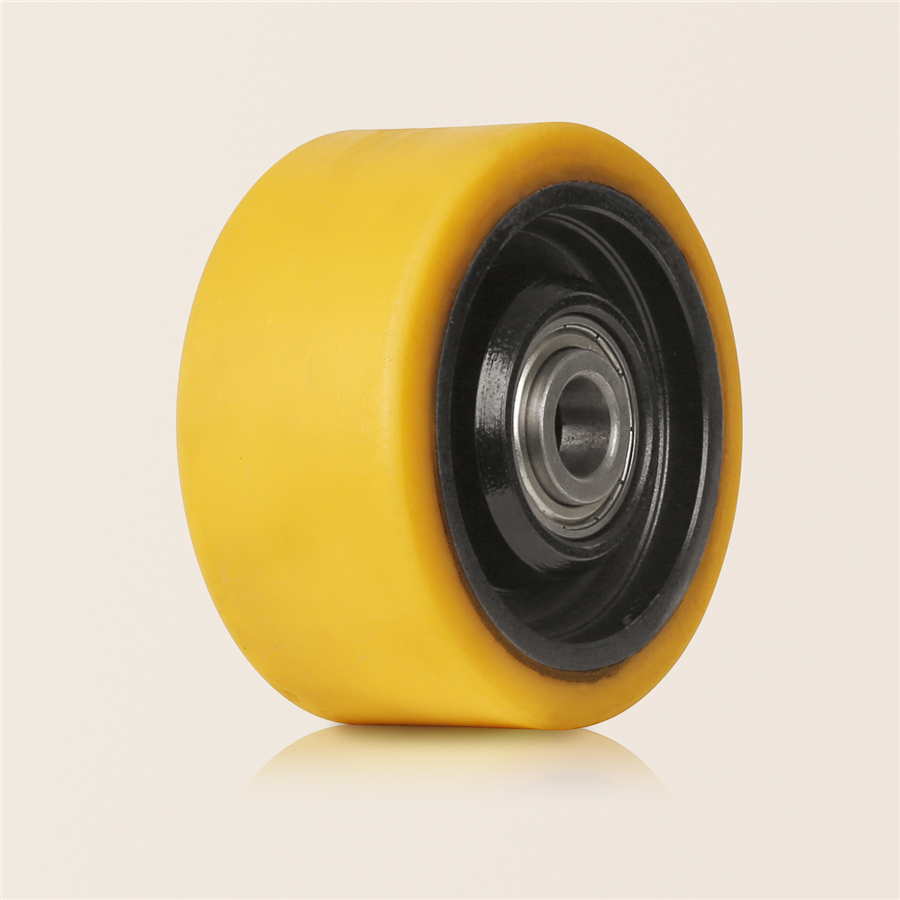
Oil-Resistant Industrial Tires are intended for industrial vehicles that regularly work where lubricants, hydraulic fluids, machining oils, or oily residue can reach the tire and floor. Machine shops, metal-processing plants, maintenance departments, production workshops, and some heavy industrial areas may expose tires to these fluids every day. The key word is regularly: an occasional small spill is different from continuous operation in a zone where oil contact is part of the normal working environment. When exposure becomes predictable, the tire needs to be evaluated not only for load and wear but also for how its rubber and traction behavior fit that environment.
Start by Identifying the Actual Fluid Exposure
“Oil” is a broad description, and different work areas can contain very different fluids. One machine area may use cutting lubricant, another may have hydraulic oil around hoses and cylinders, while a maintenance bay may see grease, transmission fluid, or mixed service liquids. The tire may drive through a thin film on the floor, receive occasional splashes, or remain in contact with contamination for long periods. These are not equivalent exposure conditions.
For Oil-Resistant Industrial Tires, the selection process should therefore begin with the type of fluid, frequency of contact, and duration of exposure. It is not responsible to assume that one rubber compound is equally resistant to every petroleum-based or industrial liquid. When chemical compatibility is critical, the exact fluid and application conditions should be checked before finalizing the tire specification.
The First Problem May Be Loss of Traction, Not Rubber Damage
When oil reaches a smooth concrete or coated floor, the immediate problem can be reduced friction. The tire itself may still look normal, but the vehicle can require more distance to stop or may feel less predictable during turning. This matters because industrial vehicles often carry concentrated loads and operate close to racks, machines, workers, and production equipment. A tire compound cannot make a heavily contaminated floor behave like a clean dry surface.
Oil resistance should therefore be treated as one part of the solution rather than a substitute for housekeeping. Spill control, floor cleaning, and leak repair remain essential. A tire selected for recurring oil exposure can help address material compatibility, but safe and predictable handling still depends on the condition of the floor.
Repeated Exposure Can Change Rubber Behavior Over Time
Rubber compounds can respond differently to oils depending on their formulation and the fluid involved. Prolonged exposure may contribute to softening, swelling, surface changes, loss of hardness, or other forms of deterioration in materials that are not suited to the environment. These effects may develop gradually and can be mistaken for ordinary wear if the operating history is not considered.
A useful inspection compares wheel positions and work zones. If tires that regularly pass through one contaminated area show a different surface condition from tires used elsewhere, the environment deserves attention. If only one tire is affected, a nearby leak, local floor contamination, alignment issue, or brake problem may be more likely than a general compound problem. Patterns matter because they help separate chemical exposure from mechanical causes.
Oil and Sharp Debris Often Appear in the Same Work Areas
Machine shops and metal-processing plants can combine several tire hazards at once. Oil or lubricant may reduce floor traction, while metal chips, fasteners, offcuts, or broken tooling increase the risk of puncture and cuts. A tire selected only for chemical exposure may still perform poorly if the tread is constantly being damaged by sharp debris. This is where application priorities need to be ranked rather than treated as independent checkboxes.
Solid industrial tire construction can be useful in these mixed environments because it removes the pressurized air chamber and therefore eliminates conventional puncture-related air loss. However, the rubber surface can still be cut, chunked, or abraded. Oil-Resistant Industrial Tires used in debris-heavy environments should therefore be considered for both material compatibility and mechanical durability.
Cleaning Practices Influence the Real Exposure Level
The same amount of leaked oil can create very different tire conditions depending on how quickly it is removed. A facility that cleans spills promptly reduces the time the rubber remains in contact with the fluid, while an area where residue stays on the floor for entire shifts creates much longer exposure. Regular wheel cleaning can also prevent oily residue from remaining on the tread and attracting additional dust or particles.
Cleaning methods need to be sensible as well. Aggressive chemicals used to remove oil may introduce a new compatibility concern for rubber, coatings, seals, or metal components. For recurring contamination, the best practice is usually to combine appropriate tire material with leak control and a cleaning process suitable for the vehicle and floor.
Load and Duty Cycle Still Matter as Much as Oil Resistance
A common selection mistake is to focus on the special property and forget the basic tire job. Oil-Resistant Industrial Tires still have to carry vehicle weight, support the working load, withstand turning forces, manage heat, and resist abrasion. An overloaded tire can fail early even if its compound is well suited to the fluid. Likewise, a tire that operates continuously for long shifts may develop heat or wear problems unrelated to oil exposure.
The selection should therefore include load per tire, operating hours, travel distance, speed, turning frequency, floor condition, and existing wear. Oil resistance becomes one requirement within a larger operating system. If the main problem is actually severe overloading or a badly aligned wheel, changing compound alone will not correct the cause.
What Oil-Related Tire Damage Can Look Like
There is no single visual sign that proves oil exposure is responsible for a tire problem, but certain changes can justify closer investigation. The rubber may appear unusually soft, swollen, tacky, cracked, or different in texture from tires working in cleaner zones. The tread may also collect more dirt because oily residue remains on the surface. These symptoms should be compared with the fluid history and mechanical condition of the vehicle.
Inspection is more useful when it is consistent. Recording where the vehicle works, what fluids are present, and which wheel position develops damage first creates evidence that can guide the next tire choice. Without that information, a premature tire failure can easily be misdiagnosed as “poor rubber quality” when the real cause is a combination of chemical exposure, load, and floor condition.
When Oil Resistance Should Be a Primary Selection Factor
Oil resistance deserves higher priority when exposure is frequent, predictable, and difficult to eliminate completely. Examples include equipment permanently assigned to machining areas, maintenance shops, metal-forming lines, or production zones with recurring hydraulic and lubricant contamination. In these applications, the tire material should be selected with the environment in mind from the beginning rather than treated as a later correction.
In contrast, if oil contact is rare and spills are cleaned immediately, other properties may matter more. Abrasion resistance, non-marking performance, heat resistance, cushioning, or puncture protection could be the dominant requirement. The goal is not to specify every possible specialty feature but to identify which conditions are actually driving tire wear or downtime.
Information to Collect Before Selecting Oil-Resistant Industrial Tires
A useful application review includes the following details:
- Tire size, wheel specification, and vehicle model
- Vehicle weight and typical working load
- Type of oil, lubricant, or industrial fluid present
- Frequency and duration of tire contact with the fluid
- Floor material and whether the surface is normally wet or contaminated
- Presence of metal chips, scrap, or other sharp debris
- Daily operating hours, travel distance, and turning frequency
- Existing symptoms such as swelling, softening, cuts, unusual wear, or loss of traction
This information makes it possible to decide whether oil resistance is genuinely the main requirement or simply one part of a broader application problem.
Matching the Tire to the Contaminated Work Area
The best Oil-Resistant Industrial Tires are selected around the combination of chemical exposure and mechanical duty. A tire that handles the fluid but cannot support the load is not suitable, and a tire with strong wear resistance may still be a poor choice if the compound is incompatible with the working environment. Looking at the complete application helps avoid solving one problem while creating another.
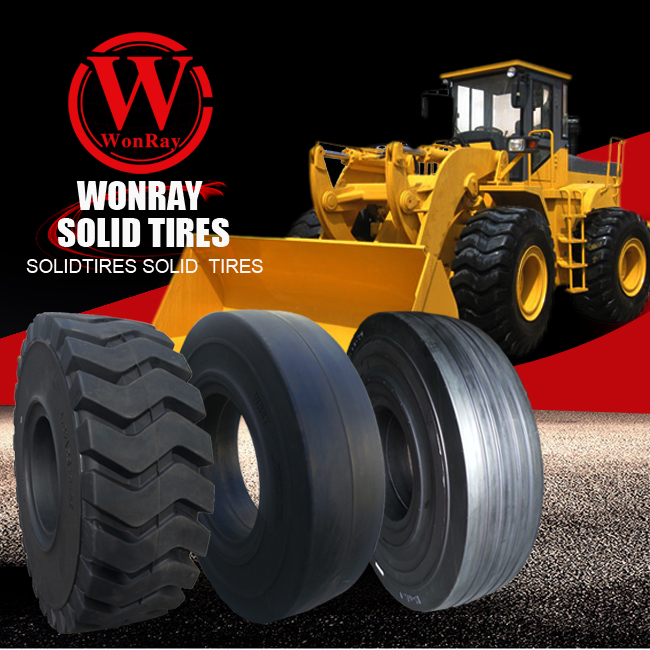
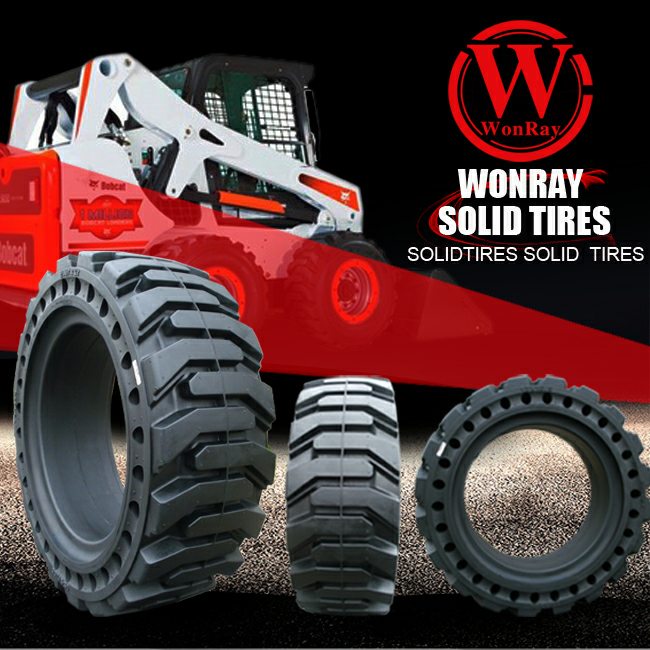
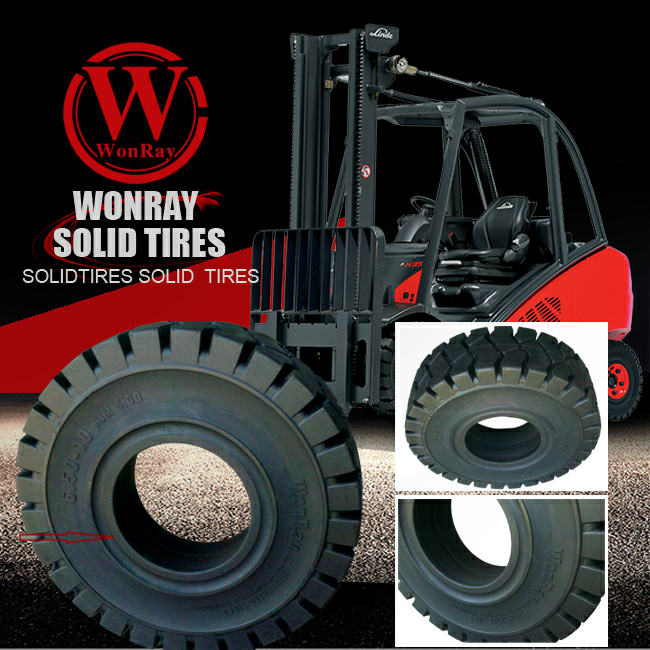
WonRay provides industrial solid tire solutions for demanding material-handling environments, including applications where puncture risk, heavy loads, long shifts, and specific floor conditions must be considered together. For oil-exposed work areas, sharing the tire size, vehicle type, fluid involved, exposure frequency, load, and current damage pattern allows a more useful discussion than requesting a generic “oil-resistant tire.” If the current tires are softening, wearing abnormally, slipping frequently, or being damaged by both oil and metal debris, those details can help identify which performance priorities should guide the next tire selection.
FAQ
Where are Oil-Resistant Industrial Tires commonly used?
They may be used in machine shops, metal-processing plants, maintenance facilities, industrial workshops, and other areas where tires regularly contact oils or lubricants.
Do oil-resistant tires eliminate slipping on oily floors?
No. Oil contamination can reduce floor friction regardless of tire compound. Floor cleaning, spill control, and leak repair remain important for safe operation.
Can oil damage industrial rubber tires?
Certain oils can affect some rubber compounds during repeated or prolonged exposure, but the result depends on the exact rubber formulation, fluid type, concentration, temperature, and duration of contact.
What information is needed before selecting an oil-resistant tire?
Useful information includes tire size, vehicle load, fluid type, exposure frequency, floor condition, operating hours, presence of sharp debris, and the current tire damage pattern.