
Long-Lasting Skid Steer Tires: Matching Tread Design with Jobsite Conditions
Skid steer loaders often work in environments where ground conditions change throughout the day. A machine may move across compacted soil, gravel, concrete, loose sand, or construction debris within a single shift. These surfaces create different demands on tire traction, stability, and wear resistance. Choosing a tread pattern based only on its appearance or general durability can therefore lead to disappointing results. The performance of Long-Lasting Skid Steer Tires depends heavily on how well the tread design matches the surfaces and tasks involved. A pattern that performs well on rough construction ground may wear quickly on concrete, while a tread designed for hard surfaces may struggle to maintain traction in loose soil.
Why Tread Design Matters for Skid Steer Tire Life
Tread design influences how a tire contacts the ground, distributes pressure, and responds to movement. Skid steer loaders place particular demands on tires because their steering system relies on differential wheel movement. During tight turns, the tires may slide against the surface rather than roll smoothly through the entire turn. This creates additional friction and puts stress on the tread blocks.
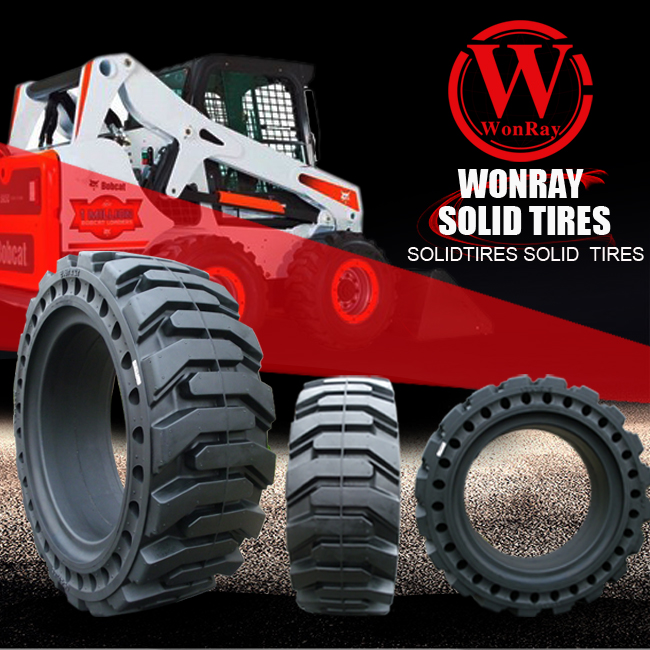
A suitable tread pattern helps manage these forces under normal working conditions. Larger, more widely spaced lugs can provide better grip on loose or uneven surfaces, but they may experience concentrated stress when used frequently on hard pavement. Tighter tread patterns generally provide more continuous ground contact and can be better suited to compact surfaces, although they may not clear mud or loose material as effectively.
Tread depth also affects performance. Deeper patterns can offer useful traction when working in loose soil or rough terrain, but depth alone does not guarantee longer service life. If the tread design is poorly matched to the application, the edges of the lugs may wear unevenly, and the tire may lose its original performance before the tread is fully consumed.
For this reason, selecting Long-Lasting Skid Steer Tires requires looking beyond tread depth and considering the relationship between the pattern, surface, and operating method.
Matching Tread Patterns to Different Jobsite Surfaces
On compacted soil and general construction ground, a moderately aggressive tread can provide a practical balance between traction and durability. The lugs need enough spacing to maintain grip and release loose material, but an excessively open pattern may expose individual blocks to greater impact and abrasion. A balanced design is often more suitable for machines that move between loading, carrying, and grading tasks.
Gravel and crushed stone create another challenge. Sharp particles can press against tread blocks and gradually damage the rubber surface. In these conditions, tread strength and resistance to cutting become especially important. A pattern with a suitable lug arrangement can help distribute contact forces, while a durable rubber compound helps reduce damage from repeated contact with abrasive particles.
Concrete and asphalt require a different approach. These surfaces provide relatively stable contact but can generate considerable friction during skid steering. Aggressive tread blocks may experience rapid edge wear when the machine repeatedly pivots or turns in confined spaces. A tighter tread pattern with more continuous ground contact may be more appropriate for operations dominated by paved surfaces.
Soft soil and muddy ground place greater emphasis on traction and self-cleaning. Widely spaced lugs can help the tire maintain grip by allowing mud and soil to move away from the tread. However, these patterns should not automatically be selected for mixed-surface operations. Frequent movement between soft ground and hard pavement can create uneven wear if the tread is too aggressive for the overall working environment.
How to Evaluate a Tread Pattern Before Selecting Tires
-
Surface distribution: Identify which surfaces account for most operating hours. If the machine spends most of its time on concrete, a highly aggressive tread may create unnecessary friction and wear. If loose soil dominates, traction and tread self-cleaning become more important.
-
Turning frequency: Machines operating in tight yards or confined work areas often perform repeated pivot turns. These movements increase lateral friction, so tread blocks should be suitable for frequent turning rather than only straight-line travel.
-
Material exposure: Gravel, demolition debris, and sharp stones can cause cuts and chunking. Evaluate whether the tread structure and rubber compound are appropriate for the materials encountered.
-
Workload consistency: A machine performing similar tasks every day may benefit from a specialized tread design. Equipment moving between several job types may need a more balanced pattern that avoids sacrificing performance on one surface.
It is also important to check tire dimensions, load capacity, rim compatibility, and the machine manufacturer's recommendations. A suitable tread pattern cannot compensate for incorrect tire sizing or an unsuitable load rating.
Why the Same Tread Can Wear Differently in Actual Operation
The reason is that tread design is only one part of the wear equation. Operating habits, machine condition, and ground maintenance all influence how quickly the tread deteriorates. Skid steering naturally produces more sliding contact than conventional steering. When operators make abrupt turns, reverse direction frequently, or pivot repeatedly in the same area, the tread experiences additional friction. These movements can gradually round off lug edges and create uneven wear across the tire.
Incorrect tire pressure can also affect the contact area and pressure distribution. For pneumatic tires, pressure should follow the machine and tire manufacturer's recommendations. Underinflation or overinflation may change how the tread contacts the ground, potentially increasing localized stress. Solid and foam-filled tires have different operating characteristics, so their maintenance and inspection requirements should be considered separately.
Jobsite conditions matter as well. Accumulated stones, metal fragments, and demolition waste can increase the risk of cuts and tread damage. Removing debris from frequently used work areas and avoiding unnecessary high-speed movement over rough ground can help protect the tires.
Operators should look for missing tread blocks, deep cuts, unusual wear patterns, and visible damage to the tire structure. If wear is concentrated on one side or differs significantly between tires, checking the machine's operating condition and wheel alignment may be worthwhile.
Extending Tire Service Life Without Sacrificing Productivity
Longer tire life should not come at the expense of safe handling or efficient operation. Selecting an overly conservative tread pattern may reduce some forms of wear but create traction problems that slow down work. Conversely, choosing an aggressive pattern for every application may increase resistance and accelerate wear on hard surfaces. A better approach is to match the tire to the machine's primary workload while adjusting operating practices to reduce avoidable stress. Operators can reduce unnecessary pivot turns, use smoother steering movements where space permits, and avoid excessive travel speeds on abrasive ground.
It is also useful to compare tire performance over time rather than judging durability from the initial appearance of the tread. Recording installation dates, operating hours, surface conditions, and observed wear can help identify which patterns perform best in a particular environment. This information supports more consistent replacement decisions and reduces the risk of selecting tires based on assumptions.
When evaluating Long-Lasting Skid Steer Tires, buyers should consider not only the initial purchase cost but also how the tread design affects traction, operating efficiency, and replacement frequency. A tire that lasts longer under the actual working conditions may provide better overall value than one with a lower initial price but a poorly matched pattern.
For operations with changing ground conditions, discussing the machine's main applications and surface distribution with an experienced tire manufacturer can help narrow the available choices. Companies such as WonRay offer industrial tire solutions for different equipment requirements, making application-based communication a useful step before finalizing a selection.
Conclusion
Tread design has a direct influence on how skid steer tires perform and wear across different jobsite conditions. Compacted soil, gravel, paved surfaces, and muddy ground each require a different balance of traction, contact area, and resistance to damage. Selecting Long-Lasting Skid Steer Tires means matching the tread pattern to the machine's actual workload while considering turning habits, operating conditions, and tire specifications. With a suitable design and consistent operating practices, businesses can improve tire utilization, reduce premature wear, and maintain reliable machine performance.
FAQs
1. Are deeper tread patterns always more durable?
No. Deeper treads can improve traction in loose conditions, but durability also depends on tread structure, rubber compound, and the surface being used. An unsuitable deep tread may wear quickly on hard pavement.
2. Which tread pattern is suitable for mixed jobsite conditions?
A moderately aggressive or versatile tread pattern may provide a practical balance when a machine regularly moves between compacted soil, gravel, and paved areas. The final choice should reflect the dominant working surface.
3. Can skid steer operating habits affect tread life?
Yes. Frequent pivot turns, abrupt direction changes, and excessive travel speeds can increase friction and accelerate tread wear. Smoother operation can help reduce unnecessary stress.
4. When should skid steer tires be replaced?
Replacement depends on tread loss, damage, traction requirements, and the manufacturer's guidance. Deep cuts, missing tread sections, structural damage, or insufficient traction may indicate that replacement is necessary.