

Industrial Rubber Wheels Drive Efficiency Across Manufacturing and Logistics
Industrial rubber wheels are a critical component in modern manufacturing, warehousing, and transportation sectors. Known for their durability, smooth operation, and load-bearing capacity, rubber wheels are widely used in trolleys, carts, machinery, conveyors, and mobile equipment across a wide range of industries.
Why Industrial Rubber Wheels Matter
Rubber wheels are designed to handle heavy loads, reduce noise, and absorb shocks, making them ideal for industrial environments where efficiency and safety are top priorities. Their ability to roll smoothly on various surfaces – including concrete, tile, and uneven flooring – ensures stable movement and protects both the floor and the equipment.
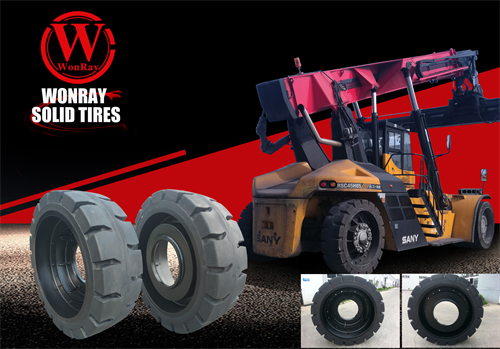
Key Advantages of Industrial Rubber Wheels
High Durability: Industrial rubber wheels are made from strong natural or synthetic rubber compounds that resist wear, tear, and chemical exposure, extending their service life.
Noise Reduction: Rubber wheels provide quieter operation compared to metal or plastic alternatives, improving workplace conditions, especially in noise-sensitive environments.
Shock Absorption: These wheels cushion impacts from bumps and uneven surfaces, reducing damage to transported goods and decreasing operator fatigue.
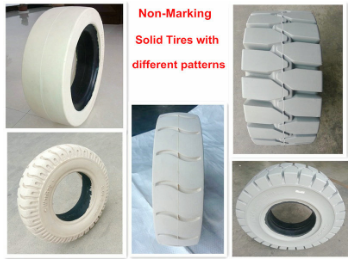
Non-Marking Options: Non-marking rubber wheels are ideal for clean indoor applications such as hospitals, food processing plants, and electronics factories where floor appearance and hygiene are important.
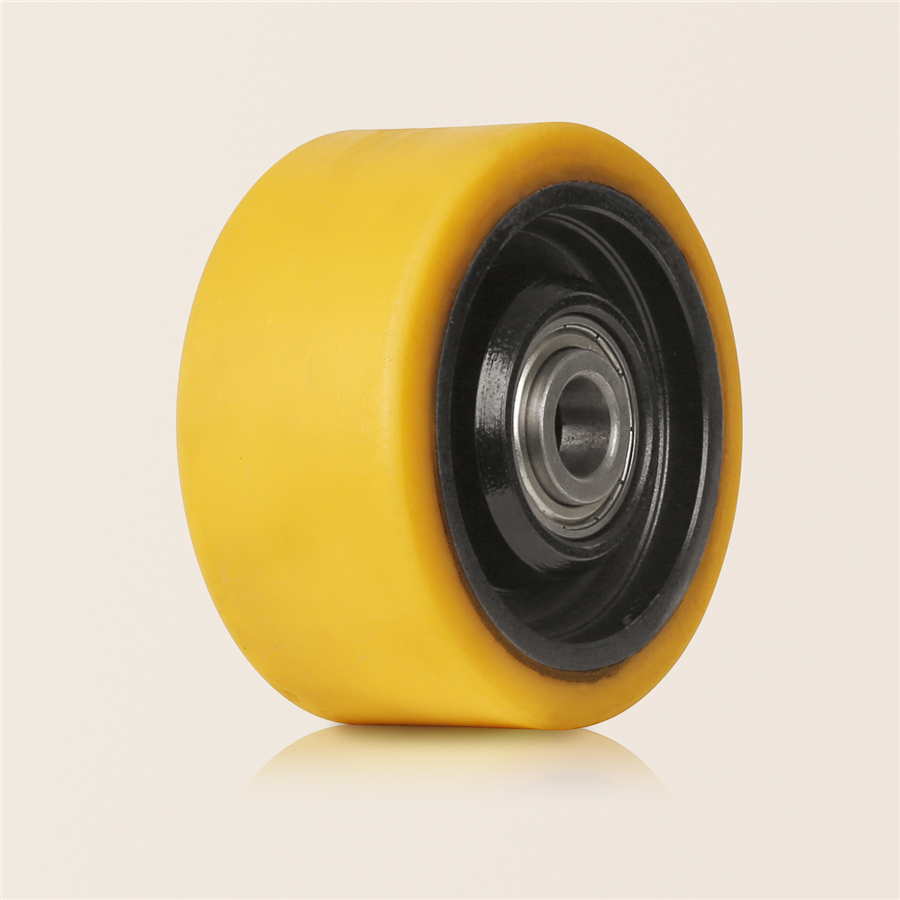
Versatile Applications: From factories and warehouses to airports and retail distribution centers, industrial rubber wheels are found on a wide range of equipment including pallet jacks, dollies, and rolling workbenches.
Market Trends and Innovations
As industries evolve, there is growing demand for rubber wheels that offer better performance, longer lifespan, and eco-friendly materials. Manufacturers are responding with innovations such as thermoplastic rubber compounds, ergonomic designs, and corrosion-resistant cores.
Additionally, automation and robotics in manufacturing and logistics are increasing the need for precision wheels that can withstand continuous operation while offering low rolling resistance and high maneuverability.
Conclusion
Industrial rubber wheels continue to play a vital role in supporting the smooth, safe, and efficient movement of goods and equipment. Their durability, versatility, and performance make them an essential choice for any business looking to optimize productivity and reduce maintenance costs. As technology advances, industrial rubber wheel solutions are set to become even more reliable and sustainable in the years ahead.