

How Forklift Solid Tires Reduce Hidden Costs in Material Handling Operations
In many material handling operations, the true cost of forklift tires is often underestimated. Beyond the initial purchase price, factors such as downtime, labor, safety risks, and maintenance complexity all contribute to overall expenses. Forklift Solid Tires are increasingly recognized as a solution not only for durability but also for controlling these hidden costs and improving operational predictability.
Rethinking Tire Costs: More Than Just Purchase Price
When businesses evaluate forklift tires, they often focus on upfront cost rather than lifecycle value. However, pneumatic tires frequently introduce indirect costs due to punctures, pressure loss, and inconsistent performance.
Solid tires, by contrast, are engineered to deliver stable, long-term performance with minimal intervention. This makes them particularly valuable in environments where downtime directly affects throughput and delivery timelines.
Key Advantages That Translate Into Real Savings
The benefits of solid tires go beyond durability. They directly impact several cost drivers that are often overlooked in daily operations.
● Elimination of Emergency Repairs
Unexpected tire failures can halt operations instantly and require urgent maintenance. Solid tires remove the risk of blowouts, reducing emergency repair frequency and associated labor costs.
● Lower Labor Dependency
With pneumatic tires, maintenance teams must regularly monitor pressure, repair punctures, and perform replacements. Solid tires significantly reduce these routine tasks, freeing up manpower for higher-value work.
● Predictable Maintenance Scheduling
Solid tires wear gradually and predictably. This allows businesses to plan replacements in advance instead of reacting to sudden failures, improving operational planning.
● Reduced Risk of Product Damage
Stable tire performance reduces forklift vibration and instability, minimizing the risk of load shifting or product damage during transport.
● Improved Energy Efficiency
Modern solid tire designs with optimized rubber compounds can reduce rolling resistance, contributing to lower energy consumption, especially in electric forklifts.
Operational Efficiency Gains You Can Measure
Switching to solid tires can deliver measurable improvements across key performance indicators in material handling environments.
● Higher Equipment Availability
Fewer tire-related failures mean forklifts spend more time in operation rather than in maintenance.
● Faster Workflow Execution
Consistent traction and stability allow operators to move goods more efficiently without frequent adjustments.
● Reduced Operational Interruptions
Smooth, uninterrupted movement of materials improves coordination between different stages of the supply chain.
● Better Safety Metrics
Improved stability reduces the likelihood of accidents, contributing to a safer working environment and fewer incident-related costs.
Matching Solid Tires to Your Application
Not all solid tires are the same. Selecting the right configuration is essential to maximize both performance and cost efficiency.
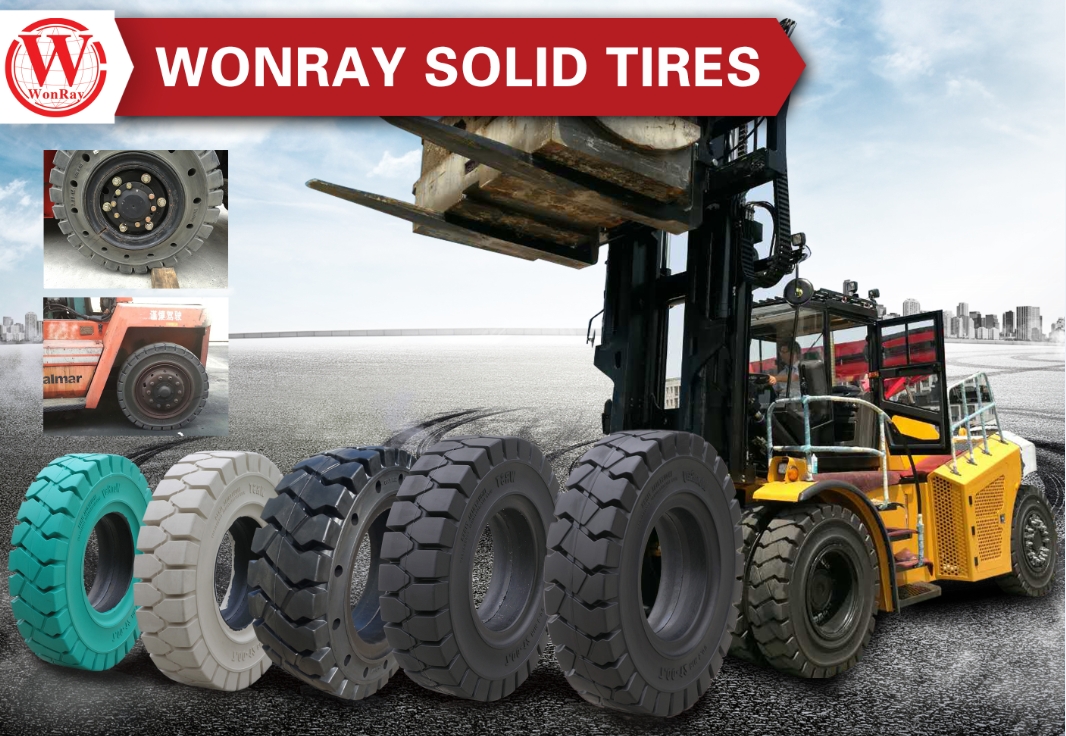
● Standard vs. Non-Marking Tires
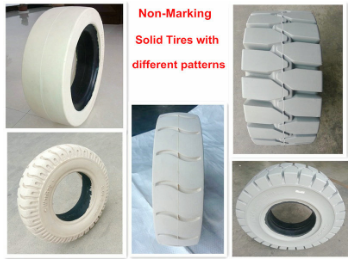
Non-marking tires are ideal for indoor environments where floor cleanliness is important, such as food processing or electronics manufacturing.
● Heat-Resistant Compounds
For operations involving long working hours or high ambient temperatures, specialized compounds prevent overheating and premature wear.
● Three-Stage vs. Two-Stage Construction
Three-stage tires offer better shock absorption and longer lifespan, making them suitable for heavy-duty applications.
● Press-On vs. Molded Tires
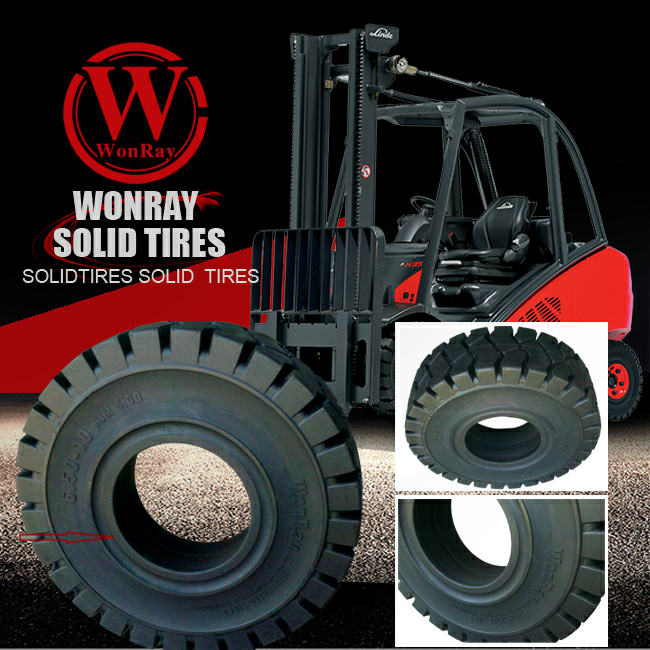
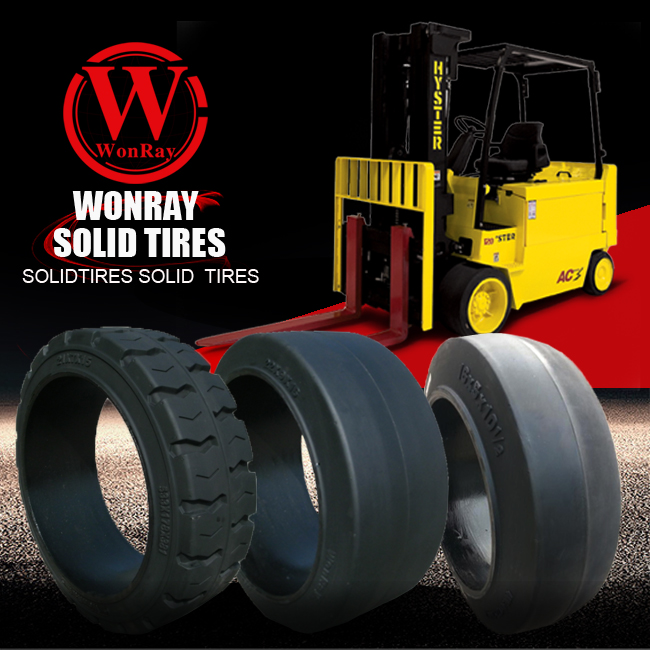
Press-on tires are commonly used for electric forklifts in warehouses, while molded solid tires are preferred for heavier outdoor applications.
Industry-Specific Benefits of Solid Tires
Different industries experience unique advantages when adopting solid tires, depending on their operational challenges.
● Logistics and Warehousing
Continuous operations benefit from reduced downtime and predictable maintenance cycles.
● Ports and Shipping Yards
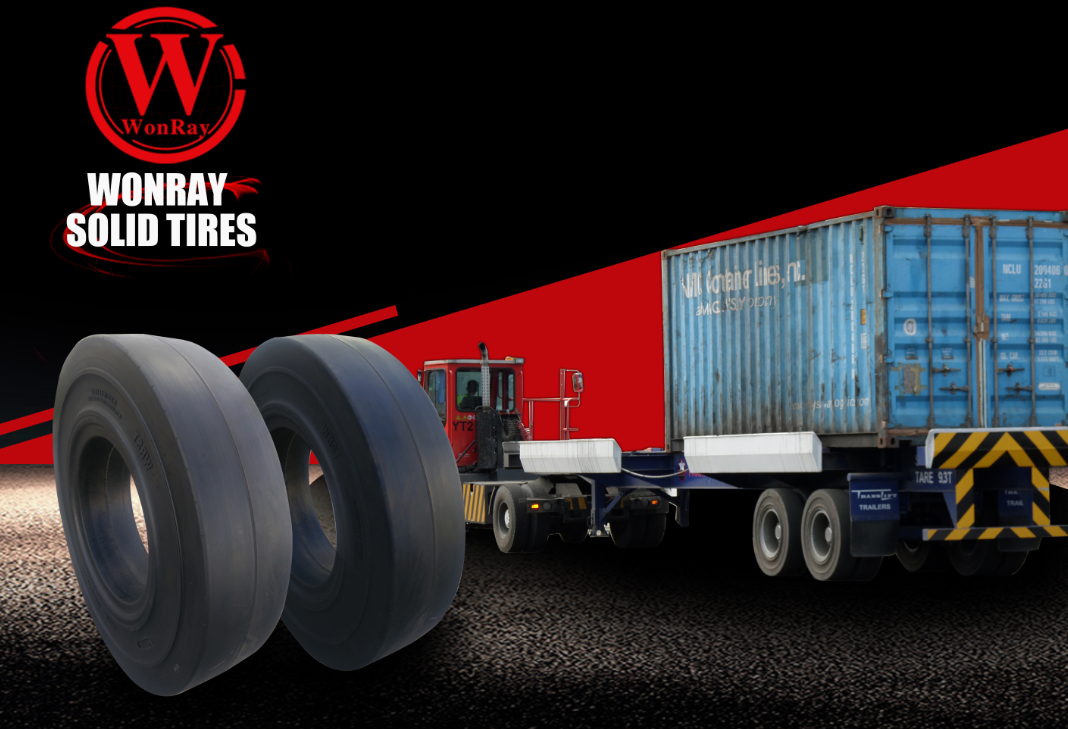
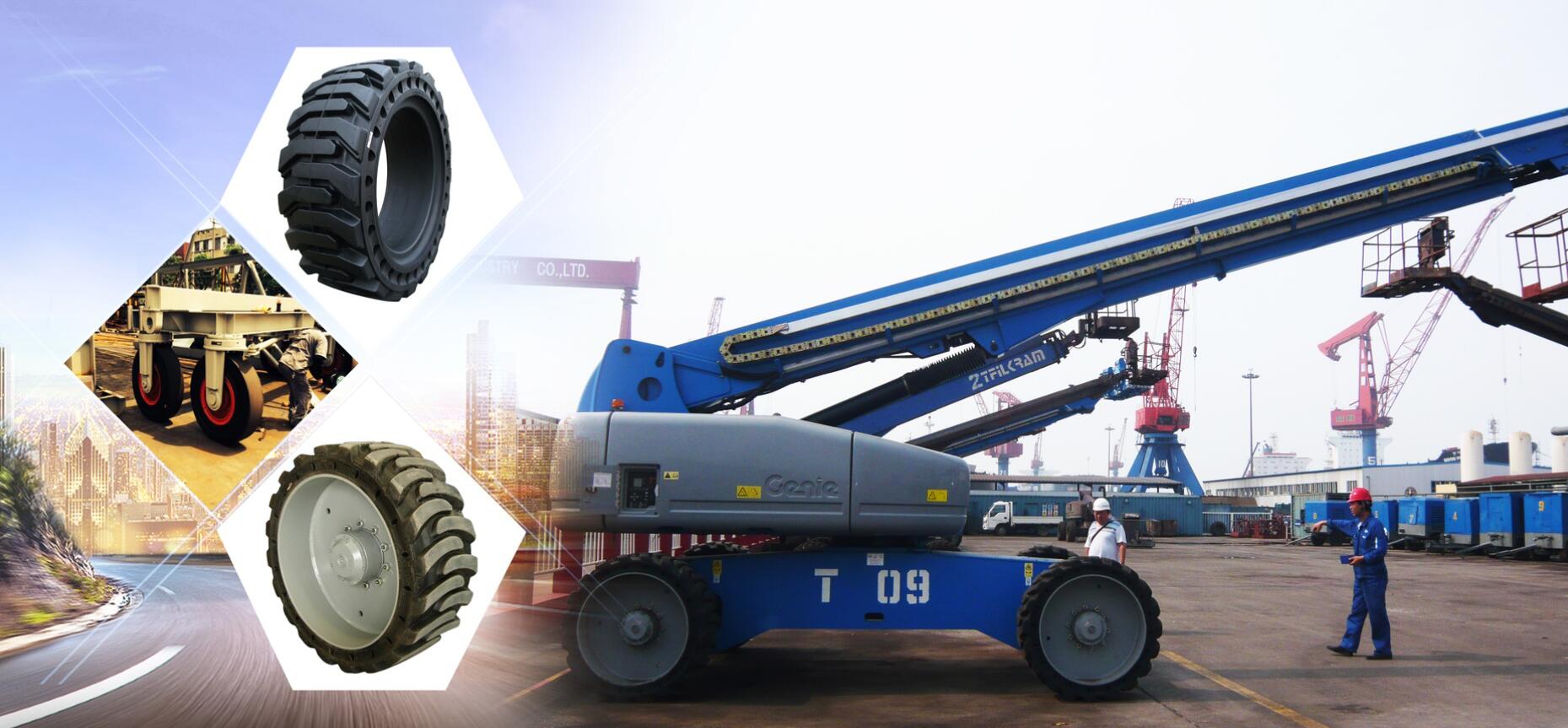
Heavy loads and harsh conditions require durable tires that can withstand constant stress without failure.
● Recycling and Waste Management
Sharp debris makes pneumatic tires highly vulnerable, while solid tires ensure uninterrupted operation.
● Manufacturing Plants
Stable indoor performance improves precision handling and reduces the risk of product damage.
Common Misconceptions About Solid Tires
Despite their advantages, some misconceptions still influence purchasing decisions.
● “They are too rigid”
While solid tires are firmer than pneumatic ones, modern designs include cushioning layers that improve comfort without sacrificing durability.
● “They cost too much upfront”
Initial costs may be higher, but the reduction in downtime and maintenance often results in a lower total cost over time.
● “They are only for indoor use”
In reality, many solid tires are designed specifically for outdoor and heavy-duty environments.
Strategic Approach to Tire Upgrades
Switching to solid tires should be part of a broader operational strategy rather than a simple replacement decision.
Evaluate your current pain points, such as frequent tire failures, maintenance workload, or safety concerns. Then align your tire selection with these operational challenges to ensure measurable improvements.
Testing different tire types on a small portion of your fleet can also help validate performance before full-scale implementation.
Conclusion
Forklift solid tires are not just a durable alternative—they are a strategic investment in operational efficiency and cost control. By eliminating common failure points associated with pneumatic tires, they enable smoother workflows, better resource allocation, and improved safety outcomes.
For businesses aiming to optimize performance in demanding environments, solid tires offer a reliable path toward reducing hidden costs and achieving long-term operational stability.
FAQ
1. What is the main cost advantage of forklift solid tires?
The primary advantage lies in reduced downtime and maintenance, which significantly lowers total operating costs over time.
2. Are solid tires suitable for electric forklifts?
Yes, especially press-on solid tires, which are widely used in electric forklifts operating in warehouses.
3. Do solid tires require any maintenance at all?
They require minimal maintenance, mainly periodic inspections for wear and damage.
4. How do I know when to switch from pneumatic to solid tires?
If your operations frequently experience punctures, downtime, or high maintenance costs, it is a strong indication that solid tires may be a better option.