

Hot Metal Ladle Truck: Essential Equipment for Safe and Efficient Molten Metal Transport
In modern steel plants and foundries, the transportation of molten metal is one of the most critical and high-risk processes. Moving liquid iron or steel at extremely high temperatures requires specialized equipment that ensures safety, precision, and reliability. This is where the hot metal ladle truck plays a vital role.
Designed to handle extreme heat, heavy loads, and continuous operation, hot metal ladle trucks are indispensable in metallurgical production lines. This article explores their structure, working principles, key features, and why they are essential for efficient and safe operations.
What Is a Hot Metal Ladle Truck
A hot metal ladle truck is a heavy-duty transport vehicle specifically engineered to carry molten metal contained in ladles. These trucks are typically used in steel mills, ironmaking plants, and casting facilities to move hot metal from furnaces to converters, casting lines, or refining units.
Unlike standard industrial vehicles, ladle trucks must operate under extreme conditions, including:
● Temperatures exceeding 1,500°C
● Extremely heavy loads of molten metal
● Harsh environments with slag, dust, and debris
● Continuous multi-shift operation
Because of these challenges, ladle trucks are built with reinforced structures and heat-resistant components.
Key Structural Components
The design of a hot metal ladle truck focuses on strength, stability, and heat protection. Its main components include:
● Heavy-duty chassis designed for high load capacity
● Ladle support system for secure positioning
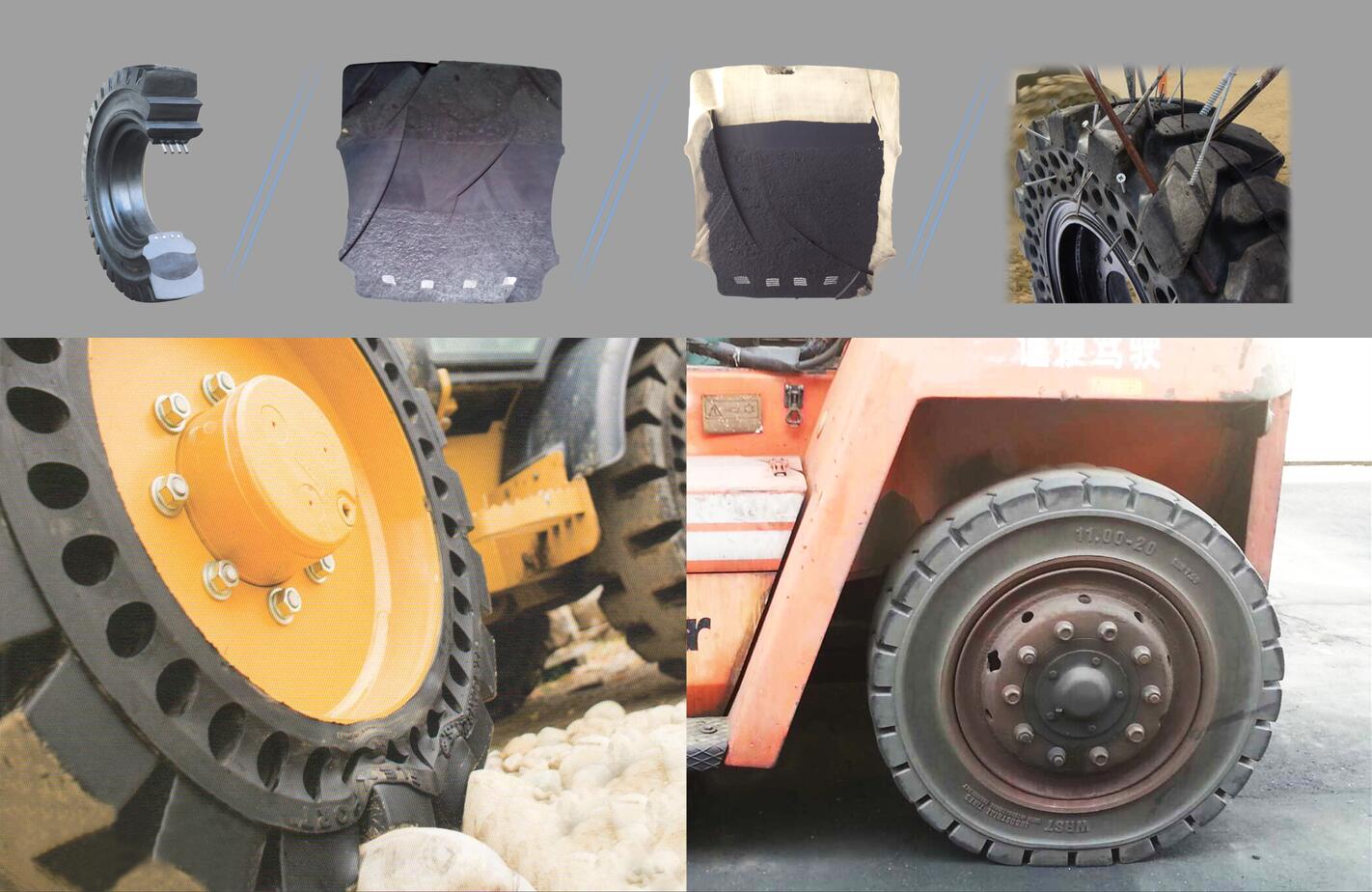
● Heat-resistant wheels or solid tires
● Drive and braking system adapted for extreme conditions
● Control system for precise movement and positioning
Each component is engineered to ensure safe handling of molten metal during transport.
Working Principle of Ladle Trucks
The operation of a hot metal ladle truck is straightforward but requires precision.
The ladle filled with molten metal is placed onto the truck using overhead cranes or lifting systems. Once secured, the truck transports the ladle along designated routes within the plant.
During operation:
● The truck maintains controlled speed to prevent splashing
● The braking system ensures smooth stopping
● The structure minimizes vibration and movement
● Operators or automated systems guide positioning
This controlled movement is essential to maintain safety and prevent accidents.
Importance of Heat Resistance
One of the most critical features of a hot metal ladle truck is its ability to withstand extreme temperatures.
Heat-resistant design includes:
● Special coatings to protect structural components
● Insulated areas to reduce heat transfer
● High-temperature resistant tires or wheels
● Components designed to resist thermal deformation
Without proper heat resistance, equipment failure could occur, leading to serious safety risks.
Load Capacity and Stability
Transporting molten metal requires exceptional load-bearing capacity. Ladle trucks are designed to carry massive weights while maintaining stability.
Key advantages include:
● Reinforced frame for heavy-duty applications
● Low center of gravity to improve balance
● Stable wheel configuration for smooth transport
● Even load distribution to reduce stress
This stability ensures safe operation even when carrying large volumes of molten material.
Safety Features in Modern Ladle Trucks
Safety is the top priority in metallurgical operations. Modern ladle trucks incorporate multiple safety features to minimize risks.
● Emergency braking systems for immediate stopping
● Heat shields to protect operators and equipment
● Anti-slip and anti-vibration design
● Remote control or automated operation options
These features help reduce human exposure to hazardous conditions.
Applications in Metallurgical Processes
Hot metal ladle trucks are used in various stages of metal production.
● Transporting molten iron from blast furnaces
● Moving steel to refining or casting processes
● Supporting continuous casting operations
● Handling slag or other high-temperature materials
Their versatility makes them a key component in metallurgical logistics.
Advantages Over Alternative Transport Methods
Compared to other transport systems, ladle trucks offer several benefits.
● Flexible movement within plant layouts
● Lower infrastructure requirements than rail systems
● Easier integration with existing workflows
● High efficiency in short-distance transport
These advantages make them a practical solution for many facilities.
Key Considerations When Choosing a Ladle Truck
Selecting the right hot metal ladle truck requires careful evaluation of operational needs.
● Load capacity based on ladle size
● Operating environment and temperature levels
● Distance and transport frequency
● Compatibility with plant layout
● Safety and control requirements
Choosing the correct specifications ensures optimal performance and safety.
Product Selection Recommendations
For metallurgical operations, investing in high-quality ladle trucks is essential. Equipment should be designed with advanced heat-resistant materials, reinforced structures, and reliable control systems.
Working with experienced manufacturers ensures customized solutions that meet specific production requirements, improving both safety and efficiency.
Conclusion
Hot metal ladle trucks are a critical component in metallurgical operations, ensuring the safe and efficient transport of molten metal under extreme conditions. Their durability, stability, and advanced safety features make them indispensable for modern steel production.
By selecting the right ladle truck and aligning it with operational requirements, businesses can improve safety, reduce downtime, and achieve higher production efficiency in demanding industrial environments.
FAQ
Q1: What industries use hot metal ladle trucks?
They are primarily used in steel plants, foundries, and metal processing industries.
Q2: How do ladle trucks handle extreme temperatures?
They are built with heat-resistant materials and protective designs to withstand high temperatures.
Q3: Are ladle trucks suitable for continuous operation?
Yes, they are designed for multi-shift and 24/7 operations in industrial environments.
Q4: Can ladle trucks be automated?
Modern ladle trucks can be equipped with automated or remote control systems for enhanced safety.