

Forklift Solid Tires vs Pneumatic Tires: How to Choose the Right Solution for Your Operation
Selecting the right forklift tire is not just a technical decision—it directly affects productivity, safety, and long-term operating costs. In industries where equipment runs continuously and downtime is costly, choosing between Forklift Solid Tires and pneumatic tires becomes a strategic decision.
This article takes a comparative and decision-making approach, helping B2B buyers clearly understand when and why forklift solid tires are the better option.
Why Tire Selection Matters More Than You Think
Forklifts operate in environments where stability, durability, and reliability are critical. Tires are the only point of contact between the machine and the ground, meaning their performance directly influences handling, safety, and efficiency.
A poor tire choice can lead to frequent maintenance, reduced load stability, and even safety risks. On the other hand, the right tire can significantly improve workflow and reduce unexpected interruptions.
Understanding Forklift Solid Tires
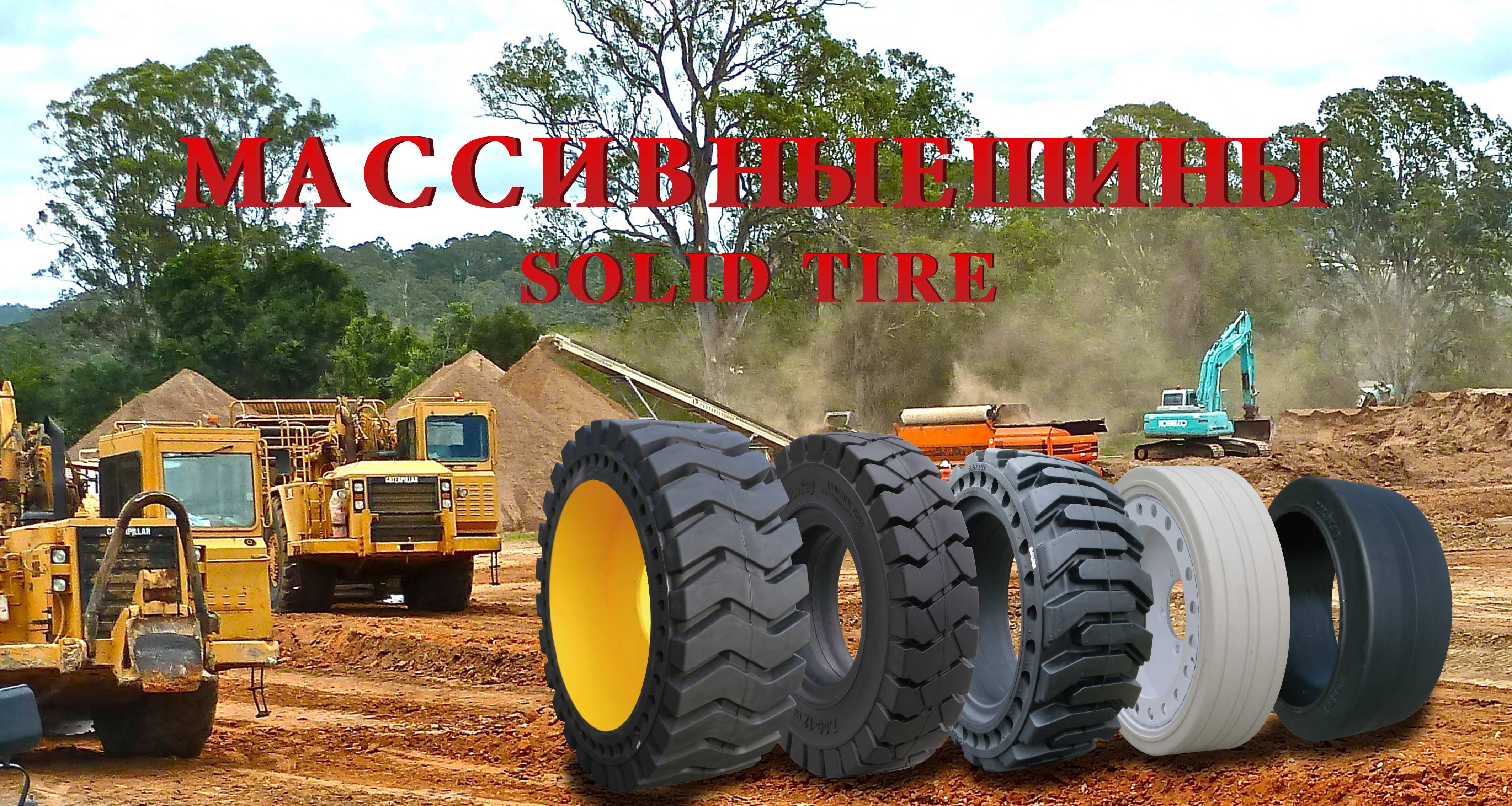
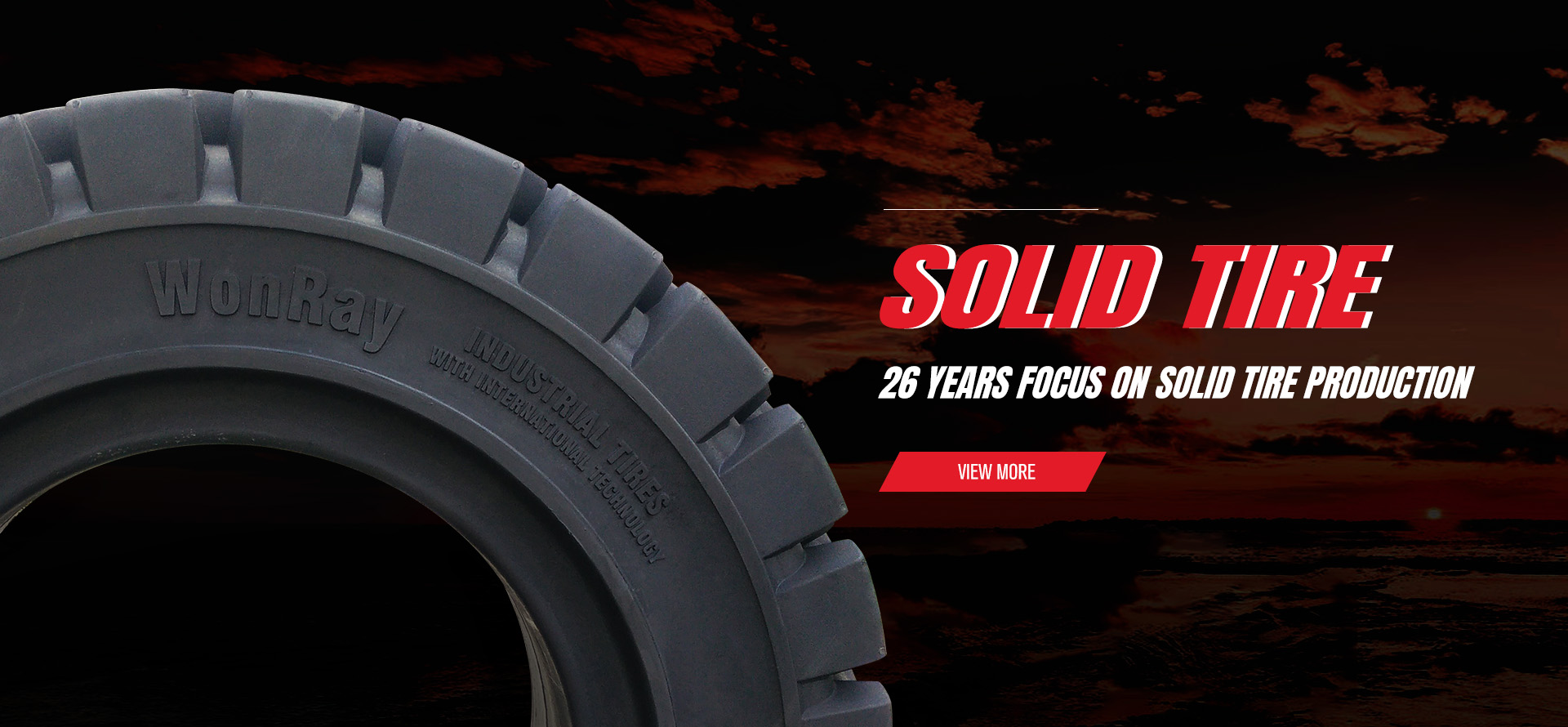
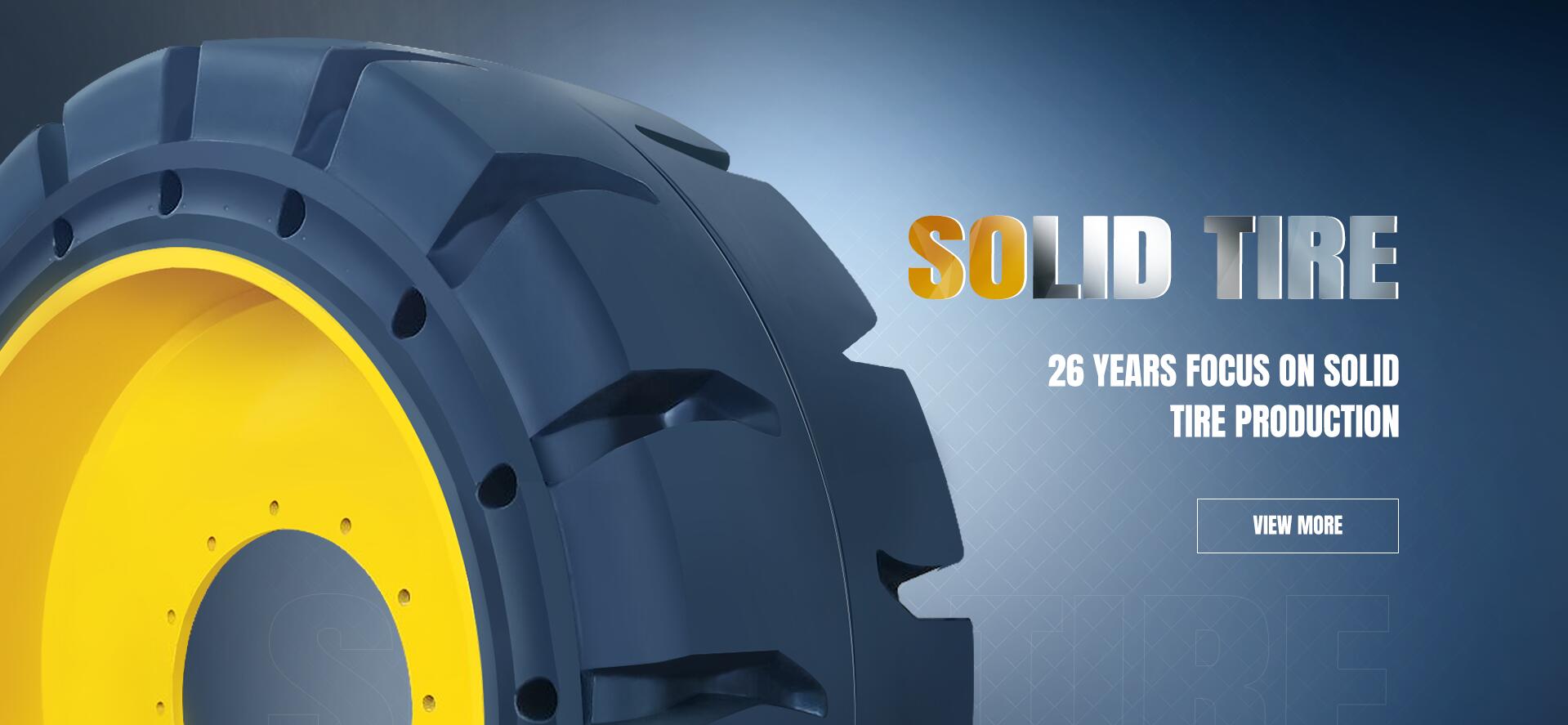
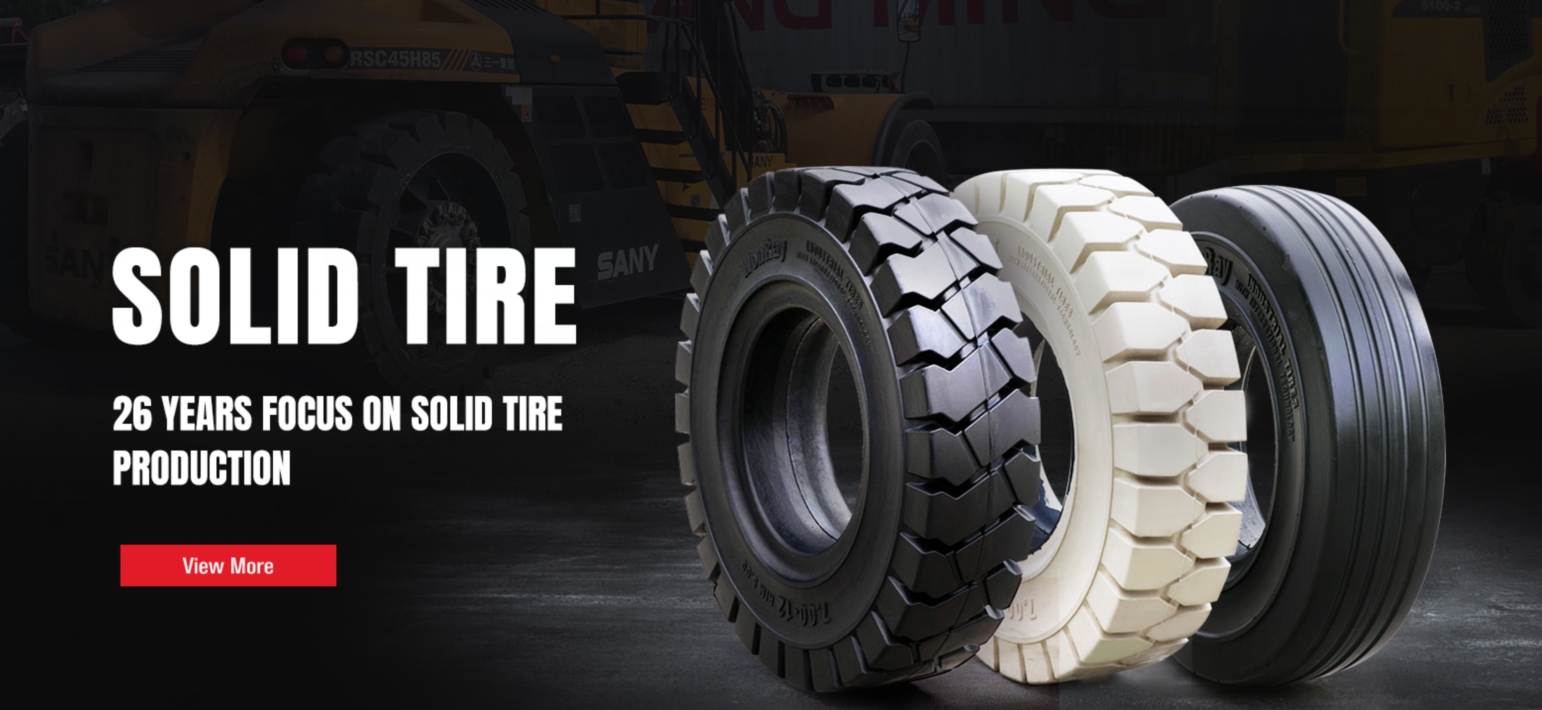
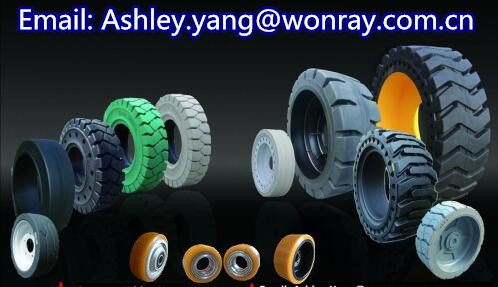
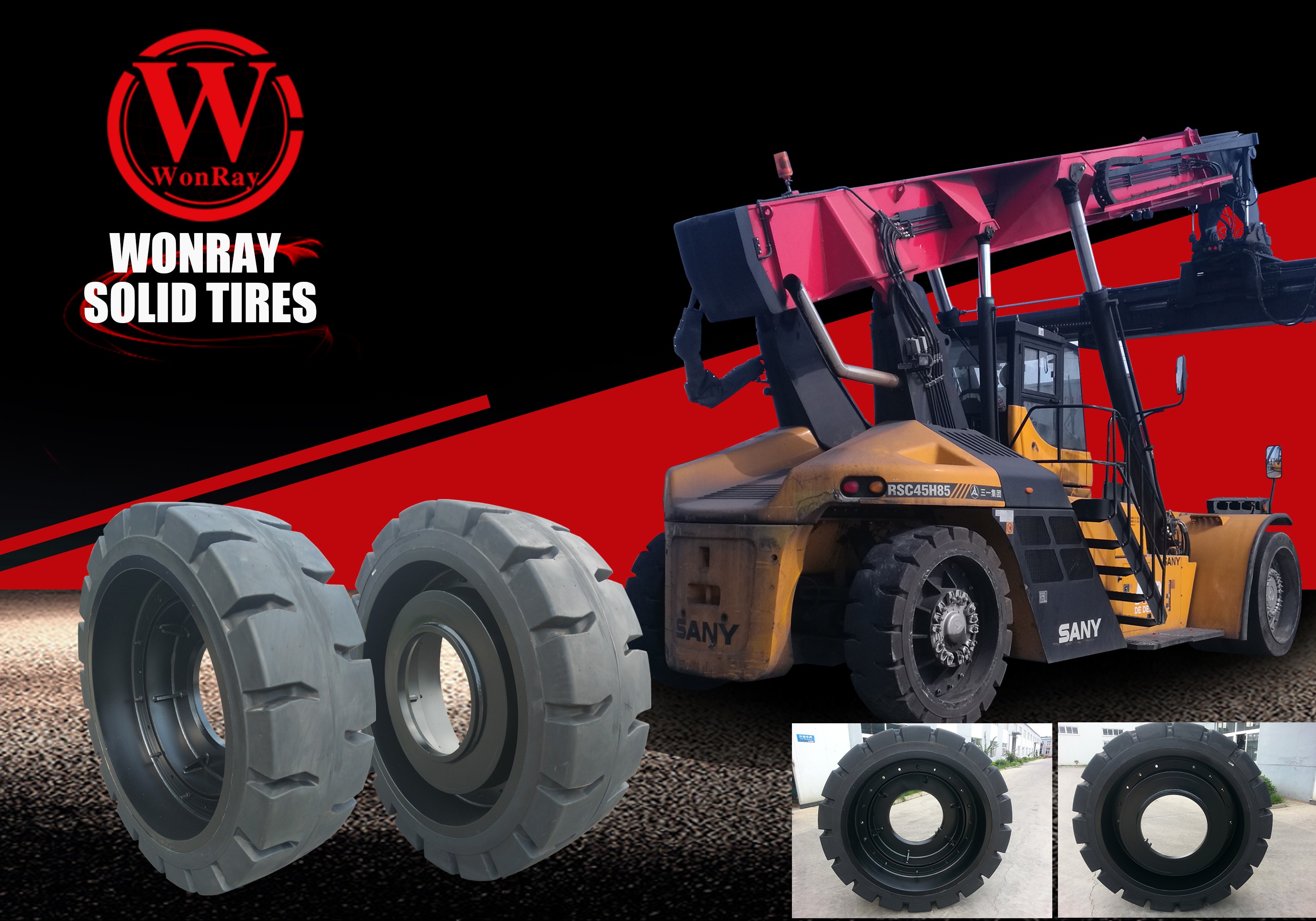
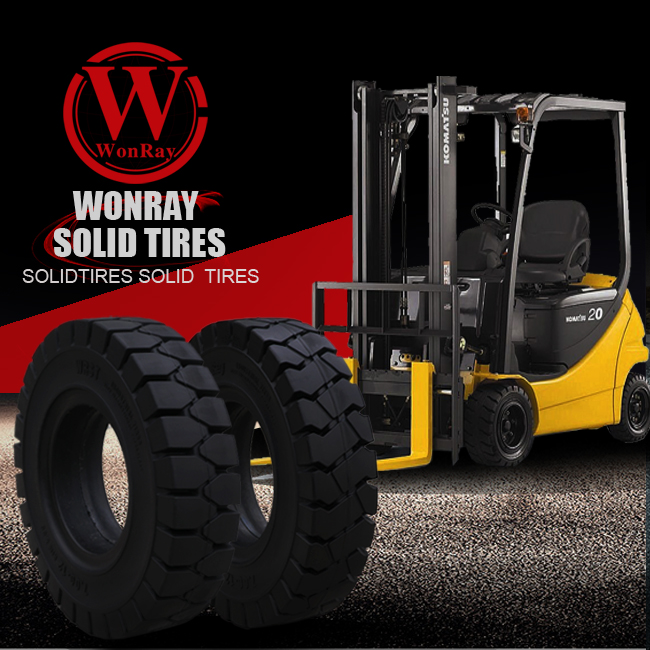
Forklift solid tires are made from high-density rubber compounds and contain no air cavity. This means they are completely puncture-proof and require minimal maintenance.
They are designed for environments where sharp objects, heavy loads, and continuous operation are common. Their structure ensures consistent performance without the variability caused by air pressure changes.
Because of their solid construction, these tires offer superior resistance to wear and external damage, making them highly reliable in demanding conditions.
When Pneumatic Tires Still Make Sense
While solid tires offer many advantages, pneumatic tires are still widely used in certain applications. They are filled with air and provide better shock absorption, making them suitable for uneven outdoor terrain.
For example, in agricultural fields or rough construction sites with significant surface variation, pneumatic tires can improve operator comfort and reduce vibration.
However, this benefit comes at the cost of higher maintenance and increased risk of punctures.
Key Differences That Impact Performance
Understanding the practical differences between these two tire types helps businesses make better decisions.
● Solid tires eliminate puncture risks and reduce downtime
● Pneumatic tires provide better cushioning on uneven surfaces
● Solid tires require minimal maintenance compared to pneumatic options
● Pneumatic tires are more sensitive to load and pressure changes
● Solid tires offer better stability for lifting heavy loads
These differences highlight why solid tires are often preferred in controlled environments.
How Solid Tires Improve Safety in the Workplace
Safety is a top priority in any material handling operation. Forklift solid tires contribute to safer working conditions in several ways.
● Stable structure reduces tipping risk during lifting
● Consistent traction minimizes slippage
● No sudden air loss prevents unexpected equipment failure
● Reliable performance supports operator confidence
In high-density warehouse environments, where precision and control are critical, these safety benefits are particularly valuable.
Cost Comparison Over Time
While pneumatic tires may appear more affordable initially, the long-term costs often tell a different story.
● Solid tires reduce maintenance labor and repair costs
● Fewer replacements are needed due to higher durability
● Downtime-related losses are significantly minimized
● Floor damage is often reduced in indoor environments
When calculating total cost of ownership, solid tires frequently deliver better value, especially in industrial applications.
Best Use Cases for Forklift Solid Tires
Forklift solid tires are ideal for operations that require consistency and durability.
● Indoor warehouses with smooth flooring
● Logistics centers with continuous equipment use
● Manufacturing plants with heavy load handling
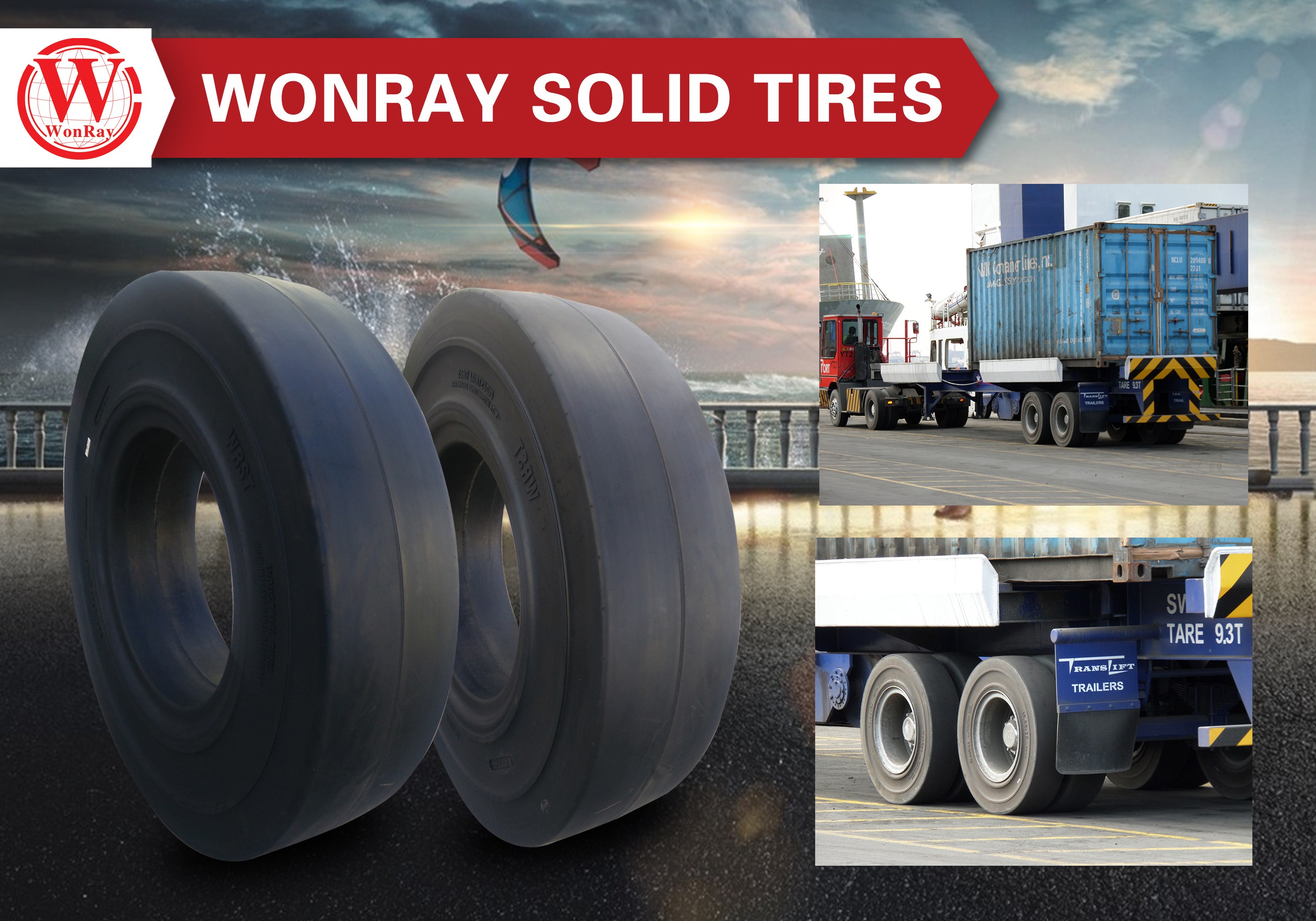
● Ports and terminals with demanding workloads
● Recycling facilities with debris-prone environments
In these scenarios, reliability and uptime are more important than cushioning, making solid tires the preferred solution.
How to Choose the Right Tire for Your Operation
Making the right decision requires evaluating your specific operational needs.
● Analyze working environment (indoor vs outdoor)
● Consider load capacity and usage frequency
● Evaluate maintenance capabilities and resources
● Assess cost priorities (short-term vs long-term)
Consulting with a professional supplier can help match the right tire type to your operational goals.
Product Selection Recommendations
For businesses focused on maximizing uptime and reducing operational risks, forklift solid tires are a strong investment. Look for products with advanced rubber compounds, reinforced structures, and proven performance records.
Choosing a reliable supplier ensures consistent product quality and access to technical support, which is essential for long-term success.
Conclusion
Forklift solid tires offer a powerful combination of durability, stability, and low maintenance, making them the ideal choice for demanding industrial environments. While pneumatic tires still have their place in specific outdoor applications, solid tires clearly excel in scenarios where reliability and efficiency are critical.
By understanding your operational needs and choosing the right tire solution, you can improve safety, reduce costs, and achieve higher productivity across your material handling operations.