
Cushion Forklift Tire: Understanding Its Role in Tight-Space Material Handling
Warehouses, distribution centers, and manufacturing facilities often need to move materials through narrow aisles, restricted loading zones, and compact storage areas. In these environments, forklift maneuverability directly affects how efficiently operators can position loads and navigate around obstacles. Tire selection is an important part of this process because it influences steering response, ground contact, and the overall dimensions of the vehicle.
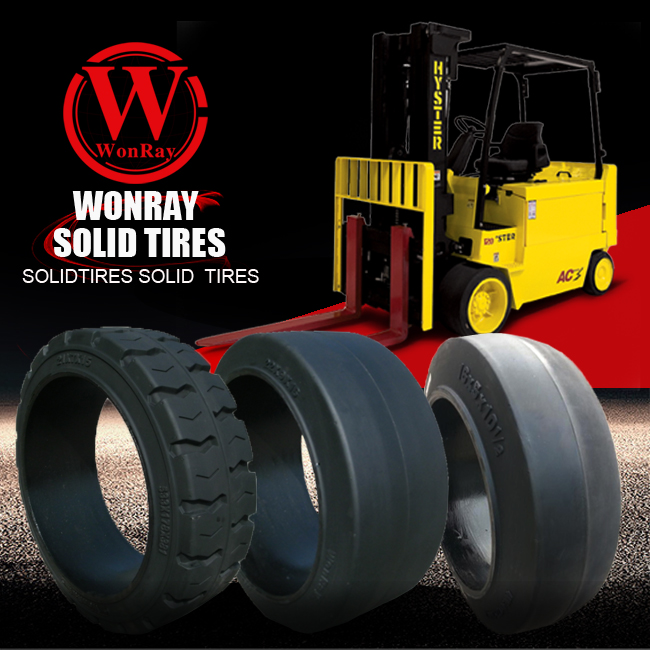
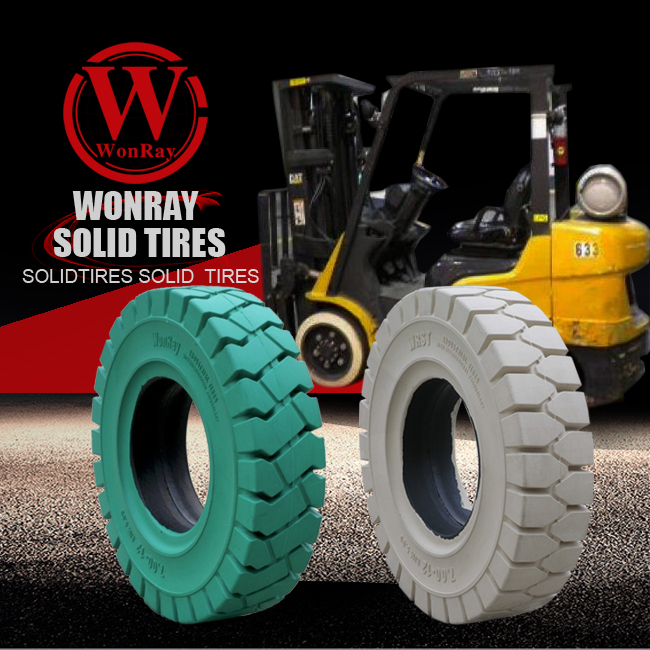
A Cushion Forklift Tire is commonly used on forklifts designed for indoor operation and relatively smooth surfaces. Its compact construction makes it suitable for applications where space is limited and precise vehicle movement is important. Understanding how these tires interact with forklift design and working conditions helps operators make better equipment decisions.
Why Tight-Space Operations Require Different Tire Considerations
Material handling in confined areas involves more than simply moving a forklift forward and backward. Operators may need to turn around storage racks, approach pallets from different angles, reverse out of narrow aisles, and position loads close to production equipment.
These movements place repeated demands on the steering system and tires. During a tight turn, the tires experience lateral forces as they maintain contact with the floor. If the tire dimensions or characteristics are unsuitable, steering response and vehicle handling may become less predictable.
Forklift design also matters. Cushion Tire Forklifts generally have a compact chassis and are often selected for indoor environments. Their smaller overall configuration can support operation in restricted spaces, although the actual turning radius depends on the forklift model, wheelbase, steering geometry, and tire specifications.
Choosing the right Cushion Forklift Tire therefore requires considering the complete vehicle rather than treating the tire as an independent component.
How Cushion Tires Support Maneuverability
Cushion tires are designed with a rubber structure that fits directly onto a wheel assembly. Unlike pneumatic tires, they do not rely on an air-filled casing. This construction allows them to maintain a relatively compact profile, which is one reason they are widely used on indoor forklifts.
In confined working areas, several characteristics are particularly relevant.
Compact dimensions and vehicle clearance
Cushion tires are generally associated with forklifts designed for smooth, hard floors and indoor material handling. Their dimensions can help maintain a compact vehicle configuration. However, tire diameter and width must remain within the forklift manufacturer's specifications because changing them can affect ground clearance, axle loading, and vehicle geometry.
Steering response during frequent turns
Forklifts working in narrow aisles often perform repeated steering adjustments. Tire contact with the floor influences how the vehicle responds during these movements. A suitable rubber compound and tread design can help maintain predictable contact under normal operating conditions.
Consistent ground contact
A properly fitted tire supports stable contact between the forklift and the floor. This is important when positioning pallets, approaching storage racks, or carrying loads through narrow passages. Uneven wear or incorrect tire dimensions may affect handling and should be addressed during maintenance.
Common Tight-Space Applications
The suitability of a Cushion Forklift Tire becomes clearer when considering the environments where compact forklifts are commonly used.
Warehouse aisles and storage areas
Warehouses often use closely spaced racks to maximize storage capacity. Forklifts must navigate these aisles while maintaining sufficient clearance from shelving, stored goods, and other vehicles. Cushion tires are suitable for many indoor warehouse applications because they are designed for smooth, hard surfaces.
Manufacturing and assembly facilities
Production facilities frequently require materials to be transported between workstations, assembly lines, and temporary storage points. The available space may be limited by machinery, work areas, and pedestrian routes. A compact forklift equipped with appropriately specified cushion tires can support frequent positioning movements in these environments.
Retail distribution and loading areas
Distribution centers may handle pallets, cartons, and packaged goods in areas where vehicles need to turn frequently. Cushion tire forklifts can be useful on suitable indoor floors, particularly when operations involve short travel distances and repeated load placement.
However, these applications still require adequate aisle width, safe turning clearance, and proper traffic management. Tire selection cannot compensate for insufficient workspace or unsuitable vehicle dimensions.
Choosing the Right Tire Specifications
Not every cushion tire is appropriate for every forklift. Even when two tires appear similar, differences in dimensions, compound, and construction can influence equipment performance.
Several specifications should be checked before selecting a replacement:
-
Tire dimensions: Confirm the required diameter and width to maintain compatibility with the wheel assembly and forklift design.
-
Load capacity: Consider the forklift's rated capacity, axle loads, and actual load distribution during operation.
-
Rubber compound: Different compounds may offer different balances of wear resistance, traction, and floor protection.
-
Tread pattern: Smooth and traction-style tread designs serve different floor conditions and operating requirements.
-
Operating environment: Evaluate floor material, contamination, temperature, turning frequency, and daily working intensity.
A Cushion Forklift Tire should be selected according to the manufacturer's specifications and the actual working conditions. Installing a tire with an unsuitable diameter or load rating may affect equipment clearance, stability, and service life.
Managing Tire Wear in Confined Working Areas
Frequent turning is a normal part of tight-space material handling, but repeated steering movements can create uneven stress across the tire surface. Certain areas of the tread may experience greater friction, especially when forklifts make sharp turns on high-grip concrete floors.
Incorrect driving habits can increase this stress. Rapid acceleration, abrupt braking, turning at excessive speeds, and carrying loads beyond the rated capacity may accelerate tire deterioration.
Regular inspection helps identify problems before they affect daily operations. Maintenance teams should check for uneven tread wear, cuts, cracking, chunking, and signs of overheating. They should also investigate whether repeated wear occurs in the same operating area, as this may indicate unsuitable driving practices or floor conditions.
When a tire needs replacement, matching its original specifications is essential. Substituting a different size or compound without checking compatibility may change the forklift's handling characteristics.
Improving Material Handling Efficiency Through Proper Matching
A well-matched tire contributes to more predictable forklift operation, but maneuverability depends on several components working together. Steering geometry, wheelbase, vehicle dimensions, operator experience, and aisle layout all influence how effectively a forklift moves through confined areas.
For facilities reviewing their tire options, the selection process should begin with the forklift model and its intended application. Tire dimensions, load requirements, floor conditions, and operating frequency should then be evaluated together.
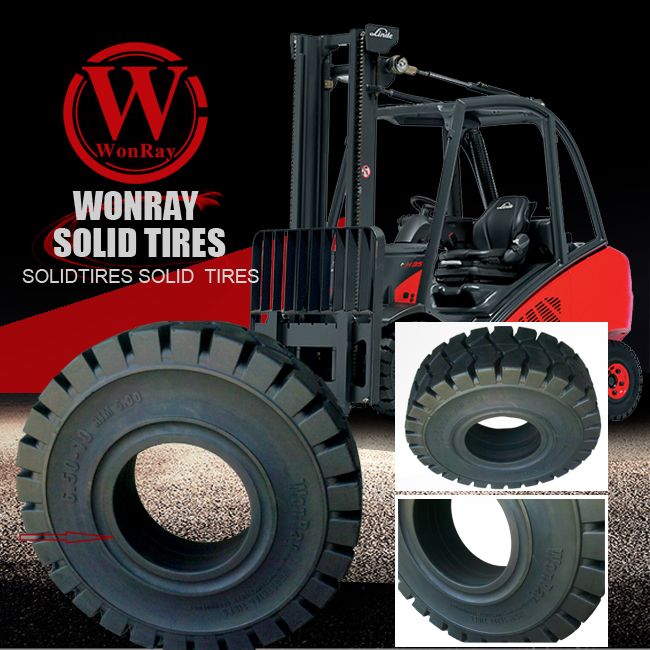
WonRay's industrial solid tire solutions can be considered when assessing replacement options for different forklift applications. Matching the tire structure and specifications to the equipment helps support consistent operation while avoiding problems caused by unsuitable replacements.
Conclusion
Tight-space material handling requires forklifts that can turn, position loads, and move through restricted areas with predictable control. A Cushion Forklift Tire supports these operations through its compact construction and suitability for smooth indoor surfaces. However, its performance depends on correct dimensions, load compatibility, rubber compound, and operating conditions. Selecting tires according to the complete forklift design is essential for maintaining maneuverability and reliable daily operation.
FAQs
1. Are cushion tires suitable for narrow warehouse aisles?
Yes. They are commonly used on compact indoor forklifts, provided the vehicle dimensions and aisle layout are appropriate.
2. Can cushion tires be used on rough outdoor surfaces?
They are generally intended for smooth, hard surfaces. Rough outdoor terrain may require a different tire design.
3. Does changing cushion tire size affect forklift maneuverability?
Yes. Tire dimensions can influence ground clearance, vehicle geometry, and handling. Replacement sizes should follow manufacturer specifications.
4. Why do cushion forklift tires wear unevenly?
Frequent sharp turns, excessive loads, abrupt braking, unsuitable floor conditions, and incorrect tire specifications can all contribute to uneven wear.