



News
How Do Warehouse Forklift Tires Improve Daily Handling Efficiency?
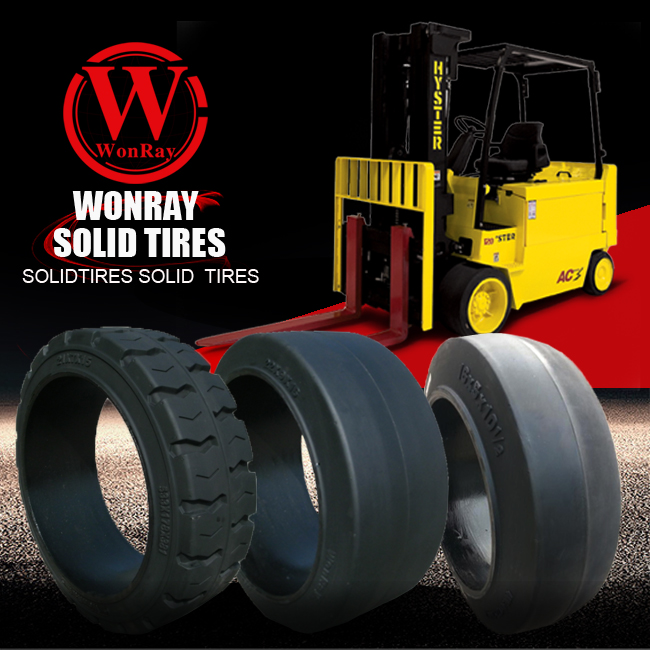
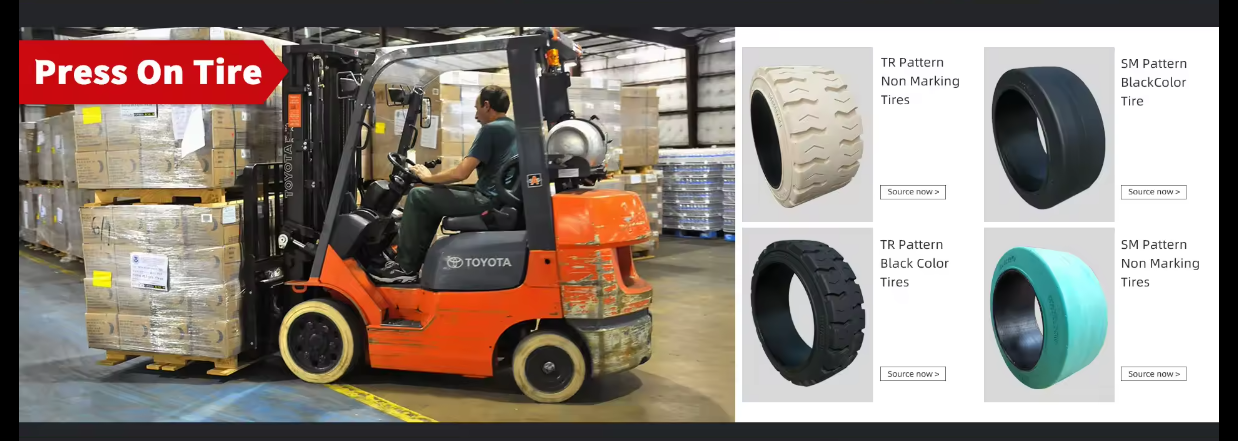
Warehouse Forklift Tires support stable indoor movement, cleaner floors, predictable maintenance and efficient pallet handling in busy warehouses and logistics centers.

How Do Wheel Loader Solid Tires Improve Load Stability in Heavy-Duty Material Handling?
Wheel Loader Solid Tires support stable heavy-load movement, puncture resistance, and predictable tire life for loaders working in ports, yards, factories, and recycling sites.

Why Do Skid Steer Loader Solid Tires Perform Better in Scrap Yards and Rough Worksites?
Skid Steer Loader Solid Tires help skid steers reduce punctures, resist side-force damage, and maintain stable work in scrap yards, construction sites, and industrial yards.
Non-Pneumatic Tires: Why Are Airless Tires Useful in Industrial Worksites?
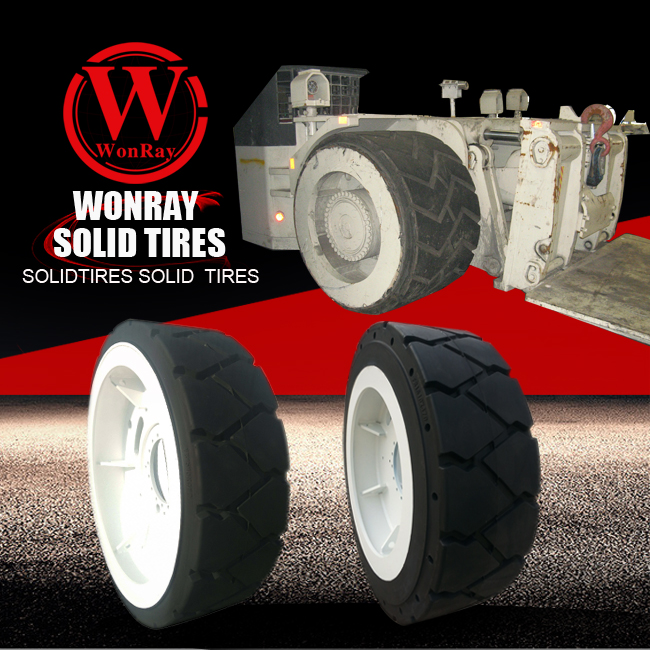
Non-Pneumatic Tires reduce air-loss failures and support forklifts, loaders, trailers and industrial vehicles working in puncture-prone and high-load environments.

Solid Forklift Tires: How Do They Improve Warehouse and Factory Handling?
Solid Forklift Tires support stable lifting, lower puncture risk and reduce maintenance for forklifts working in warehouses, factories and industrial yards.
Why Do Heavy-Duty Solid Tires Matter for Machines Working Under High Loads?
Heavy-Duty Solid Tires are industrial tires designed for equipment that works under high load, frequent impact, rough ground, and long operating hours. They are commonly used on heavy-duty forklifts, skid steer loaders, wheel loaders, industrial trailers, port vehicles, recycling yard machines, steel mill equipment, and other site-based vehicles that need stronger tire support than ordinary pneumatic tires can provide. Because these tires use a solid rubber structure instead of an air-filled chamber, they can reduce puncture risk, avoid sudden air loss, and help machines keep working in harsh industrial environments.

What Makes Solid Rubber Tires Reliable for Industrial Vehicles Working Long Shifts?
Solid Rubber Tires are industrial non-pneumatic tires made from durable rubber compounds rather than air-filled chambers. They are designed for forklifts, industrial vehicles, warehouse trucks, trailers, port equipment, recycling yard machines and other vehicles that need stable movement under load. Because Solid Rubber Tires do not depend on air pressure, they are less affected by punctures, air leakage and daily pressure maintenance. This makes them suitable for sites where vehicles work long shifts and unplanned tire failure can interrupt production or material handling.
Can Solid Tires for Container Trailers Lower Downtime in Port Yards?
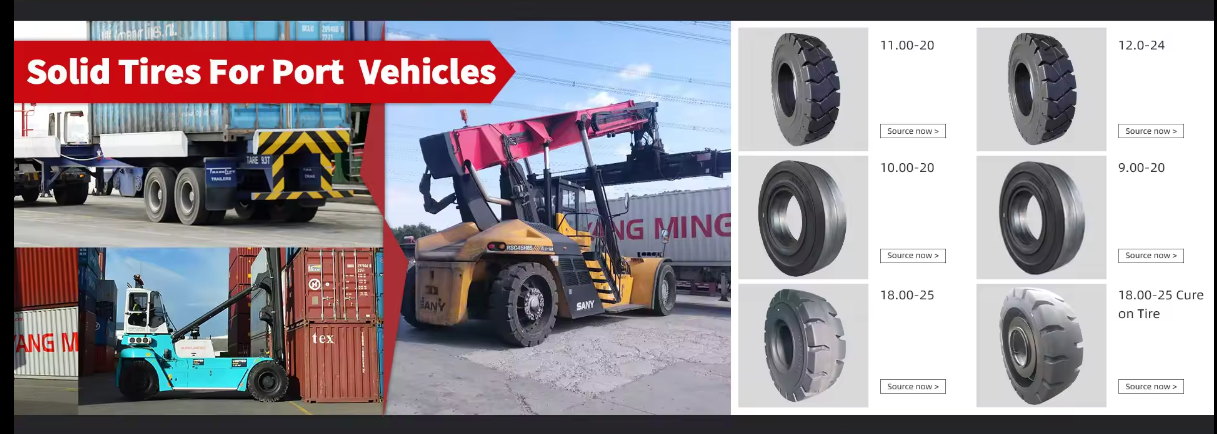
Solid Tires for container trailers are heavy-duty industrial tires used on container trailers, terminal trailers, cargo transfer trailers, port yard transport equipment, and logistics vehicles that move containers and heavy goods inside ports, shipping yards, warehouse terminals, and industrial loading areas. These tires are designed to support repeated load movement on hard surfaces while reducing puncture-related downtime. Because container trailers often work under continuous schedules, solid tires for container trailers can help improve fleet availability, maintenance planning, and cargo handling efficiency.

Why Are Non-Marking Airport Tires Needed for Ground Support Equipment?
Non-Marking Airport Tires are industrial tires designed for airport ground support equipment, baggage carts, service vehicles, aircraft tugs, terminal trailers, maintenance platforms, and other GSE vehicles that operate around airport terminals, runways, hangars, cargo areas, and passenger service zones. These tires are made to reduce black tire marks while still supporting load, movement stability, and daily airport operation. For airports, non-marking airport tires are important because equipment must work efficiently without damaging clean ground surfaces or creating unnecessary cleaning pressure.
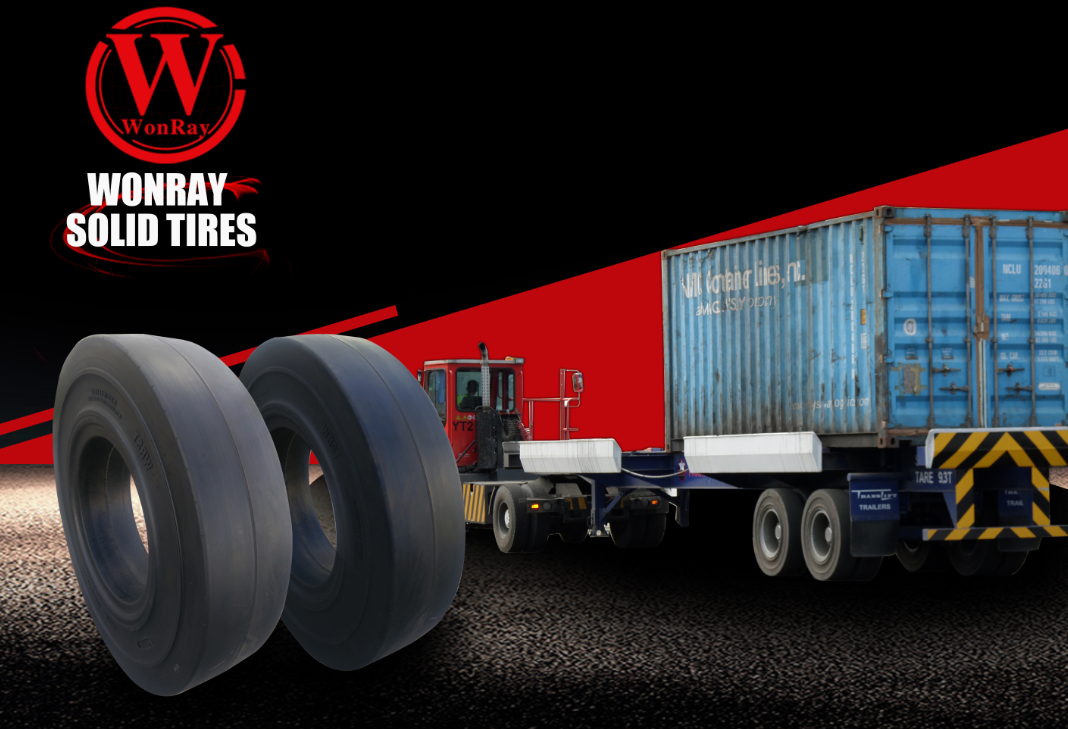
How Do Port Vehicle Solid Tires Improve Heavy-Duty Port Operations?
Port Vehicle Solid Tires are heavy-duty industrial tires designed for port vehicles, container handling equipment, terminal tractors, trailers, forklifts, reach stacker support vehicles, and other machines working in seaports, container yards, logistics terminals, and cargo handling areas. Unlike pneumatic tires, port vehicle solid tires do not rely on air pressure, so they can resist punctures, support heavy loads, and reduce downtime in demanding port environments. For equipment that moves containers, cargo, pallets, and industrial materials every day, tire reliability directly affects safety, working efficiency, and long-term operating cost.