




News
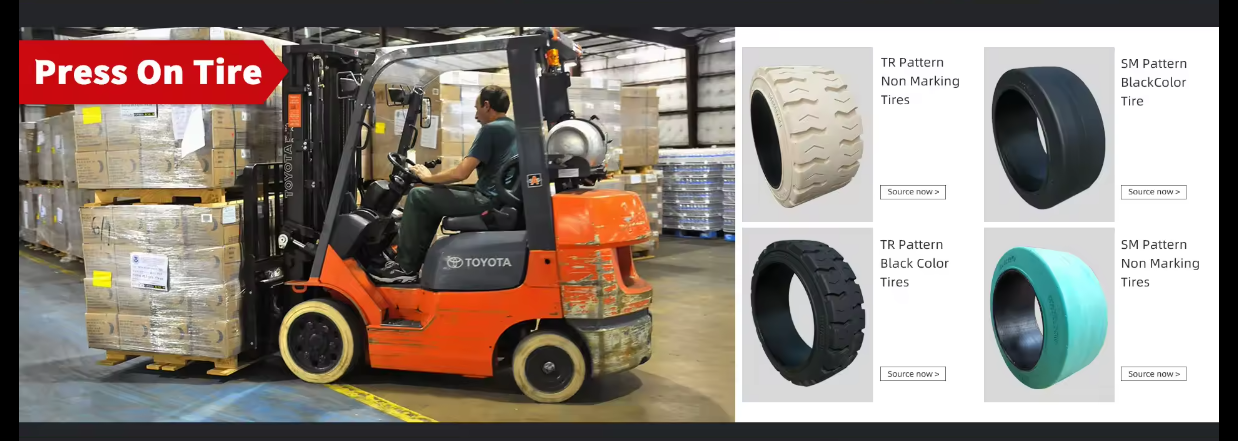
Industrial Wheels For Cold Storage That Stay Reliable in Low Temperatures
Industrial Wheels For Cold Storage are built to solve mobility problems that ordinary warehouse wheels may develop at low temperatures. Inside refrigerated rooms and frozen-storage areas, wheel materials become less flexible, lubricants thicken, condensation forms, and floors can become wet or slippery. A wheel that performs normally at room temperature may become noisy, difficult to steer, prone to cracking, or unstable under load after repeated exposure to cold.

Solid Tires for GSE: Reliable Mobility for Airport Ground Operations
Solid Tires for GSE are designed to keep airport ground support equipment moving through repetitive, time-sensitive work. Baggage carts, dollies, maintenance platforms, cargo-handling vehicles, service trailers, and other ground equipment operate close to aircraft, terminals, loading areas, and service roads. A tire failure in this environment does more than stop one vehicle. It can interrupt the movement of baggage, tools, cargo, or personnel across a tightly coordinated ground operation.

When Do Heavy Equipment Non-Pneumatic Tires Prevent the Most Downtime?
Explore how Heavy Equipment Non-Pneumatic Tires manage puncture risk, load, heat, traction, debris, and continuous operation in demanding industrial environments.

Why Are White Rubber Tires For Clean Rooms More Than a Color Choice?
Learn how White Rubber Tires For Clean Rooms support floor protection, contamination control, cleaning compatibility, low marking, stable loads, and indoor mobility.
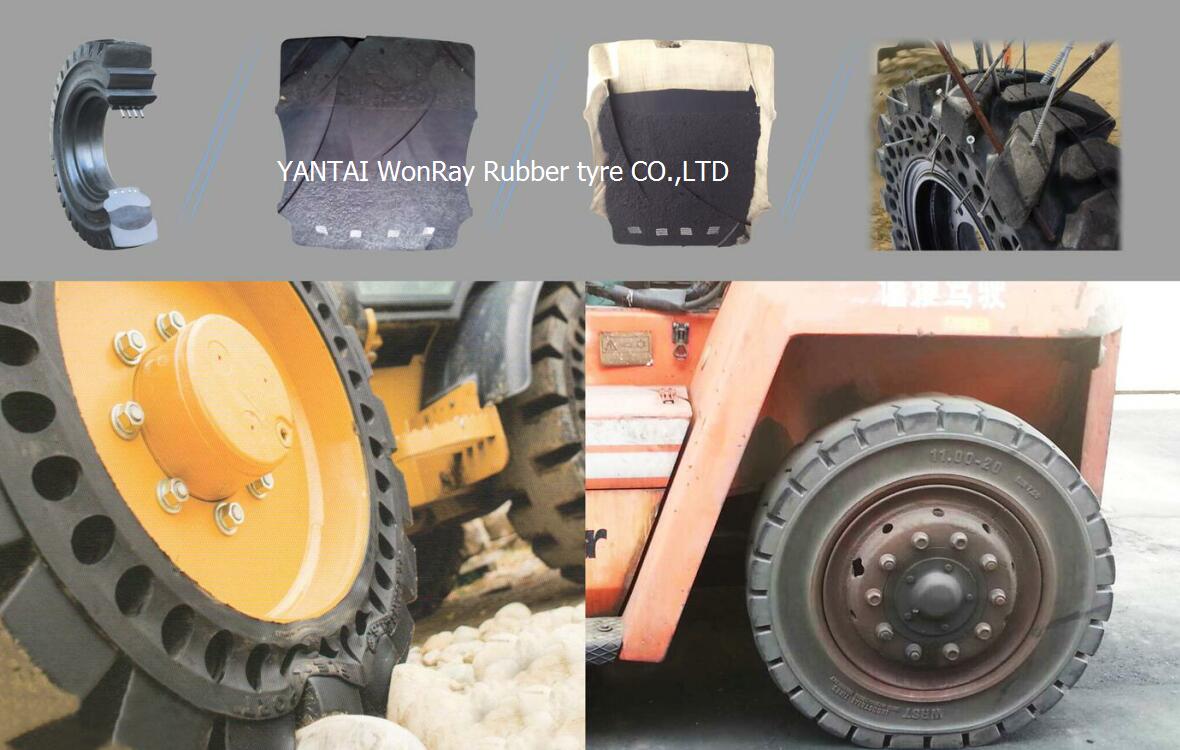
How Should Rubber Tires For Foundries Be Matched to Heat, Metal Debris, and Heavy Loads?
Rubber Tires For Foundries are used on forklifts, industrial carts, loaders, transfer vehicles, and other mobile equipment operating around casting, mold handling, metal preparation, finishing, and material storage. Foundry tire service can involve radiant heat, hot floor zones, sharp metal fragments, sand, dust, heavy loads, and repeated short travel cycles. A tire that fits the rim but is not matched to the exposure can harden, crack, tear, overheat, lose traction, or fail at the base.

When Are Oil-Resistant Industrial Tires Necessary for Industrial Equipment?
Oil-Resistant Industrial Tires are designed for industrial vehicles that repeatedly operate around lubricants, hydraulic fluids, cutting oils, grease, fuel residue, or other petroleum-based contamination. In solid tire applications, the purpose of an oil-resistant rubber formulation is to maintain more stable hardness, dimensions, surface strength, and traction than a standard compound under the specified exposure conditions.

How Can Solid Tires For Scrap Yards Reduce Downtime in Debris-Filled Operations?
Solid Tires For Scrap Yards are used on forklifts, wheel loaders, skid steer loaders, industrial trailers, material handlers, and other vehicles working around metal fragments, wire, glass, sharp edges, compacted waste, and mixed outdoor surfaces. Their main advantage is straightforward: because they contain no compressed air, they cannot be disabled by a puncture or sudden pressure loss.
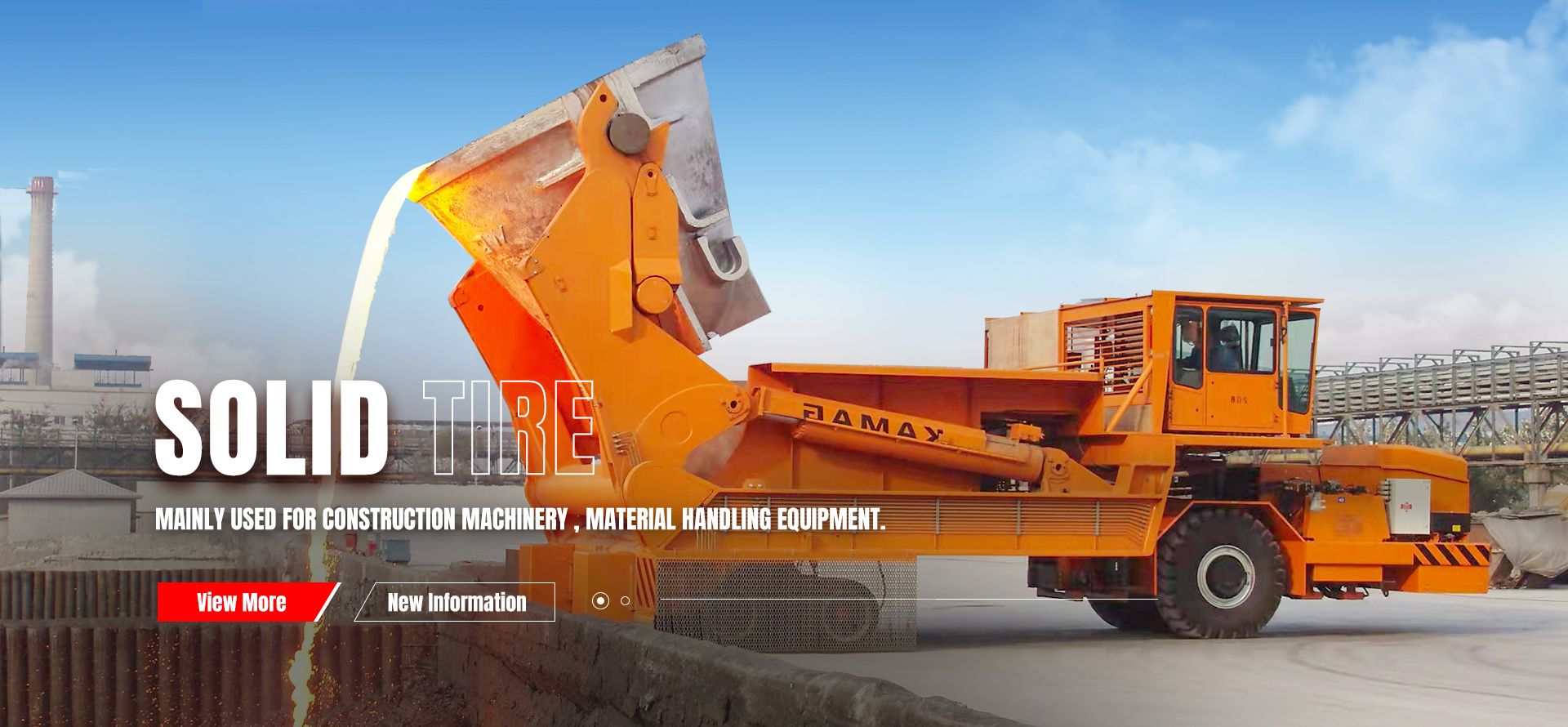
Why Can Heat-Resistant Steel Mill Tires Still Fail in High-Temperature Operations?
Heat-Resistant Steel Mill Tires are industrial tires developed for vehicles working around furnaces, casting areas, hot material routes, rolling mills, foundries, and other steel-production zones. They must carry heavy loads while exposed to radiant heat, hot floors, metal scale, slag, sparks, and repeated low-speed transport cycles.
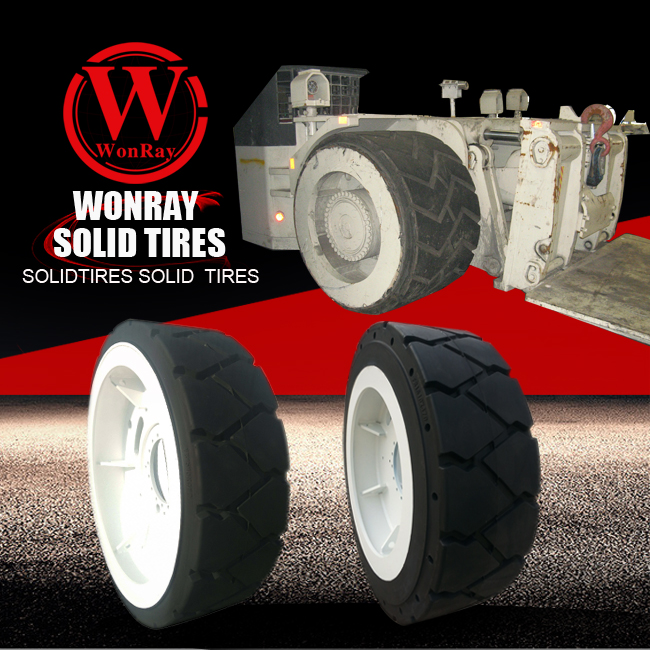
How Should Rubber Wheels For Paper Mills Be Selected for Wet and Continuous Operations?
Rubber Wheels For Paper Mills are used on forklifts, material-handling vehicles, roll transport carts, maintenance trolleys, and other mobile equipment operating inside paper-production and converting facilities. These wheels must carry loads while working around moisture, paper dust, fibre debris, smooth industrial floors, and continuous production activity.
How Do Solid Tires For AGVs Improve Route Accuracy and Continuous Operation?
Solid Tires For AGVs are non-pneumatic tires used on certain automated guided vehicles, autonomous material-handling vehicles, tow tractors, transfer carts, and heavy mobile robots. Their purpose is to provide consistent load support without inflation pressure, puncture repair, or unexpected air loss.