




News

Solid Tires: Enhancing Safety and Efficiency in Forklifts with Cutting-Edge Technology
In the fast-paced world of material handling, operational efficiency and workplace safety are crucial. Forklifts play a vital role in warehouses, logistics centers, manufacturing plants, and construction sites, moving heavy loads and ensuring smooth operations. One of the often-overlooked components that can dramatically influence both performance and safety is the type of tires used on these machines. Solid tires for forklifts are emerging as a leading choice for businesses aiming to maximize uptime, reduce maintenance costs, and enhance overall operational safety.

Solid Tires vs Pneumatic Tires: Best Choice for Your Equipment
Choosing the right tires for heavy equipment is a critical decision that affects performance, safety, maintenance costs, and operational efficiency. Among the most debated options are solid tires and pneumatic tires, each offering distinct advantages and limitations. Understanding these differences is essential for equipment owners and fleet managers to make the best choice for their specific applications.
Exploring the Top Benefits of Solid Tires for Industrial Vehicles
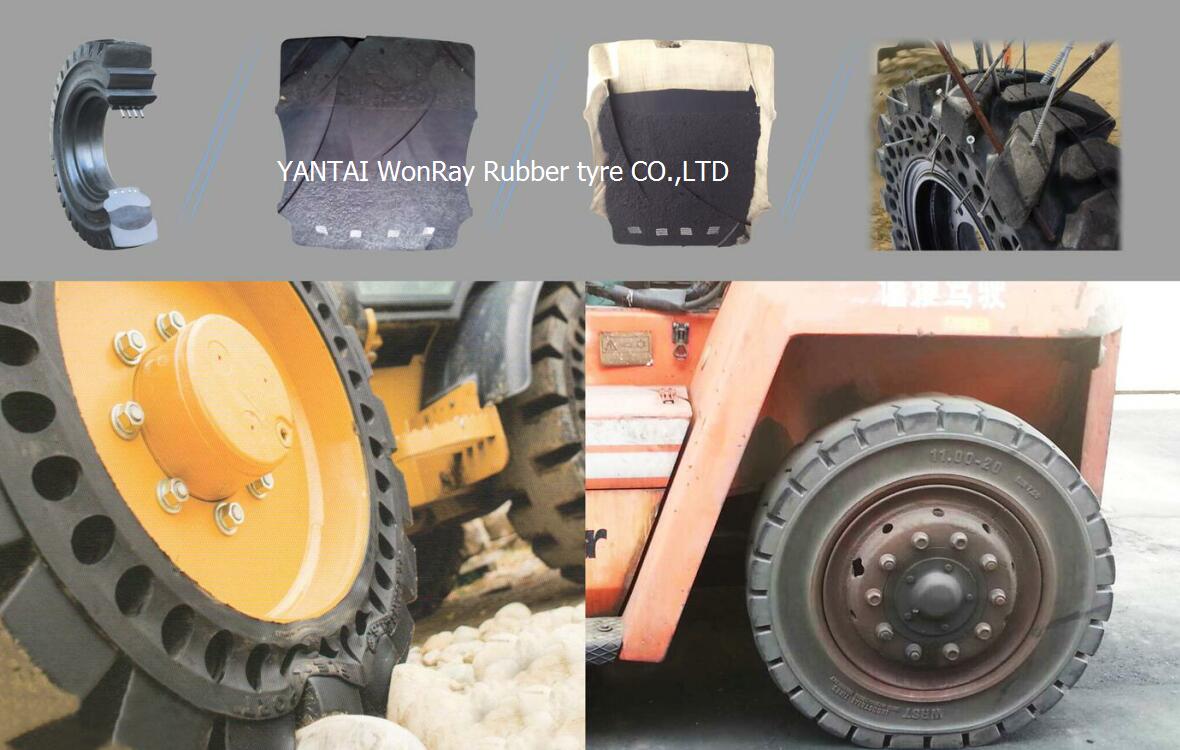
Solid tires play a crucial role in the efficient operation of industrial vehicles, providing a wide range of advantages that directly contribute to improved performance, safety, and cost-effectiveness. As industries continue to demand higher productivity and reliability, choosing the right tires becomes increasingly important. Solid tires, also known as non-pneumatic or airless tires, are designed to overcome many limitations of traditional pneumatic tires, such as punctures, frequent maintenance, and limited durability.
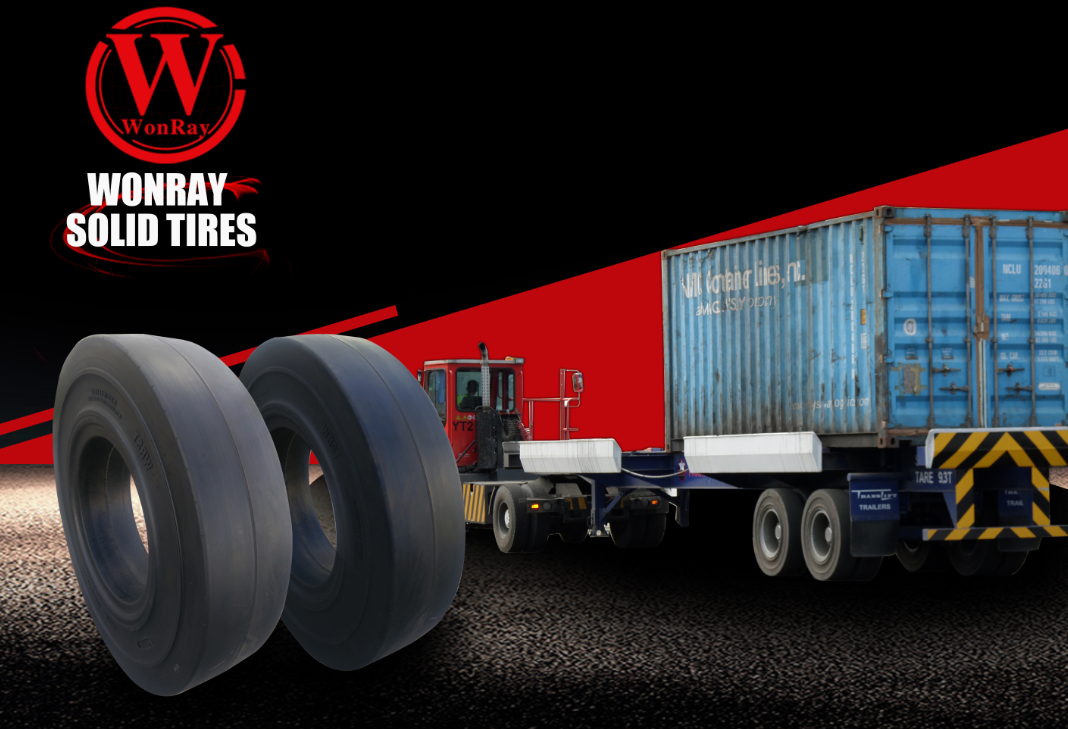
Solid Construction and Warehouse Vehicle Tires: The Ultimate B2B Guide for Industrial Efficiency
Selecting the right tires for solid construction and warehouse vehicles is a critical decision that can significantly impact productivity, safety, and operational efficiency. Industrial environments, such as warehouses, manufacturing plants, and distribution centers, demand tires that can withstand heavy loads, resist punctures, and provide stable traction. Whether you are operating forklifts, reach trucks, or pallet jacks, understanding the features, maintenance, and selection criteria of solid construction and warehouse vehicle tires is essential for maximizing equipment performance and reducing downtime. This guide provides an in-depth look at these tires, offering practical tips and insights for B2B decision-makers.

Solid Tires Maintenance: Effortless Tips for Ultimate Longevity
Proper maintenance of solid tires is essential for ensuring their durability, longevity, and optimal performance. Solid tires are widely used across industries such as warehousing, logistics, construction, and manufacturing due to their puncture-resistant properties and ability to handle heavy loads. Unlike pneumatic tires, solid tires do not require inflation and are resistant to flats, making them an ideal choice for forklifts, skid-steer loaders, industrial carts, and other heavy-duty equipment. Implementing a proactive maintenance routine not only extends the lifespan of your tires but also improves safety and reduces operational costs. This article explores effective and effortless tips for maintaining solid tires for ultimate longevity.

Solid Tires: Boost Safety and Efficiency in Forklifts with this Essential Guide
Solid tires play a crucial role in enhancing the safety and performance of forklifts. They offer numerous advantages over their pneumatic counterparts, making them a popular choice for various industrial applications. In this comprehensive guide, we will delve into the benefits of solid tires for forklifts, discuss their features, provide maintenance tips, and offer recommendations for top-quality solid tire brands.

Solid Tires vs Pneumatic Tires: Best Solution for Your Equipment
When it comes to choosing the right tires for your equipment, the debate between solid tires and pneumatic tires is a common one. Both options have their own set of advantages and disadvantages, making it important to understand the differences between them to make an informed decision.
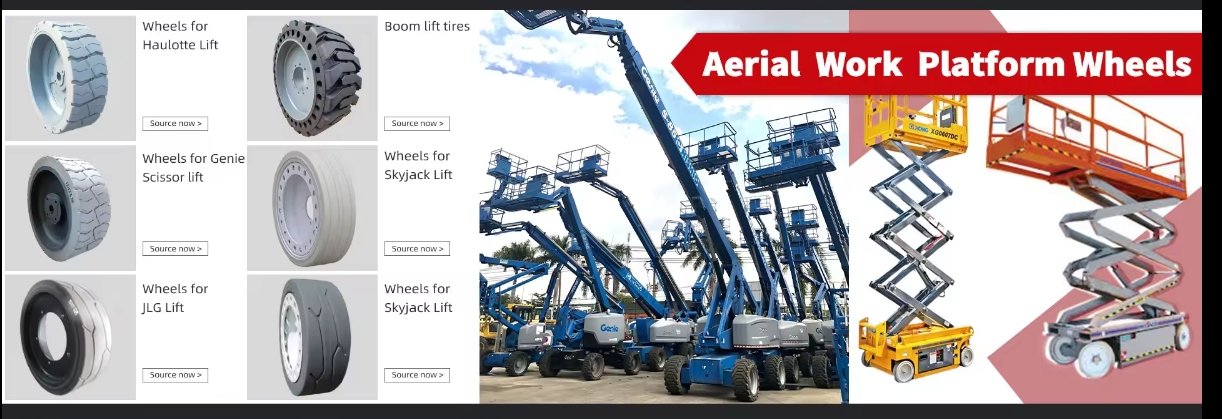
What are the benefits of solid tires?
In industrial and commercial applications, tires play a critical role in ensuring operational efficiency, safety, and durability. While pneumatic tires are widely used, solid tires have become increasingly popular in demanding environments such as warehouses, ports, and heavy-duty construction sites. Understanding what are the benefits of solid tires is essential for B2B buyers, fleet managers, and industrial operators seeking reliable and cost-effective tire solutions.
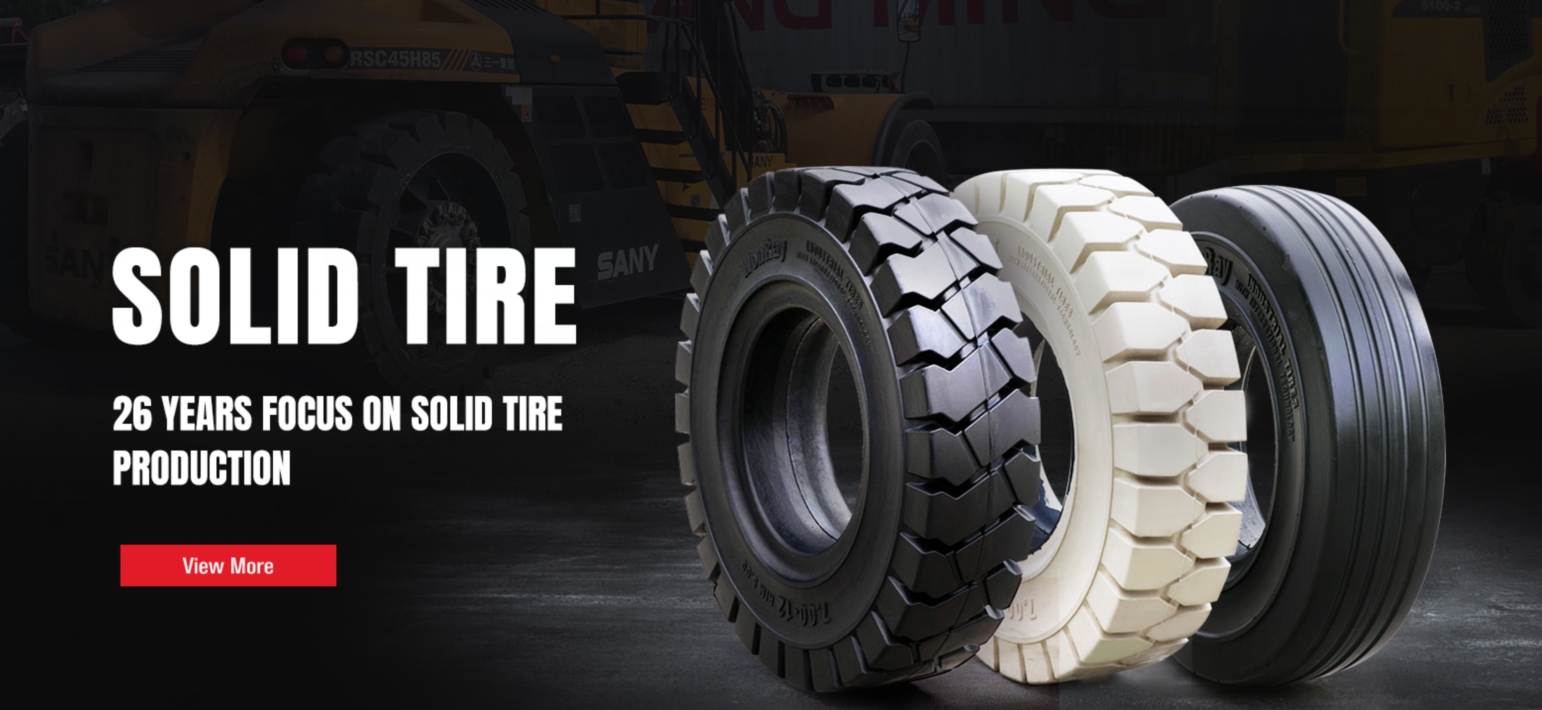
Traction-Optimized Tires for Robotics: Enhancing Mobility and Efficiency
In the rapidly evolving robotics industry, mobility is a critical factor determining operational efficiency and precision. Selecting the right tires can significantly impact a robot’s performance, stability, and adaptability across different surfaces. Traction-optimized tires for robotics are specifically designed to maximize grip, reduce slippage, and ensure smooth maneuverability, making them essential for industrial, warehouse, and service robots.
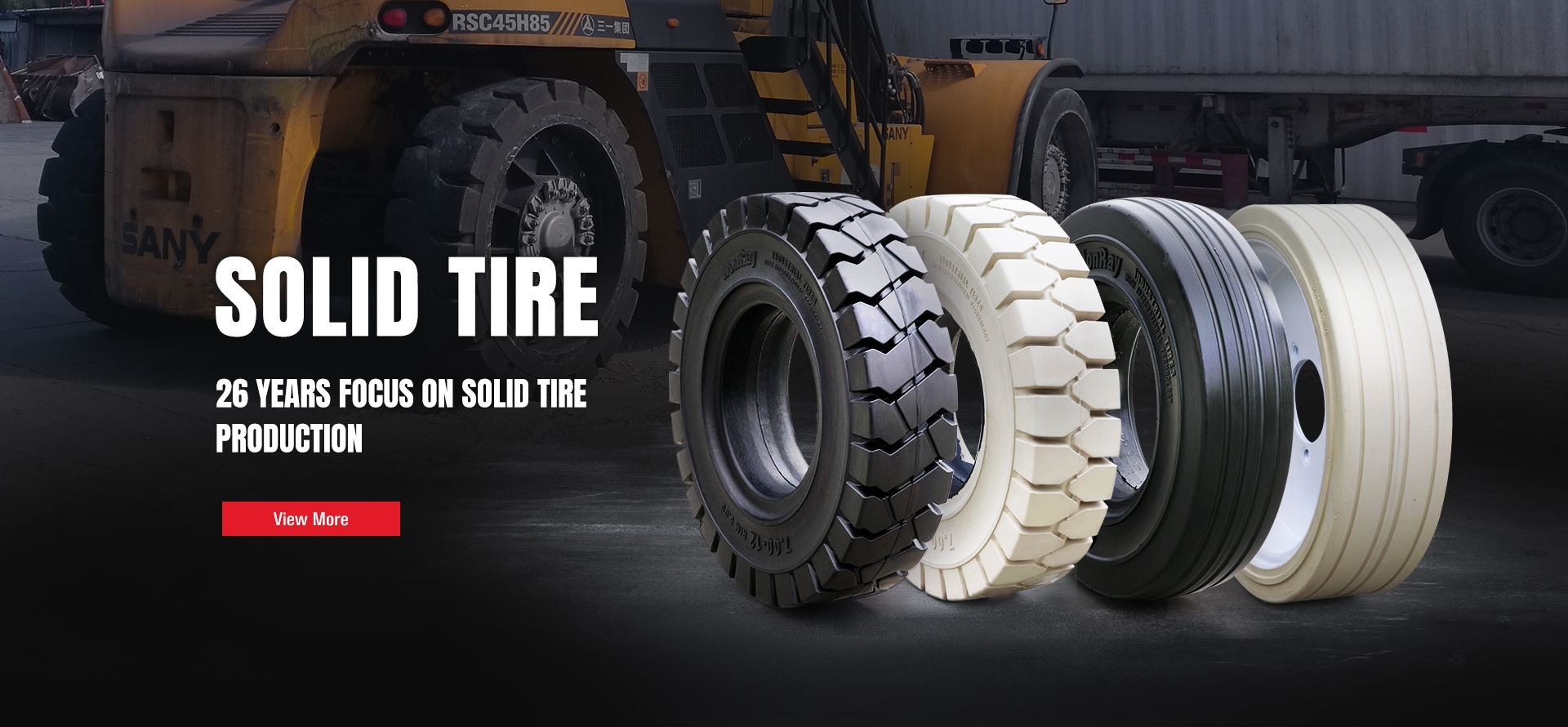
Best Rubber Wheels for Smart Warehouses: Enhancing Efficiency, Safety, and Productivity
In the rapidly evolving logistics and warehousing industry, smart warehouses are becoming the backbone of modern supply chains. Automated systems, robotic vehicles, and advanced material handling equipment are no longer optional—they are essential for maintaining efficiency and accuracy in high-demand environments. Choosing the best rubber wheels for smart warehouses is a critical decision that can significantly impact operational performance, equipment lifespan, and safety standards.