

News
Sustainable Industrial Tires: How Longer Service Life Reduces Tire Waste
Industrial tires are essential to daily material handling, construction, logistics, and manufacturing operations. However, frequent tire replacement creates more than an equipment maintenance expense. It also increases material consumption, generates used tire waste, and may interrupt normal operations. As industrial operators pay more attention to resource efficiency, Sustainable Industrial Tires are becoming an important consideration when selecting equipment tires. Sustainability in this context is not determined by environmental claims alone. Tire service life, resistance to working conditions, maintenance requirements, and end-of-life management all influence the overall impact of a tire throughout its use.
Industrial-Grade Solid Tires: What Quality Factors Should Buyers Check Before Choosing?
When choosing industrial tires, buyers often compare dimensions, prices, and application requirements first. However, these details alone do not reveal whether a tire can maintain consistent performance during daily operation. Two Industrial-Grade Solid Tires with similar appearances and specifications may differ in material quality, manufacturing consistency, and finished-product condition. Understanding the quality factors behind Industrial-Grade Solid Tires helps buyers evaluate products more carefully, compare suppliers more effectively, and reduce the risk of choosing unsuitable tires.
Bulk Purchase Solid Tires: How to Ensure Product Compatibility Across Different Equipment
Purchasing solid tires in bulk can simplify replacement planning for industrial fleets, but using one specification for every machine is not always practical. Forklifts, wheel loaders, port vehicles, and other material-handling equipment have different operating requirements. Even when they all use solid tires, their dimensions, mounting structures, load capacities, and working environments may vary.
OTR Tires: What Makes a Tire Suitable for Heavy-Duty Mining Operations
Mining operations place demanding requirements on off-the-road tires. Vehicles may travel over sharp rocks, abrasive surfaces, uneven haul routes, and areas containing loose debris. At the same time, they may carry heavy materials and operate for extended periods. These conditions make tire selection an important part of equipment reliability and daily productivity.
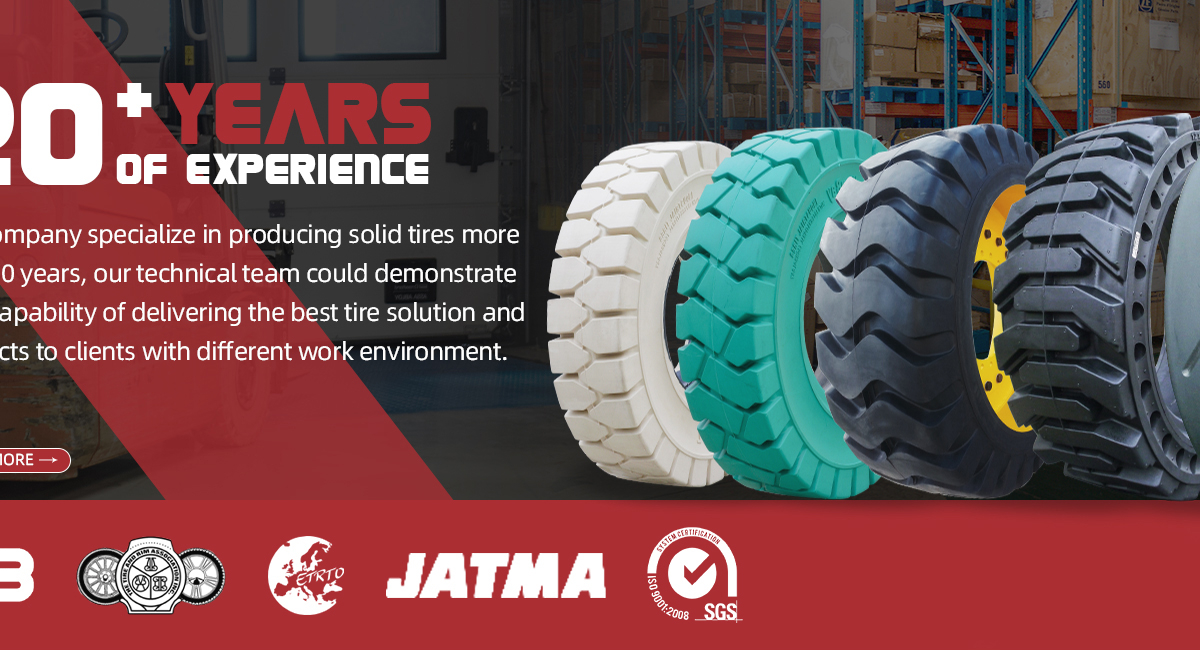
Skid Steer Rubber Wheels: How Wheel Construction Affects Durability and Daily Performance
Skid steer loaders operate in demanding conditions, often handling heavy loads, making frequent turns, and traveling across rough or abrasive surfaces. These working cycles place continuous stress on their wheels. Although Skid Steer Rubber Wheels may appear similar from the outside, differences in rubber compounds, structural design, and tread construction can affect their durability and operating performance.
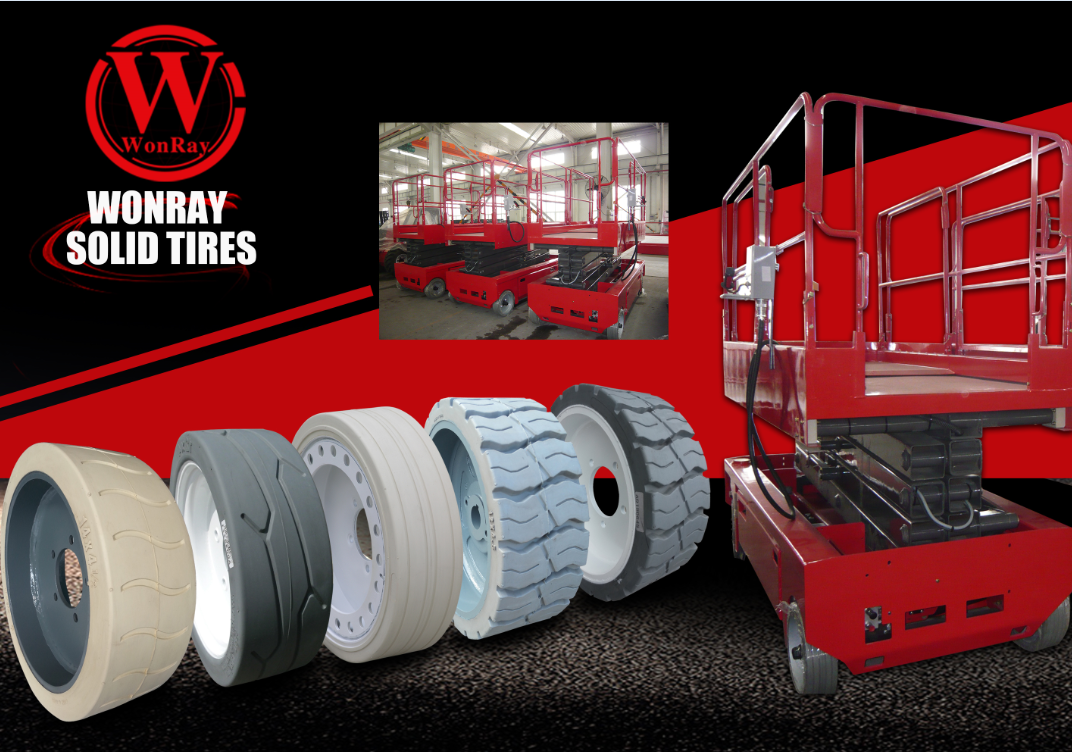
Non Marking Forklift Tires: Why Do Some Tires Leave Marks on Indoor Floors?
Non Marking Forklift Tires are widely used in warehouses, distribution centers, manufacturing facilities, and other indoor environments where clean floors are important. However, choosing a tire labeled as non-marking does not always guarantee that the floor will remain completely free of visible marks. Dark streaks, colored traces, or surface residue may still appear after forklifts have been operating for some time.
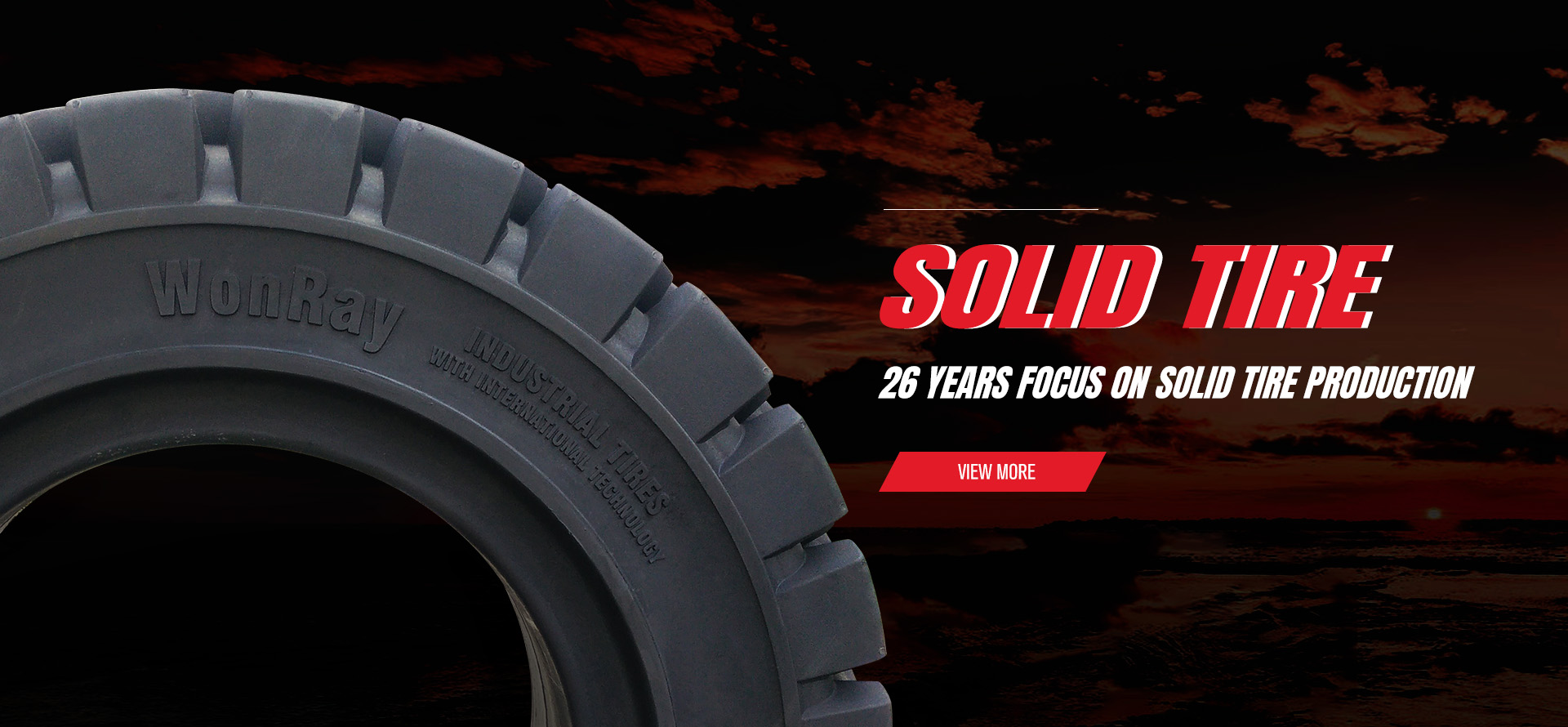
Non-Pneumatic Tires: How to Know If Your Equipment Is Ready for the Switch
Replacing pneumatic tires with Non-Pneumatic Tires can help reduce problems associated with air loss, punctures, and routine pressure checks. For industrial equipment operating around metal debris, rough surfaces, or demanding material-handling areas, this change may offer practical benefits. However, a tire replacement is not simply a matter of choosing a similar size and installing it.
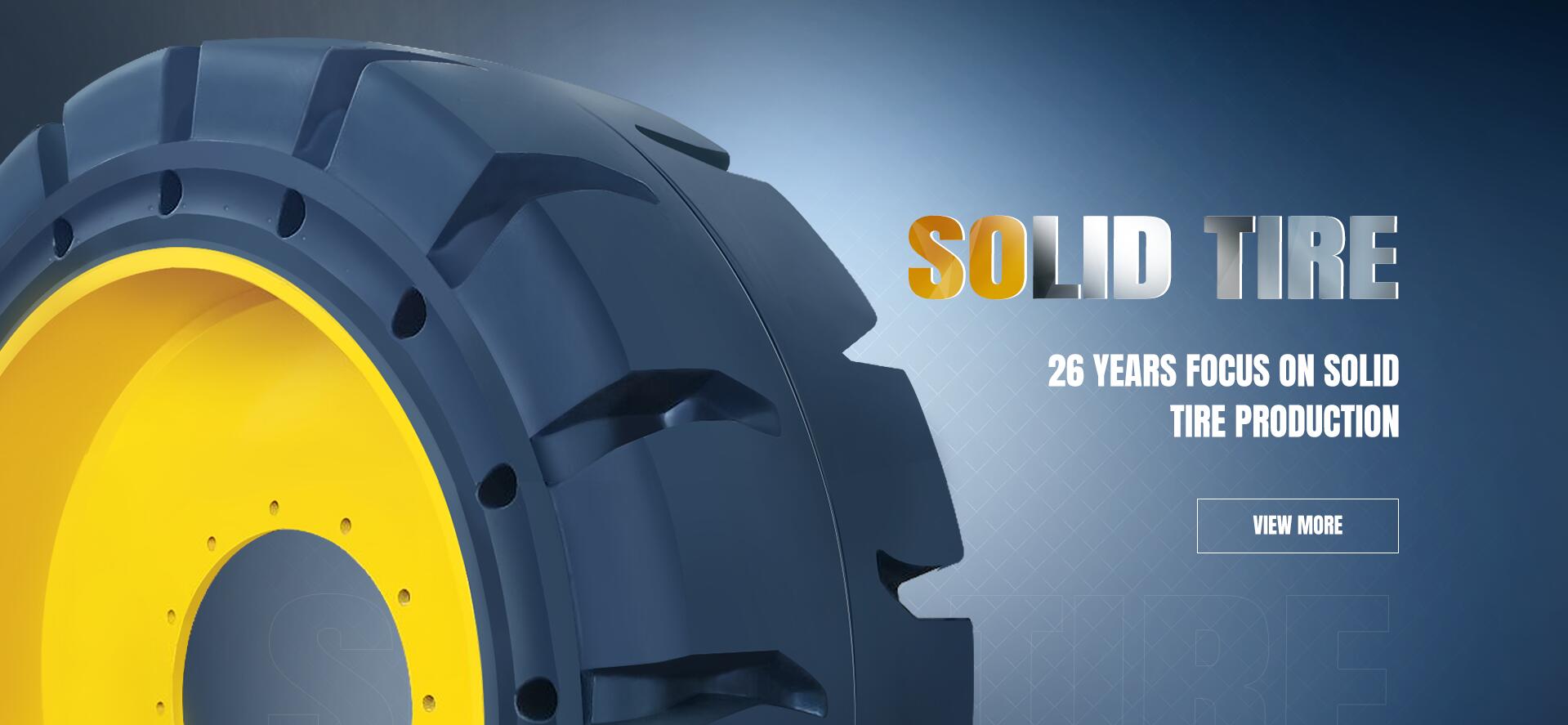
Heavy Duty Trailer Tires: How Different Trailer Applications Change Tire Requirements
Heavy-duty trailers are used in many industrial environments, from factory material handling to warehouse transportation and port cargo movement. Although these vehicles may perform similar towing tasks, their working conditions can be very different. Some carry relatively consistent loads over prepared indoor floors, while others transport heavy containers across outdoor yards and industrial roads.
Industrial Tires For Logistics: Reducing Equipment Downtime Caused by Tire Problems
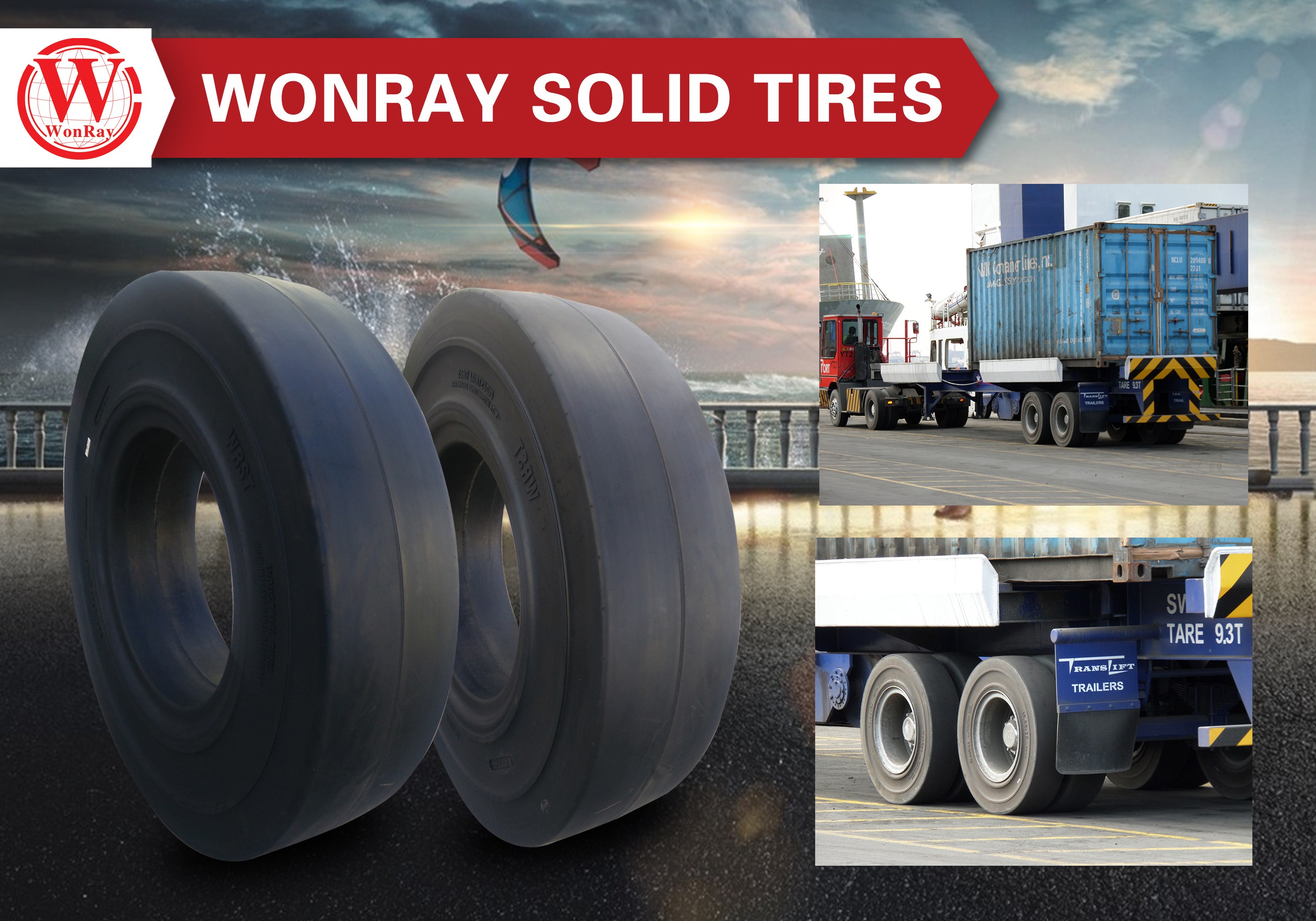
In logistics operations, equipment availability directly affects the movement of goods. Forklifts, pallet trucks, tow tractors, and other material-handling vehicles must operate reliably across storage areas, picking zones, and loading points. When a tire problem takes a vehicle out of service, it can interrupt scheduled tasks and place additional pressure on other equipment. Choosing suitable Industrial Tires For Logistics is therefore about more than meeting vehicle specifications. Tire condition, operating environment, and maintenance practices all influence how reliably equipment performs during daily material handling.
Tires For Automated & Electric Vehicles: Managing Repeated Movement Along Fixed Routes
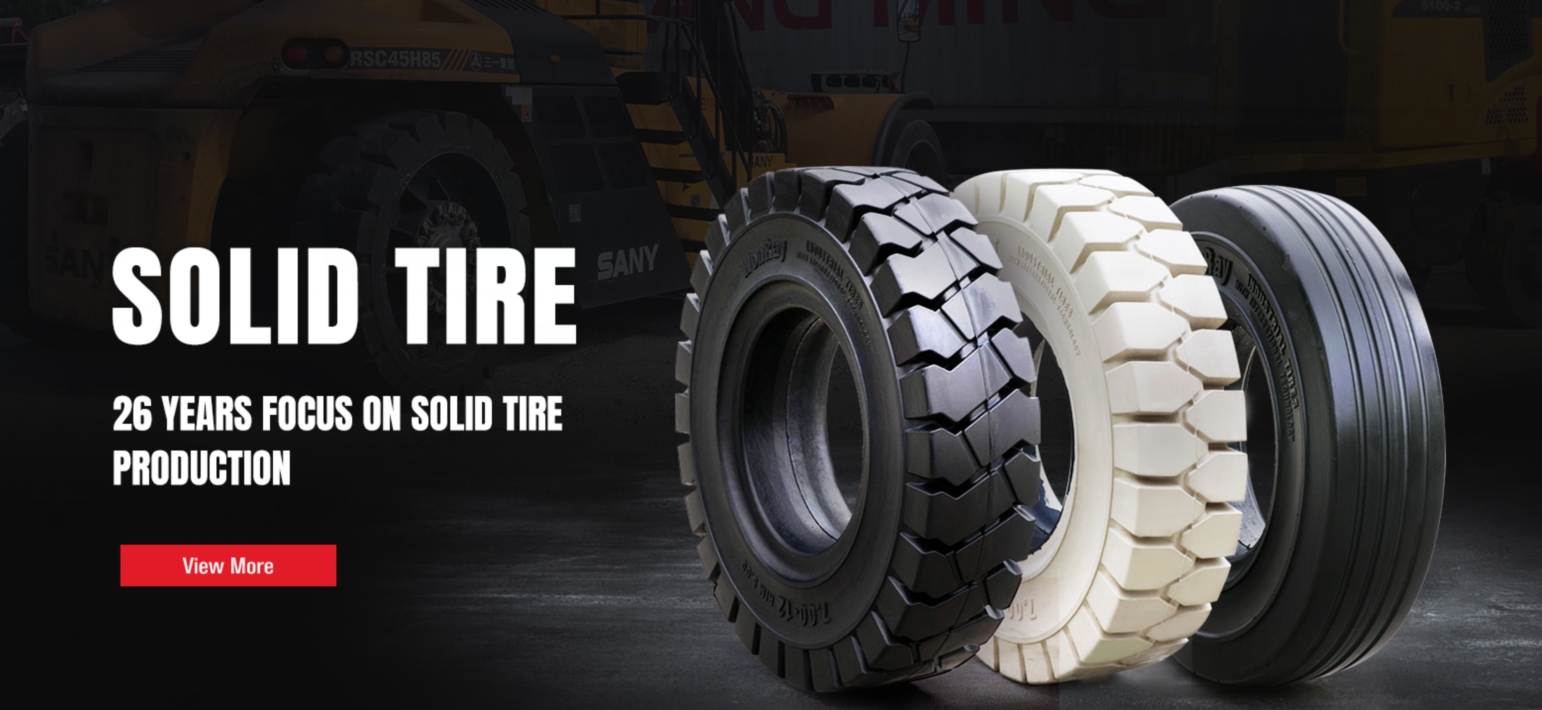
Automated guided vehicles (AGVs) and electric material-handling vehicles are increasingly used in warehouses, factories, and distribution facilities. Unlike manually operated vehicles, many automated systems follow programmed routes and repeat similar movements throughout each shift. Although this improves operational consistency, it also creates specific demands on the tires.