



0102030405


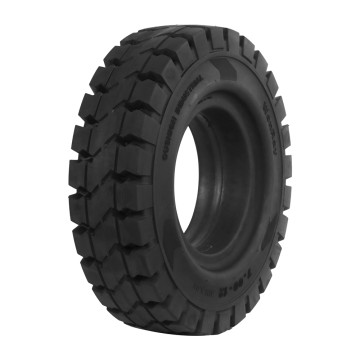
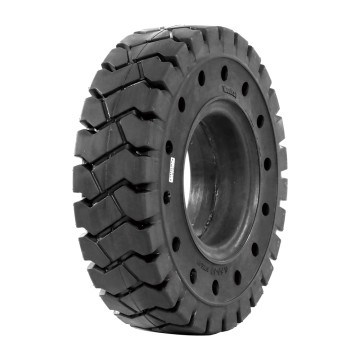
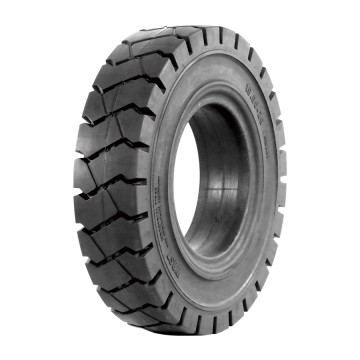
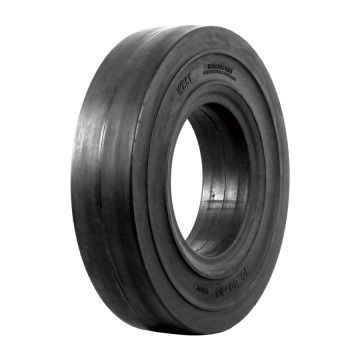
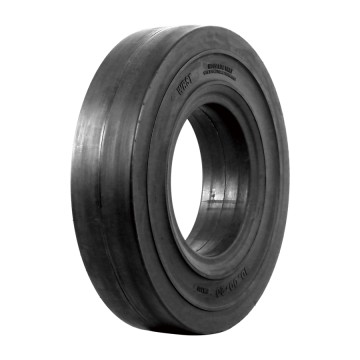
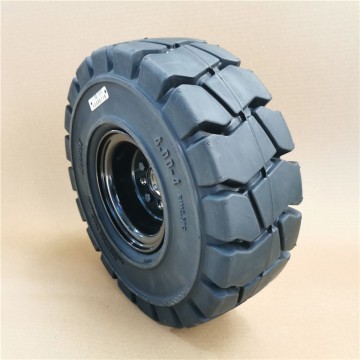
China Solid Tires for Wheel Loaders - Durable, Puncture-Resistant, Maintenance-Free from Trusted Suppliers and Factory
PRODUCTS SPECIFICATIONS
| No. | Size of Tire | Rim Size | Pattern No. | Outside Diameter | Section Width | Net Weight (Kg) | Max Load (Kg) | ||||||
| Counter Balance Lift Trucks | Other Industrial Vehicles | ||||||||||||
| 10km/h | 16km/h | 25km/h | |||||||||||
| ±5mm | ±5mm | ±1.5%kg | Driving | Steering | Driving | Steering | Driving | Steering | 25km/h | ||||
| 1 | 7.50-16 | 6.00 | R701 | 805 | 180 | 74.00 | 4400 | 3385 | 4025 | 3095 | 3730 | 2870 | 2870 |
| 2 | 13.00-24 | 8.50/10.00 | R708 | 1240 | 318 | 282 | 10835 | 9025 | 9890 | 8240 | 9185 | 7655 | 7655 |
| 3 | 14.00-24 | 10.00 | R708 | 1330 | 330 | 370 | 12165 | 10135 | 11105 | 9255 | 10315 | 8595 | 8595 |
| 4 | 16.00-25 | 11.25 | R711 | 1410 | 400 | 520 | 16860 | 13490 | 15170 | 11400 | 13480 | 10130 | 10130 |
| 5 | 17.5-25 | 14.00 | R711 | 1368 | 458 | 568 | 17720 | 14180 | 16880 | 12690 | 15960 | 12000 | 12000 |
| 6 | 18.00-25 | 13.00 | R711 | 1620 | 500 | 928 | 21200 | 16960 | 20480 | 15400 | 19100 | 14360 | 14360 |
| 7 | 20.5-25 | 17.00 | R709 | 1455 | 500 | 720 | 24430 | 18820 | 22290 | 17170 | 20660 | 15880 | 15880 |
| 8 | 23.5-25 | 19.50 | R709/R711 | 1620 | 580/570 | 1075 | 30830 | 24660 | 29790 | 22400 | 27770 | 20880 | 20880 |
| 9 | 26.5-25 | 22.00 | R709 | 1736 | 650 | 1322 | 39300 | 31400 | 37400 | 28100 | 35400 | 26600 | 26600 |
| 10 | 29.5-25 | 25.00 | R709 | 1840 | 730 | 1740 | 48100 | 37055 | 43880 | 33800 | 40340 | 31265 | 31265 |
APPLICATION
Solid Tires for Wheel Loaders: Enhanced Durability for Rugged Applications
Wheel loaders from leading brands like SANY, LIUGONG, CAT, VOLVO, KOMATSU, XCMG, and many others are widely used in demanding environments. To maximize performance and durability, many of these wheel loaders are equipped with solid tires, which offer superior puncture resistance, longer service life, and minimal maintenance compared to pneumatic tires.
Puncture Resistance
Eliminates flat tires and damage risks in sharp debris areas.
Heavy Load Capacity
Engineered for high carrying stability and extreme loading limits.
Minimal Downtime
Reduced maintenance and extended service cycle for continuous works.
Solid tires are especially beneficial in harsh working conditions such as scrap yards, demolition sites, recycling plants, construction environments, mining operations, and steel mills, where traditional tires are prone to punctures and excessive wear. The ability to withstand rough terrains and heavy loads makes solid tires the ideal choice for businesses looking to reduce downtime and operational costs.
By choosing high-quality solid tires, wheel loader operators can enhance stability, improve traction, and ensure continuous operation, even in the most extreme job sites.


FREQUENTLY ASKED QUESTIONS (FAQ)
Why should I choose solid tires over pneumatic tires for wheel loaders?
Solid tires eliminate the risk of flat tires and sudden blowouts caused by sharp scrap, rocks, or metal debris. They offer a much longer service life and require minimal maintenance, maximizing operational uptime.
Which wheel loader brands are compatible with these solid tires?
These solid tires are engineered to fit a wide range of leading industrial equipment brands, including SANY, LIUGONG, CAT, VOLVO, KOMATSU, XCMG, and other standard industrial vehicles.
What applications and environments benefit most from solid tires?
They are particularly suited for severe, high-wear environments such as scrap metal yards, demolition and recycling facilities, underground mining sites, steel mills, and heavy construction projects.
How do solid tires help reduce total operating costs?
By preventing puncture-related downtime, reducing tire replacement frequency, and eliminating air pressure monitoring maintenance, solid tires significantly lower overall equipment operating expenses.
How do I choose the correct tire size and pattern for my machinery?
Refer to the product specifications table above to match your equipment's rim size, required outside diameter, section width, and maximum driving/steering load capacities at expected working speeds.