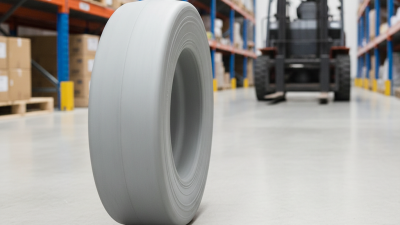
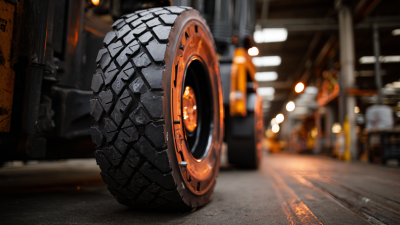
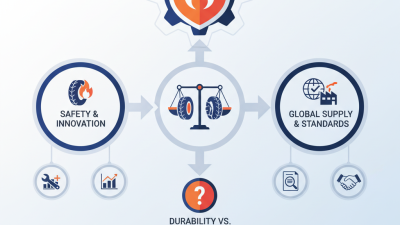
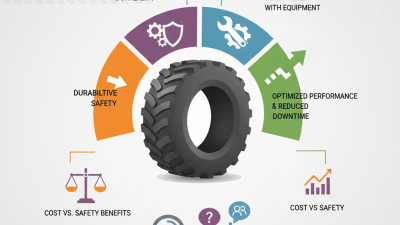
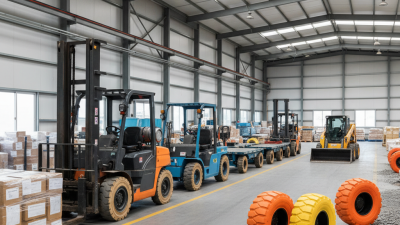
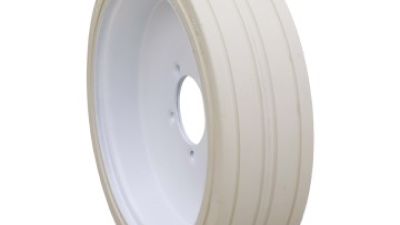
These days, global procurement teams are really taking a closer look at the materials they choose—especially since warehouses, ports, and factories need equipment that just works, day in and day out. You know, things like solid rubber tires are becoming a pretty practical solution for situations where punctures, sharp debris, or uneven concrete can cause everything to grind to a halt. They’re commonly found on forklifts, airport ground-support gear, industrial carts, and heavy-duty trailers. But here’s the thing—it's not just about the price. More often than not, it’s about keeping things running smoothly, ensuring operator safety, how often you’ll have to replace them, and what the total running costs look like.
When making a call, it's really smart to let the evidence guide you. For example, Smithers’ report, *The Future of Global Tires to 2028*, dives into how tire demand is shaping up, what new technology is coming, and what regional market pressures are at play across different industries. The overall trend? The industry is leaning more towards tires that last longer and provide better value over their lifespan. Plus, the World Bank’s Logistics Performance Index 2023 highlights how the quality of infrastructure and reliable shipments directly impact global supply chains. For procurement teams, understanding this link is a big deal—because a tire failure can halt a loading line, delay a container, or throw off your delivery schedule. Those tiny setbacks can actually get really pricey.
Solid Rubber Tires are pretty great at resisting punctures and often need less emergency replacing. They offer steady support for heavy loads in tough industrial conditions. On the flip side, they tend to be heavier than pneumatic options and might transfer more vibration, which isn’t always ideal. They can also come with a bigger price tag upfront. Not every operation really *needs* them, and that’s an important point to keep in mind.
For those with some experience in procurement, it’s crucial to compare things like tread design, load capacity, quality of the rubber compound, compatibility with your wheels, how they hold up under different temperatures, and what kind of testing records suppliers have. Always ask for samples and test them in real-world floor conditions if possible. Be cautious—Just because a quote looks good doesn’t mean the quality is up to snuff. Cheap prices can sometimes hide inconsistent rubber, weak bonding, or poor after-sales support. That’s why supplier audits and documented quality control processes are so vital. Honestly, the cheapest option isn’t usually the best. The key is finding a tire that you can count on to perform reliably throughout its entire lifespan.
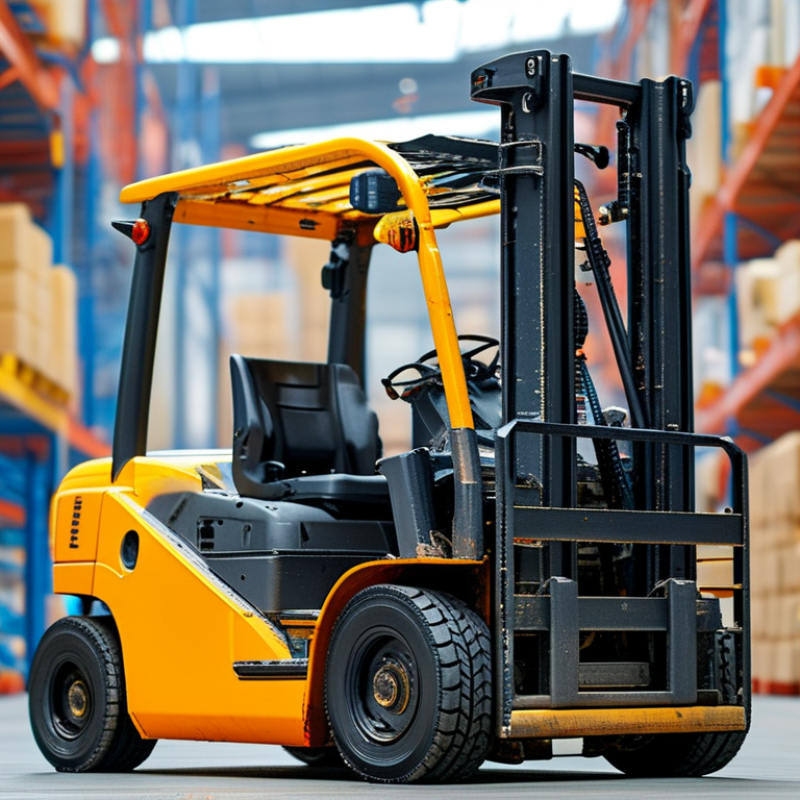
Define Solid Rubber Tires by ISO 3739 Dimensions, Load Ratings, and Markings
Global procurement needs more than a familiar tire size. ISO 3739 dimensions create a common technical language. They identify overall diameter, section width, bead or base details, and compatible rim dimensions. A 16 Solid Rubber Tires order should therefore state the complete ISO designation, not only “16-inch.” Small wording errors can create costly fitting problems.
Load ratings require equal attention. ISO 3739 tables connect tire capacity with operating speed, axle loading, and service conditions. A tire carrying 3,000 kilograms at low speed may need a different rating in continuous warehouse traffic. IMARC Group’s 2024 forklift tire market report identifies warehouse automation and high-cycle handling as major demand drivers. That trend makes heat buildup and repeated impacts practical purchasing concerns. Markings should show size, load rating, construction, and traceability information. Verify every character against the supplier’s technical sheet.
Tips: Request a dimension drawing, load table, and marking photograph before approval. Measure the rim. Do not rely on catalog shorthand. ASTM industrial-tire testing guidance also stresses controlled load and endurance conditions, but field surfaces remain less predictable. That is where procurement teams can be overconfident. A smooth test floor cannot represent broken concrete, metal chips, or sharp turning zones. Document speed, daily operating hours, floor condition, and axle load before comparing quotations. The cheapest compliant-looking option may still be unsuitable.
Compare TRA/ETRTO Load-Speed Tables for Forklifts, AGVs, and Port Equipment
Why Choose Solid Rubber Tires for Global Procurement?
Solid rubber tires offer stable support where punctures, sharp debris, and long indoor shifts create operational pressure. For Bulk Solid Rubber Tires, procurement teams should compare load-speed references carefully, not copy one table across every market. The TRA Year Book 2024 and ETRTO Standards Manual 2024 organize tire capacity by size, construction, and operating speed. Their formats and assumptions can differ. Do not treat them as interchangeable.
For forklifts, record the real axle load, attachment weight, lifting height, and floor condition. A 5-ton forklift may carry uneven loads, especially during turning. AGVs need attention to continuous travel speed, steering scrub, and battery weight. Port equipment adds wet surfaces, high ambient temperatures, and long duty cycles. ETRTO-based selection can support dimensional and speed checks, while TRA references may help confirm industrial load application details. Always request the complete table edition from the supplier.
Small details matter. Measure actual wheel positions. Check the maximum speed, not the average. A clean spreadsheet can still be wrong. In field audits, operators sometimes report “normal” loads while attachments add several hundred kilograms. That gap changes tire deflection and heat generation. ISO 3691-1:2024 also reinforces the need to consider stability and operating conditions for industrial trucks. The table is only a starting point. Tire selection should combine documented standards, site measurements, and controlled trials.
Measure Puncture Risk, Downtime Hours, and Maintenance Cost per Tire
Why Choose Solid Rubber Tires for Global Procurement?
Measure Puncture Risk, Downtime Hours, and Maintenance Cost per Tire
Global procurement decisions become clearer when tire performance is measured, not guessed. Solid rubber tires deserve attention where sharp debris, heavy loads, and repeated stops create financial pressure. Procurement teams should record puncture incidents per 1,000 tire-hours. This measure connects risk with real operating conditions. One avoided failure may protect an entire delivery shift. Small details matter. Damaged loading areas can expose weaknesses that laboratory tests miss. That experience should shape purchasing criteria.
Downtime hours per tire reveal operating cost more accurately than unit price. Record removal time, waiting time, technician labor, and delayed orders after each failure. Compare these figures with Solid Rubber 700c Tires used on similar routes. Keep route, load, temperature, and mileage visible in every report. Otherwise, comparisons become unreliable. A simple log may show failures clustering near construction zones or during peak seasons. Data can remain incomplete. That limitation should be stated, not hidden.
Maintenance cost per tire should include inspections, adjustments, replacements, and inventory handling. Solid rubber construction may reduce puncture-related repairs, but it cannot prevent wear or alignment problems. Inspect tread edges, wheel seating, and surface cuts weekly. Use technician notes, photographs, and invoices to verify patterns. Some savings look impressive until labor is counted. Procurement leaders should challenge optimistic assumptions and review results after three, six, and twelve months. A lower purchase price is only one line in the ledger.
Evaluate Shore A Hardness, Heat Build-Up, and Rolling Resistance Data
Why Choose Solid Rubber Tires for Global Procurement?
Evaluate Shore A Hardness, Heat Build-Up, and Rolling Resistance Data
Solid rubber tires suit warehouses, ports, and factories where punctures can stop operations. Their value depends on measured performance, not appearance. Shore A hardness is a practical starting point. Many Industrial Solid Tires fall near80–95 Shore A. Softer compounds improve grip, while harder compounds usually resist cuts and deformation better. However, excessive hardness can increase vibration on concrete floors.
Use ASTM D2240 hardness results only as a screening tool. The same 90 Shore A reading may perform differently after heat, oil, or long storage. ISO 4666 heat-build-up testing offers a stronger comparison. Ask suppliers for temperature-rise data under matching loads and speeds. A tire reaching 70°C in a controlled test may behave very differently at 40°C ambient temperature. This is easy to overlook.
Rolling resistance deserves equal attention. European Commission Regulation (EU) 2020/740 places passenger-tire benchmarks from about 6.5 to above 10.5 kg per tonne, although Solid Industrial Tires are not directly equivalent. Still, the figures show how small resistance changes affect energy demand. Request force, load, speed, and surface details from ISO 28580 or equivalent tests. Numbers without test conditions are weak evidence.
Tips: Compare tires at your actual load, speed, floor type, and duty cycle. Keep one sample for independent retesting. A spreadsheet can reveal patterns, but it cannot replace field observation. I would also question unusually low resistance claims; procurement data is sometimes cleaner than reality.
Check OSHA 1910.178, CE, and Regional Safety Requirements Before Importing
Global procurement of solid rubber tires is not only a price decision. These tires can reduce puncture risks and support stable handling on warehouse floors. However, safety compliance must be checked before importing or installing them.
Compliance starts before the purchase order. OSHA 1910.178 requires powered industrial trucks to remain in safe operating condition. Tire condition, load capacity, stability, and correct installation all matter. Solid tires should match the truck’s rated load, rim dimensions, speed, and operating surface. A tire that performs well on smooth concrete may wear quickly on rough outdoor pavement. Small details matter.
CE requirements also need careful review. CE marking may apply to the complete machine or equipment, not automatically to every replacement tire. Ask for relevant declarations, technical information, test results, and traceability records. Then compare them with the destination region’s rules for machinery, imports, workplace safety, and waste handling. Requirements can differ between countries, even when the equipment looks identical.
A practical inspection should include tire hardness, visible damage, sidewall markings, load data, and fitment measurements. Keep photographs and batch records. A certificate alone is not enough. It may describe a test, but not your exact tire size or application. Procurement teams sometimes focus too heavily on documents and overlook floor temperature, chemical exposure, or operator behavior. That gap deserves a second review.
Why Choose Solid Rubber Tires for Global Procurement?
This compliance map shows whether each framework directly addresses operator competence, workplace controls, or product conformity. OSHA 1910.178 focuses on powered-industrial-truck operation and training; CE and UK product rules apply only when the imported product falls within applicable legislation. A CE or UKCA mark is not automatically a universal tire-quality certification.
1 = directly relevant compliance area; 0 = not the primary instrument. Verify the destination country’s current rules before importing.
Calculate Lifecycle Cost per Operating Hour Across Global Supply Markets
Why Choose Solid Rubber Tires for Global Procurement?
Calculate Lifecycle Cost per Operating Hour Across Global Supply Markets
Global procurement should compare more than purchase price. A solid tire becomes economical when its service life is measured against operating hours. For example, 6 Inch Solid Rubber Tires may cost more initially than pneumatic alternatives. Yet they can reduce puncture repairs, air-pressure checks, and roadside interruptions. The useful figure is lifecycle cost per operating hour, not unit cost alone. Keep records.
Use this calculation: (purchase price + freight + duties + fitting + maintenance + downtime cost) ÷ productive operating hours. A tire set costing $1,200 and lasting 4,000 hours equals $0.30 per tire-hour before downtime. Add $240 for fitting and $160 for transport, and the rate becomes $0.40. If one failure causes six lost hours, labor and production losses may change the result sharply. Local wages, port charges, taxes, and exchange rates also matter. Numbers travel badly across borders.
Procurement teams should test tread wear, heat buildup, floor debris, and load patterns at the actual site. Smooth concrete requires a different assessment from sharp gravel. Ask suppliers for documented test methods, rated loads, compound details, and replacement intervals. Verify claims with a pilot fleet. Predicted hours can be optimistic. Operators may overload equipment, or floors may be rougher than reported. Recalculate quarterly using invoices, meter readings, and downtime logs. That discipline exposes hidden cost.
Standardize HS Codes, Inspection Tests, Warranty Terms, and Supplier KPIs
Why Choose Solid Rubber Tires for Global Procurement?
Solid rubber tires reduce puncture risk, simplify fleet maintenance, and support predictable operating costs. Their value depends on disciplined procurement controls, not appearance alone.
A global buying program should use one internal HS code reference, while verifying the final classification in each destination market. Product descriptions must match invoices, packing lists, and technical drawings. Small wording differences can delay clearance.
Inspection tests should cover diameter, width, rim fit, hardness, load rating, and visible defects. For demanding applications, compression testing and rolling resistance checks add useful evidence.
Inspectors should record sample numbers, test equipment, conditions, and photographs. A clean report is not enough. The test method must be repeatable.
We once focused too heavily on hardness and missed uneven curing on the sidewall. That mistake changed our inspection checklist.
Warranty terms need measurable triggers. Define coverage for cracking, chunking, separation, dimensional failure, and premature wear.
State operating limits, installation requirements, claim evidence, and response timelines.
Supplier KPIs can include on-time delivery, defect rate, corrective-action speed, document accuracy, and claim closure time. Review them monthly. Use the same scorecard across regions.
It exposes weak suppliers early, although KPI data can still hide poor field performance. Periodic site audits and user feedback remain necessary.
Real reliability appears after months of loading, heat, dust, and repeated turns.
China Factory-Approved Non-Marking Solid Tires for Lifting Platforms: IMARC & Grand View Reports
China factory-approved non-marking solid tires are becoming an important solution for lifting platforms, supported by growing demand for safer, cleaner, and more reliable access equipment. Models R706, R707, R710, R712, R713, R714, R716, and R717 are developed for professional applications where floor protection, operating stability, and long service life are essential. Manufactured in a specialized Chinese facility, these tires use high-purity natural rubber sourced through controlled global supply channels, helping deliver consistent resilience and dependable performance.
Optimized rubber formulations allow the tires to operate and brake without leaving visible marks on finished floors, making them suitable for warehouses, workshops, shopping facilities, logistics centers, and other sensitive indoor environments. Both the raw materials and finished products undergo testing by qualified national institutions for environmental performance, while compliance with EU REACH requirements supports responsible use in regulated markets. Advanced production equipment, strict process control, comprehensive testing systems, and experienced technical personnel help maintain accurate dimensions, stable load-bearing capacity, and reliable traction across the full range.
FAQS
: State the complete ISO 3739 designation, not only the nominal diameter. Include width, overall diameter, base details, rim size, construction, and load rating.
A small rim mismatch can cause fitting problems. Measure the actual rim before approval.Measure the rim.
Check axle load, operating speed, attachments, lifting height, and floor conditions. Continuous traffic may create more heat than short, slow movements.Do not use average speed.
No. Forklifts, automated vehicles, and port equipment face different loads and surfaces. Their reference tables may use different assumptions.Tables are not interchangeable.
Record continuous travel speed, steering scrub, battery weight, and turning frequency. Repeated movement can increase heat and uneven wear.The spreadsheet may look perfect.
Markings should identify size, load rating, construction, and traceability information. Check every character against the supplier’s technical sheet.A photograph helps.
Inspect diameter, width, rim fit, hardness, load rating, and visible defects. Record sample numbers, equipment, test conditions, and photographs.Repeatable testing matters.
Define coverage for cracking, chunking, separation, dimensional failure, and premature wear. Include operating limits, installation rules, evidence requirements, and response times.Vague terms create disputes.
Track delivery timing, defect rates, document accuracy, corrective-action speed, and claim closure time. Review results monthly across all regions.Field feedback still matters.
Conclusion
Solid Rubber Tires offer a practical solution for global procurement when performance, safety, and total operating cost are evaluated together. Buyers should define tire dimensions, load ratings, and markings according to ISO 3739, then compare applicable TRA and ETRTO load-speed tables for forklifts, AGVs, and port equipment. A complete assessment should measure puncture exposure, expected downtime, maintenance cost per tire, Shore A hardness, heat build-up, and rolling resistance under actual working conditions. These factors help determine whether a tire is suitable for intensive indoor, outdoor, or mixed operations.
Before importing, procurement teams should verify OSHA 1910.178, CE, and relevant regional safety requirements, while calculating lifecycle cost per operating hour across different supply markets. Standardized HS codes, inspection procedures, warranty terms, and supplier KPIs can improve consistency and reduce purchasing risk. By combining technical data, compliance checks, and transparent cost analysis, companies can select Solid Rubber Tires that support reliable equipment operation, predictable maintenance, and long-term value across international supply chains.