Yantai Wonray Tyre Co., Ltd.
Leave Your Message
0%

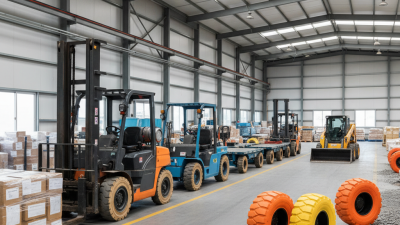
Picking the right tires might not seem like a big deal at first glance, but it can really quietly influence your daily operating costs. Solid Rubber Tires are built tough for serious industrial environments — think frequent punctures, sharp debris, and heavy impacts that happen all the time. They’re the go-to choice for forklifts, warehouse vehicles, airport equipment, and construction machinery where stopping for repairs isn’t an option.

Harvey Firestone, the guy who started Firestone Tire and Rubber, once said, “Capital isn’t so important in business. Experience isn’t so important.” It’s a bit of a wake-up call, really — it stresses that your equipment choices should match what actually happens on the job, not just assumptions or guesses. Solid tires can cut down on downtime caused by punctures and give you stable handling on those hard warehouse floors. Plus, they support loads consistently during repeated lifting cycles — which, let’s be honest, is pretty crucial.

And here’s the kicker—these benefits are pretty tangible. Operators tend to have fewer interruptions, maintenance crews spend less time swapping out damaged tires, and fleet managers can weigh things like how long tires last, energy consumption, comfort of the ride, and overall costs. But hey, they’re not automatically the best fit for every situation. Sometimes, they can make the ride a bit firmer and might bump up rolling resistance on certain surfaces — and that’s something you definitely don’t want to overlook.

Making a decision based solely on price? That’s a common mistake. Same goes for ignoring heat buildup, speed limits, wheel compatibility, and how the floor conditions affect things. Truth is, good decision-making comes from doing site inspections, digging into manufacturer specs, and chatting with operators who have real-world experience. Companies like Trelleborg Wheel Systems and Continental have tons of technical info that can help you figure this all out. But remember — no matter how good the specs are, they don’t replace feet-on-the-ground knowledge. A tire that works great indoors might struggle outside on rough pavement. The best choice is always the one that balances durability, safety, productivity, and long-term value based on what your actual operation needs.
Why Choose Solid Rubber Tires for Your Business?

What Are Solid Rubber Tires?

Why Choose Solid Rubber Tires for Your Business?

What Are Solid Rubber Tires?

Solid rubber tires are Non-Pneumatic Tires made from dense rubber compounds. They contain no air-filled chamber, so punctures and sudden pressure loss are not concerns. A reinforced inner band supports the tire on compatible wheels. This structure helps equipment carry steady loads across warehouses, yards, and construction areas.

They are often used on forklifts, carts, loaders, and other working vehicles. A fleet equipped with 16 Solid Rubber Tires can keep moving through areas with nails, broken pallets, or sharp debris. Operators may notice stable handling and less routine pressure checking. That practical difference matters during long shifts.

However, solid rubber tires are not perfect. They can transmit more vibration on uneven concrete. They may also create extra heat during extended, high-speed operation. In my experience, matching the tire compound, load rating, and operating surface is essential. A tire that performs well indoors may feel harsh outdoors. Checking wheel fit, tread wear, and visible cracking should become part of regular maintenance. I would not choose them only because punctures are unlikely. The application still decides whether the investment makes sense.

How Do Solid Rubber Tires Differ from Pneumatic Tires?

Why Choose Solid Rubber Tires for Your Business?

Solid rubber tires differ from pneumatic tires in their structure and daily behavior. Pneumatic tires use compressed air, creating a softer ride and stronger shock absorption. Solid tires contain dense rubber layers instead. They resist punctures, glass, and sharp metal debris. No air pressure means fewer roadside repairs.

The U.S. Department of Energy reports that vehicle fuel economy can fall by about 0.2% for every 1 psi of underinflation. This figure applies mainly to road vehicles, but it shows how pressure changes affect pneumatic performance. Solid tires remove that variable. They can support steady handling in warehouses, loading yards, and recycling facilities. They may also feel harsher on uneven concrete.

Ride comfort matters.

OSHA records about 35,000 serious powered-industrial-truck injuries annually in the United States. The data does not prove tire choice causes these incidents. Still, stable tires, correct load ratings, and trained operators remain important controls. Solid rubber tires often cost more initially and can increase vibration or rolling resistance. That trade-off is easy to underestimate. A practical site trial should compare downtime, floor damage, operator comfort, and energy use before purchasing. Puncture resistance alone may not justify the change.

Which Business Applications Suit Solid Rubber Tires?

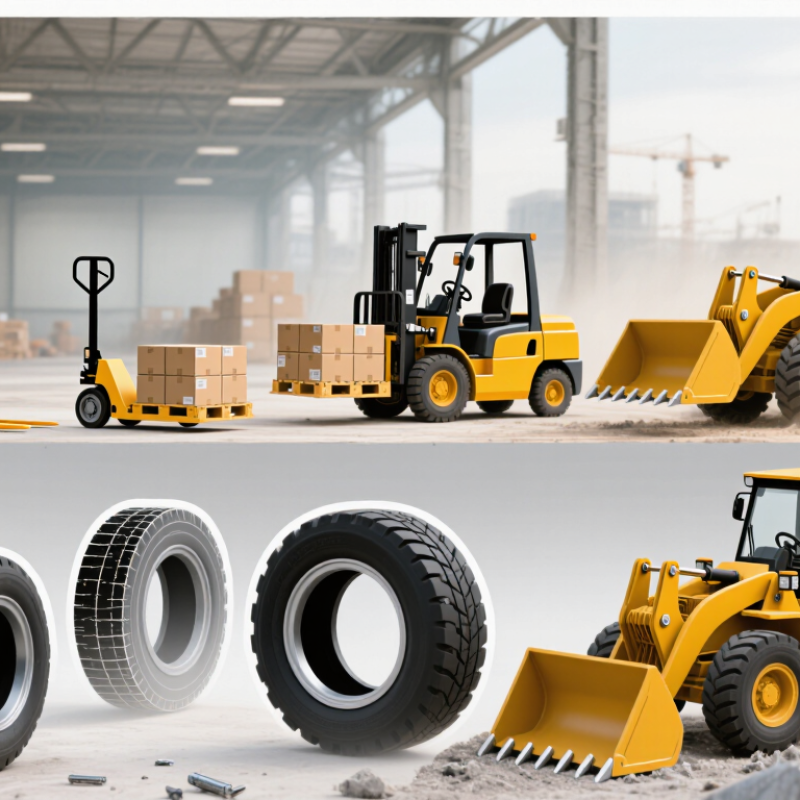
Solid rubber tires are well suited to business environments where punctures, sharp debris, and frequent stops create daily problems. Their strongest applications include warehouses, factories, distribution centers, and material-handling areas. Forklifts, platform carts, tow tractors, and pallet movers can operate reliably on smooth concrete and sealed floors.

They also perform well in construction yards, recycling facilities, agricultural buildings, and delivery compounds. These workplaces may contain nails, broken timber, metal fragments, or uneven surfaces. Bulk Solid Rubber Tires can reduce downtime when replacing a damaged pneumatic tire would interrupt loading schedules. That matters during peak shipping hours. They also provide stable handling under heavy loads.

However, solid rubber tires are not perfect. They can transfer more vibration through rough ground. Extended outdoor travel may also create extra heat and wear. A fleet manager should check load ratings, operating speeds, floor conditions, and daily travel distances before choosing them. Tire pressure is not a concern, but correct wheel fit remains essential.

In practical site reviews, operators should inspect tread wear, sidewall damage, and unusual vibration. A tire that looks usable may still affect braking or steering. Keep records. Small details often reveal larger maintenance issues.

What Benefits Do Solid Rubber Tires Offer?

For businesses using bicycles, carts, or light utility vehicles, tire reliability directly affects daily operations. Solid rubber tires remove the need for regular inflation checks. They also resist punctures from glass, thorns, and sharp roadside debris. That can reduce unexpected delays during deliveries or site inspections. In fleet work, this consistency makes scheduling easier. Workers spend less time repairing tires and more time completing assigned routes.

Solid rubber tires also offer stable handling across hard surfaces. Their firm structure supports steady movement near warehouses, loading areas, and paved streets. Solid Rubber 700c Tires can suit larger-wheel bicycles used for commuting or cargo transport. They provide dependable contact with the road, even after long storage periods. However, they are not perfect. Their ride can feel firmer than pneumatic tires, especially on broken pavement. Some designs may also create slightly more rolling resistance. I have found that rider weight, route quality, and tire construction influence comfort significantly. Wet conditions still require careful braking. A puncture-resistant tire cannot replace routine safety checks.

Businesses should inspect tread wear, sidewalls, and wheel alignment regularly. These checks reveal damage before it affects handling. Choosing the right size and load rating is equally important. A tire that lasts longer but feels harsh may reduce worker comfort. That trade-off deserves honest evaluation. Teams should test tires on real routes before changing an entire fleet.

How Do They Improve Workplace Safety and Productivity?

Why Choose Solid Rubber Tires for Your Business?

How Do They Improve Workplace Safety and Productivity?

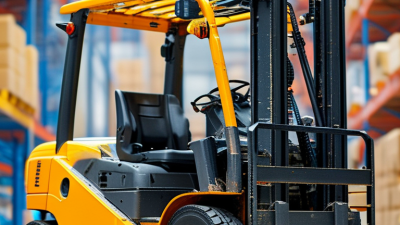
In busy warehouses, solid rubber tires help equipment move steadily across concrete floors. Their puncture-resistant design prevents sudden air loss near workers, pallets, and loading areas. That matters. A flat tire can stop a forklift, delay orders, and create an unstable load. Solid tires also support consistent handling during tight turns and frequent braking. Operators may feel fewer interruptions during long shifts, although ride comfort can be firmer than pneumatic tires.

From a maintenance perspective, these tires reduce tire-related downtime and simplify daily inspections. Teams still need to check tread wear, wheel damage, and correct installation. Neglecting those details can weaken safety benefits. Solid rubber tires are not perfect for every surface. Rough outdoor terrain may produce more vibration, especially on older equipment. Supervisors should match tire types to floor conditions, load weights, travel speed, and operator feedback.

Tips: Mark inspection points on a simple checklist. Check tires before each shift. Watch for uneven wear, cuts, loose wheels, or unusual vibration. Train operators to report handling changes immediately. Keep aisles clean and floors dry, because reliable tires cannot correct poor housekeeping. Record replacement dates and recurring damage. This information helps maintenance teams identify route problems, overloaded equipment, or unsuitable tire specifications.

Why Choose Solid Rubber Tires for Your Business? – How Do They Improve Workplace Safety and Productivity?

Operational comparison of solid rubber and pneumatic tires for material-handling equipment and other workplace vehicles

Operational Dimension Solid Rubber Tires Pneumatic Tires Workplace Safety and Productivity Impact
Puncture and Flat-Tire Risk Very Low
The tire contains solid rubber rather than an air-filled chamber, so nails, glass, and similar debris cannot cause a conventional flat tire.
Higher Exposure
Penetration, valve damage, or loss of air pressure can lead to a flat tire or an unsafe operating condition.
Fewer tire-related interruptions and a lower risk of sudden loss of mobility in debris-prone work areas.
Pressure Maintenance No Inflation Required
There is no air pressure to measure, adjust, or restore during routine operation.
Routine Checks Required
Pressure must be monitored according to the equipment manufacturer’s instructions and workplace procedures.
Reduces maintenance steps and helps keep tire performance more consistent between inspections.
Load Stability The tire maintains a consistent shape and rolling diameter under the rated operating load when correctly selected. Tire deflection changes with air pressure, temperature, load, and tire condition. More predictable handling can help operators maintain control during starts, stops, turning, and load positioning.
Operating Downtime from Tire Damage Damage usually does not result in an immediate air-loss event; the tire can often remain serviceable until inspection identifies replacement needs. A puncture or rapid pressure loss may require an immediate stop, tire repair, or replacement before work can continue. Helps reduce unplanned stoppages and improves equipment availability in continuous-operation environments.
Resistance to Workplace Hazards Well suited to areas containing metal fragments, broken pallets, glass, sharp waste, and other common puncture hazards. More vulnerable to sharp debris and sidewall damage, especially when operating near construction waste or scrap materials. Supports safer movement through demanding work zones, provided the tire is correctly rated for the application.
Ride Comfort and Vibration Absorption Generally provides less cushioning than an air-filled tire because solid rubber does not absorb impacts in the same way as compressed air. Typically offers better shock absorption on uneven surfaces when correctly inflated. Solid tires are often preferable on smooth indoor floors; pneumatic tires may be more comfortable on rough outdoor terrain.
Floor and Surface Protection Non-marking solid rubber options are available for indoor facilities where tire marks must be minimized. Pneumatic tires can also be supplied in non-marking versions, but pressure and tread condition still affect contact behavior. Selecting the correct compound and tread helps protect floors and maintain traction in warehouses, factories, and distribution centers.
Traction Consistency Traction remains more predictable when the tire is correctly matched to the surface, load, and operating speed. Traction can change as inflation pressure, tread wear, and tire temperature change. Consistent contact characteristics can support smoother vehicle control and more repeatable handling.
Routine Inspection Focus Inspect tread wear, cuts, chunking, separation, wheel condition, and overall tire integrity. Inspect tread wear, cuts, sidewalls, valves, wheel condition, and air pressure. Both tire types require scheduled inspections; solid tires remove pressure checks but do not eliminate maintenance responsibilities.
Best-Fit Work Environment Smooth indoor floors, warehouses, manufacturing plants, loading areas, recycling facilities, and puncture-prone sites. Uneven outdoor surfaces, yards, construction areas, and applications where ride cushioning is a priority. Matching tire construction to the operating environment improves safety, service life, and equipment productivity.

Important: Actual performance depends on tire design, load rating, equipment type, speed, surface conditions, ambient temperature, maintenance practices, and compliance with the equipment manufacturer’s operating instructions. Solid rubber tires should be selected and installed by qualified personnel.

What Factors Should Businesses Consider Before Choosing Them?

Choosing 6 Inch Solid Rubber Tires requires more than comparing purchase prices. Start with load weight, travel speed, operating hours, and floor conditions. A tire designed for smooth warehouse concrete may perform poorly on broken asphalt. Check the equipment manual and consult a qualified tire technician before ordering.

Comfort and traction also matter. Solid rubber tires resist punctures, but they transmit more vibration than pneumatic tires. That vibration can affect operators, cargo, and sensitive vehicle components. OSHA’s powered industrial truck requirements emphasize workplace-specific evaluation and operator training. Your assessment should include ramps, turning areas, wet floors, and pedestrian traffic. A short test run often reveals problems that a specification sheet hides.

Total cost needs careful attention. The U.S. Tire Manufacturers Association reported that about 71% of scrap tires were recovered in 2021, showing that disposal planning remains an industry issue. Ask how worn tires will be removed, transported, and processed. Consider downtime, replacement labor, energy use, and floor damage. Solid tires may reduce puncture-related stoppages, yet they can increase shock and wear elsewhere. That trade-off is easy to miss. A lower maintenance bill is not guaranteed. Review real operating records, not assumptions, and measure performance after installation.

Solid Tires for Telehandlers: A Practical Guide to Durable, Low-Maintenance Performance

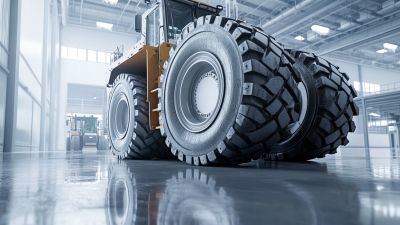
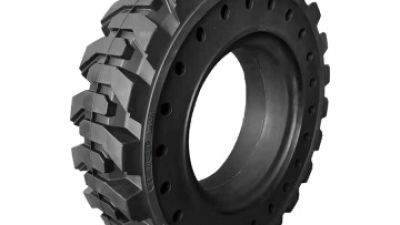
Solid tires for telehandlers are designed for demanding sites where punctures, downtime, and uneven ground can reduce productivity. Industry analysis from the Global Off-Highway Tire Market indicates that construction and material-handling equipment remains a major application segment, driven by demand for longer service life and lower maintenance costs. Unlike pneumatic tires, solid tires do not require air-pressure checks or frequent puncture repairs, making them a practical choice for rough yards, demolition areas, warehouses, and agricultural operations.

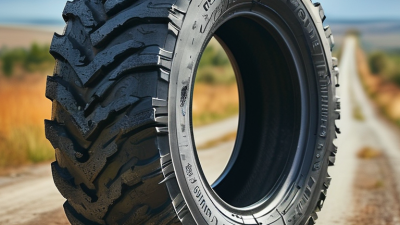
The unique directional tread pattern improves traction during forward travel, braking, and maneuvering on loose or irregular surfaces. Its open layout also supports effective self-cleaning, allowing mud, stones, and other debris to release from the tread instead of becoming trapped and causing slipping or wheel spin. This feature is particularly valuable in off-road environments where changing ground conditions can affect load stability and operating efficiency. Findings from occupational safety reports consistently identify vehicle control and ground conditions as important factors in material-handling safety, reinforcing the need for dependable tire grip.

Comfort is another consideration for telehandler operators. The oval sidewall-hole design increases shock absorption, helping reduce vibration transferred from uneven terrain to the machine and operator. This can support smoother handling during repeated lifting, loading, and positioning tasks. Combined with solid construction, directional traction, self-cleaning performance, and reduced maintenance requirements, this tire design suits a wide range of off-road vehicles seeking durable, low-maintenance performance.

FAQS

Which business environments suit solid rubber tires?

They suit warehouses, factories, distribution centers, and material-handling areas. They work well on smooth concrete and sealed floors. Forklifts, platform carts, tow tractors, and pallet movers are common applications. They also suit construction yards and agricultural buildings. Not every site is suitable.

How do solid rubber tires reduce workplace interruptions?

They resist punctures from nails, sharp metal, and broken timber. Sudden air loss becomes less likely. A damaged tire is less likely to stop loading work. This can protect busy shipping schedules. Downtime still happens.

Can solid rubber tires improve handling?

They can provide stable handling under heavy loads. Operators may experience consistent braking and tighter turns. This matters around pallets, racks, and loading bays. However, rough surfaces can create stronger vibration. The trade-off deserves attention.

Are solid rubber tires suitable for outdoor work?

They can work in construction yards, recycling areas, and delivery compounds. Uneven ground may increase vibration and heat. Extended outdoor travel can also accelerate wear. Check the route, surface condition, speed, and daily distance. A smooth test route proves little.

What should businesses check before choosing them?

Review load weight, travel speed, operating hours, and floor conditions. Check ramps, turning areas, wet floors, and pedestrian movement. Confirm wheel size and equipment compatibility. A qualified tire technician can help verify the choice. Purchase price alone is not enough.

How should workers inspect solid rubber tires?

Inspect tread wear, sidewall damage, loose wheels, and unusual vibration. Check tires before each shift. Watch for changes in braking or steering. A tire may look usable but still affect control. Keep simple inspection records.

Do solid rubber tires remove maintenance needs?

No. They remove pressure checks but still require regular inspection. Correct wheel fit remains essential. Uneven wear may indicate overloaded equipment or poor routes. Record replacement dates and repeated damage. Small details matter.

What safety practices should accompany solid rubber tires?

Keep aisles clear and floors dry. Train operators to report handling changes immediately. Match tires with load limits, travel speeds, and surface conditions. Reliable tires cannot correct poor housekeeping. That assumption is risky.

Can solid rubber tires affect operator comfort or equipment life?

Yes, they may transmit more vibration than pneumatic tires. That vibration can affect operators, cargo, and sensitive vehicle components. Rough ground may increase shock and wear. Consider suspension, route quality, and shift length. Comfort is easy to underestimate.

How should businesses judge the total cost?

Include replacement labor, downtime, energy use, floor damage, and disposal planning. Fewer punctures may reduce stoppages. However, vibration can create wear elsewhere. Measure actual performance after installation. A lower maintenance bill is not guaranteed.

Conclusion

Solid Rubber Tires are non-pneumatic tires made from durable rubber compounds designed to resist punctures, leaks, and sudden air loss. Unlike pneumatic tires, they do not rely on air pressure, making them a reliable option for vehicles and equipment used on demanding surfaces. They are particularly suitable for warehouses, factories, construction areas, distribution centers, and other workplaces where sharp debris, heavy loads, or frequent operation can damage conventional tires.

Businesses may choose Solid Rubber Tires for their long service life, low maintenance needs, consistent performance, and improved resistance to wear. By reducing flat tires and unexpected equipment downtime, they can support safer operations and help employees maintain steady productivity. However, companies should consider factors such as purchase cost, equipment compatibility, load requirements, floor conditions, ride comfort, operating speed, and heat buildup before making a decision. Selecting the right tire type requires balancing durability and reliability with the specific demands of the workplace.
Isabella

Isabella

Isabella is a dedicated marketing professional at Yantai WonRay Rubber Tyre Co., Ltd., where she embodies the company's core philosophy of "quality first, customer first, innovation first." With an extensive background in the rubber tyre industry, Isabella possesses profound expertise in the......
Previous China Best Solid Forklift Tires How to Choose?