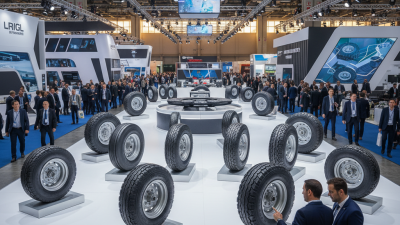
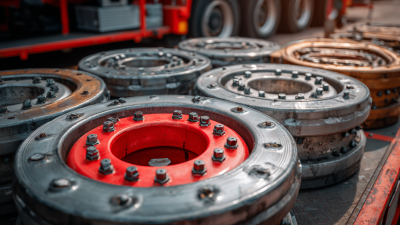
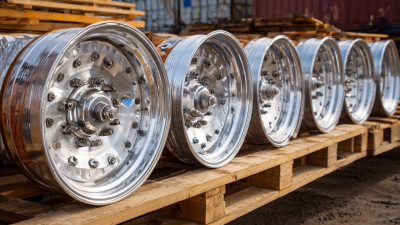
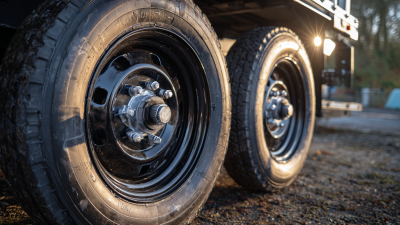
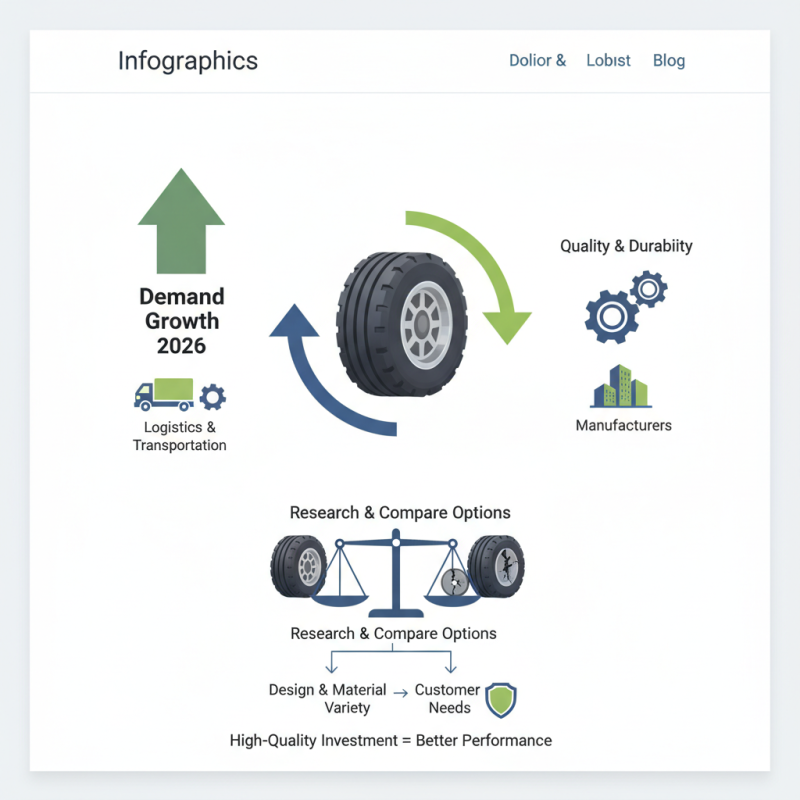
So, by 2026, we're pretty much expecting the demand for Solid Trailer Wheels to shoot up quite a bit. A lot of this growth is coming from industries like logistics and transportation — you know, those businesses that really rely on durable gear to keep things moving smoothly. Having reliable wheels isn’t just about convenience; it’s about safety and keeping everything efficient on the road.
A lot of buyers are now on the lookout for quality and toughness when choosing wheels. Companies like American Trailer Wheel Company and Global Wheels Inc. are stepping up to meet that demand. But here’s the thing—if you're shopping around, it’s super important to do your homework. Not all wheels are created equal, and picking the wrong ones could end up costing you more in the long run because it might affect performance or durability.
And let’s not forget, there’s quite a bit of variety in designs and materials out there. Some products might look good on paper but fall short in real life. So, it’s a good idea to really think about what you need before making a purchase. At the end of the day, investing in high-quality Solid Trailer Wheels can make a big difference—better performance, fewer headaches, and less worry during transport. It’s worth taking the time to get it right.
Top Solid Trailer Wheels Overview for Global Markets in 2026
In 2026, the global demand for solid trailer wheels is expected to see significant growth. Industries are shifting towards robust solutions that enhance durability and reduce maintenance costs. Solid wheels provide a reliable option for various terrains, accommodating heavy loads with ease. These wheels often withstand harsh conditions better than their pneumatic counterparts.
However, not all solid trailer wheels are created equal. Manufacturers must focus on materials and designs that optimize performance. Some wheels may struggle under specific environments, leading to wear and tear. This inconsistency can discourage buyers looking for dependable products.
Market research shows that customization is a vital aspect. Buyers want wheels tailored to their specific requirements, whether for agriculture, construction, or transportation. Offering a range of sizes and features can address these demands. Yet, not every manufacturer is able to provide these options effectively. This gap highlights the need for continuous improvement in the industry, emphasizing the importance of innovation and responsiveness to consumer needs.
Top Solid Trailer Wheels Overview for Global Markets in 2026
| Wheel Type | Material | Load Capacity (lbs) | Diameter (inches) | Price Range (USD) |
| Standard Solid Wheel | Polyurethane | 1500 | 12 | $150 - $200 |
| Heavy-Duty Wheel | Steel | 2500 | 16 | $250 - $300 |
| Lightweight Composite Wheel | Fiberglass | 1200 | 14 | $100 - $150 |
| All-Terrain Wheel | Rubber | 2000 | 15 | $200 - $250 |
| High-Performance Wheel | Aluminum | 3000 | 17 | $300 - $400 |
Key Features to Consider When Choosing Solid Trailer Wheels
Choosing the right solid trailer wheels is crucial. Durability and load capacity lead the list of key features. Data from industry reports indicate that the average load capacity for solid trailer wheels ranges from 1,500 to 3,500 pounds. Wheels with higher load capacities often offer better performance for heavy applications.
Materials play a vital role too. Solid rubber or polyurethane compositions provide excellent resistance to wear and tear. These materials also improve traction and reduce vibration, enhancing overall safety. Many buyers overlook the importance of wheel diameter. Larger wheels can roll over obstacles more easily, but they could affect maneuverability in tight spaces.
Maintenance-Free Trailer Wheels are increasingly popular. They require minimal attention, making them suitable for busy operations. However, users should still check for wear and ensure proper inflation levels. Some wheels may not perform well in extreme temperatures. It’s essential to consult performance specifications before making a decision. Features such as built-in shock absorption can also improve longevity and the overall driving experience. The right choice depends on careful consideration of these factors.
Major Manufacturers of Solid Trailer Wheels for 2026
In 2026, the global market for solid trailer wheels is set to grow significantly. Various manufacturers are stepping up, offering innovative solutions for customers. Solid Rubber Trailer Tires are becoming increasingly popular due to their durability and low maintenance needs. This trend reflects a broader shift towards sustainability in the trailer industry.
Leading manufacturers focus on producing wheels that are both reliable and efficient. Advanced materials and engineering techniques are being utilized to enhance performance. Buyers should consider the specific applications of solid trailer wheels. Different industries will benefit from distinct features. A mismatch between the wheel type and usage may lead to increased costs or safety risks.
Tips: When selecting solid trailer wheels, prioritize the load capacity. Be mindful of the environmental conditions where they'll be used. Proper alignment and regular inspection can substantially extend their lifespan. Remember, not all wheels fit all trailers. Choose wisely for optimal results.
Market Trends Influencing Solid Trailer Wheel Design and Usage
The solid trailer wheel market is evolving rapidly, driven by several key trends. According to a recent report by the Global Wheel Association, the demand for lightweight materials is rising. Manufacturers are exploring aluminum and composite options to improve efficiency. These materials reduce the overall weight, enhancing fuel efficiency in transport vehicles.
User safety is also a growing concern. With increased regulations regarding vehicle stability and performance, solid trailer wheels must adhere to stricter safety standards. Research indicates that 54% of users prioritize safety features over aesthetic appeal. Companies are developing innovative designs that integrate advanced braking systems for better control.
Sustainability remains a critical aspect of design. The market for eco-friendly trailer wheels is expected to grow by 30% by 2026. Consumers are increasingly requesting products made from recycled materials. However, challenges remain, particularly in sourcing reliable raw materials. This highlights a need for ongoing evaluation of supply chain practices. Companies must address these issues to stay competitive and responsible.
Regional Variations in Solid Trailer Wheel Demand and Preferences
In 2026, regional differences in demand for solid trailer wheels will shape the market. Understanding these variations is crucial for manufacturers and buyers alike. For instance, in the U.S. market, there’s a growing preference for lighter materials. These materials enhance fuel efficiency and overall performance. Many buyers lean towards durable options that ensure longevity and low maintenance costs.
However, in regions like Europe and Asia, trends differ. Buyers often prioritize eco-friendly materials. They seek solutions that reduce carbon footprints and promote sustainability. Solid trailer rubber tires gain attention due to their minimal environmental impact and robust performance. Yet, some consumers express concerns about the trade-off between durability and eco-friendliness.
In emerging markets, factors like affordability and availability play a significant role. Buyers may not always get what they prefer due to budget constraints. Quality assurance remains a significant challenge in these regions. While many companies strive to meet local standards, discrepancies can lead to customer dissatisfaction. Addressing these issues is critical for success in diverse markets.
Sustainability Considerations in Solid Trailer Wheel Production
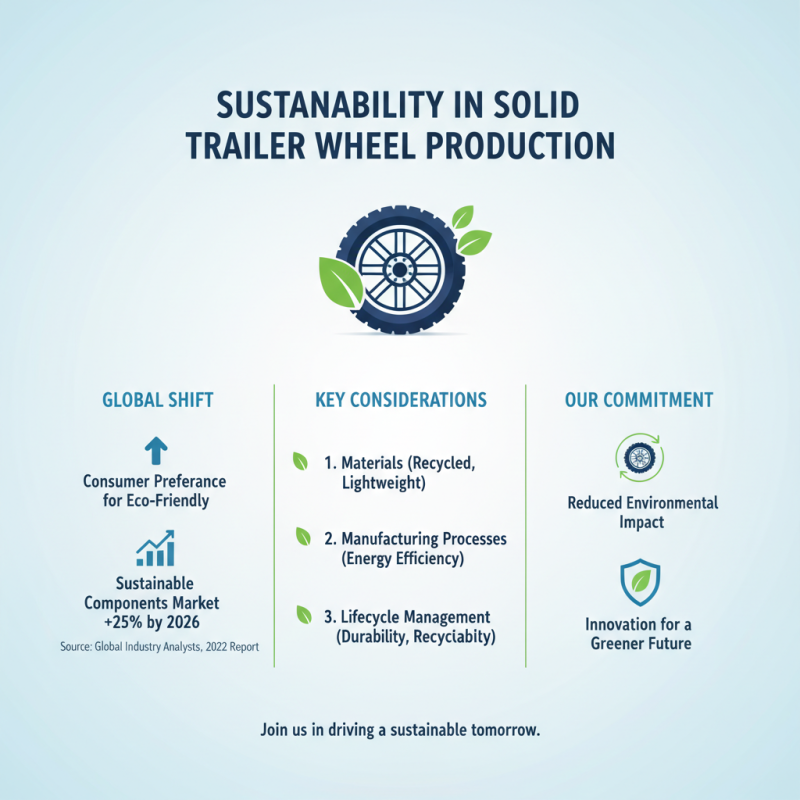
In recent years, sustainability has become a focal point in manufacturing across various industries. The production of solid trailer wheels is no exception. According to a 2022 report by Global Industry Analysts, the market for sustainable trailer components is projected to grow by 25% by 2026. This trend reflects a significant shift in consumer preferences toward environmentally friendly products.
The process of producing solid trailer wheels often involves the use of recycled materials. Many manufacturers have started integrating post-consumer waste into their designs. This shift not only reduces raw material consumption but also decreases energy usage. Data from the European Union suggests that utilizing recycled aluminum can cut energy costs by up to 90%. Nonetheless, there are challenges. The quality of recycled materials can sometimes vary, which raises concerns about performance and durability.
Furthermore, eco-design principles are being embraced. Companies are increasingly focusing on the entire lifecycle of the product. This includes the efficiency of the wheels in reducing fuel consumption during transport. However, balancing sustainability and performance remains a critical issue. Some manufacturers struggle to fully adopt these principles while maintaining high-quality standards. The road ahead is complex, and continuous improvement is necessary for the industry to meet both environmental and performance expectations.
Future Innovations in Solid Trailer Wheel Technology and Materials
The evolution of solid trailer wheel technology shows promising trends. Advanced materials are at the forefront, significantly impacting durability and performance. Research from industry experts indicates that innovative composites will replace traditional steel in 2026. These new materials increase resistance to wear and tear while reducing weight.
In addition, the focus is shifting toward sustainability. Reports suggest that by 2026, up to 30% of trailer wheels will incorporate recycled materials. This trend aligns with global efforts to reduce carbon footprints. However, this transition raises questions about longevity. Will recycled components provide the same reliability as new materials?
Furthermore, the integration of smart technology in wheel design is on the rise. Sensors embedded within the wheels can monitor pressure and temperature. This data is crucial for improving safety and longevity. Despite these advancements, inconsistencies in manufacturing processes could lead to variability in product quality. The need for rigorous testing remains critical as the market evolves. Meanwhile, Industrial Trailer Tires must adapt to these changes to maintain performance standards, a challenge that manufacturers must heed.
Top Solid Trailer Wheels Innovations Data for 2026
Comprehensive Guide to Mold-On and Cured-On Solid Tires: Benefits, Applications, and Selection Criteria
When it comes to choosing the right tires for industrial applications, understanding the differences between mold-on and cured-on solid tires is crucial. Mold-on solid tires combine features from traditional pneumatic tires and press-on solid tires, offering a versatile solution for heavy-duty equipment. Their design allows for seamless adaptability across various applications, including scissor lifts, aerial work platforms, and machinery used in underground mining and steel production. By capitalizing on the strengths of both pneumatic and press-on designs, mold-on tires effectively reduce common drawbacks, enhancing operational efficiency.
On the other hand, cured-on solid tires provide significant advantages, such as exceptional load capacity and minimal deformation under extensive use. These tires ensure excellent stability and safety, making them an ideal choice in demanding environments. Notably, their installation process is straightforward, eliminating the need for pressing and reducing the risk of rim slippage. This combination of features makes cured-on tires a reliable option for industries where performance and safety are paramount. By understanding these benefits and applications, users can make informed decisions, ensuring optimal tire selection for their specific operational needs.
FAQS
: Solid trailer wheels are durable wheels designed for various terrains. They handle heavy loads efficiently.
Solid wheels withstand harsh conditions better. They require less maintenance and provide reliable performance.
Focus on durability, load capacity, and material composition. These factors impact performance significantly.
Load capacities typically range from 1,500 to 3,500 pounds. Higher capacities often enhance performance.
Solid rubber and polyurethane offer wear resistance. These materials improve safety and reduce vibrations.
Yes, larger diameters roll over obstacles better but may limit maneuverability in tight spaces.
They require minimal attention but should be checked regularly for wear. Performance can vary with temperatures.
Built-in shock absorption systems can enhance the overall driving experience and extend wheel life.
Not all manufacturers can provide tailored wheels. This gap indicates the need for industry improvement.
Some wheels may perform poorly in specific environments. It's crucial to review specifications before purchasing.
Conclusion
In 2026, the demand for Solid Trailer Wheels is expected to grow significantly as global markets evolve. This overview highlights key features that buyers should consider when selecting these wheels, such as durability, load capacity, and compatibility with various trailer types. The article also discusses the major manufacturers expected to lead the market and explores current trends that are shaping the design and usage of Solid Trailer Wheels, including advancements in materials and safety standards.
Regional preferences play a crucial role in influencing the demand for Solid Trailer Wheels, with variations in specifications and designs tailored to different markets. Additionally, sustainability considerations are becoming increasingly important in production practices, driving innovation towards eco-friendly materials and manufacturing technologies. As the industry looks ahead, future innovations promise to enhance performance and efficiency, solidifying the place of Solid Trailer Wheels in transportation solutions worldwide.