China has really become a go-to place for sourcing Polyurethane Solid Tires—those used on forklifts, warehouse carts, AGVs, and industrial platforms. But, honestly, the quality among suppliers can be all over the place. Just because a website looks sleek doesn’t mean they’ve got stable production under the hood. If you’re buying, it’s smart to look into how they control formulations, bonding processes, load testing, and what kind of after-sales support they offer.
Dr. Mihai Ionescu, who’s a pro when it comes to polyurethane materials, puts it this way: “A tire’s reliability depends on whether its formulation suits the environment it’s meant for.” And that really hits home. A tire designed for smooth indoor floors might totally flunk on rough concrete or oily surfaces. When evaluating, you gotta consider stuff like temperature, wheel size, hardness, and axle load—all at the same time. Even tiny details can make a big difference.
This guide gives you a look at some of the top Chinese suppliers, like Tianjin United Tire & Rubber Co., Qingdao GIG Rubber Co., Ltd., and Jiangsu Topower Tyre Co., Ltd. We’ve looked at their experience, communication, ability to customize, export history, and how solid their quality documentation is. Keep in mind, some of these suppliers might offer prices that seem really tempting, but their testing evidence could be limited. That’s definitely something to watch out for.
Choosing the right supplier isn’t just about comparing prices. You should ask for material data sheets, sample wheels, hardness reports, and details on tolerances. Find out whether their polyurethane is cast, injection-molded, or bonded to a steel core. It’s also a good idea to request references from other customers who’ve used their products in similar conditions.
No single supplier is perfect for every project, and even seasoned buyers can miss things like floor contamination, low temperatures in cold storage, or uneven loads. So, think of selecting suppliers more like a technical comparison rather than just ranking them. And remember, it’s always best to verify these details independently before making a purchase—better safe than sorry.
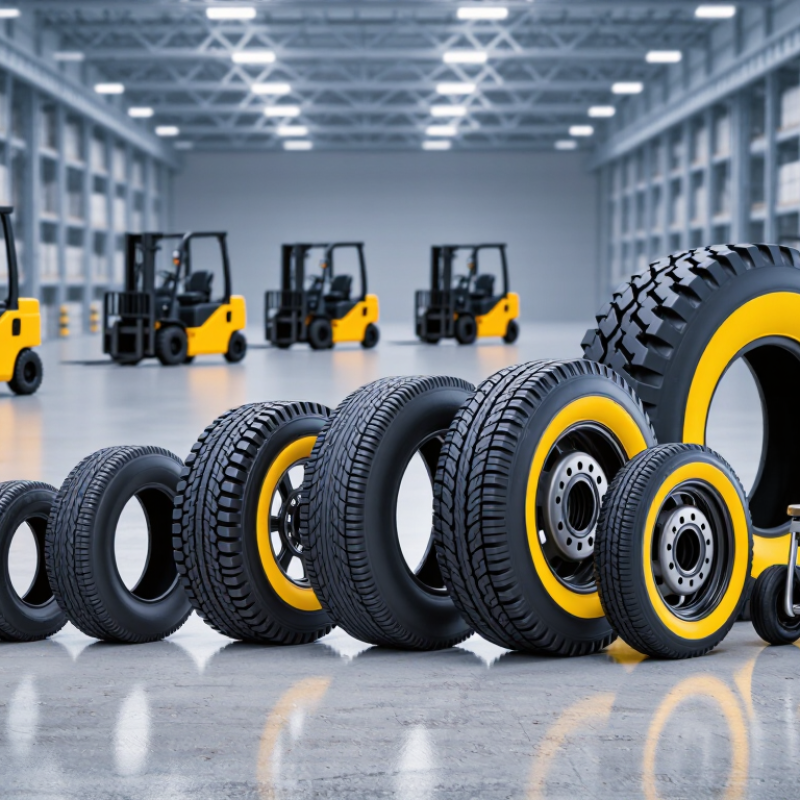
Polyurethane solid tires are non-pneumatic wheels made from resilient polyurethane elastomer, not air-filled rubber. Their dense body is molded around a steel or polymer core. This structure removes punctures, air leaks, and routine inflation. In warehouses, they support pallet trucks, carts, and compact material-handling equipment. A loaded cart feels stable when the tire meets a smooth concrete floor. The wheel also leaves less marking than many conventional rubber compounds. Yet “solid” does not mean indestructible. Excessive heat, sharp edges, or overload can damage the tread.
Compared with ordinary rubber wheels, polyurethane often offers lower rolling resistance and stronger abrasion resistance. It can remain quiet during indoor movement. Polyurethane Rubber Wheels are available in different hardness levels, tread shapes, and core designs. Softer grades improve grip and floor comfort. Harder grades carry heavier loads and roll efficiently.
Selection should match load per wheel, operating speed, floor condition, temperature, and exposure to oils or cleaning chemicals. Measuring only the outside diameter is a common mistake. Hub width, bearing fit, and axle size matter too.
A reliable supplier should provide load data, material specifications, and practical testing information. Ask how the stated capacity was measured. Real service conditions rarely match a perfect laboratory floor. In my experience, a small allowance for uneven surfaces improves safety and service life. Still, polyurethane tires are not ideal for every vehicle. Outdoor gravel, extreme heat, or frequent shock loads may require another design. Testing a sample before bulk purchasing remains sensible.
Polyurethane solid tires are valued for their puncture resistance, stable handling, and low maintenance. They suit warehouses, factories, carts, and light industrial vehicles. Unlike pneumatic tires, they do not lose pressure beside sharp metal edges. Their elastic polyurethane compound also absorbs moderate floor vibration. However, ride comfort depends on tire hardness, load, and surface quality.
When comparing Solid Tires Vs Pneumatic Tires, check more than price. A reliable supplier should provide load ratings, hardness data, dimensions, and test records. Important features include abrasion resistance, tear strength, rolling efficiency, and resistance to oils or cleaning chemicals. A well-matched tire should roll smoothly under a loaded cart, without visible sidewall distortion. Heat buildup deserves attention during long shifts. It can shorten service life. No tire is perfect.
Tips: Match the tire’s load rating with the real working load, not the empty vehicle weight. Measure the wheel rim carefully before ordering. Ask for samples or inspection data when possible. Check tread wear after several weeks of use. Small defects matter. Also, review storage conditions; sunlight, moisture, and excessive heat may affect polyurethane performance. Suppliers with clear technical support and consistent quality control are usually safer choices. Yet even good specifications need field verification, because actual floors and workloads can reveal weaknesses.
| Evaluation Dimension | Typical Data or Range | Why It Matters | Recommended Supplier Verification |
|---|---|---|---|
| Tire Material | Cast or molded polyurethane elastomer, commonly thermoset polyurethane | Provides high wear resistance, elastic recovery, and resistance to cutting compared with many conventional rubber compounds. | Request the polyurethane system type, technical data sheet, and curing or molding process details. |
| Hardness | Approximately 70–95 Shore A for many industrial solid-tire applications | Harder compounds generally reduce rolling deformation, while softer compounds improve shock absorption and floor protection. | Confirm the Shore A test method, tolerance, test temperature, and hardness uniformity across the tire. |
| Density | Typically about 1.10–1.25 g/cm³ for solid polyurethane elastomers; formulation dependent | Affects tire weight, inertia, load behavior, and handling performance. | Ask for density results from a recognized laboratory method and compare them with the approved specification. |
| Load Capacity | Depends on tire diameter, width, wheel design, hardness, and operating speed; commonly specified by rated load per tire | Correct load rating prevents excessive heat generation, deformation, and premature failure. | Require a load chart for the exact tire size and a stated safety factor for the intended vehicle. |
| Operating Speed | Application-specific; lower speeds are typical for heavily loaded material-handling equipment | Speed increases heat buildup and dynamic stress, especially under high loads or on long travel routes. | Check the combined load-and-speed rating rather than evaluating maximum speed alone. |
| Temperature Range | Often suitable for approximately −20°C to +80°C in general industrial service; exact limits vary by formulation | Low temperatures can reduce flexibility, while sustained high temperatures can accelerate aging and permanent deformation. | Request temperature-aging data and verify performance under the actual duty cycle. |
| Abrasion Resistance | Generally high; actual wear rate depends on hardness, load, floor condition, speed, and compound design | Lower wear can extend service intervals and reduce maintenance costs in high-cycle operations. | Request standardized abrasion results and, where possible, conduct a controlled field trial. |
| Rolling Resistance | Usually lower than pneumatic tires under equivalent solid construction, but highly dependent on hardness and profile | Influences battery consumption, traction, vehicle power demand, and operating temperature. | Ask for rolling-resistance or energy-consumption test data using the intended load and floor surface. |
| Chemical Resistance | Generally good against oils, greases, and many industrial chemicals; strong acids, bases, solvents, and prolonged exposure require testing | Chemical compatibility affects swelling, softening, cracking, and dimensional stability. | Provide the exact chemicals, concentration, temperature, and exposure time for compatibility testing. |
| Water and Moisture Resistance | Good for many industrial polyurethane grades; hydrolysis resistance depends on polyester- or polyether-based chemistry | Wet or humid environments can affect long-term strength and service life. | Confirm hydrolysis-resistance data when tires will operate outdoors, in washdown areas, or in humid facilities. |
| Floor Protection and Noise | Non-marking formulations and softer tread compounds are available; noise level depends on tread, hardness, speed, and floor condition | Important for warehouses, clean areas, hospitals, retail facilities, and noise-sensitive workplaces. | Request non-marking confirmation, floor-trial results, and measured noise data where applicable. |
| Tread and Wheel Fit | Available with smooth, ribbed, or patterned profiles and different wheel or hub configurations | The profile and fit affect traction, steering effort, stability, mounting safety, and wear distribution. | Verify outside diameter, section width, hub dimensions, bearing arrangement, concentricity, and mounting tolerances. |
| Quality Control | Key checks include hardness, dimensions, concentricity, bonding, visual defects, and load-performance testing | Consistent production reduces vibration, uneven wear, separation, and fit-related failures. | Request inspection records, batch traceability, sampling plans, calibration records, and pre-shipment inspection procedures. |
| Customization Capability | Common options include compound hardness, color, tread profile, dimensions, hub design, and special chemical or temperature resistance | Customization allows the tire to match the vehicle, load, floor, climate, and operating cycle. | Evaluate prototype capability, tooling control, engineering support, minimum order quantity, and repeat-order consistency. |
Note: The values shown are general industrial reference ranges. Final specifications should be confirmed for the exact tire size, polyurethane formulation, vehicle, load, speed, floor condition, and operating environment.
Polyurethane solid tires serve demanding applications where punctures, downtime, and uneven floors create costly interruptions. In warehouses, forklifts use them for intensive indoor handling. Their non-marking compounds protect polished concrete while supporting stable loads. According to Interact Analysis, global warehouse automation spending is projected to exceed $50 billion by 2027. This growth is increasing demand for durable tires on automated guided vehicles, pallet trucks, and tow tractors.
Construction sites need a different performance balance. Solid polyurethane tires support compact loaders, scissor lifts, and material carts around debris and rough surfaces. They resist cuts better than many pneumatic alternatives, but they are not indestructible. Poor wheel alignment can cause uneven wear within weeks. That detail is often ignored during purchasing.
Airport and manufacturing operations also depend on consistent rolling performance. Ground-support carts require low maintenance during long operating shifts. Production plants value polyurethane tires on transfer carts, robotic platforms, and heavy-duty dollies. A 2023 report from Grand View Research valued the global polyurethane market at over 80 billion dollars, with industrial applications representing a significant share. However, market data rarely separates solid-tire demand clearly. Buyers should verify load ratings, floor temperature, speed, and turning cycles through field testing, not catalog claims alone.
China Top Polyurethane Solid Tires Suppliers: How to Evaluate a Reliable Tire Supplier
A reliable polyurethane solid tire supplier should prove performance, not just offer attractive prices. In factory audits, I check traceability from raw material batches to final inspection. Each tire should have recorded hardness, dimensions, load capacity, and curing conditions. Ask for test reports using recognized methods, such as ASTM D2240 for hardness, ASTM D395 for compression set, and ISO 37 for tensile properties. These details reveal more than a polished catalog.
According to Grand View Research’s 2024 polyurethane market analysis, the global polyurethane market reached about USD 78.1 billion in 2023. It also forecasts a 6.8% compound annual growth rate from 2024 to 2030. This growth increases supplier choices, but not necessarily supplier quality. Request samples for your actual floor conditions. Test them under heat, oil exposure, sharp turning, and uneven loads. A sample may perform well in a showroom and fail beside a loading dock. I have seen this gap overlooked.
Tips: Check whether the supplier owns production equipment or relies heavily on subcontractors. Review batch records, inspection tools, and corrective-action reports. Confirm delivery capacity with a small trial order. Communication matters, too. Slow answers often become slower problem-solving. Do not trust one test result. Compare at least three batches, because polyurethane consistency can change. A complete evaluation takes time, and rushing it is an easy mistake.
Use a weighted evaluation model to compare suppliers objectively. The suggested priorities reflect the main factors that influence polyurethane solid tire quality, safety, operating performance, and long-term value.
Recommended evaluation weights: product quality and testing should receive the highest priority, followed by application performance, compliance, delivery capability, customization, and total cost.
China’s polyurethane solid tire suppliers serve warehouses, forklifts, carts, and industrial platforms. Their advantage is practical: stable dimensions, low maintenance, and resistance to punctures. Solid Skid Tires are especially useful where sharp debris and frequent turning damage pneumatic tires.
Industry reports support this demand. Grand View Research identifies material performance and industrial handling as major polyurethane market drivers. MarketsandMarkets also forecasts continued growth in polyurethane applications through this decade, supported by logistics and manufacturing investment. These reports show direction, not a purchasing guarantee. Buyers still need verified test data.
Leading polyurethane solid tire suppliers in China should provide Shore A hardness, rated load, rolling resistance, and temperature limits. Ask for samples from the exact production compound. A tire that looks smooth may become brittle near a cold loading dock. During supplier reviews, I would inspect tread bonding, wheel concentricity, and batch records. Small defects can create vibration under heavy loads. ISO-based quality systems are useful, but they do not replace field trials. A 30-day test on real floors is more convincing than a polished brochure. This step is sometimes skipped. That is a mistake. Suppliers should also explain customization limits, mold charges, delivery capacity, and after-sales inspection procedures. Reliable communication matters when dimensions or axle loads change.
Selecting China’s top polyurethane solid tires suppliers requires more than comparing prices. A reliable supplier should provide batch records, material data, and test results for every production run. Key checks include load capacity, hardness, abrasion resistance, rolling resistance, and temperature performance. Samples should be tested on the actual floor surface, not only in a laboratory. Small differences in wheel diameter can affect conveyor height and machine balance.
Customization often covers tread patterns, hub materials, axle sizes, colors, and unusual operating temperatures. A technical team should confirm drawings before production begins. It should also explain whether polyurethane is suitable for oil exposure, heavy loads, or outdoor use.
Some buyers search for Solid Rubber Tires, but polyurethane wheels behave differently and need separate performance evaluation. The wrong compound may look acceptable yet wear quickly under sharp turning.
Export service is another practical measure of supplier reliability. Professional suppliers prepare commercial invoices, packing lists, certificates of origin, and clear carton markings. Strong packaging prevents crushed hubs and scratched surfaces during long ocean transport. Communication matters too. One missed tolerance can delay installation for weeks. I would request a pilot order first. It reveals production consistency, response speed, and packaging quality. No supplier is perfect. A careful review should include both documented strengths and unresolved technical questions.
They suit warehouses, factories, carts, and light industrial vehicles. They resist punctures near sharp metal edges. Their elastic compound absorbs moderate floor vibration.
Match the rating with the fully loaded vehicle, not its empty weight. Include cargo, operators, and uneven load shifts. An underrated tire may develop sidewall distortion.
Measure the rim diameter, tire width, hub size, axle opening, and overall tire diameter. Small dimensional errors can affect machine balance. Measure twice.
Request hardness, compression set, tensile, abrasion, and load-capacity records. Recognized methods can make comparisons clearer. One test result is not enough.
Use samples on the actual floor. Test heat, oil exposure, sharp turns, uneven loads, and long shifts. A showroom floor may hide weaknesses.
Ask for raw-material batch records, curing conditions, inspection results, and corrective-action reports. Check whether production equipment is owned or subcontracted. Traceability matters.
Custom options may include tread patterns, hub materials, axle sizes, colors, and operating-temperature requirements. Confirm technical drawings before production. A wrong compound may wear quickly.
Review packing quality, carton markings, invoices, origin documents, and delivery capacity. Inspect hubs for crushing or scratches. Start small. Then compare several batches.
Polyurethane Solid Tires are durable, resilient tires made from polyurethane compounds and designed for equipment that needs dependable load support and reliable performance. Their resistance to abrasion, cuts, and many common industrial fluids, along with low rolling resistance and minimal maintenance needs, makes them suitable for material-handling equipment, warehouse vehicles, manufacturing operations, and other demanding industrial settings. Selecting the right tire involves considering load capacity, operating speed, floor conditions, temperature, and the equipment’s compatibility requirements.
When comparing polyurethane solid tire suppliers in China, buyers can assess manufacturing experience, material consistency, product testing, quality-control procedures, and the supplier’s ability to provide technical support. Relevant quality standards and documented inspection processes help clarify product expectations, while customization options may include dimensions, hardness, color, and bonding requirements. For international purchases, clear communication, secure packaging, export documentation, and dependable delivery coordination are also important factors in building a reliable supply relationship.