Yantai Wonray Tyre Co., Ltd.
Leave Your Message
0%

China’s wheel loader market is really picking up in areas like aggregates, ports, recycling yards, and big infrastructure projects. Now, these places don’t just need cheap tires—they need tires that can handle the job. Why? Because in a typical shift, the tire’s gotta deal with sharp stones, heavy buckets, heat, and lots of braking. That’s a lot of stress for any tire!

According to Grand View Research’s global report on off-highway tires, construction and mining equipment are the biggest drivers here. They point out that replacement sales, how much equipment gets used, and tire durability are key factors influencing the market. The Freedonia Group’s study agrees too — it links tire demand to construction activity, how many hours equipment runs, and the tough conditions they work in. All of this stuff should matter a lot if you’re comparing Chinese suppliers.

But here’s the thing: the best suppliers don’t just look good on paper. You want to see real details—things like load ratings, tread materials, size consistency, bead quality, heat resistance, and actual test results. Certifications from TRA, ETRTO, or ISO 9001 are helpful for understanding the technical side, but, honestly, they don’t guarantee how a tire will perform in the real world. That’s a point worth paying attention to.

Richard Smallwood, who used to be the CEO at Titan International, used to say, “The tire’s the only thing connecting the machine to the ground.” Pretty simple, right? But it really hits home. If you pick the wrong tires, you might end up with more vibration, more downtime, higher fuel costs, and tired operators.

This guide takes a closer look at China’s top tire suppliers, focusing on their product range, manufacturing experience, quality checks, ability to customize, and after-sales support. We also look at real-world conditions—things like wet yards and rocky quarry roads. Some suppliers might have impressive claims, but don’t forget—always ask for test records, warranty info, and customer references before pulling the trigger. Even the biggest factories can sometimes produce the wrong tire for a specific loader, duty cycle, or surface—so a little due diligence goes a long way.
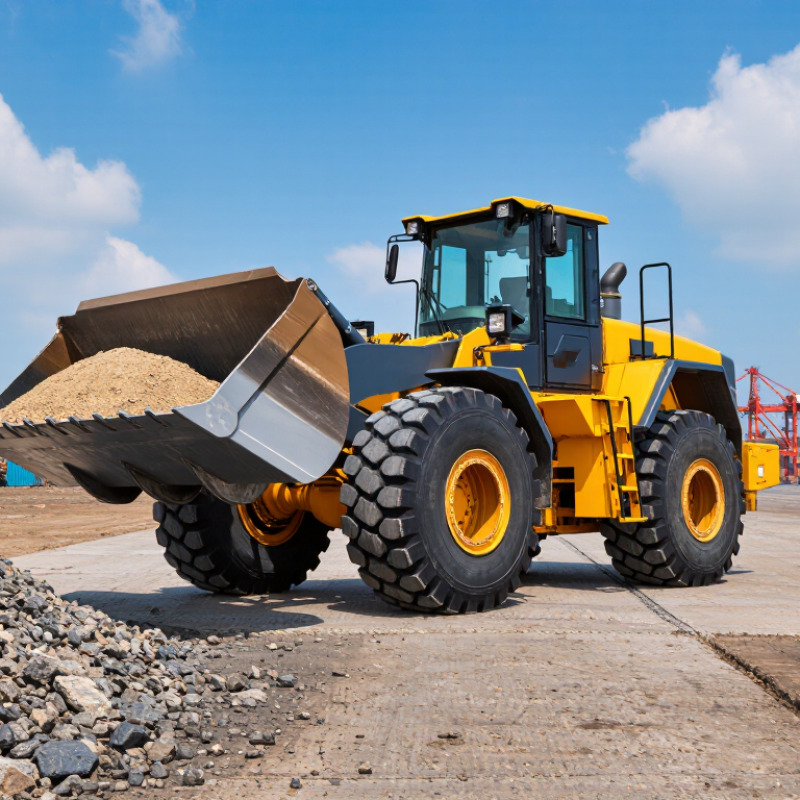
China Top Resilient Wheel Loader Tires Suppliers

Resilient Wheel Loader Tires: Definition, Structure, and Key Benefits

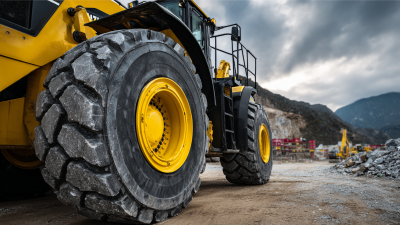
Resilient Wheel Loader Tires are solid, airless tires designed for demanding construction and quarry work. They resist punctures from scrap metal, broken rock, and sharp aggregate. Unlike pneumatic tires, they do not depend on air pressure for basic operation. Their structure usually includes a tough tread, an elastic cushioning layer, and a reinforced inner base. Each layer controls wear, heat, and shock differently.

A 2024 Smithers off-highway tire market outlook estimates that off-road tire demand may grow by about 4% annually through 2028. This growth reflects rising equipment use, replacement needs, and tougher worksite conditions. The U.S. Tire Manufacturers Association also emphasizes correct tire selection, load control, and regular inspection as key safety factors.

Daily Inspection
In daily inspections, operators should check tread chunking, sidewall cuts, exposed reinforcement, and unusual heat marks. Small cracks matter.

Key Consideration
For suppliers, technical evidence matters more than attractive specifications.

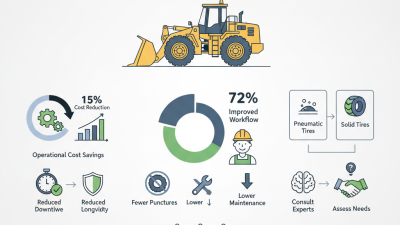
Buyers should request load ratings, compound details, hardness data, test records, and batch traceability. A resilient tire can lower downtime because puncture repairs become less common. However, its higher rolling resistance may increase fuel use on long travel routes. That trade-off is easy to overlook.

Actual performance also depends on loader weight, cycle speed, surface temperature, and operator habits. Supplier claims should therefore be compared with controlled field trials, not brochures alone. In my view, the best purchasing decision combines laboratory data with inspection records from similar applications.

How to Evaluate China’s Top Resilient Wheel Loader Tire Suppliers

China’s top resilient wheel loader tire suppliers should be judged through evidence, not catalog claims. The China Construction Machinery Industry Association reported 33,109 loader exports in 2023. That demand requires stable tires across ports, quarries, and construction sites. Ask suppliers for casing test results, load ratings, tread depth, heat resistance, and failure records. A supplier should explain performance under your actual loads and cycle times.

ISO’s 2022 Survey recorded 1,265,216 valid ISO 9001 certificates worldwide. Certification supports process control, but it does not guarantee strong loader tires. Review batch traceability, compound inspection, curing records, and independent test reports. Request field data from similar machines. Check sidewall cracking, bead damage, irregular wear, and average operating hours. One small weakness can become expensive downtime.

Tips: Compare at least three suppliers using the same tire size and duty cycle. Request a controlled trial on one loader for 60–90 days. Measure tread loss, fuel use, heat, and downtime. Do not trust perfect spreadsheets. Real sites are dusty, uneven, and often overloaded. A supplier that admits limitations may be more reliable than one promising universal performance. Also confirm warranty terms, replacement procedures, production capacity, and export documentation before signing.

China Top Resilient Wheel Loader Tire Suppliers: How to Evaluate Them

A practical supplier-evaluation model for resilient wheel loader tires. The percentages represent recommended procurement weightings rather than data from any specific company or brand.

Product durability and cut resistance receive the highest weighting because wheel loaders commonly operate on abrasive surfaces and in heavy-duty cycles. Load capacity, casing quality, compliance documentation, delivery reliability, and after-sales support should also be verified through technical records, samples, inspections, and customer references.

Major Types of Resilient Tires for Different Wheel Loader Applications

China Top Resilient Wheel Loader Tires Suppliers

Wheel loader jobs demand different resilient tire designs. Resilient Rubber Tires suit warehouses, ports, recycling yards, and paved construction zones. Their puncture resistance reduces downtime around nails, scrap, and sharp aggregate. A 2024 IMARC Group assessment valued the global off-highway tire market at roughly US$5 billion in 2023, showing strong demand for durable equipment tires.

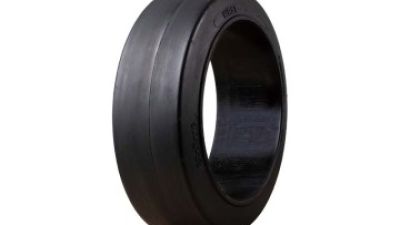
Solid resilient tires provide maximum stability on hard surfaces. They work well on forklifts and compact loaders moving slowly indoors. Semi-solid tires add limited cushioning, which helps on mixed surfaces and short outdoor routes. Press-on resilient tires support clean floors and precise handling. They are less suitable for deep mud or loose sand.

Pneumatic-shaped resilient tires offer a different balance. Their layered construction improves comfort while resisting punctures. Choose them for loaders working between paved yards and uneven access roads. Trelleborg Wheel Systems’ 2023 industry report noted that application, load, and surface conditions remain key tire-selection factors. That sounds obvious, but buyers still overlook heat buildup. I have seen hard compounds perform poorly after repeated high-cycle loading.

Tread depth matters. So does wheel position. A 2024 report from the European Tyre and Rubber Manufacturers’ Association connected replacement demand with operating hours, vehicle weight, and maintenance quality. Suppliers should provide load charts, compound details, temperature limits, and test evidence. A cheap tire can become expensive when steering precision fades or vibration reaches the operator.

China Top Resilient Wheel Loader Tires Suppliers - Major Types of Resilient Tires for Different Wheel Loader Applications

Resilient Tire Type Typical Wheel Loader Application Common Size Range Main Construction Key Performance Characteristics Recommended Operating Environment Important Selection Factors
Solid Rubber Tires Compact wheel loaders, indoor material handling, recycling yards, and short-distance site work Approximately 10.00-16 to 405/70-20, depending on equipment design Solid rubber compound with steel or reinforced carcass structure No air-pressure maintenance, high resistance to punctures and cuts, stable handling, but a firmer ride and higher shock transmission Scrap, demolition debris, paved yards, warehouses, and areas with frequent sharp-object hazards Machine axle load, rim compatibility, working speed, floor protection, and heat generation during continuous travel
Resilient Cushion Tires Small loaders operating on concrete, asphalt, and compact industrial surfaces Typically 8.25-15 to 12.00-20 in industrial formats Rubber tread and resilient cushion layers mounted on a rigid wheel or steel band Low rolling deflection, good lateral stability, puncture-free operation, and limited ground clearance compared with pneumatic tires Smooth industrial floors, paved loading areas, indoor recycling facilities, and controlled work zones Clearance under the axle, rim or wheel design, turning radius, surface temperature, and required ride comfort
Foam-Filled Pneumatic Tires Compact and medium wheel loaders working on mixed surfaces where punctures are common Common pneumatic bases include 12.5/80-18, 14.00-24, 17.5R25, and similar sizes Conventional pneumatic tire filled with a polyurethane-based foam rather than compressed air Excellent puncture resistance, increased stability, reduced bounce, and heavier tire weight than air-filled alternatives Demolition, quarry access roads, recycling, construction sites, and uneven ground with debris Foam density, heat buildup, maximum travel speed, wheel strength, machine operating weight, and serviceability
Pneumatic Radial Tires with Reinforced Casing Medium and large wheel loaders requiring traction, flotation, and operator comfort 17.5R25, 20.5R25, 23.5R25, 26.5R25, and 29.5R25 are common loader sizes Steel-belted radial casing with reinforced sidewalls and specialized tread compounds Good ride comfort, efficient heat dissipation, high traction, and improved footprint distribution when correctly inflated Quarries, aggregate yards, mines, earthmoving projects, and general construction applications Load-and-carry distance, TKPH or heat limits, tread pattern, ply or load index, inflation pressure, and ground conditions
Deep-Tread Cut-Resistant Tires Rock handling, underground loading, quarry loading, and applications involving sharp aggregate Commonly 20.5R25, 23.5R25, 26.5R25, and 29.5R25 Heavy-duty casing with thick tread blocks and compounds designed to resist cuts, chips, and abrasion High resistance to tread penetration and chunking, strong traction, and long wear life in abrasive conditions Rock faces, blasted stone, crushed aggregate, slag handling, and unpaved haul routes Rock size, haul distance, ambient temperature, cut severity, tread depth, and repair capability at the worksite
High-Flotation Tires Loader work on soft soil, sand, mud, stockpiles, and low-bearing-capacity surfaces Wide configurations such as 600/65R25 and other approved wide-base sizes Wide radial casing with a large contact area and tread pattern designed for flotation and self-cleaning Lower ground pressure, improved flotation, reduced rutting, and good stability on loose surfaces Sand pits, agricultural sites, waste transfer areas, wet yards, and soft construction ground Available rim width, fender clearance, axle capacity, soil condition, flotation requirement, and steering response
Heat-Resistant Loader Tires Long-cycle loading and carrying where tires operate continuously at elevated temperatures Usually selected from 20.5R25 to 35/65R33 sizes according to loader capacity Heat-dissipating radial casing and compound engineered for extended high-load service Improved resistance to thermal fatigue, casing separation, and accelerated wear during repeated cycles Large aggregate yards, cement plants, slag handling, ports, and high-production load-and-carry routes Payload, cycle length, average speed, haul distance, ambient temperature, inflation pressure, and TKPH rating
Smooth or Ribbed Industrial Tires Indoor or paved applications where surface protection and directional stability are priorities Industrial sizes commonly ranging from 10.00-16 to 17.5R25, subject to loader approval Solid or pneumatic construction with a smooth, ribbed, or closely spaced tread pattern Low surface marking, predictable steering, reduced vibration on hard floors, and limited loose-soil traction Warehouses, ports, paved depots, concrete plants, and indoor aggregate handling areas Floor load limits, wet-surface grip, turning frequency, noise requirements, and allowable tire marking
Technical note: Tire sizes, load capacities, speed limits, inflation pressures, and heat ratings vary by tire construction and wheel loader model. Final selection should be checked against the machine manufacturer’s approved tire, rim, axle-load, and operating specifications.

Manufacturing Standards and Quality Control in China

China’s top resilient wheel loader tire suppliers increasingly treat manufacturing standards as measurable routines, not marketing language. Their Wheel Loader Solid Tires commonly follow documented quality systems, national requirements, and customer-specific load specifications. Engineers check dimensions, compound consistency, bonding strength, and heat resistance before production approval.

Quality control begins with incoming raw materials. Rubber batches receive identification codes and laboratory checks. Mixing temperatures and curing times are recorded for every production run. Operators then inspect the tire surface for cracks, trapped air, uneven tread, or poor molding. Small details matter. A two-millimeter variation can affect steering stability on rough quarry floors.

Load testing simulates demanding work. Tires are mounted on test wheels and exposed to repeated compression, heat, and lateral movement. Inspectors measure deformation, hardness, and temperature changes. Independent audits and traceable inspection records add confidence for overseas buyers. However, no factory is perfect. A supplier may pass routine tests yet overlook unusual axle loads or severe stop-start cycles. That weakness deserves discussion before purchase. Practical buyers should request test methods, sampling rates, batch records, and failure-response procedures. Clear evidence is more useful than impressive claims.

Field experience also guides improvement. Returned tires can reveal tread chunking, premature wear, or heat buildup. Engineers compare those findings with production data and revise compounds, molds, or inspection points. This cycle supports safer, more consistent performance in ports, recycling yards, construction sites, and mines.

Performance Factors: Load Capacity, Durability, and Traction

Choosing China top resilient wheel loader tires requires more than comparing prices. Load capacity comes first. A tire must support the loader, bucket, and changing material weight without excessive sidewall flex. During site inspections, I watch the tire contact patch under a full bucket. Uneven bulging often signals insufficient load support. Ask suppliers for load ratings, casing details, and recommended inflation pressures.

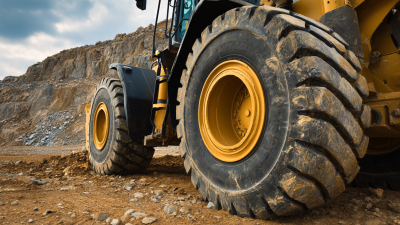
Durability depends on casing strength, tread depth, and heat control. Scrap Yard Wheel Loader Tires face sharp metal, broken concrete, and repeated turning. A deep, cut-resistant tread helps, but tread alone cannot prevent failures. Strong sidewalls matter near steel debris. I once trusted a thick tread too much and overlooked heat buildup during long shifts. The result was disappointing. Check operating hours, surface temperature, and repair records before selecting a tire.

Traction must match the working surface. Block patterns can grip loose gravel, while wider lugs may perform better in mud. On wet concrete, aggressive tread does not always mean safer movement. Test braking, steering, and bucket positioning under realistic loads. A dependable supplier should explain compound choices and provide test data, not vague promises. Confirm whether the tire suits your loader’s axle, speed, and duty cycle. Small mismatches can become expensive downtime. A local technical contact also improves pressure checks and replacement decisions.

How to Compare Suppliers, Products, Prices, and After-Sales Support

China Top Resilient Wheel Loader Tires Suppliers

When comparing Chinese suppliers, begin with product suitability, not the lowest quotation. Check tire size, ply rating, load capacity, tread depth, and rim compatibility. Ask for technical sheets and test records. For indoor warehouses, Non-Marking Wheel Loader Tires can reduce floor marks and maintenance complaints. Outdoor quarries need stronger sidewalls and deeper tread patterns. Conditions matter.

Request samples before placing a large order. Examine rubber consistency, bead finishing, tread symmetry, and surface cracks. A practical test should include turning, braking, and repeated loading on the actual worksite. Suppliers with documented quality controls usually provide clearer production records. However, documents can look impressive while field performance remains uncertain. I once focused too heavily on tread design and overlooked rim fitment. That mistake caused installation delays.

Price comparison should include shipping, tooling, taxes, replacement rates, and warranty terms. A cheaper tire may become expensive after several early failures. Ask how suppliers handle defective products, inspection claims, and urgent replacement needs. Reliable after-sales support should include a named contact, response times, and available spare inventory. Clarify whether technical advice comes from engineers or sales staff only. Short answers are not enough. A supplier’s willingness to discuss weaknesses often reveals more than polished promises.

China Press-On Solid Tires: Insights from Smithers, IMARC, and Grand View Research Reports

China’s press-on solid tire market is gaining attention as warehouses, factories, ports, and processing facilities seek durable solutions for demanding material-handling operations. Industry research reports commonly highlight rising demand for maintenance-free tires, improved workplace efficiency, and equipment capable of operating on abrasive or uneven industrial surfaces. Press-on solid tires are valued for their resistance to punctures, stable handling, and long service life, making them suitable for forklifts, industrial vehicles, anti-corrosion production lines, and milling equipment.

Advanced structural design, precision steel ring processing, and reliable bonding technology are essential to consistent performance. High-quality press-on solid tires can provide strong load capacity while maintaining low rolling resistance, helping reduce energy loss during frequent starts, stops, and tight maneuvering. Their solid construction also eliminates the risk of air loss, while carefully developed rubber compounds improve wear resistance and help prevent peeling under intensive use.

A dependable Chinese manufacturer can support different equipment requirements through a broad range of sizes and specifications. Maintenance-free construction simplifies fleet management by reducing downtime, inspections, and replacement frequency. With attention to compound formulation, dimensional accuracy, and bonding strength, these tires are designed to deliver reliable performance across diverse operating environments, including high-load warehouses, production facilities, and specialized industrial applications.

FAQS

How should buyers evaluate resilient wheel loader tire suppliers?

Judge suppliers through evidence, not polished catalogs. Request load ratings, casing tests, tread depth, heat limits, and failure records. Ask for field data from similar loaders. Perfect spreadsheets deserve suspicion.

Which operating details matter before selecting a tire?

Consider machine weight, axle load, duty cycle, speed, surface, and wheel position. A loader crossing paved yards needs different tires from one working in deep mud. Stop-start work can create serious heat. That detail is easy to miss.

Which resilient tire types suit different applications?

Solid tires suit hard floors and slow indoor work. Semi-solid tires add some cushioning on mixed surfaces. Press-on tires support clean floors and precise handling. Pneumatic-shaped designs suit paved yards and uneven access roads. Loose sand remains a poor match for many solid designs.

What quality records should a supplier provide?

Request raw-material codes, compound inspection results, mixing temperatures, and curing records. Also review dimensional checks, bonding strength, and heat-resistance results. Batch traceability matters. It helps connect defects with production dates.

What defects should buyers inspect during testing?

Check sidewall cracks, bead damage, trapped air, uneven tread, and molding flaws. Measure deformation, hardness, temperature, tread loss, and vibration. A two-millimeter variation may affect steering stability on rough floors. Small defects can create large downtime.

How can a buyer compare several suppliers fairly?

Compare at least three suppliers with the same tire size and duty cycle. Run a controlled trial on one loader for 60–90 days. Record fuel use, heat, downtime, and tread loss. Real sites are dusty and uneven. Results may still be imperfect.

Do certifications guarantee reliable loader tires?

No. Certifications support process control, but they do not prove field performance. Review independent tests and records from comparable machines. Ask how unusual axle loads and severe cycles are handled. Routine testing can miss real-site problems.

What warranty and supply details need confirmation?

Confirm warranty coverage, replacement procedures, production capacity, and export documents. Ask how failures are investigated and reported. Clarify response times before signing. A low price means little during an unexpected shutdown.

Is the cheapest resilient tire the best choice?

Not always. A cheap tire may increase vibration, steering difficulty, heat, or replacement frequency. Compare total operating cost instead of purchase price alone. A supplier admitting limitations may offer more useful advice.

Conclusion

Resilient Wheel Loader Tires are engineered to support heavy-duty loaders operating on construction sites, quarries, mining areas, and material-handling projects. Their reinforced structure, durable tread compounds, and strong sidewalls help resist punctures, cuts, abrasion, and deformation under demanding workloads. This article explains the main tire types suited to different ground conditions and applications, while highlighting how load capacity, tread design, traction, heat resistance, and service life influence overall performance.

It also provides a practical framework for evaluating China’s top resilient wheel loader tire suppliers. Buyers should review manufacturing standards, inspection procedures, material consistency, testing capabilities, production experience, and quality-control systems. A reliable comparison should consider product specifications, compatibility, pricing, delivery capacity, warranty terms, technical guidance, replacement support, and after-sales service. By assessing both tire performance and supplier reliability, equipment owners can make informed purchasing decisions that improve operational efficiency, reduce downtime, and achieve better long-term value.
Isabella

Isabella

Isabella is a dedicated marketing professional at Yantai WonRay Rubber Tyre Co., Ltd., where she embodies the company's core philosophy of "quality first, customer first, innovation first." With an extensive background in the rubber tyre industry, Isabella possesses profound expertise in the......
Previous Why Choose Solid Rubber Tires for Your Business?