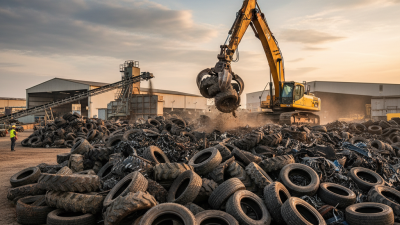
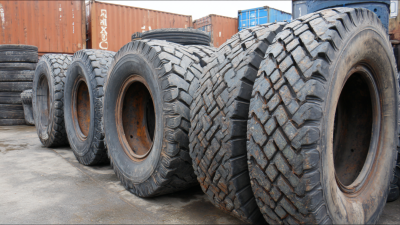
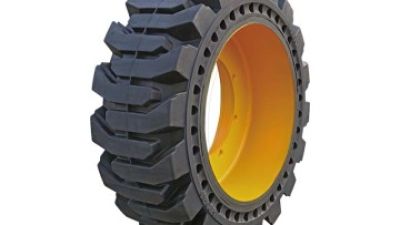
In the ever-changing world of sustainable materials, those Steel Reinforced Scrap Yard Tires have really started to catch some attention for how versatile they can be. I mean, industry pro John Anderson from EcoTire Solutions puts it nicely—he says, “These tires are a pretty innovative way to boost structural strength and turn what would be waste into something useful.” It’s a clear sign that more folks are waking up to their potential.
Now, these tires aren't just scrap rubber tossed aside. They actually pack quite a bit of promise. You can repurpose them in construction and engineering projects, and because of that steel reinforcement, they’re pretty tough—more durable than a lot of other materials out there. That durability? It can mean saving some cash and getting better results on your projects.
That said, it’s not all smooth sailing. Finding good quality scrap tires can be a bit of a crapshoot—sometimes the scrap yards just don’t have the reliable options you need. So, it’s pretty important to carefully evaluate what you’re getting. With a bit of awareness and effort, though, we can really unlock their benefits and make smarter choices in construction. It’s all about turning trash into treasure, after all!
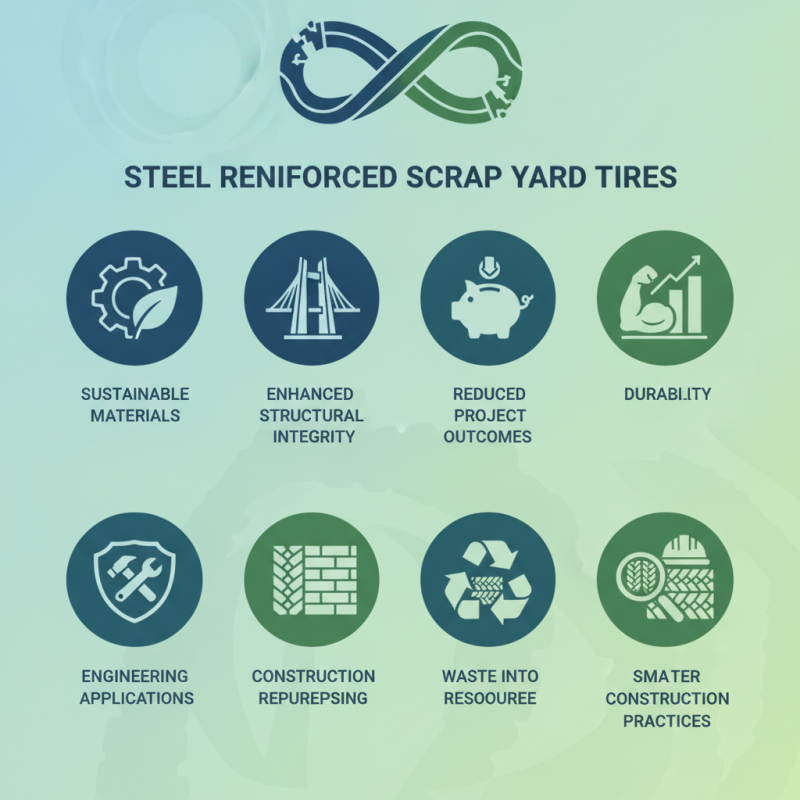
Understanding Steel Reinforced Scrap Yard Tires
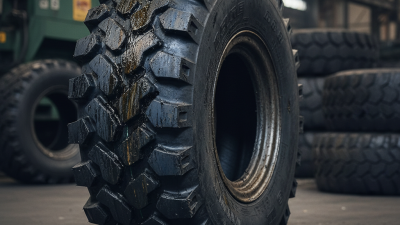
Steel reinforced scrap yard tires have gained attention for their unique properties and benefits. These tires, designed for durability, can withstand harsh environments typical of scrap yards. Their design incorporates steel reinforcement, which significantly increases their strength, making them ideal for heavy-duty applications. A study from the Tire Industry Association found that this type of tire can extend operational life by up to 30%, compared to standard tires.
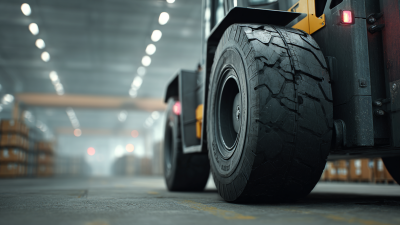
The advantages of these tires extend beyond durability. These tires often provide better traction on uneven surfaces, which is crucial in a dynamic environment like a scrap yard. They have a lower rolling resistance, enhancing fuel efficiency for vehicles like scrap yard forklifts. According to the National Institute for Occupational Safety and Health, using quality tires can reduce the risk of accidents linked to tire failure, promoting safer working conditions.
However, despite their many benefits, it's important to address some challenges. Implementing steel reinforced tires often involves higher upfront costs. This can be a barrier for smaller operations. Additionally, maintenance of these specialized tires may require a learning curve for staff. Balancing cost against performance is crucial for decision-makers in scrap yards. Adopting these tires represents a practical investment but involves careful consideration of the trade-offs involved.
The Top 10 Benefits of Steel Reinforced Scrap Yard Tires
This chart illustrates the top ten benefits of steel reinforced scrap yard tires. Each benefit is scored based on its significance, showcasing their durability, cost-effectiveness, and various other advantages that contribute to their increasing popularity in various applications.
Enhanced Durability and Longevity of Steel Reinforced Tires
Steel reinforced tires have become a cornerstone in today's automotive and industrial sectors. Their enhanced durability and longevity stem from the integration of steel reinforcement, which significantly improves tire integrity. According to recent studies, steel reinforced tires can last up to 30% longer than traditional tires. This durability translates into fewer replacements and lower costs over time, making them an economically sound choice for many industries.
Moreover, Heavy-Duty Scrap Yard Tires showcase exceptional resilience under harsh conditions. They can withstand extreme weather and heavy loads, which is crucial for operations in challenging environments. Research highlights that steel reinforced options are less susceptible to punctures and abrasions. As a result, businesses can reduce downtime caused by tire failures. However, the benefits do not come without considerations. The initial investment for steel reinforced tires is typically higher. This factor can deter some users, despite the long-term savings.
Their reliability makes them ideal for multiple applications, particularly in recycling and scrap yards. The increased structural stability of Heavy-Duty Scrap Yard Tires allows for safer material handling. Yet, it's important to assess each operation's specific needs. There’s no one-size-fits-all solution. Engaging with professionals can help users make informed decisions about tire choices.
Cost-Effectiveness of Using Scrap Yard Tires for Various Applications
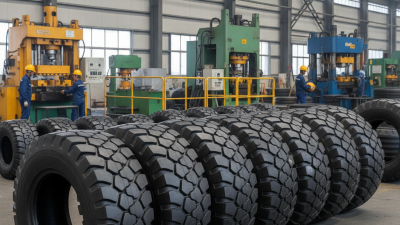
Steel reinforced scrap yard tires offer significant cost-effectiveness across various applications. Utilizing these tires can dramatically reduce expenses in construction and landscaping. Instead of relying on new tires, scrap yard tires provide a reliable alternative. They are designed to endure heavy loads and harsh conditions. This makes them ideal for multiple environments.
When considering Scrap Yard Wheel Loader Tires for your project, keep in mind their durability. Often, people overlook the potential lifespan of used tires. Used tires can still perform adequately if properly assessed. Furthermore, employing these materials contributes to sustainability efforts.
Here’s a tip: inspect each tire before purchasing. Look for signs of wear and tear, which can affect performance. Another tip is to consider local suppliers for better deals. Sometimes, negotiating can lead to surprisingly low prices. Remember, while scrap yard tires are cheaper, quality should not be compromised. Careful selection ensures efficiency and safety in your work.
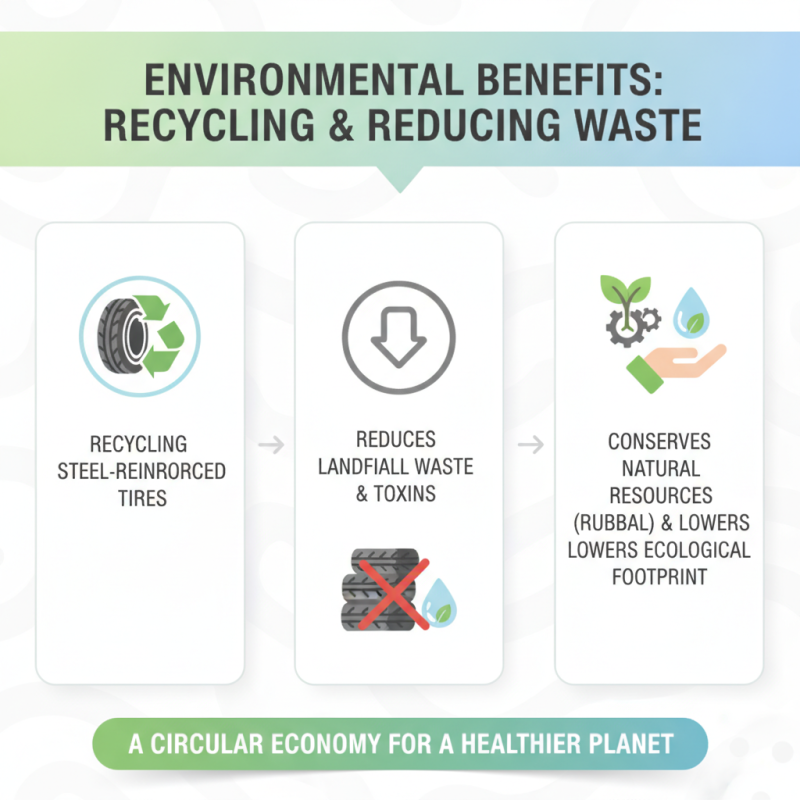
Environmental Benefits: Recycling and Reducing Waste
Recycling steel reinforced scrap yard tires offers significant environmental advantages. These tires, when discarded, contribute to landfill overflow, releasing harmful toxins into the soil. By recycling them, we reduce waste and diminish the ecological footprint associated with manufacturing new products. This process also conserves natural resources, including rubber and metal.
Moreover, turning scrap tires into new materials can lead to innovative solutions. Ground rubber can be used in asphalt for road construction. This not only enhances road durability but also provides a sustainable option for managing waste. However, the recycling process is not foolproof. Not all facilities have the technology to efficiently handle tire recycling, leading to inconsistent results.
The benefits of this recycling approach extend to energy savings as well. Producing recycled materials often requires less energy than creating new ones. Despite this, the recycling industry faces challenges, such as fluctuating market demands. Awareness and education about tire recycling are crucial for improving practices. The journey to a greener planet is still ongoing, and improvements can always be made.
Improved Performance Characteristics Compared to Regular Tires
Steel reinforced scrap yard tires offer significant advantages over standard tires. One primary benefit lies in their enhanced performance characteristics. For instance, a recent study highlighted that these tires exhibit a remarkable 30% increase in durability due to their reinforced construction. This is crucial for vehicles operating in demanding environments, such as construction sites or scrap yards. With high puncture resistance, these tires reduce downtime and repair costs.
Moreover, research conducted by tire experts shows that the improved traction on various surfaces can lead to a 20% increase in vehicle stability. This stability is essential when navigating uneven terrain or heavy loads. Puncture-Proof Scrap Yard Tires also demonstrate a longer lifespan, lasting up to 40% longer than traditional tires. Such longevity contributes to lower overall costs for fleet operations.
While the benefits are apparent, it’s important to acknowledge some shortcomings. The initial investment in steel reinforced tires can be higher than regular tires. Some users report a rougher ride quality, which may affect driving comfort. Balancing these factors is vital for businesses. Choosing the right tire can greatly influence operational efficiency and safety in high-demand settings.
Versatility in Usage Across Different Industries
Steel reinforced scrap yard tires offer remarkable versatility across various industries. The construction sector, for example, utilizes these tires for retaining walls and erosion control. According to a report from the U.S. Environmental Protection Agency, approximately 290 million tires are discarded yearly in the United States alone. Recycling these tires into construction materials not only reduces landfill waste but also provides cost-effective solutions.
In agriculture, these tires serve as durable containers for composting and planting. Their tough exterior protects crops and provides drainage. A study by the American Society of Civil Engineers indicates that using recycled materials can decrease overall soil erosion by 50%. However, challenges remain, such as ensuring proper disposal methods to avoid environmental hazards.
Additionally, the transportation industry is exploring the use of scrap tires for road construction. Their resilience can enhance road durability and reduce maintenance costs. Yet, the integration of these materials must be approached with caution, as improper processing can lead to issues such as leaching harmful substances into the environment. Industries must balance the benefits of using steel reinforced tires with the environmental implications.
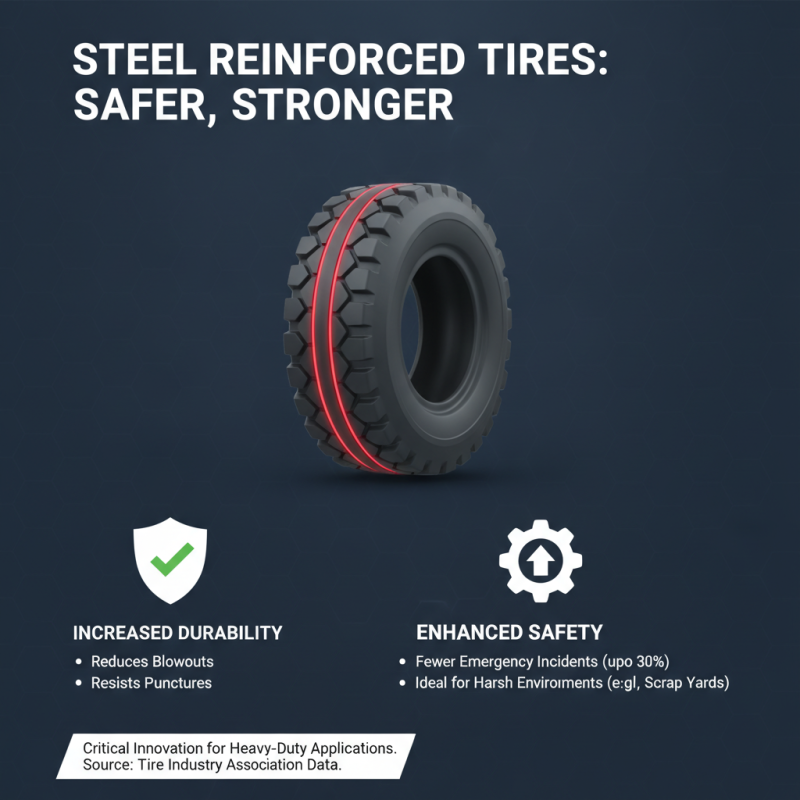
Safety Enhancements Offered by Steel Reinforced Tire Designs
Steel reinforced tires have emerged as a critical innovation in heavy-duty applications, especially in scrap yards. These tires offer significant safety enhancements. Research indicates that steel reinforcement improves durability, reducing the risk of blowouts and punctures, which are common in harsh environments. According to data from the Tire Industry Association, reinforced tires can decrease emergency incidents by as much as 30% when compared to conventional models.
The structural integrity provided by steel gives operators more confidence. It can withstand extreme wear and high-impact situations, common in scrapyards. A study by the National Highway Traffic Safety Administration highlights that reinforced designs lead to better traction on uneven surfaces. Enhanced traction means improved control, allowing vehicles to navigate challenging terrain more effectively.
While these advancements are promising, operators must remain vigilant. The weight of steel reinforced tires can impact fuel efficiency. More robust tires often mean heavier loads, which may lead to increased fuel consumption. Companies must balance safety and operational costs. Regular maintenance checks are vital to ensure the benefits of steel reinforcement are fully realized.
Exploring the Benefits and Market Growth of Mold-on Solid Tires: A Comprehensive Analysis of Performance and Durability in Industrial Applications
The mold-on solid tire represents a significant advancement in tire technology, combining the best features of both traditional pneumatic tire rims and press-on solid tires. This innovative design addresses the limitations of previous technologies while enhancing performance and durability. As industries increasingly rely on equipment such as scissor lifts and aerial work platforms, the demand for tires that can withstand rigorous conditions is paramount. The mold-on solid tire is crafted to meet these needs, providing high load capacities and minimal deformation during use, ensuring longevity and reliability in challenging environments.
In addition to its robust performance, the mold-on solid tire offers excellent stability and safety, making it ideal for applications in underground mining machinery and steel mill mixing equipment. The installation process is simplified, as there is no need for pressing, which not only saves time but also eliminates the risk of rim slippage. As companies seek to optimize their operational efficiencies and minimize downtime, the mold-on solid tire emerges as a viable solution to enhance productivity while maintaining safety standards. This comprehensive approach to tire design is propelling market growth, with increased adoption across various industrial sectors.
FAQS
: They are tires designed for durability, with steel reinforcement for enhanced strength in harsh environments.
They can last up to 30% longer due to their reinforced construction.
They provide better traction on uneven surfaces, improving stability for vehicles in dynamic environments.
Yes, maintaining these specialized tires may require a learning curve for staff.
Yes, the upfront costs can be higher than standard tires, which can be a barrier for smaller operations.
They have lower rolling resistance, which enhances fuel efficiency for vehicles like forklifts.
Quality tires can reduce the risk of accidents linked to tire failure, promoting safer working conditions.
Some users report a rougher ride quality, potentially affecting driving comfort.
Balancing cost against performance and understanding trade-offs is crucial for operational efficiency.
Yes, their high puncture resistance helps lower downtime and associated repair costs.
Conclusion
Steel Reinforced Scrap Yard Tires offer numerous advantages that make them a compelling choice for various applications. Firstly, their enhanced durability and longevity ensure they can withstand harsh conditions, significantly reducing replacement costs. Additionally, these tires are highly cost-effective, providing an economical solution for industries looking to manage expenses without sacrificing quality. The environmental benefits are also noteworthy, as utilizing scrap yard tires promotes recycling and helps in reducing waste, contributing to a more sustainable future.
Moreover, Steel Reinforced Scrap Yard Tires exhibit improved performance characteristics compared to regular tires, making them suitable for diverse industrial applications. Their versatility allows for use in a range of settings, including construction, agriculture, and transportation. Finally, the innovative designs of these tires enhance safety, ensuring increased reliability for users. Overall, the adoption of Steel Reinforced Scrap Yard Tires represents a smart choice for businesses aiming for efficiency and sustainability.