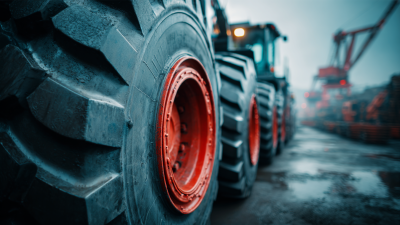
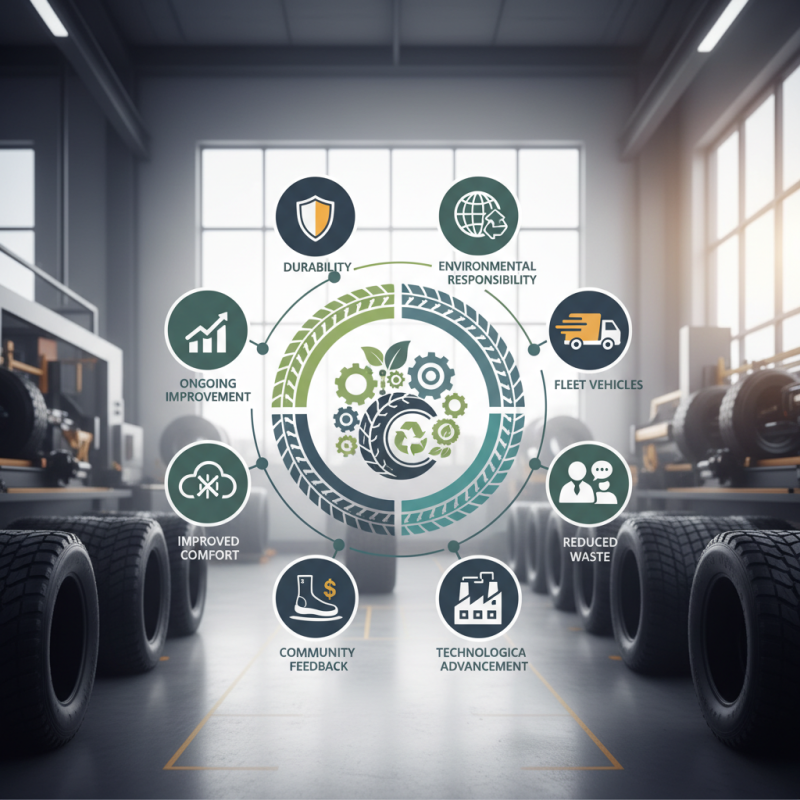
You know, the invention of Recyclable Solid Rubber Tires really marks a pretty big step forward in the tire world. They’ve got a bunch of perks that can boost both how well vehicles perform and how eco-friendly they are. These tires are seriously tough—they can handle rough conditions without breaking a sweat. Because of that, more and more companies are thinking about switching their fleet to these instead of the usual options.
On top of that, they’re kind of a win for the environment. Unlike your standard tires, which often turn into waste, these can be recycled, so they help cut down on junk. Still, it’s not all smooth sailing—companies want to go green but face some hurdles. Finding that sweet spot between good performance and being eco-friendly is tricky, and that's a real challenge for folks making decisions.
Manufacturers are also tinkering with new tech to make these tires even better. But honestly, not everything’s perfect yet. People’s feedback really matters—lots of users have mentioned concerns about how comfortable they feel and the noise levels. Fixing those issues is pretty important if we want more folks to give these a try. The whole ride towards fully adopting recyclable solid rubber tires is still in progress, and honestly, there’s always room to improve.
Advantages of Using Recyclable Solid Rubber Tires in Various Applications
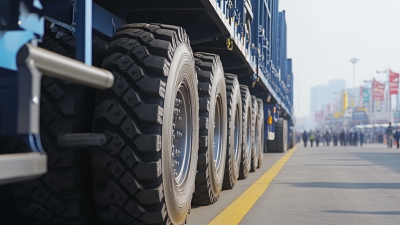
Recyclable Solid Rubber Tires are gaining popularity in various applications. Their durability and resistance to wear make them an excellent choice for industrial use. In construction sites, they withstand heavy loads without losing structural integrity. This makes them ideal for equipment and transport vehicles. Their performance can extend the lifespan of machinery, reducing operational costs.
In urban landscapes, solid rubber tires are often used in playgrounds and parks. Their ability to absorb shocks helps create a safer environment for children. However, not all installations prioritize environmental considerations. Some overlook recycling methods after the tires are retired. It’s crucial to ensure that these materials are reused properly.
Furthermore, solid rubber tires contribute to sustainability efforts. They can significantly reduce landfill waste. Recycled tires can be repurposed into new products. Yet, the recycling process itself can be energy-intensive. There’s room for improvement in how these materials are handled. Continued innovation is essential to maximize the benefits of recyclable solid rubber tires.
Environmental Impact of Recyclable Solid Rubber Tires
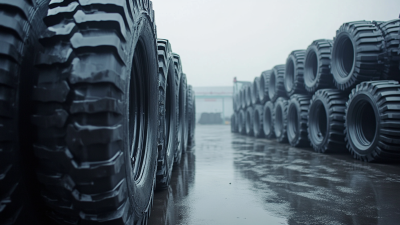
The environmental impact of recyclable solid rubber tires is profound. These tires offer a sustainable alternative, reducing landfill waste significantly. Traditional tires often end up in dumps, contributing to pollution. In contrast, 16 Solid Rubber Tires can be recycled multiple times, minimizing harmful effects on the planet.
Switching to recyclable solid rubber tires has numerous benefits. They are durable and last longer than conventional tires. This longevity means fewer tires are needed over time, which decreases resource extraction and production waste. However, the recycling process isn't perfect. Some facilities struggle with processing efficiency. This can lead to wasted materials that could have been reused.
On a positive note, these solid rubber options can also reduce tire-related emissions. When tires wear down, they often release harmful particles into the air. Solid rubber tires eliminate this issue. Yet, the initial production still requires energy and resources. Continuous improvements in the recycling methods can help address these challenges. The shift towards greener solutions is important, but it needs careful consideration of all aspects.
Top 10 Benefits of Recyclable Solid Rubber Tires
Cost Efficiency of Recyclable Solid Rubber Tires for Consumers and Industries
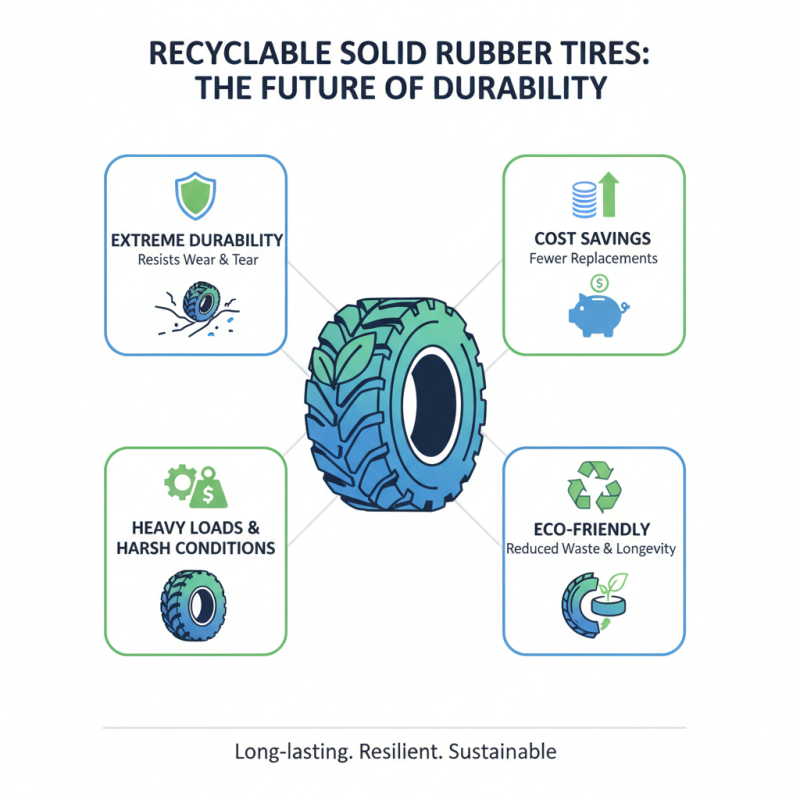
In recent years, recyclable solid rubber tires have gained popularity among consumers and industries. One key reason is their cost efficiency. Unlike traditional tires, solid rubber tires typically last longer. They resist wear and tear from harsh terrains. This durability means fewer replacements, leading to significant savings over time.
Moreover, since these tires are recyclable, their lifecycle costs decrease. Industries can save on disposal fees when tires reach the end of their life. Consumers benefit similarly. Although the initial purchase price may be higher, the long-term savings outweigh this upfront cost.
Consider the environmental impact too. Manufacturing new tires consumes valuable resources. By opting for recyclable solid rubber tires, both consumers and industries contribute to sustainability. However, it’s essential to evaluate local recycling capabilities. Not all regions have efficient systems in place. This can lead to missed opportunities. The effectiveness of using recyclable materials depends on local infrastructure. Balancing cost efficiency with sustainability requires careful thought.
Durability and Longevity of Recyclable Solid Rubber Tires
Recyclable solid rubber tires have gained attention for their durability and longevity. These tires can withstand heavy loads and harsh conditions. They resist wear and tear better than traditional tires. In various environments, they show impressive performance. This durability can lead to significant cost savings. Fewer replacements mean less waste.
When considering these tires, think about your specific needs. Do you operate heavy machinery? Then, Bulk Solid Rubber Tires might be ideal for you. The thick rubber absorbs shocks well. This feature extends the lifespan of both the tires and the equipment. Furthermore, they come with lower maintenance needs, which is a major plus.
Keep in mind, not all tires fit all applications. It's crucial to assess the terrain and workload. Heavy usage can still impact the lifespan. Regular inspections can help identify issues early. If you notice uneven wear, it may be time to adjust your approach. Choosing recyclable solid rubber tires wisely can optimize performance while being eco-friendly. Always prioritize durability in your decision-making process.
Reduction of Waste through Recycling Solid Rubber Tires
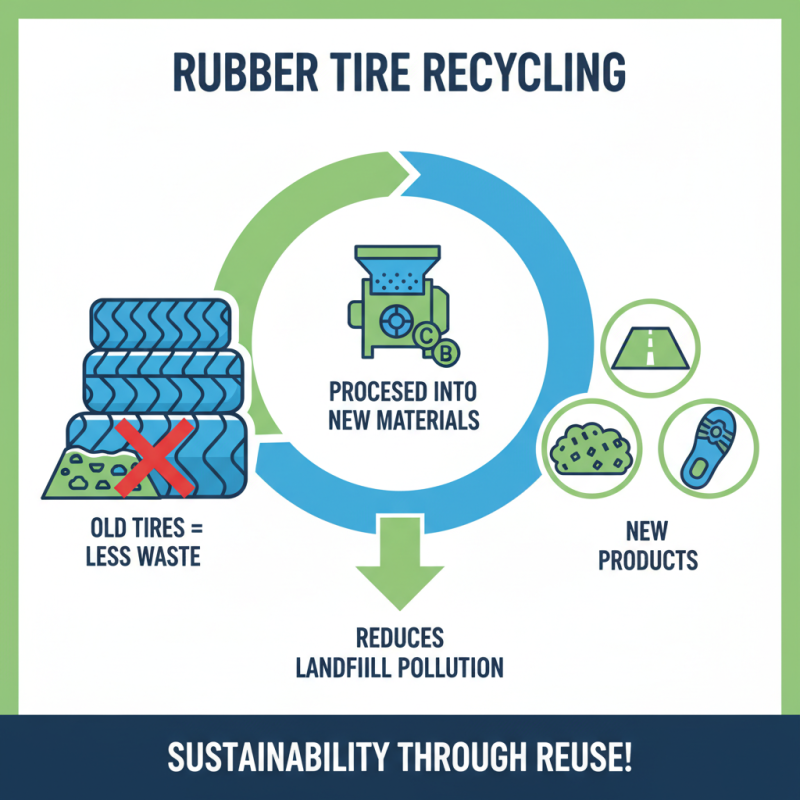
The recycling of solid rubber tires significantly reduces waste. Solid rubber tires often end up in landfills, taking years to decompose. Instead, they can be repurposed into various products. This process not only minimizes landfill contributions but also yields useful materials.
Recyclable solid rubber tires can transform into playground surfaces or rubber mats. These products provide safety and comfort. However, the recycling process can be complicated. It requires specialized equipment, which is not always accessible. This means not all facilities can participate in recycling programs.
By advocating for Solid Rubber 700c Tires, communities can foster a sustainable approach. This move could inspire more businesses to engage in recycling efforts. Still, awareness remains low, and that poses a challenge. Many don’t realize the environmental impact or benefits. Increased education around this topic is crucial for change. Individual efforts in recognizing and supporting recycling initiatives can lead to a cleaner, more sustainable future.
Performance Benefits of Recyclable Solid Rubber Tires in Different Conditions
Recyclable solid rubber tires offer various performance benefits across different conditions. In harsh environments, these tires deliver excellent traction and stability. For instance, studies show that solid rubber tires maintain grip on wet and slippery surfaces. This feature is critical for safety in industrial settings.
The durability of recyclable rubber tires is noteworthy. They withstand extreme temperatures and heavy loads. Reports reveal that these tires can last up to 50% longer than traditional options. This longevity reduces the frequency of replacements, lowering operational costs. However, wear and tear over time still presents challenges. Regular inspections are necessary to ensure optimal performance.
In terms of environmental impact, recyclable solid rubber tires shine. They reduce waste significantly. According to industry estimates, recycling rubber can decrease landfill contributions by more than 30%. Yet, not all recycling processes are efficient. Some methods can be energy-intensive. Striving for more sustainable approaches will enhance overall benefits in the long run.
Safety Considerations with Recyclable Solid Rubber Tires
When it comes to recyclable solid rubber tires, safety is a crucial factor. These tires are designed to be durable and resilient, but proper usage is vital. Overloading a vehicle can lead to tire failure. Therefore, weight limits should always be adhered to. Regular inspections for wear and tear are necessary to ensure safety. Tires should not show signs of cracking or deformation. This is important for maintaining their performance on various surfaces.
Moreover, recyclable solid rubber tires can offer enhanced traction. This can lead to improved handling during adverse weather conditions. However, drivers must remain cautious. Even the best tires can lose grip on wet or icy roads. It's essential to understand that while these tires are designed for longevity, they can still degrade over time if exposed to harsh chemicals or UV light. Maintenance routines become vital in extending their life and safety.
Ultimately, it’s important to balance safety with performance expectations. Not every vehicle is suited for solid rubber tires. Some might find the ride to be stiffer compared to traditional options. Understanding these distinctions can help in making informed choices. The conversation surrounding safety and performance should always be ongoing.
Top 10 Benefits of Recyclable Solid Rubber Tires
| Benefit | Description | Safety Consideration |
| Durability | Solid rubber tires are resistant to punctures and wear, providing a longer lifespan. | Less risk of tire failure during operation. |
| Maintenance Free | They do not require air pressure adjustments, reducing ongoing maintenance efforts. | Less frequent inspections required. |
| Eco-Friendly | Made from recyclable materials, reducing landfill waste. | Promotes environmental sustainability. |
| Stability | Provide a stable ride due to their solid construction. | Enhanced control during operation. |
| Reduced Noise | Generate less noise compared to pneumatic tires. | Quieter operation, beneficial in urban settings. |
| All-Weather Performance | Perform well in various weather conditions, providing traction. | High grip reduces the chance of slipping. |
| Versatility | Suitable for different types of vehicles and applications. | Adaptable to various operational environments. |
| Cost-Effective | Lower total cost of ownership due to reduced maintenance and replacement. | Minimized downtime for repairs. |
| Improved Safety | Enhance safety features reducing blowouts and tire failure. | Lower accident risk due to tire issues. |
| Non-toxic | Free from harmful chemicals, making them safer for the environment. | Safer for operators and users. |
Maximizing Efficiency and Safety: A Comprehensive Guide to Solid Tires for Wheel Loaders
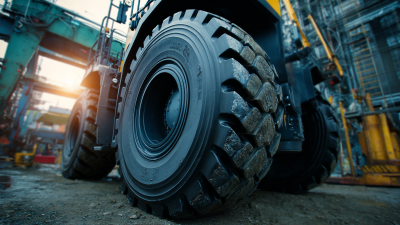
When it comes to optimizing the performance of wheel loaders, selecting the right tires is crucial for maximizing both efficiency and safety. Solid tires, constructed entirely from rubber, provide significant advantages over traditional pneumatic options. Their robust design ensures puncture and tear resistance, effectively eliminating the risk of blow-outs that can compromise not only operator safety but also machine productivity. Industry reports indicate that blow-outs can lead to operational downtimes costing businesses thousands in lost productivity and repair costs.
Moreover, solid tires are maintenance-free, which streamlines operations by reducing the labor associated with inflation and frequent tire exchanges. In fact, studies suggest that businesses could save approximately 20% in labor costs by switching to solid tire solutions due to their durability and longevity. With low heat generation and excellent heat resistance, these tires also ensure minimal energy consumption, making them an ideal choice for various working environments, from construction sites to scrap yards. The result is a tire that not only enhances safety but also contributes to a more sustainable operational model by reducing overall energy and maintenance costs.
Overall, transitioning to solid tires for wheel loaders represents a strategic investment in efficiency and safety, aligning with industry standards that prioritize productivity while minimizing operational risks.
FAQS
: The article aims to provide insights on a specific topic. It seeks to inform readers effectively.
The audience includes individuals interested in the subject matter. It caters to both beginners and experienced readers.
You can implement the suggestions in daily life. Practical examples illustrate how to make changes.
The information is based on research and expert opinion. However, always verify facts independently for accuracy.
Issues may arise when applying the information. Reflect on your approach and adjust as needed for improvement.
Yes, not all suggestions will fit every individual. Personal circumstances may affect practicality and outcomes.
Feel free to share, but ensure proper context. Misinterpretation could lead to confusion or incorrect applications.
It's okay to have differing opinions. Consider the arguments presented and reflect on your perspective.
Periodic review is beneficial. Regular engagement helps reinforce learning and encourages deeper understanding.
Absolutely, feedback is valuable. Identifying areas for enhancement can lead to better clarity and usefulness.
Conclusion
Recyclable Solid Rubber Tires offer numerous advantages across various applications, making them an excellent choice for consumers and industries alike. Their environmental impact is significantly positive, as these tires promote waste reduction by utilizing recycled materials, thus helping to create a more sustainable future. Furthermore, they provide cost efficiency through their durability and longevity, which can lead to lower replacement and maintenance costs over time.
In addition to these economic benefits, Recyclable Solid Rubber Tires exhibit impressive performance in diverse conditions, ensuring safety and reliability. Their robust construction enhances stability and resilience, which is crucial for various industries. Overall, the integration of Recyclable Solid Rubber Tires not only addresses ecological concerns but also delivers practical benefits that enhance user experience and operational efficiency.