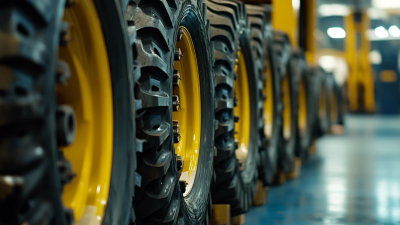
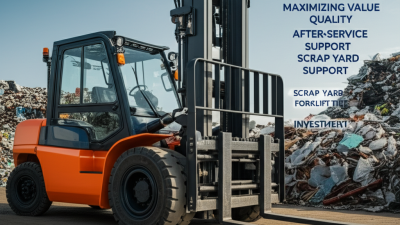
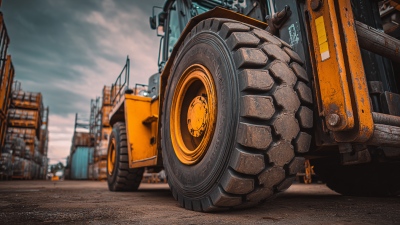
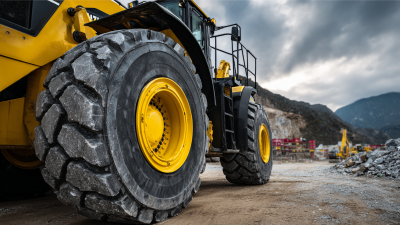
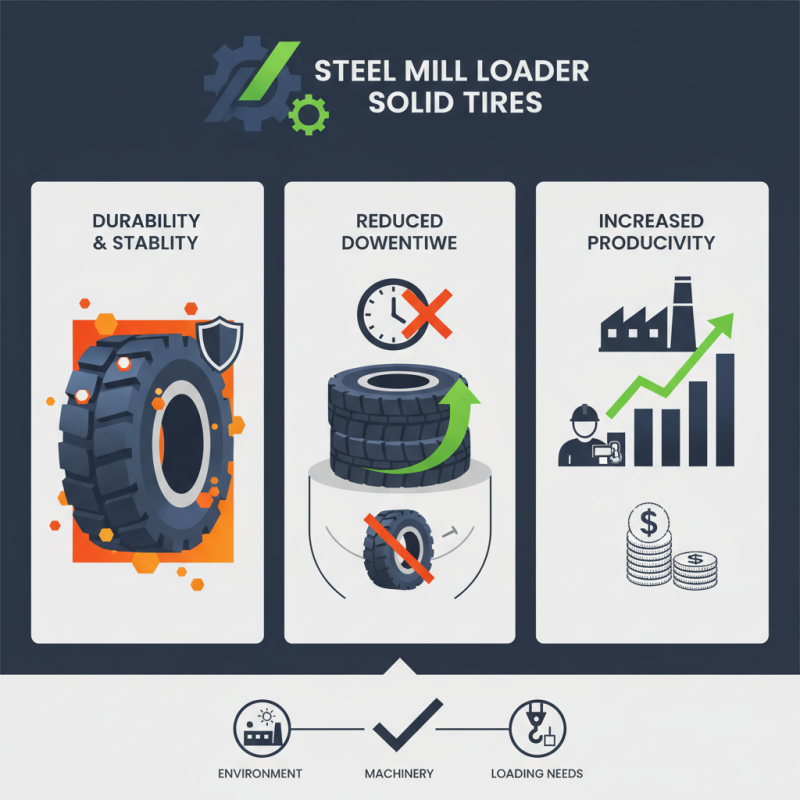
When it comes to heavy machinery, having the right tires can really make a big difference. I remember John Smith from Global Tire Solutions once saying, “Picking the right tires is super important for keeping things running smoothly.” And honestly, that couldn't be more true, especially with Steel Mill Loader Solid Tires. These tires are built tough—they’re durable, stable, and safe—which are all critical factors in steel mill work.
Steel Mill Loader Solid Tires are designed specifically to handle heavy loads. They tend to reduce downtime caused by punctures or worn-out tires, which can be a total headache. That said, some folks do find the installation process a bit tricky, and yeah, the upfront cost can be kind of intimidating. But, in the long run, the boost in productivity usually makes up for those initial hurdles.
That being said, operators really need to think about their particular needs. Not all solid tires behave the same way in every situation. Taking the time to understand your environment, the kind of machinery you’re using, and your load demands is key. When you do that, you’re in a better position to pick the right Steel Mill Loader Solid Tires that’ll actually work best for you.
Understanding Steel Mill Loaders and Their Importance in Operations
Steel mill loaders play a crucial role in manufacturing processes. These heavy-duty machines handle raw materials like iron ore and steel scrap. They move large loads efficiently, ensuring smooth operations in steel mills. Their robust design is necessary to withstand harsh conditions. However, operators often overlook the importance of the right tires for these loaders.
Choosing solid tires for steel mill loaders can significantly enhance performance. Solid tires offer better durability and resistance to damage from sharp materials. They require less maintenance, reducing operational downtime.
Many operators feel unsure about switching from pneumatic tires to solid ones. It’s essential to acknowledge these concerns and consider long-term benefits. Solid tires often provide a more stable ride, improving safety for operators.
However, not all solid tires are created equal. Some users report that the ride is harsher compared to pneumatic options. The initial investment may seem high, but the Return on Investment can be substantial. It's important to evaluate the overall efficiency of steel mill loaders regularly. Reflecting on tire choices can lead to improved productivity in operations.
Key Features of Steel Mill Loader Solid Tires
Steel mill loader solid tires are designed for demanding environments. They offer remarkable durability and grip. This is crucial when handling heavy loads in a steel mill. The materials used in these tires resist cuts and abrasions. They can withstand extreme temperatures and heavy impacts. This creates a safer work environment, reducing accidents.
The solid construction of these tires enhances stability. Operators benefit from better control of their machinery. Tire punctures are no longer a concern. Less downtime means more efficiency in operations. However, they might come with a higher initial investment. Not every facility may find this cost-effective. The trade-off between cost and performance needs careful consideration.
Another feature worth mentioning is the tread design. The patterns are engineered to provide optimal traction. This helps in navigating the often slippery surfaces of steel mills. Regular inspections are necessary. Over time, solid tires can wear unevenly. Staying vigilant about tire health is important for long-term performance.
Advantages of Using Solid Tires in Steel Mill Operations
When it comes to steel mill operations, using solid tires on loaders can make a significant difference. Solid tires offer enhanced durability. They withstand harsh conditions, including heavy loads and extreme temperatures. Unlike pneumatic tires, solid tires do not suffer from punctures. This reliability ensures continuous operation, reducing downtime.
In a bustling steel mill, safety is paramount. Solid tires provide superior traction, mitigating slips and accidents. Operators can navigate uneven surfaces confidently. The consistent performance of these tires boosts overall efficiency. However, consider their rigidity. Solid tires may lead to a bumpier ride. This can affect handling and may require operators to adapt.
Tips for choosing solid tires: Look for tires with the right tread pattern for your environment. A suitable design enhances grip and stability. Periodically check tire condition. This helps in identifying wear early, preventing larger issues. Remember, investing in quality solid tires can save costs. They reduce maintenance and replacement frequency, ultimately benefiting your operations.
Benefits of Steel Mill Loader Solid Tires
This bar chart illustrates the advantages of using solid tires in steel mill operations based on five key metrics: Durability, Safety, Load Capacity, Cost Efficiency, and Maintenance. Each attribute is rated on a scale from 1 to 10, showcasing the strong benefits of solid tires in enhancing operational performance.
Comparative Analysis of Solid Tires vs. Pneumatic Tires
Steel mill operations demand robust equipment. The choice between solid tires and pneumatic tires impacts efficiency greatly. Solid tires are made from dense rubber, providing superior durability. They resist punctures and wear, making them ideal for heavy-duty conditions. In contrast, pneumatic tires, while offering better shock absorption, are more prone to damage and maintenance issues.
A study by the Industrial Tire Association revealed that solid tires last up to three times longer than their pneumatic counterparts. This extended lifespan can lead to significant cost savings on replacements and downtime. Solid tires require less frequent inspections, driving efficiency. Many users overlook these advantages, focusing instead on the initial purchase price.
Tips: Always evaluate the specific needs of your operation. Solid tires may have a higher upfront cost but can reduce long-term expenditures. Consider the terrain and load type as well. A careful analysis helps avoid costly mistakes. Assess your tire choices regularly. Relying on outdated data may lead to poor decisions.
Why Choose Steel Mill Loader Solid Tires for Your Operations? - Comparative Analysis of Solid Tires vs. Pneumatic Tires
| Feature | Solid Tires | Pneumatic Tires |
| Durability | Very high, resistant to cuts and punctures | Moderate, prone to punctures |
| Load Capacity | Excellent load handling | Varies based on inflation |
| Maintenance | Low, no inflation required | Higher, requires regular checks |
| Comfort & Stability | Less comfortable, more rigid ride | More comfortable, better shock absorption |
| Cost | Higher initial cost | Lower initial cost |
| Environmental Conditions | Best for rough and abrasive surfaces | Better for smooth surfaces and varying terrains |
Factors to Consider When Choosing Solid Tires for Loaders
When choosing solid tires for loaders, several factors demand attention. The tire's durability is crucial. It directly affects performance in challenging environments. Steel mill operations often involve harsh conditions. Solid tires need to withstand punctures and abrasions effectively. Consider the type of terrain as well. Rough surfaces require tires designed for optimal grip and stability.
Another significant factor is the load capacity of the tires. Each tire has its limit. Operating beyond this can lead to premature wear. It's essential to match the tire specifications with your loader's capacity. Additionally, tread design plays a role. Tread patterns that enhance traction can prevent slippage during operations. But, sometimes, selecting the right tread can be tricky.
Lastly, think about maintenance as well. Solid tires typically need less upkeep. However, regular inspections are still necessary. Check for signs of wear early to avoid costly downtime. Choosing the right solid tire requires careful consideration of these elements. The right decision can enhance efficiency in the long run.
Maintenance Tips for Steel Mill Loader Solid Tires
Maintaining steel mill loader solid tires is crucial for operational efficiency. Regular inspections can help catch issues early. Look for any visible wear or cracks. Check the tire pressure often. Proper inflation extends tire life significantly. A tire with low pressure will wear unevenly. It can also compromise safety.
Cleaning tires regularly is an often-overlooked task. Dust and debris can affect performance. Use a water and mild detergent solution to wash them. This prevents material buildup. Despite these efforts, sometimes tires still don’t perform well. Consider environmental factors like temperature and load. Both can greatly influence tire longevity.
Tracking tire performance can reveal patterns over time. Taking notes might seem tedious, but it pays off. Any changes in handling or vibrations could indicate a problem. Listening closely to equipment sounds is also good. Tires speak volumes about their conditions. Reflection on your maintenance routine may reveal areas to improve.
Cost-Effectiveness of Steel Mill Loader Solid Tires in the Long Run
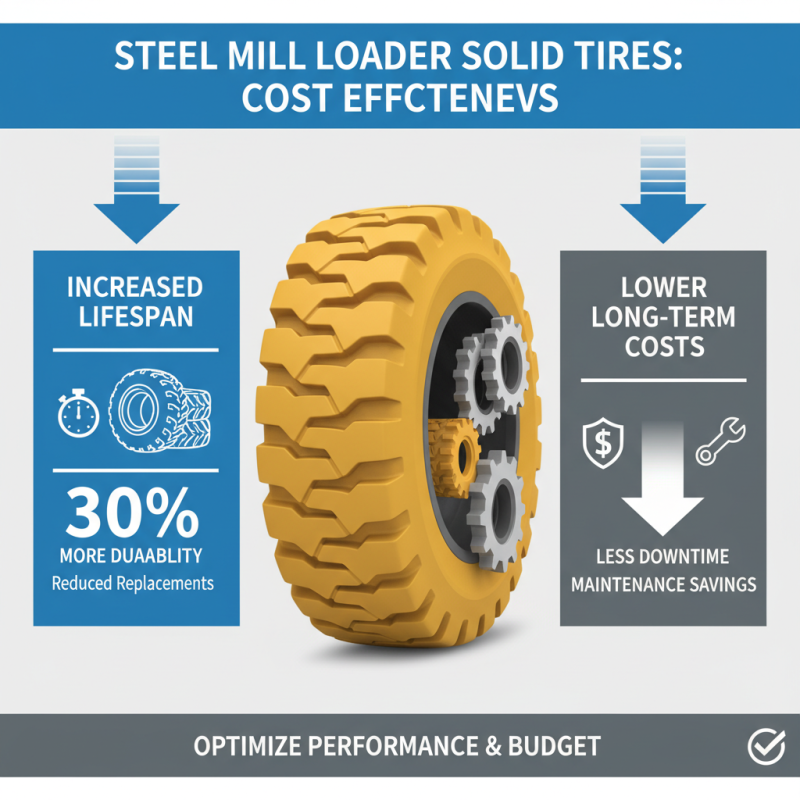
When evaluating the cost-effectiveness of steel mill loader solid tires, one must consider several key factors. Solid tires typically last longer than air-filled options. Industry reports indicate that solid tires can provide up to 30% more lifespan in heavy industrial environments. This durability significantly reduces replacement frequency, leading to lower long-term costs.
Moreover, solid tires offer greater puncture resistance. This feature minimizes downtime, which can be costly. According to data, unplanned maintenance can account for up to 20% of operational costs. With solid tires, the risk of damage from sharp debris is reduced, translating to fewer service interruptions.
However, initial investments in solid tires can be higher. Companies might hesitate, weighing the upfront costs against potential savings. It's crucial to analyze the total cost of ownership over time. It’s often a tough call, but the long-term benefits can outweigh these initial financial hesitations. As operations evaluate their equipment, understanding these factors can lead to better decision-making and budgeting.
Choosing the Right Solid Tires for Your Lifting Platform: A Comprehensive Guide
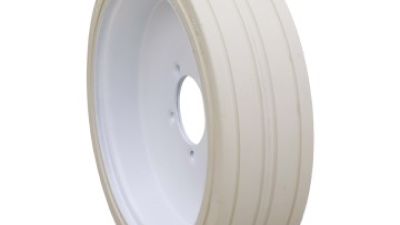
When choosing the right solid tires for your lifting platform, it is essential to consider various factors that ensure optimal performance and environmental compliance. Our range of Non-Marking Solid Tires, including models R706, R707, R710, and others, are specifically designed to meet the stringent requirements of modern lifting equipment. Made from high-purity natural rubber, these tires not only eliminate the risk of leaving marks on floors but also adhere to EU REACH standards, ensuring a safe and eco-friendly choice for any workspace.
The advanced manufacturing techniques employed in producing these tires play a significant role in their quality and reliability. Each tire undergoes strict quality controls and comprehensive testing, ensuring that they perform excellently during operation and braking without compromising floor integrity. Furthermore, the use of environmentally benign materials has been verified by national certification institutions, making them a responsible choice for any business looking to minimize its environmental footprint while maintaining high operational standards. With a focus on durability and performance, our lifting platform tires are engineered to withstand the demands of various lifting applications, offering peace of mind for operators and business owners alike.
Conclusion
Steel Mill Loader Solid Tires play a crucial role in enhancing the efficiency and safety of operations in steel mills. These tires are specifically designed to withstand the harsh conditions typical in steel manufacturing environments, offering superior durability and load-bearing capacity. The article outlines the key features of solid tires, highlighting their advantages over pneumatic tires, such as resistance to punctures and reduced maintenance costs.
When choosing Steel Mill Loader Solid Tires, factors such as load requirements, compatibility with equipment, and environmental conditions are essential considerations. The long-term cost-effectiveness of these tires makes them an appealing choice for operators looking to optimize their operations. Additionally, proper maintenance tips are provided to extend the service life of solid tires, ensuring maximum performance and reliability in demanding industrial applications.