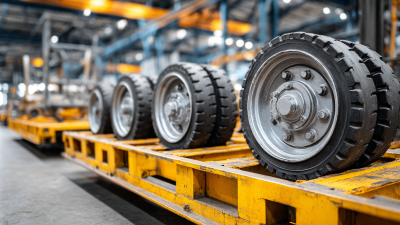
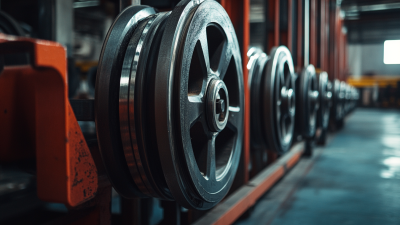
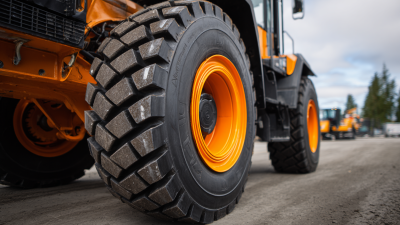
In today’s busy industrial world, staying efficient is more important than ever if you want to keep up with the competition and stay productive. One thing that often gets overlooked but can really make a difference is upgrading to high-quality Forklift Rubber Wheels. These wheels aren’t just about making things run smoother—they also help cut down on maintenance costs and keep the workplace safer.
At Yantai WonRay Rubber Tyre Co., Ltd., we live by our motto: "quality first, customer first, innovation first." We’re all about providing top-notch products that fit the specific needs of our clients. By choosing better forklift rubber wheels, companies can enjoy better maneuverability, longer-lasting equipment, and a real boost in overall efficiency. This article dives into all the benefits of upgrading and how these wheels can totally change your operations for the better.
Understanding the Importance of High-Quality Forklift Rubber Wheels
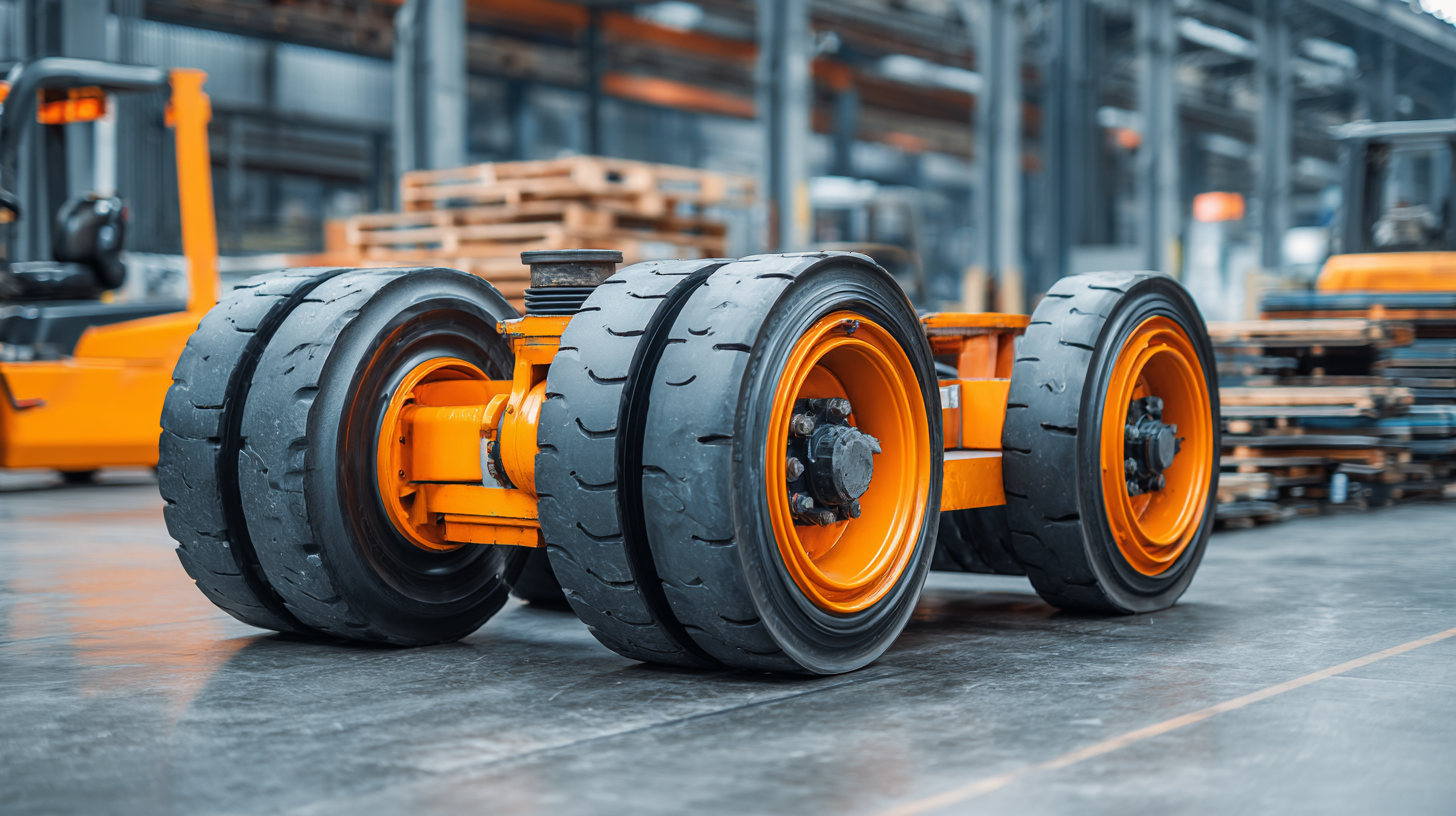
When you're looking at how efficient material handling is, you really can't overlook the importance of good-quality forklift rubber wheels. Upgrading to better rubber wheels can make a big difference—think improved traction, more stability, and lasting durability. This is especially true in tough environments where smooth operation really impacts overall productivity. High-quality wheels don’t wear out as fast, which means less downtime and fewer maintenance headaches for businesses.
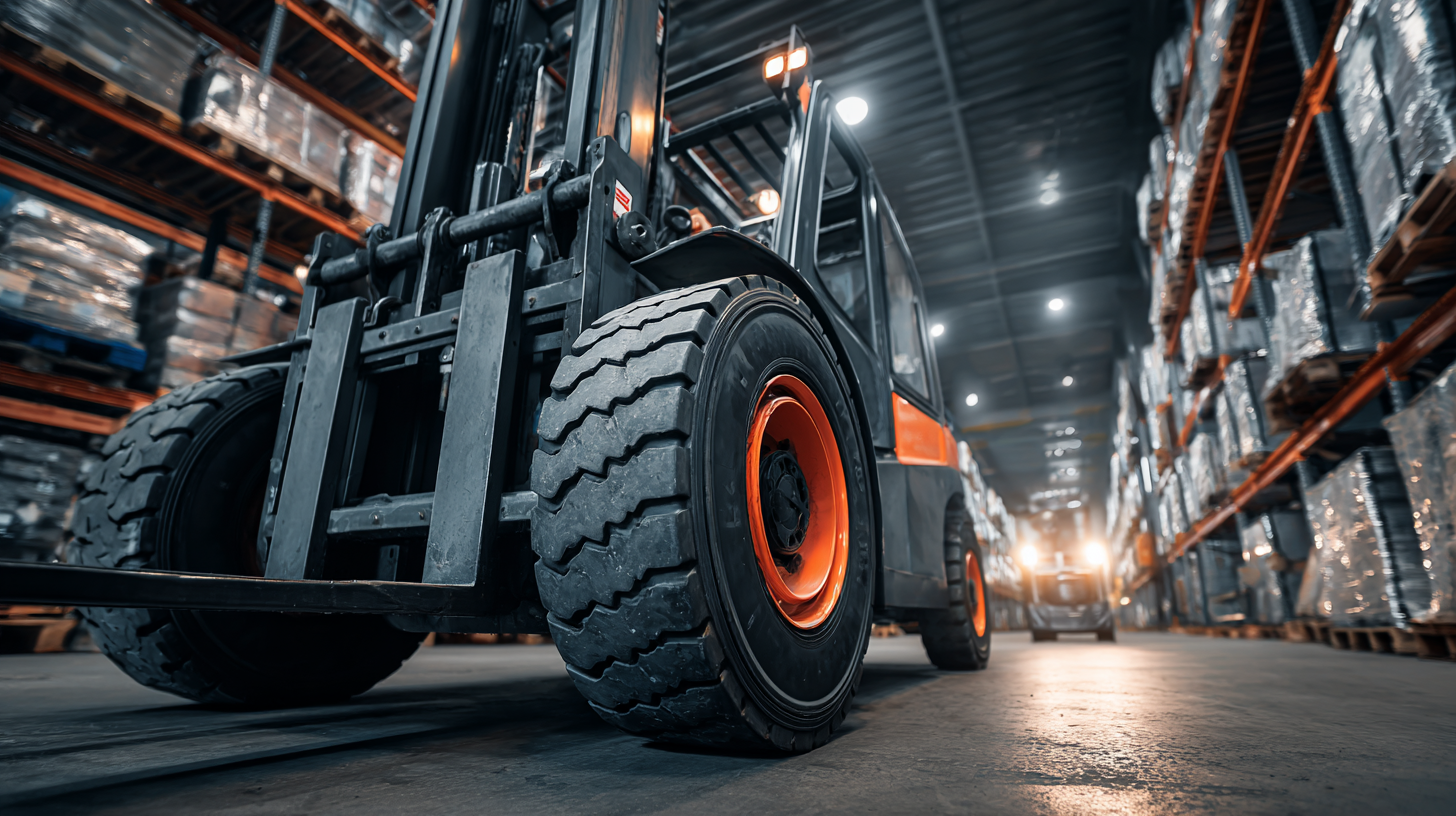
Lately, advancements in eco-friendly materials show how we’re still committed to keeping things running smoothly and sustainably on the forklifts. Like, more companies are now using clever recycling systems—reclaiming materials and giving them a new life. By doing this, they not only boost the quality of their forklift wheels but also help protect the environment. It’s a win-win. Plus, these sustainable practices help ensure the wheels last longer and stay reliable, even under the demanding conditions of modern warehouses.
Key Advantages of Upgrading to Durable Rubber Wheel Materials
Upgrading your forklifts with high-quality rubber wheels really brings a bunch of benefits that can make your day-to-day operations run much smoother. One of the biggest perks? Durability. These premium rubber materials are built to handle tough conditions, so your wheels won’t wear out as fast. That means they last longer and you won’t have to spend as much time or money on maintenance—leaving you more resources to focus on other things.
Plus, switching to better rubber wheels can actually boost your forklift’s overall performance. They give you better grip and traction on just about any surface—whether you’re working indoors or outside. This means your forklifts can move more smoothly and handle loads more efficiently, ultimately making your whole operation more productive.
**Some quick tips for upgrading:**
- Think about where you’ll be using the wheels most—different environments might call for different types of rubber.
- Keep an eye on your wheels regularly; catching wear early can save you from unexpected downtime.
- Work with suppliers who know their stuff and specialize in quality materials—you want wheels that truly meet your needs.
Getting the right rubber wheels can really make a noticeable difference, so it’s worth considering what’s best for your setup.
Impact of High-Quality Wheels on Forklift Performance and Stability
When you’re looking to boost your forklift’s performance and stability, investing in high-quality rubber wheels can really make a difference. I came across a report from the Material Handling Industry (MHI) that says forklifts with premium rubber wheels can have up to 30% better traction compared to standard ones. That extra grip isn’t just about making things easier—it also helps prevent skidding, which means a safer workspace for everyone.
On top of that, these better rubber wheels do a great job absorbing shocks, which is super important when you’re dealing with heavy loads. According to the Industrial Truck Association, forklifts fitted with top-notch rubber wheels can reduce vibrations by around 25%. That added stability helps keep loads steady during transport, which cuts down on product damage and keeps things running smoothly. All in all, upgrading your rubber wheels isn’t just a small tweak — it’s a smart move if you want your equipment to be safer, more reliable, and more efficient. Trust me, it’s worth the investment for any business serious about getting the most out of their forklifts.
Cost-Effectiveness: Long-Term Savings from Quality Rubber Wheels
Upgrading to high-quality forklift rubber wheels isn’t just about boosting performance — it’s really a smart move for saving money in the long run. According to a report from the Material Handling Industry of America (MHIA), using better components like premium rubber wheels can seriously cut down the total cost of owning and operating your equipment. These wheels last longer and resist wear better, which means fewer replacements and less hassle with maintenance down the line.
In fact, a study by the Industrial Truck Association (ITA) shows that businesses that go for high-quality wheels often see a 20-30% drop in costs related to wheel upkeep and change-outs. Plus, the improved grip and stability from top-notch rubber wheels make forklifts more efficient and productive. Less downtime equals savings—and over time, that means more money in your pocket. So, investing in good wheels isn’t just a good idea, it’s a way to keep things running smoothly and boost your bottom line over the long haul.
Maximize Your Efficiency: The Benefits of Upgrading to High-Quality Forklift Rubber Wheels
The chart above illustrates the significant improvements seen when upgrading to high-quality rubber wheels for forklifts. The benefits include substantial cost savings, enhanced durability, increased performance, improved safety, and greater operator comfort, all contributing to long-term efficiency and effectiveness in operations.
Enhancing Workplace Safety with Upgraded Forklift Wheels
Upgrading to high-quality forklift rubber wheels can make a real difference when it comes to safety at work—that's something no one should overlook in any industrial setting. Honestly, using worn-out or cheap wheels can lead to nasty accidents, like tip-overs or losing control, which might result in injuries or even damage to your inventory. Good quality wheels give you better grip, more stability, and absorb shocks better, all of which are super important for preventing slips, falls, and other mishaps. When you invest in better wheels, you're not just keeping things running smoothly—you’re also creating a safer environment for your team.
A few tips to keep in mind for safety with forklift wheels:
1. Make it a habit to check your wheels regularly for any signs of wear and tear. Catching issues early on can save you from bigger problems down the line.
2. Pick wheels that suit your workplace’s surfaces—different floors might need different kinds of wheels for optimal safety.
3. And don’t forget to train your forklift operators properly! Show them how to handle the equipment well, and stress the importance of using high-quality wheels for better control and stability.
Basically, putting focus on the quality of your forklift wheels isn’t just about maintaining equipment—it’s about protecting your people. Upgrading to good rubber wheels isn’t just a smart move for operations; it’s a clear sign you care about keeping everyone safe on the job.
Maximize Your Efficiency: The Benefits of Upgrading to High-Quality Forklift Rubber Wheels
| Feature | Benefit | Impact on Safety | Cost Efficiency |
| Durability | Longer lifespan with reduced wear | Less frequent replacements lower accident risk | Decreased replacement costs over time |
| Traction | Improved grip on various surfaces | Reduces the risk of slippage | Lower operational disruptions |
| Shock Absorption | Smoother ride for loads | Minimizes load damage and injury | Reduces repair costs for loads |
| Noise Reduction | Quieter operations enhance work environment | Decreases noise-induced stress | Improved employee satisfaction |
| Custom Fit | Tailored to specific forklift models | Better operational efficiency | Enhanced ROI through increased productivity |
Environmental Benefits of Using High-Quality Rubber Wheels in Operations
Upgrading your forklifts with high-quality rubber wheels isn’t just about speeding things up—it’s actually pretty good for the planet too. I came across a report from the EPA that says using tougher, more durable wheels can cut down waste by up to 30%, especially compared to those standard wheels that tend to need replacing all the time. These premium rubber wheels last longer and perform better, which means less disposal and fewer replacements, helping to lower the overall carbon footprint of your forklift operations. It’s a win-win, really.
And here’s another thing: better wheels also mean your forklifts use energy more efficiently. According to a study from the National Institute of Standards and Technology, upgrading to higher-quality wheels can cut energy use in material handling by about 15%. Not only does that save your business some cash, but it also reduces greenhouse gases—good for the environment and your bottom line. So, if you’re thinking about investing in top-notch rubber wheels, it’s a smart move. It helps keep your operations greener and more sustainable, all while doing your part for the planet.
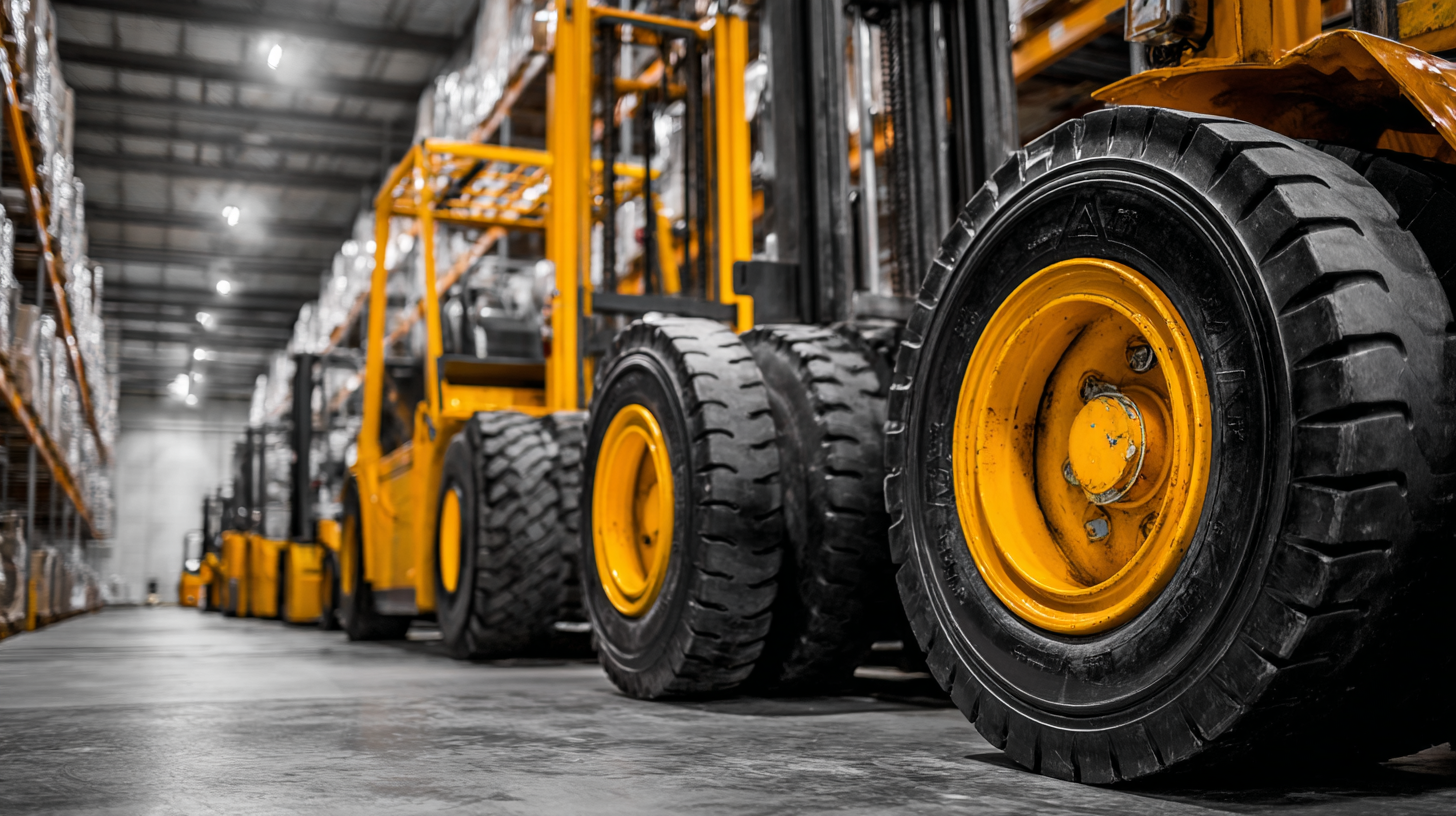
Innovative Solid Rubber Tires for Ladle Carriers: Enhancing Efficiency and Safety in Industrial Operations
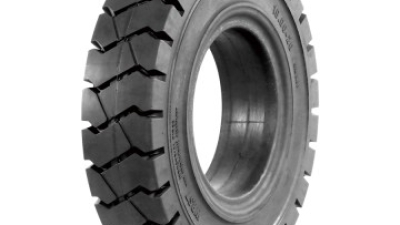
The use of innovative Solid Rubber Tires on ladle carriers in steel plants represents a significant advancement in enhancing operational efficiency and safety. These tires are designed to withstand extreme conditions, providing high load-bearing capacity crucial for transporting heavy ladles filled with molten metal. According to industry reports, ladle carriers can face loads exceeding 100 tons, which necessitates a tire solution that can efficiently manage such weight without compromising safety. Solid rubber tires are engineered to handle these immense pressures, ensuring that operations run smoothly and reliably.
One of the standout features of solid rubber tires is their puncture and wear resistance. Traditional tires can be vulnerable to damage from sharp debris and extreme temperatures often found near furnaces. However, solid rubber tires eliminate the risk of punctures, providing a maintenance-free solution that significantly reduces downtime associated with tire replacements. Furthermore, their robust design offers exceptional wear resistance, which extends the tire's lifespan and ensures consistent performance under high-stress conditions. Studies have shown that industries adopting solid rubber tires have reported a substantial decrease in operational disruptions and maintenance costs, enhancing overall productivity.
Additionally, these solid tires are specifically engineered to withstand high-temperature environments. In steel plants, where ladle carriers operate in close proximity to furnaces, tires must maintain their integrity under thermal stress. Solid rubber tires maintain their properties even when exposed to temperatures exceeding 200°C. This extraordinary heat resistance not only protects the tires from degradation but also enhances safety by reducing the risk of tire failure. In summary, the integration of solid rubber tires into ladle carrier operations in steel plants is a pivotal step towards increasing efficiency, safety, and profitability in industrial processes.
FAQS
: High-quality forklift rubber wheels enhance performance by providing better traction, stability, and durability, which is crucial in demanding environments where operational efficiency impacts overall productivity.
High-quality wheels reduce wear and tear, resulting in less downtime and fewer replacements, which ultimately leads to lower maintenance costs for businesses.
Businesses are utilizing innovative circular recycling systems and reclaimed materials to produce high-quality forklift wheels, enhancing sustainability while improving wheel longevity and reliability.
Businesses that choose high-quality wheels may experience a 20-30% decrease in operational costs related to wheel maintenance and replacement.
High-quality rubber wheels can lead to a reduction in energy consumption by approximately 15% during material handling processes, thereby lowering operational costs and greenhouse gas emissions.
They reduce waste by up to 30% due to their longer lifespans, minimizing the need for replacements and decreasing the overall carbon footprint associated with forklift operations.
The improved grip and stability of quality rubber wheels enhance forklift efficiency, leading to increased productivity and reduced downtime.
Yes, investing in high-quality forklift wheels can lead to sustained savings over time due to decreased maintenance and replacement needs, improving overall operational throughput and revenue generation.
The Material Handling Industry of America (MHIA) and the Industrial Truck Association (ITA) have provided reports highlighting the cost-effectiveness and performance benefits of superior rubber wheels.
Yes, by implementing sustainable practices in their operations, businesses can enhance their corporate responsibility while also improving the performance and longevity of their equipment.
Conclusion
Switching to high-quality forklift rubber wheels is a pretty important step if you're looking to boost efficiency and keep things safe in any warehouse or industrial environment. Honestly, understanding why durable rubber wheels matter can really make a difference—they offer better performance and keep forklifts steady during operation. Good rubber wheels not only make maneuvering easier but also save you money in the long run since they last longer and cut down on repairs and replacements. It's like killing two birds with one stone!
Plus, investing in top-notch wheels is a smart move for safety—less risk of accidents compared to using lower-quality alternatives. And let’s not forget, choosing high-quality forklift rubber wheels also plays a part in being eco-friendly. They tend to last longer, which means less waste overall. At Yantai WonRay Rubber Tyre Co., Ltd., we’re all about quality and making sure our customers get reliable, durable forklift wheels that really support smooth operations without a fuss.