In today’s fast-changing industrial world, everyone’s really feeling the pressure to get better performance and longer-lasting equipment. Choosing the right Wear-Resistant Solid Wheels isn’t just a small detail—it’s actually a big deal when it comes to keeping things running smoothly, cutting down on downtime, and saving on maintenance costs. At Yantai WonRay Rubber Tyre Co., Ltd., we live by the motto: “quality first, customer first, innovation always.” We get it—picking top-quality wheels can seriously make a difference in productivity and safety. Since product quality is at the core of what we do, we want to help our customers understand what to look for when selecting the perfect wear-resistant wheels tailored to their needs. That’s why we put together this handy guide—a simple checklist to help you make smarter choices and keep your operations running at their best, with maximum performance and efficiency.
Understanding the Importance of Wear Resistance in Solid Wheels
When you're choosing solid wheels for different jobs, it's super important to get a good handle on wear resistance. Seriously, these wheels are pretty much the backbone of longevity and dependability, especially if you're dealing with rough surfaces or heavy loads all day long. The materials used and the way these wheels are designed really make a difference in how well they stand up to wear and tear. That, in turn, affects how smoothly your operations run and how safe everything stays.
Here at Yantai WonRay Rubber Tyre Co., Ltd., we’re all about quality — it’s our top priority. Our core philosophy is 'quality first, customer first, innovation first,' so we’re constantly striving to improve. We know that using the right wear-resistant materials can seriously boost the performance of solid wheels, especially for tough industrial uses. We’re passionate about understanding what our customers need, which drives us to create better, more durable products. When you pick our solid wheels, you’re not just getting a reliable product—you’re helping your operations stay smooth, with fewer headaches from downtime or repairs.
Wear Resistance Comparison of Solid Wheels
Key Factors to Consider When Selecting Solid Wheels for Performance
When you're choosing wear-resistant solid wheels for the best performance, there are a few important things to keep in mind. First off, the material the wheel is made of really matters. You’ve got options like polyurethane, rubber, and nylon — each with its own perks. For example, polyurethane is pretty great at resisting wear and tear, making it a solid choice for heavy-duty stuff. Rubber, on the other hand, is good at absorbing shocks, so it’s often better if the surface conditions are all over the place. Figuring out what kind of environment the wheel will be used in can really help you pick the right material, and that means your wheels will last longer and perform better under those specific conditions.
Another thing to think about is the size and durometer (that’s basically the hardness). These factors directly impact how well the wheel handles loads and turns. Bigger wheels tend to roll over bumps and obstacles easier, making them a good pick for uneven surfaces. Smaller wheels are more maneuverable and better suited for tight spots. Then there’s durometer — harder wheels tend to grip better and last longer, but they can be rougher on rough surfaces, wearing down faster. Softer wheels might give you better traction but won’t last quite as long. Taking all these bits into account will help you make smarter choices and get the most out of your solid wheels — especially if you're working in demanding environments.
Ultimate Guide to Selecting Wear Resistant Solid Wheels for Maximum Performance
| Key Factors | Description | Material Types | Load Capacity (lbs) | Temperature Range (°F) |
| Durability | Resistance to wear and tear for prolonged performance. | Polyurethane, Rubber, Neoprene | 500 | -20 to 180 |
| Load Capacity | Ability to support heavy loads without deforming. | Steel, Aluminum, Nylon | 1000 | -40 to 200 |
| Surface Conditions | Compatibility with various floor types and conditions. | Rubber, Polyurethane | 800 | 0 to 150 |
| Noise Level | Consideration of noise emissions during operation. | Soft Rubber, Polyurethane | 600 | -10 to 175 |
| Cost Efficiency | Balancing initial costs with long-term performance and maintenance. | Nylon, Polyurethane | 300 | -20 to 160 |
Comparing Different Materials Used in Wear Resistant Wheels
When you're on the hunt for wear-resistant solid wheels that really perform, it’s pretty important to check out the different materials out there — each one has its own perks depending on what you’re using them for. You’ll often see materials like polyurethane, rubber, and thermoplastics. Based on what industry folks say, polyurethane wheels tend to hold up really well against abrasion and can handle heavier loads, so they’re great for demanding environments. On the flip side, rubber wheels are the spot if you need shock absorption and good grip — they really help with maneuverability on bumpy or uneven surfaces.
A quick tip: Think about where you’ll actually be using these wheels. For example, polyurethane wheels work like a charm on smooth floors, but if you need something that’s flexible and cushions impacts, rubber might be better. And if you’re after that sweet spot, thermoplastic elastomers kind of mix both worlds, making them super versatile for different tasks.
At Yantai WonRay Rubber Tyre Co., Ltd., we’re all about delivering top-notch wear-resistant wheels that are tailored to what our customers need. We’re passionate about innovation and quality, ensuring you get products that boost your equipment’s performance and last longer. Whether it’s wheels for industrial machinery or your material handling gear, understanding what each material offers is the key to making a smart, informed choice that truly suits your specific operational needs.
The Role of Wheel Design in Enhancing Performance and Longevity
When you're looking into the performance and how long wear-resistant solid wheels last, the design of the wheel itself really makes a huge difference. I mean, things like the shape, the materials they’re made from, and the tread patterns—those all play a big role in how the wheel interacts with different surfaces and loads. For example, there’s a study from the American Society of Mechanical Engineers (ASME) that shows how optimizing wheel shapes can cut down rolling resistance by up to 15%. That’s a pretty big deal when it comes to making material handling more efficient. This is especially important in industries like manufacturing or logistics, where equipment takes a lot of wear and tear.
A quick tip—make sure to pick wheels with a durometer rating that matches your load needs. Softer wheels are great if you want better shock absorption, but harder wheels tend to last longer and withstand more abuse. Also, think about the tread pattern. If you’re mainly indoors, smooth wheels work well, but if you’re outdoors on rough terrain, patterned treads can give you better traction.
When it comes to durability, the materials really matter. According to the Industrial Wheel Association, polyurethane wheels are pretty much king when it comes to wear resistance—they can last up to three times longer than rubber wheels in similar setups. But it’s crucial to keep in mind where your wheels are gonna be working—wet, dry, or maybe rough conditions—and choose accordingly.
And don’t forget—regular check-ups are key. Giving your wheels a quick inspection now and then, and keeping up with maintenance, can really boost how long they last and how well they perform overall.
Maintenance Tips for Maximizing the Lifespan of Solid Wheels
When it comes to solid wheels, taking good care of them really makes a difference if you want them to last longer and perform well. It’s a good idea to get into the habit of inspecting them regularly—look out for any signs of wear, cracks, or bits of dirt that might mess with how they work. And don’t forget, keeping the wheels clean is super important! Dirt and grime can cause them to wear out faster. Just a quick scrub with some mild soap and a soft brush does the trick—keeps everything in tip-top shape.
Another tip I swear by is lubricating the moving parts of the wheel assembly now and then. It helps cut down on friction, which over time can really wear down the wheels. Oh, and it’s worth keeping an eye on how you’re loading your vehicle or equipment too—if the weight isn't evenly distributed, it can cause uneven wear or even wheel failure down the line. Do these simple maintenance steps, and you’ll definitely get more life out of your solid wheels, plus they’ll perform way better across the board.
Real-World Applications and Case Studies of Wear Resistant Wheels
When it comes to wear-resistant solid wheels, really understanding how they perform in real-world situations is a big deal. Lately, studies like the one on railway wheel steels ER8 and SUPERLOS® have shown just how important microstructural features are for making these wheels last longer. For example, pin-on-disc tests suggest that how resistant these materials are to wear really impacts how long they'll hold up in actual use. That link between what’s happening inside the material and how it wears down is super important for industries that depend on dependable transportation solutions.
Here at Yantai WonRay Rubber Tyre Co., Ltd., we place a huge emphasis on quality and innovation—always keeping our customers’ needs in mind. Based on insights from various industry reports, we know that choosing high-performance, wear-resistant wheels can really cut down on maintenance costs and reduce downtime. There are cases where advanced materials can handle tough conditions, which is especially crucial for sectors like transportation and logistics—where performance directly impacts efficiency. Investing in this kind of technology not only makes wheels more durable but also helps with overall sustainability throughout their lifespan. It’s all about making products that last longer and work smarter.
Transform Your Forklift Experience: The Advantages of Polyurethane Wheels
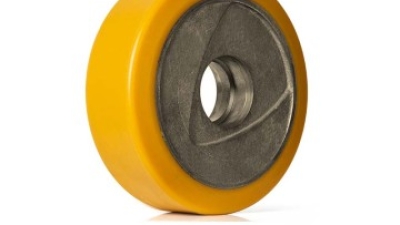
Transforming your forklift experience starts with understanding the significant advantages of polyurethane (PU) wheels. These wheels are not only designed to improve the overall handling of forklifts but also contribute to reduced wear and tear on flooring. Whether you operate in a warehouse, manufacturing facility, or retail environment, the smooth, non-marking properties of PU wheels can help maintain the integrity of your surfaces while enhancing forklift maneuverability.
Among the models designed to maximize the benefits of PU wheels are the STILL forklifts, including the FM-X12, FM-X14, and FM-X16. These versions, along with others such as EXV12, EXV14, EXU18, and ECH14, are built to offer stability and reliability, making them ideal for demanding operational environments. The use of PU wheels on these models not only extends tire life but also improves shock absorption, making for a smoother ride, which ultimately leads to increased operator comfort and productivity.
In addition to performance benefits, polyurethane wheels provide excellent load-carrying capacity and resistance to oils and chemicals, making them suitable for a variety of industries. With numerous models featuring PU wheels, including the FM-SE, EXU-S, and ECU, businesses can choose still forklifts that best meet their specific operational needs. Embracing the advantages of PU wheels can lead to significant enhancements in your material handling processes, ultimately transforming your forklift experience.
FAQS
: Wear resistance is crucial for solid wheels as it ensures longevity and reliability, particularly in high abrasion environments or when handling heavy loads, directly impacting operational efficiency and safety.
Wheel design, including shape, materials, and tread patterns, can significantly affect a wheel's interaction with surfaces and loads. Optimized wheel contours can reduce rolling resistance, enhancing efficiency, especially in heavy-use industries.
Polyurethane is recommended for its exceptional wear resistance, lasting up to three times longer than rubber wheels under similar conditions, making it suitable for various applications.
Understanding the specific environment—wet, dry, or rough—where the wheels will operate is essential for selecting the appropriate design and material, which enhances performance and longevity.
Regular inspections and a proactive maintenance schedule can significantly improve wheel performance and lifespan, ensuring optimal functioning in demanding applications.
Yes, investing in high-performance wear-resistant wheels designed with advanced materials not only enhances durability but also contributes to overall sustainability in product lifecycle management.
The company prioritizes quality, innovation, and meeting customer needs, ensuring their solid wheels exceed expectations in wear resistance and performance.
High-performance wear-resistant wheels can lead to significant reductions in maintenance costs and downtime, proving essential for industries like transportation and logistics.
Conclusion
Hey there! So, in our 'Ultimate Guide to Picking Wear-Resistant Solid Wheels for Peak Performance,' we really dive into why wear resistance is such a big deal when it comes to making sure your solid wheels work their best. It’s all about understanding what affects how well they perform — stuff like the right materials, how the wheels are designed, and keeping up with regular maintenance. These factors can seriously make a difference in how long your wheels last and how smoothly they run.
We also go over the different materials used to make these tough wheels and point out what each one’s good at. To make things clearer, we include some real-world examples showing how these wheels handle tough environments while still giving top-notch performance.
At Yantai WonRay Rubber Tyre Co., Ltd., we really care about quality and making sure our customers are happy. We’re always pushing innovation so that our wear-resistant solid wheels meet the highest standards and fit a wide range of needs. By focusing on sturdy designs and good maintenance habits, businesses can get the most out of their wheels, which means better overall performance and longer-lasting equipment.
Hope this helps you get a better grip on choosing the right wheels and keeping them in great shape!