Yantai Wonray Tyre Co., Ltd.

Leave Your Message
You know, there's a huge buzz around Skid Steer Rubber Wheels lately. With the construction and agricultural sectors booming, it looks like the demand is really going to take off in the next few years. A report from MarketsandMarkets even predicts that the global skid steer loader market is set to hit a whopping USD 2.85 billion by 2025, growing at a rate of about 4.2% each year since 2020. Pretty impressive, right? This growth is a direct result of more businesses using skid steer loaders for all sorts of tasks—think material handling, roadwork, and even landscaping. So, as the demand goes up, we also need to think about how to keep those Skid Steer Rubber Wheels in tip-top shape without breaking the bank on repairs.
At Yantai WonRay Rubber Tyre Co., Ltd., we totally get how important it is for rubber wheels to be durable and reliable. Our guiding principle is simple: we believe in putting quality, customers, and innovation first. We really make it a point to ensure that our products are top-notch because that’s the bedrock of what we do. By focusing on what our customers need, we’re not just selling high-quality Skid Steer Rubber Wheels; we're also offering strong after-sales support that helps our clients save on repair costs and extend the life of their gear. With a real commitment to innovation and excellence, we’re excited about leading the charge in skid steer wheel maintenance solutions in the years to come.
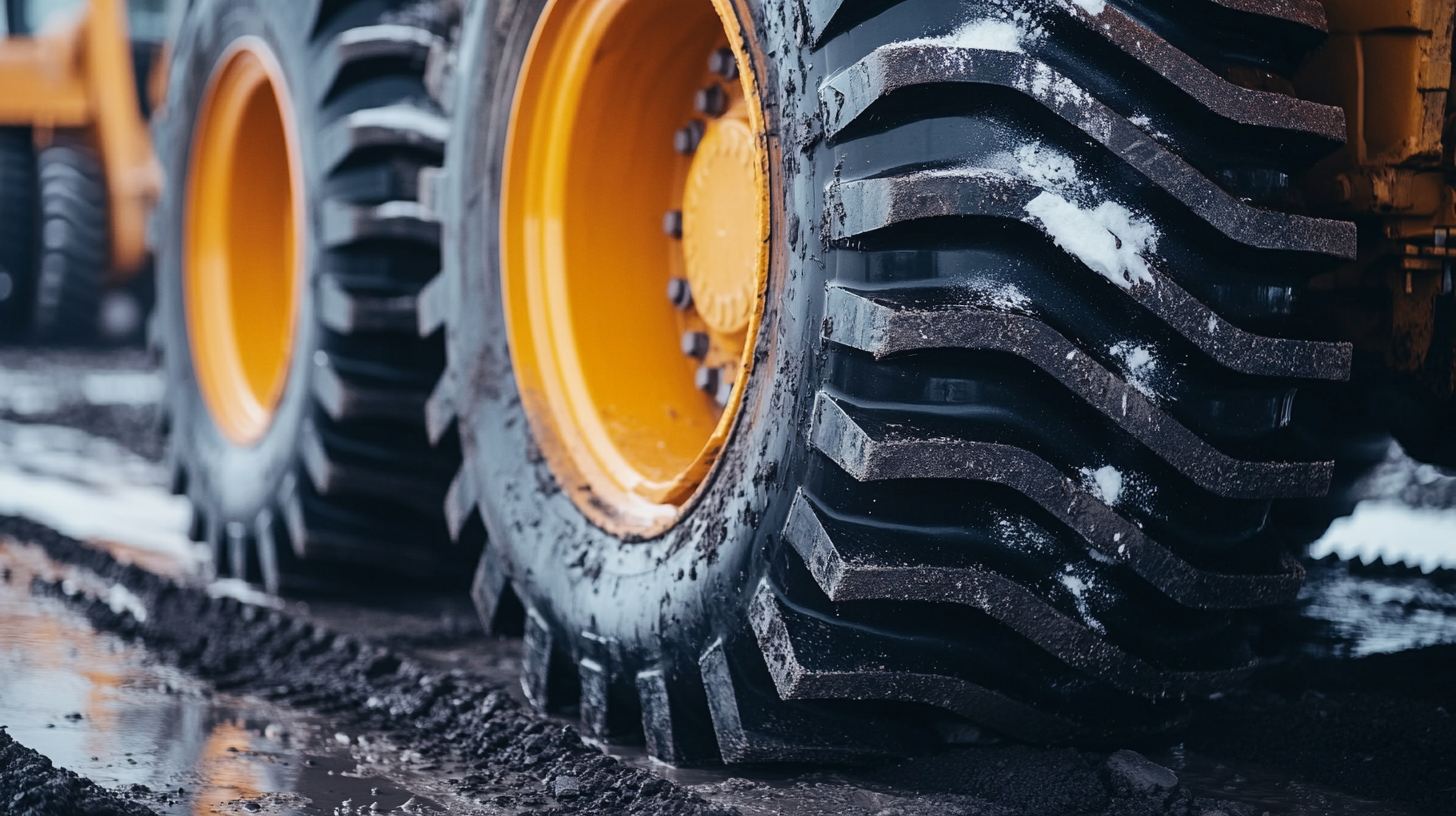
You know, the construction industry is really changing, and it's becoming pretty clear that skid steer rubber wheels are in high demand. These wheels are super versatile and durable, which is why you can find them in a ton of different construction projects these days. They can handle rough terrains and heavy loads like champs, so they're pretty crucial for making construction equipment work more efficiently. And let’s face it – as projects get bigger and more complicated, having reliable machinery that performs well without skimping on safety is absolutely key. Also, there’s this whole push towards more sustainable construction practices, and that’s playing a big part in the growing need for rubber wheels on skid steers. They’re way gentler on sensitive surfaces compared to steel tracks, which makes them perfect for urban sites or places where keeping the soil intact is important. Plus, they keep the noise level down, which totally fits into the industry's shift toward greener, quieter, and more efficient gear. Construction companies are really catching on and are starting to lean towards rubber-wheeled skid steers since they recognize that they can save money in the long run with less maintenance and better maneuverability. Looking ahead, it’s not just about the rubber wheels themselves – it’s also about what happens after you buy them, like repair costs and the support you get. When companies invest in high-quality rubber wheels, they also get solid support, which helps them keep things running smoothly and minimize downtime. Manufacturers are stepping up their after-sales game, offering better service and lower repair costs – and that can seriously boost a company’s bottom line. More and more, companies are leaning towards suppliers who deliver not just high-quality products but also great ongoing support. As this trend picks up steam, the bond between construction firms and their suppliers is becoming more of a partnership, really strengthening the market for skid steer rubber wheels.
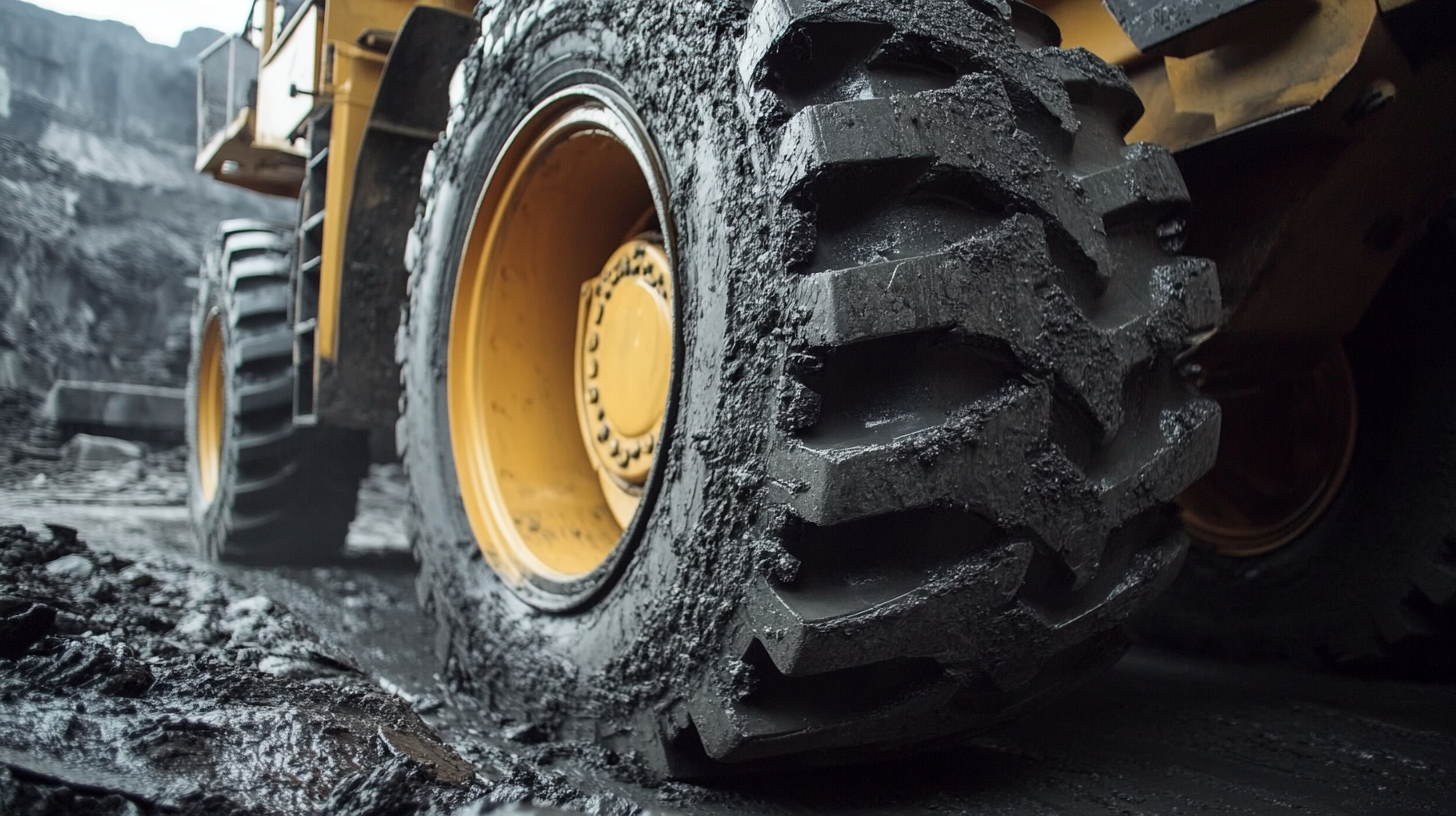
The future of skid steer rubber wheels repair costs is largely influenced by a variety of factors including the materials used, the technology of the wheels, and the level of after-sales support provided. As the market continues to expand, with a notable increase in the off-the-road (OTR) tire sector projected to reach USD 7.0 billion by 2030, companies are becoming more competitive in offering durable and cost-effective solutions. The quality of rubber used in these wheels plays a critical role; higher-quality materials tend to result in fewer repairs and lower overall costs for users.
Moreover, the technology integrated into skid steer wheels enhances their performance and lifespan, which directly impacts repair frequency and costs. With advanced manufacturing techniques, wheels are increasingly designed to withstand harsher conditions, ultimately leading to better durability. Additionally, robust after-sales support, including readily available repair services and accessible replacement parts, further alleviates potential costs. Companies focusing on strong customer service and warranties can significantly reduce the financial burden of unexpected repairs, ensuring that operators can maintain their equipment without substantial downtime or expense.
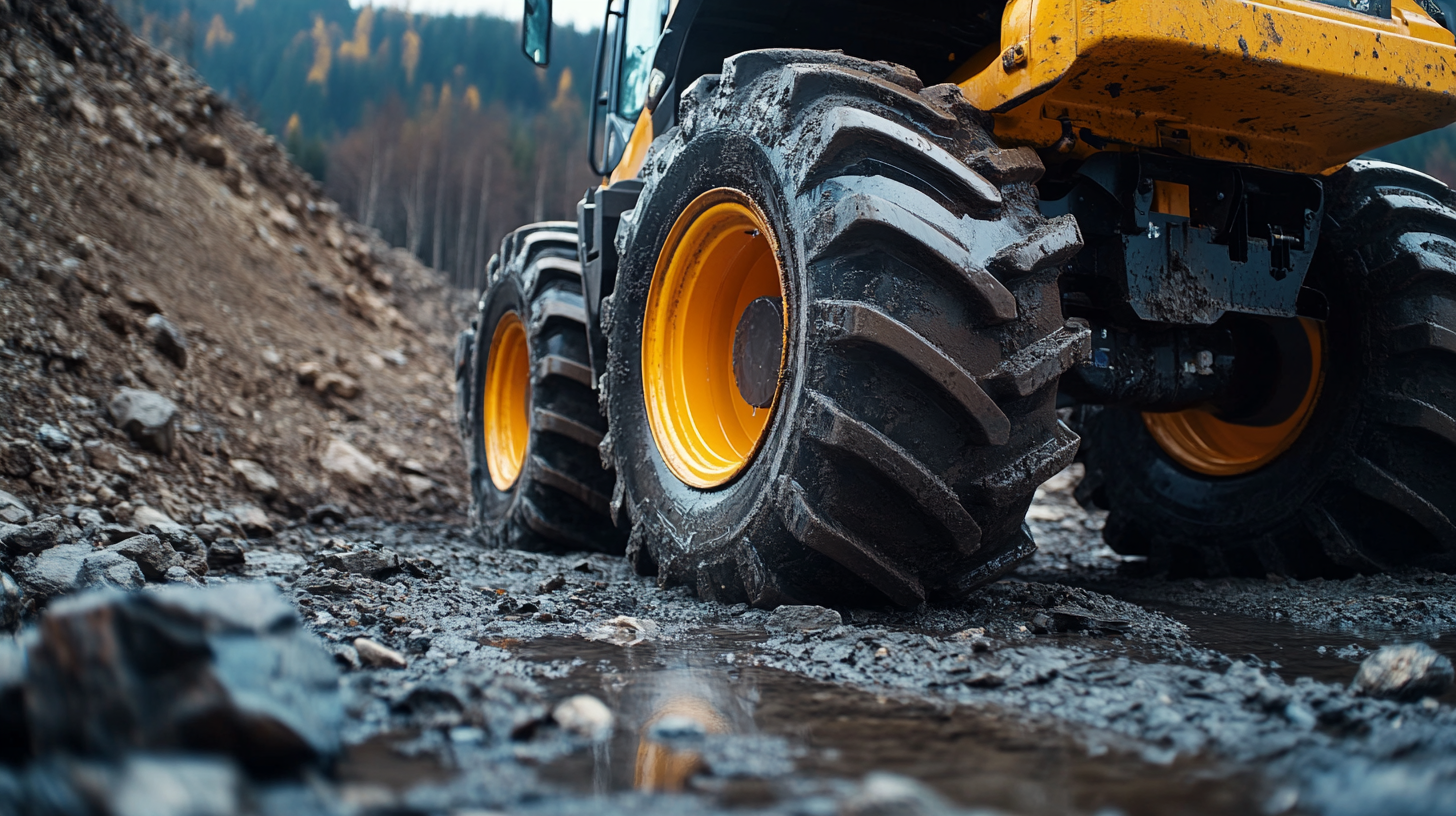
Alright, let’s talk about choosing between rubber and steel wheels for skid steers, because it can really make a difference in both cost and how well your machine performs. Rubber wheels are pretty handy—they're versatile and cause less disruption to the ground beneath them. Plus, they usually come with lower repair costs right off the bat. Thanks to their ability to cushion shocks and vibrations, they tend to put less stress on the machine itself, which means you might not have to worry about repairs as often. If you're working on uneven terrain or if the surface's condition matters a lot, rubber wheels seriously shine. They help you dodge damage, not just to the equipment, but also to the area around it.
Now, on the flip side, steel wheels can be a bit of a headache. They often need more frequent TLC because they wear out faster, especially when you're on tough ground. That means the repair bills can stack up pretty quickly since they might require more serious fixes or even complete replacements down the line. Plus, because they're so rigid, they can add extra strain on the skid steer, leading to more downtime and additional costs. So, in the long run, rubber wheels not only save you some bucks upfront but also might be a smarter investment if you consider maintenance and efficiency over time.
When it comes to after-sales support, the differences become even clearer. Companies that deal with rubber wheels typically offer better customer service. You’ll often find specialized teams ready to help out with any rubber wheel maintenance issues you might hit. They usually provide handy resources for troubleshooting, quick-to-get replacement parts, and a knowledgeable staff that's well-versed in the quirks of rubber wheel use. On the other hand, those that specialize in traditional wheels might not have the same level of targeted support, which can leave you to tackle more tricky repairs on your own. All in all, weighing the repair costs along with the after-sales support makes a strong case for rubber wheels in the skid steer world.
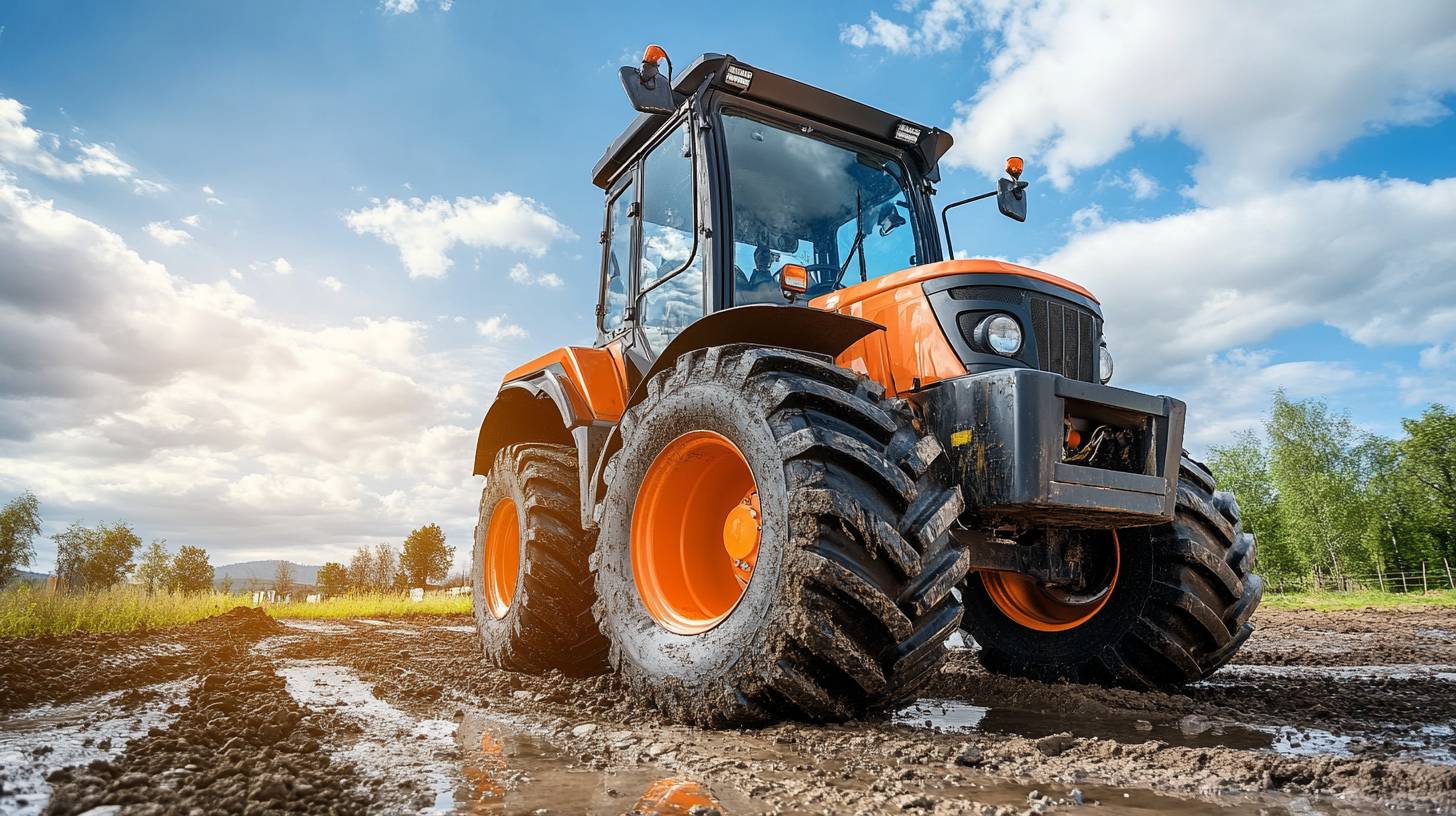
You know, in today’s fast-paced market, after-sales support plays a super important role in keeping those long-term operating costs in check—especially for industries that rely heavily on machinery, like skid steer operations. It's not just about fixing things when they break down; effective after-sales support also provides preventative maintenance strategies that can really help extend the life of rubber wheels and other crucial parts. Recent industry insights suggest that companies that pour some resources into solid after-sales service models can cut their costs by up to 20% over the lifespan of their equipment. Pretty impressive, right?
On top of that, advanced tech like artificial intelligence (AI) is shaking things up in the world of after-sales support. With AI-driven analytics, companies can actually predict when equipment might fail, which allows managers to schedule maintenance ahead of time. This proactive approach not only cuts down on downtime but can also save a ton of cash that would otherwise go toward emergency repairs. There’s this report that pointed out businesses using AI in their operational management have boosted their efficiency by about 30%. It really highlights the benefits of integrating such innovations in after-sales support.
And let’s not forget that as companies deal with rising energy costs and the pressing need for sustainable practices, rolling out a product-as-a-service model could be a game changer. This approach makes asset management a lot more sustainable, helping businesses optimize their resources and trim down those long-term costs. By keeping after-sales support front and center in their operational strategy, companies can not only boost customer satisfaction but also stay competitive in this tricky economic landscape.
Operating a skid steer? Well, let me tell you, having solid after-sales support is absolutely key if you want your machines to keep running smoothly and efficiently. A recent report from the Association of Equipment Manufacturers (AEM) in 2023 found that almost 75% of skid steer operators really stress how important it is to have quick access to maintenance and repair services. I mean, who wants unnecessary downtime, right? That number really shows just how vital timely support can be for staying productive in both construction and landscaping.
One of the big upsides to having reliable after-sales support is that it can help you save on repairs in the long run. If you've got knowledgeable support staff at your fingertips, they can often spot potential problems before they turn into those pricey fixes. A study from Equipment Today pointed out that companies investing in top-notch after-sales services have seen a drop in maintenance costs by about 20-30%. That's pretty impressive! This proactive mindset doesn't just help extend the life of skid steer rubber wheels; it also makes sure operators can keep doing their best work.
And you know what? Good after-sales support also builds a stronger bond between manufacturers and operators. When you get personalized service, it can lead to solutions that really fit the specific needs of your job. In fact, according to ABI Research, companies that excel in after-sales support not only create customer loyalty but can also boost repeat sales by up to 40%! So, it’s clear that robust after-sales support isn’t just an extra expense; it's a vital part of a successful strategy for running skid steers.
You know, preventive maintenance is becoming super important in the construction and industrial world, especially when it comes to those skid steer rubber wheels. A study from the Equipment Maintenance Association shows that having a solid preventive maintenance plan can actually cut your overall repair costs by about 25%. Pretty impressive, right? This happens mainly because you’re catching small issues early on before they blow up into major problems that end up costing a fortune to fix or replace. And let’s be honest, when it comes to skid steers, skipping routine maintenance can lead to some pretty hefty expenses, given that the wheels and undercarriage are key players in how well the machinery performs.
Regular check-ups and getting ahead of any servicing needs for those skid steer wheels can really help spot any wear and tear before it gets out of hand. A report from the Machinery and Equipment Maintenance Federation even states that equipment that gets regular preventive care might last up to 30% longer! That’s not just about fewer repairs; it also means less downtime, so businesses can really crank up their productivity and efficiency. Oh, and here’s a kicker—over 40% of machinery failures can actually be traced back to poor maintenance practices.
Let’s not forget about the after-sales support you can get with preventive maintenance. When owners take the plunge into regular maintenance, they usually find that the manufacturers and service providers step up with better support and access to expert advice. So, not only do they save on maintenance costs, but they also gain valuable insights that can really help fine-tune their operations. In today’s cutthroat market, the financial benefits of preventive strategies for skid steer rubber wheels are crystal clear, making sure businesses keep their equipment running smoothly while managing costs effectively.
You know, the construction equipment scene is always changing, and it's pretty cool to see how skid steer wheels are evolving, especially when it comes to technology and repair practices. One exciting development is the creation of new materials that boost both the durability and performance of rubber wheels. Manufacturers are really putting their heads together to come up with compounds that not only make the wheels last longer but also give better traction and cut down on wear and tear. This is great news for operators looking to get the most bang for their buck, because fewer repairs and lower maintenance costs really make a difference.
But that’s not all—another game changer is how smart technology is being slapped onto skid steer wheels, which could totally change the way we handle repairs. Picture this: wheels equipped with sensors that send real-time updates about their condition. They can even poke you when something's off, so you can jump on issues before they turn into major headaches. This kind of proactive maintenance means less downtime and can really help keep repair costs down since catching problems early is usually easier and cheaper. Plus, more companies are stepping up their after-sales support, making sure clients have all the info and resources they need to keep their gear running smoothly.
And let’s not forget about the increasing focus on sustainability! The industry's really starting to lean into eco-friendly repair practices. Recycling programs and using renewable materials for wheel production are becoming super important. With more contractors and businesses thinking green, embracing these practices not only lessens our environmental footprint but also shows a commitment to corporate responsibility. Looking ahead, the innovations in skid steer wheel tech and repair trends are set to bring improved performance, cost savings, and a solid promise of sustainability.
You know, when it comes to skid steer rubber wheel repair, customer feedback really opens our eyes to how crucial after-sales service is for keeping users happy. Did you know that recent industry reports show that 78% of customers say great after-sales support is a key factor in their buying choices? That’s pretty huge! For skid steer operators, who honestly depend on their machines to perform well, getting quick and effective service is absolutely vital.
Plus, there’s this study from the National Association of Equipment Manufacturers that points out businesses focusing on after-sales support see customer retention rates jump by about 30%. This is super relevant in fields like construction and landscaping, where losing time can hit productivity and profits hard. Happy customers tend to share their good vibes, which really highlights how important solid after-sales service is for standing out in such a competitive landscape.
Now, switching gears a bit—when it comes to service robots, there’s some exciting news! Recent findings suggest that adding automated solutions into after-sales support can really boost customer satisfaction. A survey revealed that 72% of consumers think service robots help tackle issues more efficiently, speeding up repair and inquiry responses. This tech upgrade works hand-in-hand with human support, making for a smoother experience for customers and ultimately building stronger loyalty over time.
Rubber wheels typically have lower initial repair costs and less wear on the machine, resulting in longer intervals between repairs. In contrast, traditional steel wheels require more frequent maintenance and extensive repairs due to their susceptibility to wear and tear.
Rubber wheels tend to require less frequent maintenance compared to traditional steel wheels, which accumulate repair costs quickly due to their rigidity and wear, leading to more downtime.
Rubber wheels offer versatility and reduced ground disturbance, allowing operators to minimize potential damage to both the equipment and the surrounding landscape, making them preferable in uneven terrain.
A well-structured preventive maintenance program can lead to a 25% reduction in overall repair costs by addressing minor issues before they escalate, thus minimizing the likelihood of costly repairs or replacements.
Regular inspections and proactive servicing can extend the lifespan of skid steer rubber wheels by up to 30%, reducing the frequency of repairs and associated downtime.
Over 40% of machinery failures can be directly attributed to inadequate maintenance practices, highlighting the importance of preventive maintenance.
Manufacturers of rubber wheels often offer enhanced customer service with specialized support teams, while traditional wheel manufacturers may not provide the same level of targeted support, which can leave operators struggling with complex repair scenarios.
Owners who invest in regular maintenance tend to receive better support and expert guidance from manufacturers, which can help optimize operations and further reduce maintenance costs.
Rubber wheels not only have lower initial repair costs but also lead to reduced maintenance and operational efficiency issues over time, making them a more cost-effective choice in the long run.
In environments where terrain sensitivity is crucial, rubber wheels are advantageous due to their shock-absorbing properties, which cause less wear on both the machine and the landscape compared to rigid traditional steel wheels.