Hey there! If you’re working in the bustling world of material handling, then choosing the right Solid Forklift Tires is super important for keeping things running smoothly and safely. A recent report from MarketsandMarkets even suggests that the global forklift tire market is on track to hit a whopping USD 12.34 billion by 2023! That really highlights just how much folks are looking for top-notch tires that can boost performance and last longer. Here at Yantai WonRay Rubber Tyre Co., Ltd., we totally get that picking the right supplier for your Solid Forklift Tires is a big deal for any business trying to up their game. Our motto is simple: 'quality first, customer first, innovation first.' We’re all about making sure you get tires that not only meet your needs but actually go above and beyond. So, if you’re feeling a bit lost in the search, this ultimate checklist guide is here to help you sort through the key points to keep in mind when looking for the right supplier. Let’s make sure you’re making decisions that fit your unique operational needs!
Understanding the Importance of Quality Forklift Tires for Your Operations
Alright, let’s talk about something super important for keeping your operations running smoothly: forklift tires. Seriously, you can’t underestimate how crucial they are! Good quality forklift tires really play a big role in safety, efficiency, and ramping up productivity in any industrial setting. When you've got solid tires, they not only help with load stability and traction, but they also tend to last longer. That means fewer replacements—saving you some bucks in the long run, right? So, choosing the right supplier is key; their dedication to quality can really make a difference in how well you operate.
Over here at Yantai WonRay Rubber Tyre Co., Ltd., we live by the motto of 'quality first, customer first, innovation first.' It’s not just a saying for us; it’s part of everything we do in the manufacturing process. We’re all about making sure our solid forklift tires meet those top-notch standards for durability and performance. Plus, we really take the time to understand what our customers need, so we can deliver solutions that fit their specific operations perfectly. By teaming up with a reliable partner like us, you're not just getting tires; you’re making an investment in quality that’s key to keeping your operations flowing smoothly and avoiding those unexpected downtimes.
Key Features to Look for in Solid Forklift Tires
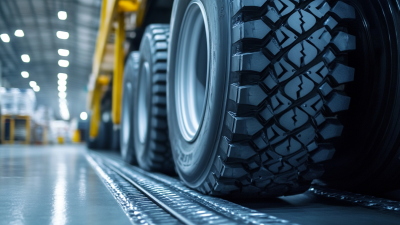
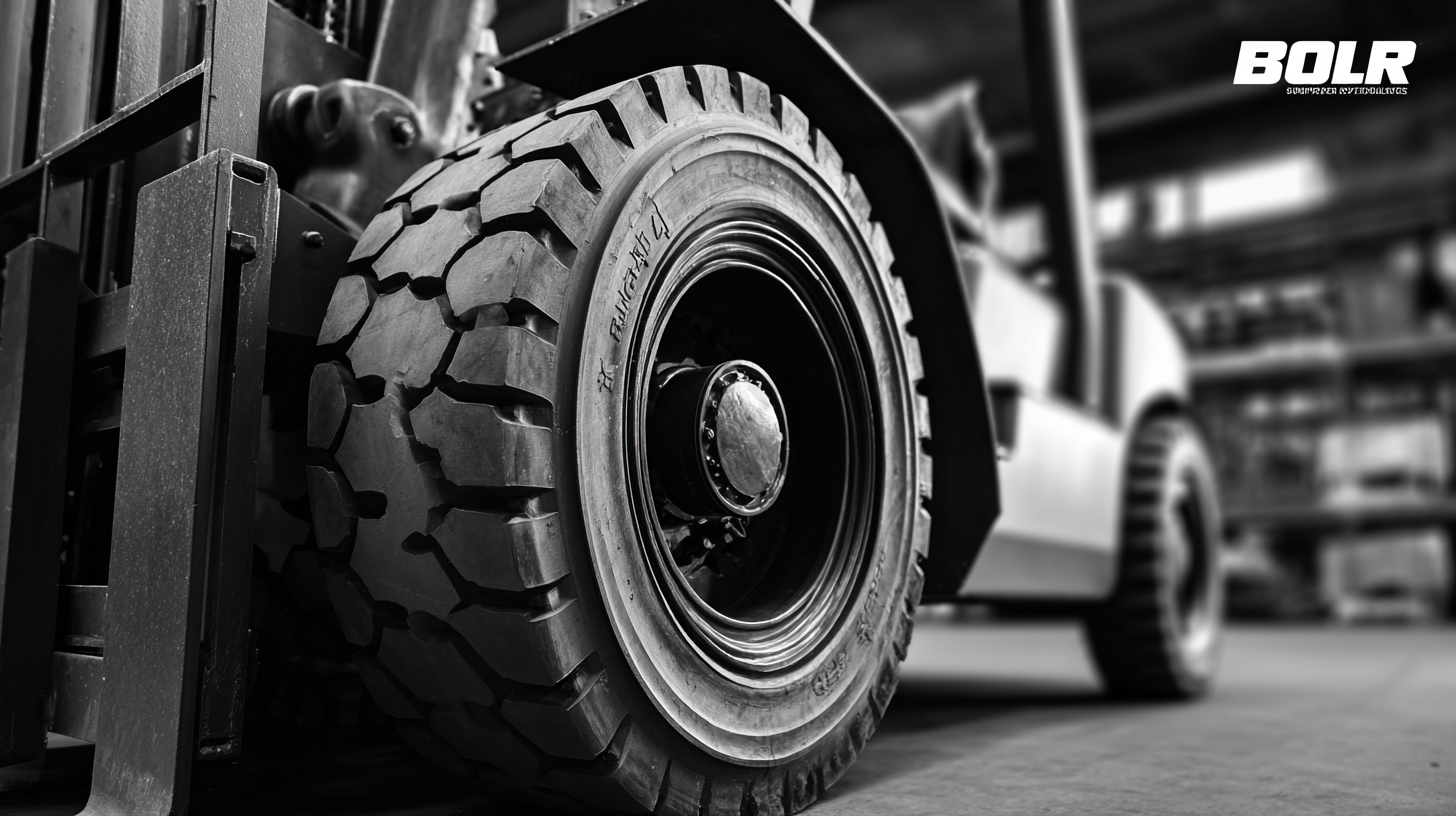
So, when you're on the hunt for solid forklift tires, you've gotta focus on a few key features that really make a difference in performance and safety, right? One of the biggies is the tread design. I mean, it totally affects how well your forklift grips the ground and stays stable. You’ll want to look for tires that have a deep, aggressive tread pattern—those are gonna give you the best traction on all sorts of surfaces, especially if you're moving heavy loads around.
Then, there’s durability to think about. Solid forklift tires should really be made from top-notch materials that stand up to wear and tear. Seriously, going for Puncture-Proof Tires is a smart move because it can save you a ton of headaches when it comes to downtime and maintenance costs. It’s always a good idea to chat with your suppliers and ask them about how the tires are built and their resistance to abrasions.
Finally, don’t forget about the size and load rating of the tires. Making sure the tires you pick are the right fit for your forklift and can handle the loads you’re dealing with is super important for keeping everything running smoothly and safely. A quick chat with a knowledgeable supplier can really help you make choices that suit your specific needs. And hey, always double-check that they’re compatible with your forklift model and the conditions you’ll be working in before you pull the trigger on a purchase!
Exploring Different Types of Solid Forklift Tires and Their Benefits
So, when you're picking out solid forklift tires, it's really important to get a grasp on the different types out there. You’ve got the usual suspects: polyurethane, rubber, and Heavy-Duty Solid Tires. According to a recent report by MarketsandMarkets, the global forklift tire market is expected to hit a whopping $5.2 billion by 2026! That’s thanks to all the buzz around warehouse automation and logistics improvements.
Now, polyurethane tires are pretty fantastic; they’re super durable and resistant to wear. Because of this, they work best indoors, giving you great traction on those smooth surfaces.
On the flip side, rubber solid tires are awesome for outdoor use since they really soak up shocks and handle uneven terrains like champs. There’s this study from Grand View Research that shows solid rubber tires can actually extend the lifespan of your forklift tires by around 20-25% compared to regular pneumatic ones. That’s a smart move if you’re looking to cut down on maintenance costs, right?
And let’s not ignore heavy-duty tires; they’re for those really tough jobs where the load capacities are higher than usual. They ensure everything runs smoothly, even under the harshest conditions. So, by considering these different tire types and their unique perks, businesses can make better choices that boost productivity and keep everyone safe in their operations.
How to Evaluate Suppliers for Your Forklift Tire Needs
Choosing the right supplier for your forklift tires can feel a bit overwhelming, but don't worry, it's really all about doing a little homework first. Start by hitting up the web to check out some potential suppliers and see what other customers are saying. Look for reviews that give you the scoop on how satisfied folks are—things like how long their tires last, whether the prices are fair, and how good the service is. This part is super important because it helps you narrow down the options that match what you're looking for.
Oh, and don’t shy away from asking suppliers for references. Talking to previous clients can give you some real insight into how reliable and responsive a supplier actually is. Plus, think about what kind of tire selections they have. A supplier with a diverse range of tires usually knows their stuff and can cater to the specific needs of your forklift operations.
Also, keep an eye on their warranty and after-sales support. A solid supplier will back up their products, offering warranties that protect you in case of premature wear or defects. If they’re checking in with you regularly, it shows they care about your satisfaction and are truly invested in making sure your operations run smoothly.
Finding the Right Supplier for Best Solid Forklift Tires Your Ultimate Checklist Guide
| Supplier Criteria | Evaluation Metric | Importance Rating (1-5) | Supplier A | Supplier B | Supplier C |
| Product Quality | Tire Durability Rating | 5 | Excellent | Good | Average |
| Pricing | Cost per Tire | 4 | $150 | $145 | $160 |
| Delivery Time | Days to Deliver | 3 | 5 Days | 4 Days | 7 Days |
| Customer Support | Response Time | 5 | 24 Hours | 48 Hours | 72 Hours |
| Warranty | Warranty Period | 4 | 3 Years | 2 Years | 3 Years |
Cost Considerations When Choosing Solid Forklift Tires
When it comes to picking out solid forklift tires, let’s be real—cost is a huge factor in the decision-making game. You know, the solid tire market is gearing up for some serious growth by 2033, especially with the construction and agriculture sectors really stepping up their game. These industries are all about investing in specialized tires that can handle tough conditions and really go the distance. So, if you’re in the market, it’s essential to balance your budget against the long-term perks of getting higher-quality tires. They might cost a bit more upfront, but they can save you big time on maintenance and keep your operations running smoothly.
And let’s not forget how tire choice can boost productivity. Think about it—forklifts, telehandlers, and other heavy equipment that work in rough environments need tires that can take a beating while still giving you the grip you need. Actually, industry reports suggest that solid tires can outlast and outperform pneumatic ones in terms of reliability and lifespan. So, while they might be a pricier option, they’re definitely worth considering. By getting a solid grasp of these cost factors and market trends, businesses can make savvy decisions that fit their operational needs and budget constraints.
Maintenance Tips to Extend the Life of Your Solid Forklift Tires
Keeping those solid forklift tires in good shape is super important if you want them to last long and save some bucks on operations. Did you know that, according to the Tire Industry Association, taking care of your tires can actually stretch their lifespan by as much as 30%? Crazy, right? Regular check-ups are a must; just look out for any signs of wear, cracks, or stuff stuck in the treads, which can help you dodge any nasty surprises down the road. If you can do a quick visual check every week, along with more detailed inspections once a month, you'll be ahead of any potential issues before they become big deals.
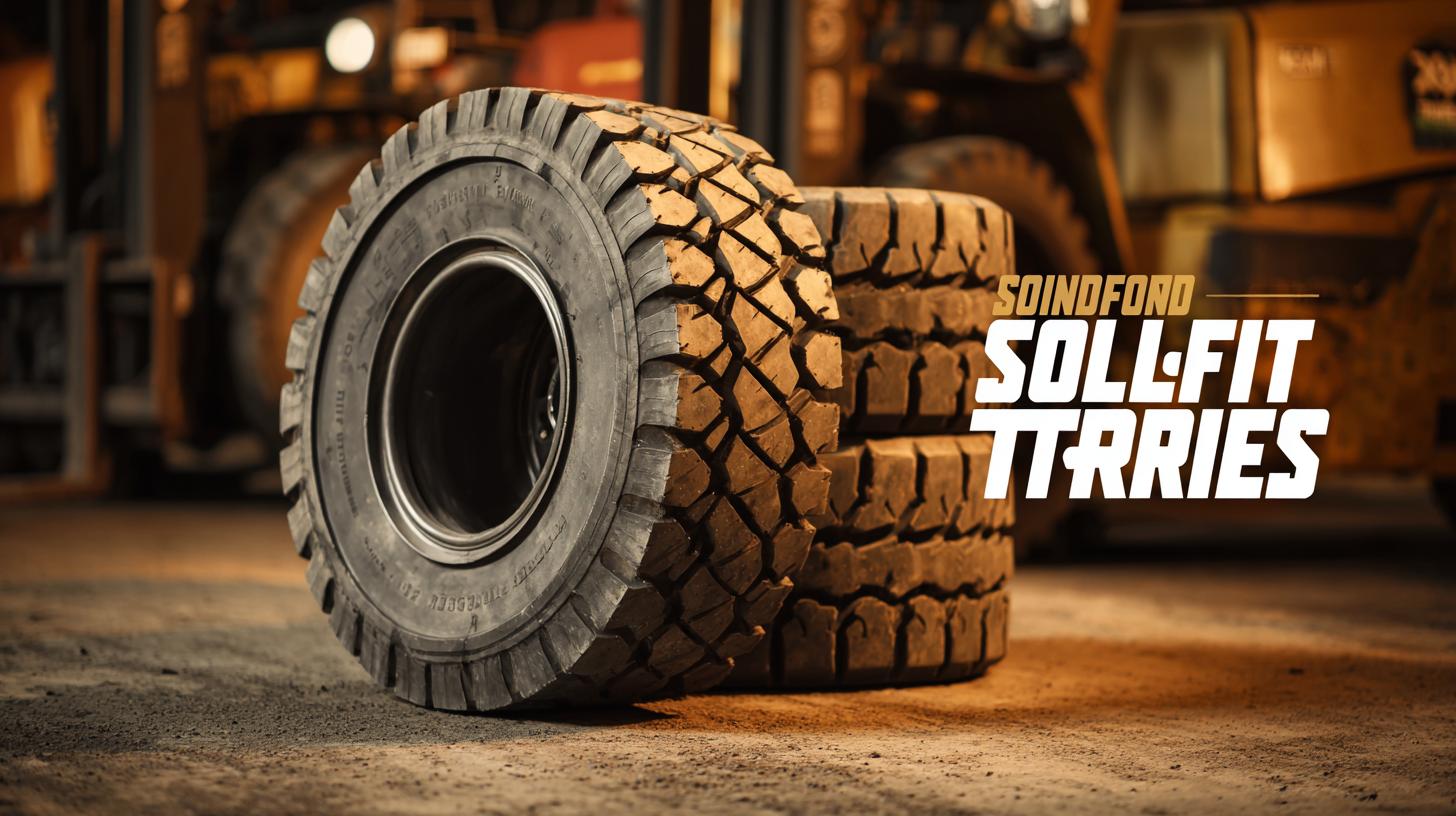
On top of frequent checks, it's also super important to keep your tire pressure right. The folks at the Industrial Truck Association say you should peek at your solid tire pressure every day to prevent uneven wear and keep things running smoothly. If the tire is low on air, it can mess with handling and make it harder to move around, which obviously isn’t great for productivity. Plus, setting up a regular tire rotation can help even out the wear and tear, giving your tires a longer life. By sticking to these maintenance tips, your business can get the best out of those solid forklift tires and really make the most of your investment!
FAQS
: Begin by researching suppliers online and gathering customer reviews. Look for testimonials that reflect overall satisfaction regarding tire longevity, pricing, and service support.
Asking for references from suppliers allows you to gain insights into their reliability and responsiveness from past clients, helping you make a more informed decision.
A diverse inventory of tire options indicates that the supplier is knowledgeable and can meet specific requirements for your forklift operations.
A good supplier should offer warranties that protect against premature tire wear or defects, as well as demonstrate commitment to customer satisfaction through regular follow-ups.
Regular inspections help identify signs of wear, cracks, and debris, which can prevent unexpected failures and extend tire lifespan by addressing issues early.
Tire pressure should be checked daily to avoid excessive wear and enhance efficiency, as under-inflated tires can negatively affect handling and productivity.
Implementing a scheduled rotation for your tires helps distribute wear evenly, which can prolong tire life and improve overall performance.
According to the Tire Industry Association, properly maintained solid forklift tires can have their lifespan extended by up to 30%.
Failure to maintain correct tire pressure can lead to reduced handling, increased rolling resistance, and ultimately, lower forklift productivity.
By ensuring proper maintenance of solid forklift tires, businesses can achieve long-lasting performance, reduce unexpected failures, and ultimately lower operational costs.