Yantai Wonray Tyre Co., Ltd.

Leave Your Message
When it comes to machinery and equipment, staying ahead means optimizing performance—that's just a fact. 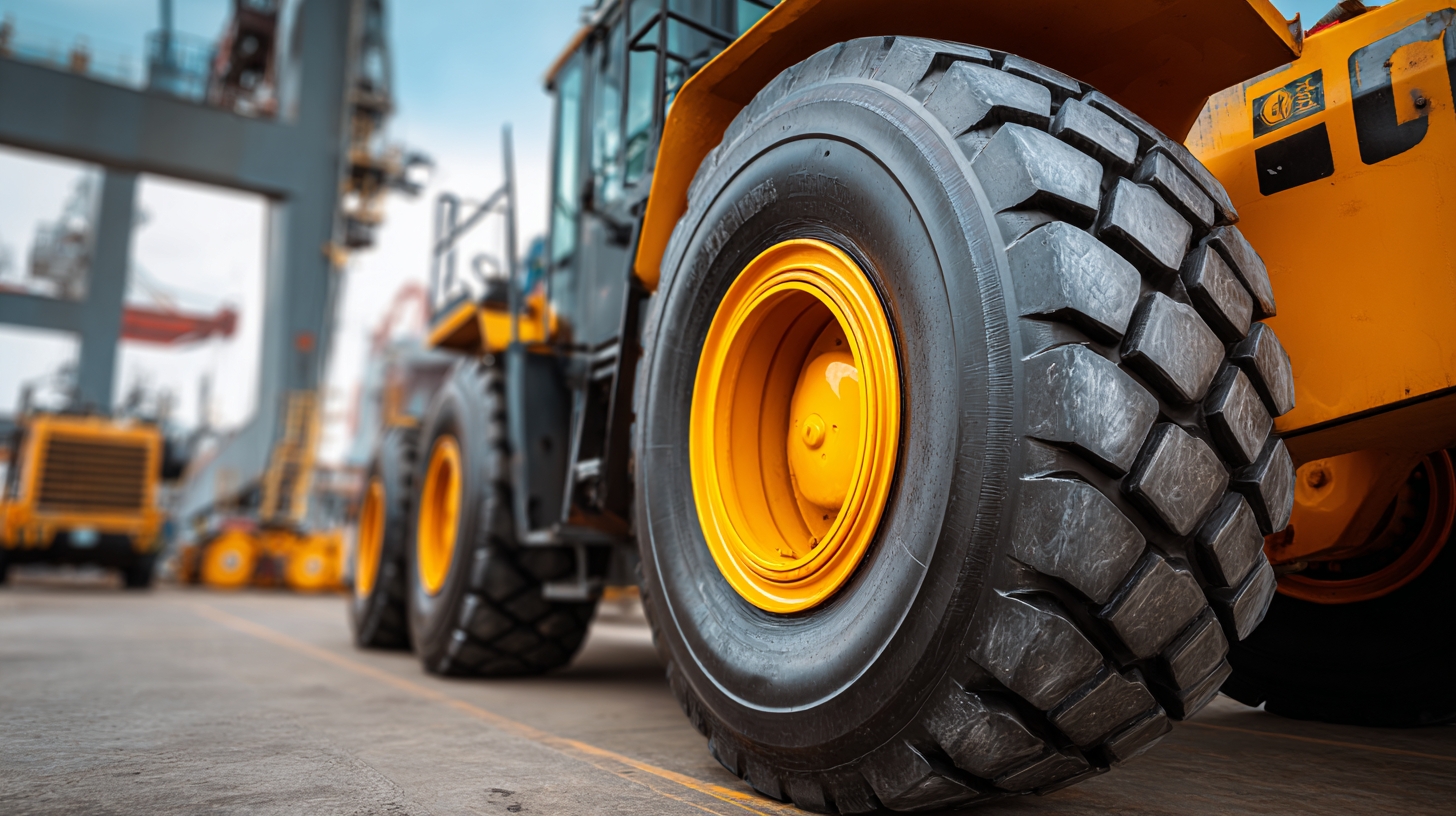 Solid Rubber Tires have really become agame-changer in bumping up equipment efficiency. Compared to the usual pneumatic tires, they last longer, cost less to maintain, and offer better stability.
Did you know that, according to the latest industry reports, switching to solid tires can cut downtime by about 15% and boost load capacity by nearly 30%? Pretty impressive, right? That’s why they’re so popular in everything from construction sites to warehouses.
At Yantai WonRay Rubber Tyre Co., Ltd., we truly believe that quality is the heartbeat of what we do. We’re committed to our motto: 'quality first, customer first, innovation first.' By listening to what our customers need and constantly pushing for smarter, innovative designs, we craft Solid Rubber Tires that meet the demands of today’s tough industrial environments—delivering dependability and safety every step of the way.
Lately, solid rubber tires have really been making a splash in the equipment world, and it's not hard to see why. They come with a bunch of advantages that seriously boost how well and efficiently machinery runs. For starters, these tires are about as durable as they come. Unlike those pneumatic ones that can get punctured or lose air pretty easily, solid rubber tires are tough and resilient—able to handle rough conditions without breaking a sweat. That means less time fixing up equipment and more time getting things done, which is a total lifesaver in busy work environments.
And here's another thing: they give great grip and stability. Because the construction is solid, they stick to different surfaces nicely, helping to prevent slips and slides. This is especially handy in places like warehouses or construction sites where sure footing and safety really matter. Plus, they do a better job at absorbing shocks, so the ride isn’t jarring, and operators can actually enjoy a smoother experience—even during those long, tiring shifts.
On top of all that, solid rubber tires are pretty eco-friendly. They tend to last much longer than traditional tires, which means less waste and fewer replacements over time. All in all, they’re a smart choice for businesses that want reliable equipment, better performance, and to keep things green at the same time.
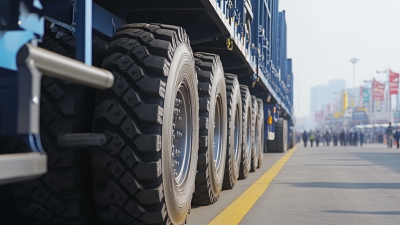
In the fast-paced environment of container handling, maximizing efficiency and safety is paramount. Solid tires for empty container handlers are specifically engineered to meet the high demands of port operations. The advanced design of these tires utilizes high-performance base rubber, which not only enhances tire stiffness but also ensures a precise fit for the tire rim. This meticulous attention to material quality results in increased stability and reduced downtime, essential for the demanding operations at ports, where time is money.
Moreover, the innovative intermediate rubber composition contributes to lower heat generation and improved temperature resistance under heavy operational loads. Reports from industry analyses indicate that tires designed with advanced thermal management technologies can significantly prolong service life. For instance, the integration of high-tech materials allows for effective heat diffusion, thereby lowering internal temperatures and preventing premature tire wear. This capability is especially beneficial in environments where the continuous movement of heavy containers generates substantial heat.
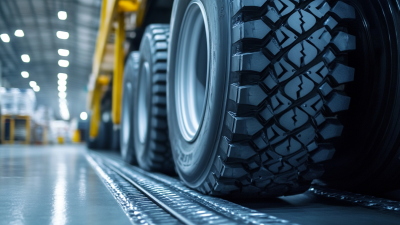
Different tread structures and patterns are employed based on the unique operating conditions of various ports. This customization not only enhances traction and durability but also ensures that empty container handlers can operate efficiently regardless of terrain. According to recent studies, implementing solid tires with tailored tread designs can increase productivity by up to 15%, showcasing their value in achieving operational excellence in port logistics.
: Solid rubber tires are durable, provide superior traction and stability, absorb shock well, and enhance overall ride quality, leading to increased operational efficiency and productivity.
Unlike pneumatic tires, solid rubber tires are not prone to punctures or air pressure fluctuations, making them more reliable and reducing equipment downtime for repairs.
Consider the weight capacity, terrain types, traction needs, and compatibility with existing equipment to ensure optimal performance and safety.
Regular maintenance such as checking tire pressure, inspecting for damage, cleaning tires, and rotating them every 1,000 hours can significantly extend their lifespan.
They typically have a longer lifespan than traditional tires, reducing waste and promoting sustainability in equipment operations.
Maintaining proper tire pressure, conducting regular inspections for damage, and keeping tires clean are essential practices to prevent premature wear.
Experts recommend rotating solid rubber tires every 1,000 hours of operation to promote even wear and enhance traction.
Solid rubber tires are particularly valuable in environments requiring maneuverability and safety, such as warehouses and construction sites.
Their shock-absorbing capabilities contribute to a more comfortable ride for operators, especially during extended use of the equipment.
Neglecting regular inspections can lead to premature tire failure, with studies indicating nearly 40% of such failures are due to damage that goes unnoticed.
If you're looking to boost your equipment’s performance, Solid Rubber Tires really pack a punch with tons of benefits—helping you work more efficiently and stay safer out there. Unlike those traditional pneumatic tires, these guys are super durable and resistant to punctures, so you don’t have to worry about unexpected breakdowns or costly repairs. Picking the right Solid Rubber Tires for your specific gear isn’t just a quick decision; it’s about considering things like how much weight they need to handle and where you’ll be using them. And hey, knowing some simple maintenance tricks can seriously extend their life, so you get the most out of your investment.
Here at Yantai WonRay Rubber Tyre Co., Ltd., we’re all about quality—it's the heart of everything we do. We’re passionate about innovation and making sure our customers are happy. That’s why we focus on providing top-tier Solid Rubber Tires that not only improve how your equipment performs but also keep everyone safe. If you pick the right tires and take care of them properly, you’ll see a real difference in performance. Honestly, investing in solid rubber tires is a smart move for tough, heavy-duty jobs—you won’t regret it.
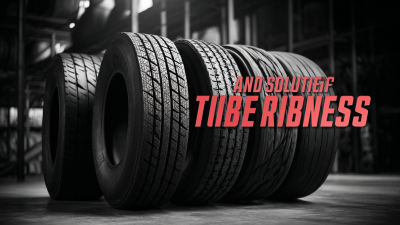
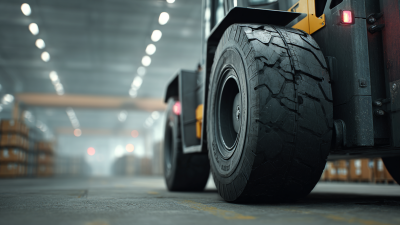

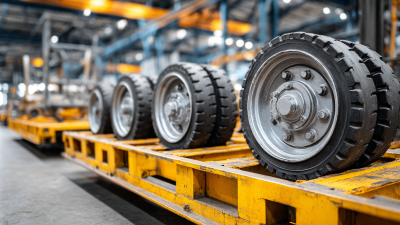


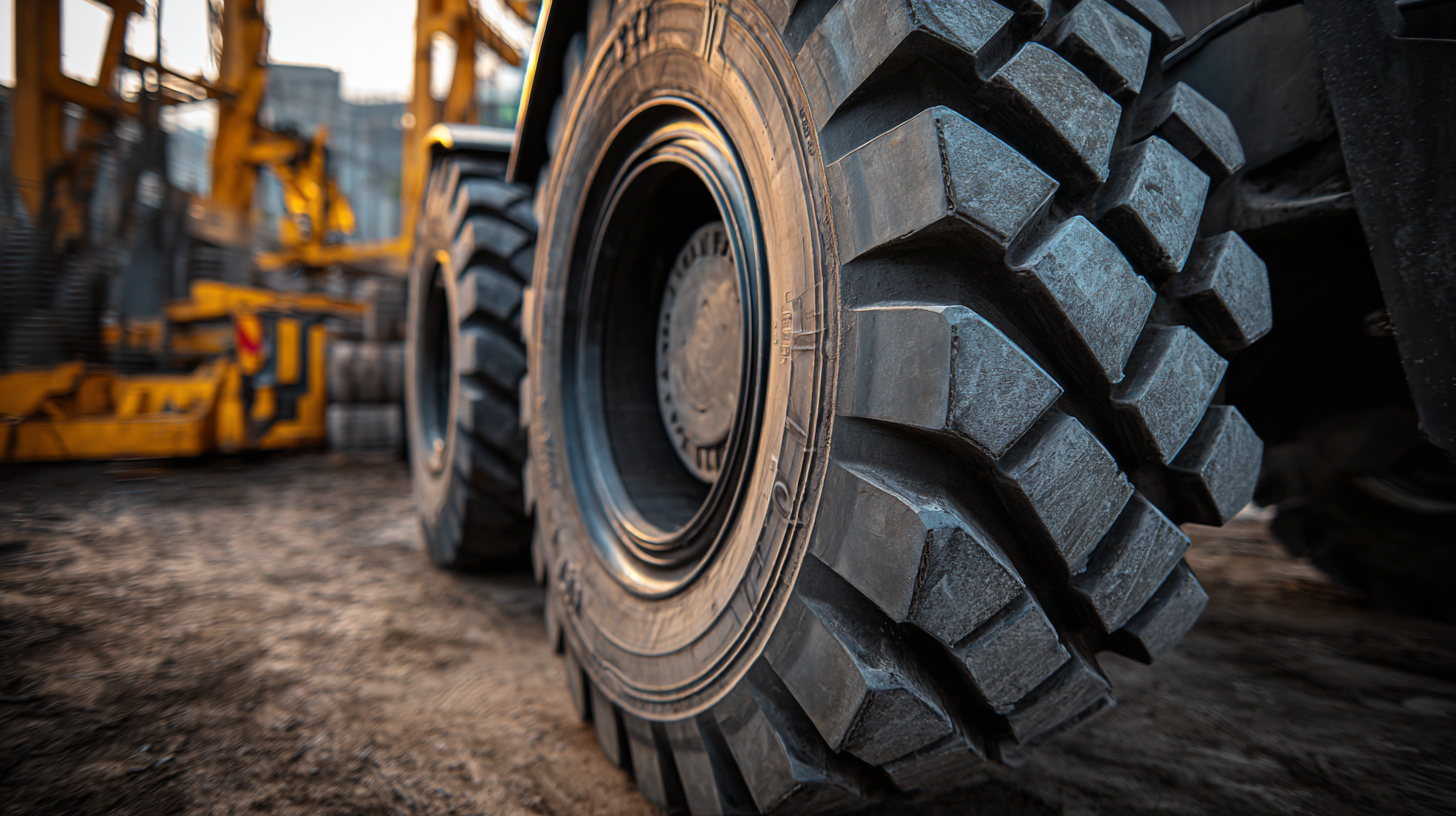 When you're choosing solid rubber tires for your equipment, it's really important to think about a few key things that match up with what you actually need to do. These tires are pretty popular because they’re tough and don’t require a lot of upkeep, so they’re great for all sorts of stuff — whether you’re hauling stuff around in a garden cart or using bigger machinery on a construction site. First off, you wanna look at how much weight the tires can handle. If you’re dealing with heavy loads, you’ll need something solid enough to handle that pressure without losing performance.