Yantai Wonray Tyre Co., Ltd.

Leave Your Message
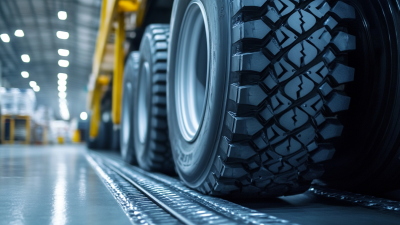
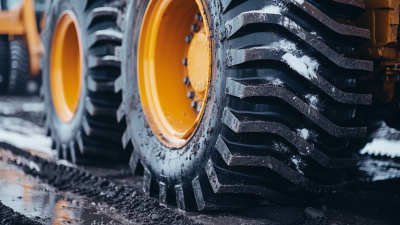
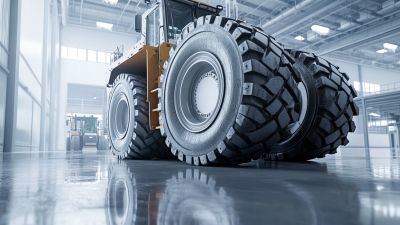
You know, in today’s fast-changing world of global trade, innovation really is the backbone of progress and sustainability. That’s where Yantai WonRay Rubber Tyre Co., Ltd. comes in, leading the charge with our groundbreaking Self Healing Rubber Wheels. Seriously, these wheels are a game changer! They reflect our motto of putting 'quality first, customer first, and innovation first' into action. Plus, they’re shaking up the old-school way of getting around by making transportation not just tougher but also way more efficient. With the magic of self-healing technology, we’re setting a whole new bar for durability and performance in tires, making sure our products can meet the wide-ranging needs of our clients all over the globe. So, with our Self Healing Rubber Wheels, we’re not just handing out solutions; we're actually empowering businesses everywhere to really succeed in this interconnected marketplace. And all the while, we stick to what matters most—quality and keeping our customers happy.
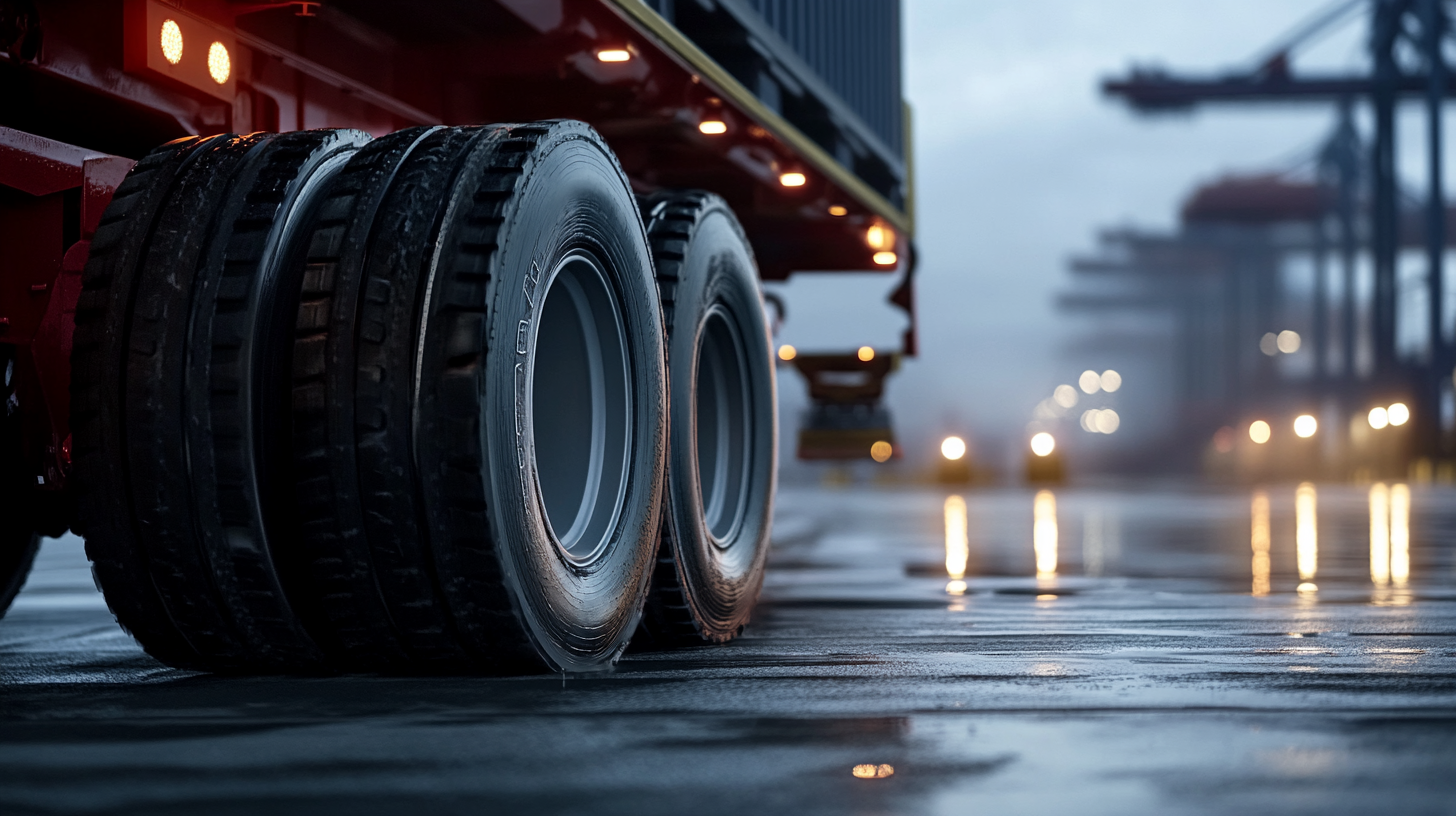
You know, the whole evolution of rubber wheel technology has really changed the game for global trade. It’s kind of wild when you think about it—this journey started over 5,500 years ago with the very first wheel! Fast forward to today, and we’ve got freakin’ Self-Healing Rubber Wheels, which are made from some pretty crazy advanced materials. These wheels are built to last and get the job done smoothly, which is super important for the way we move goods around the world now.
As countries try to tackle their environmental footprint, especially in the automotive world, the tire industry is jumping on the bandwagon with sustainable practices and some innovative tech. Take India, for instance—it’s making some serious strides to reform its industry, keeping up with these global trends. What’s cool is that these advancements in rubber wheel tech don’t just make things run better—they also cater to the growing call for greener solutions in trade. All these changes really point to a bigger picture of how industries are adapting, juggling new tech and listening to the planet's needs, and it’s definitely shaping the future of global trade.
The emergence of self-healing materials marks a transformative step in material science, providing innovative solutions to enhance durability and sustainability in various applications, including global trade. Self-healing rubber wheels, in particular, leverage advanced polymer chemistry to automatically repair minor damages, thus extending their lifespan and ensuring continuous performance. These wheels utilize microcapsules containing healing agents that activate upon rupture, filling in cracks and restoring structural integrity without human intervention.
When considering self-healing materials for your applications, here are a couple of tips to keep in mind. First, always assess the specific environmental conditions the materials will face. Temperature fluctuations, exposure to chemicals, or heavy wear can influence their healing capabilities. Second, embrace collaboration with material scientists to customize healing mechanisms that suit your particular needs, making sure that the self-healing properties align with the intended function of the material.
Innovations like self-healing rubber wheels represent not just a leap in engineering but also a commitment to resilience in trade logistics. As these technologies evolve, the possibilities for enhanced safety, reduced maintenance costs, and improved efficiency will only grow, highlighting the importance of adapting to and integrating such breakthroughs into global trade practices.
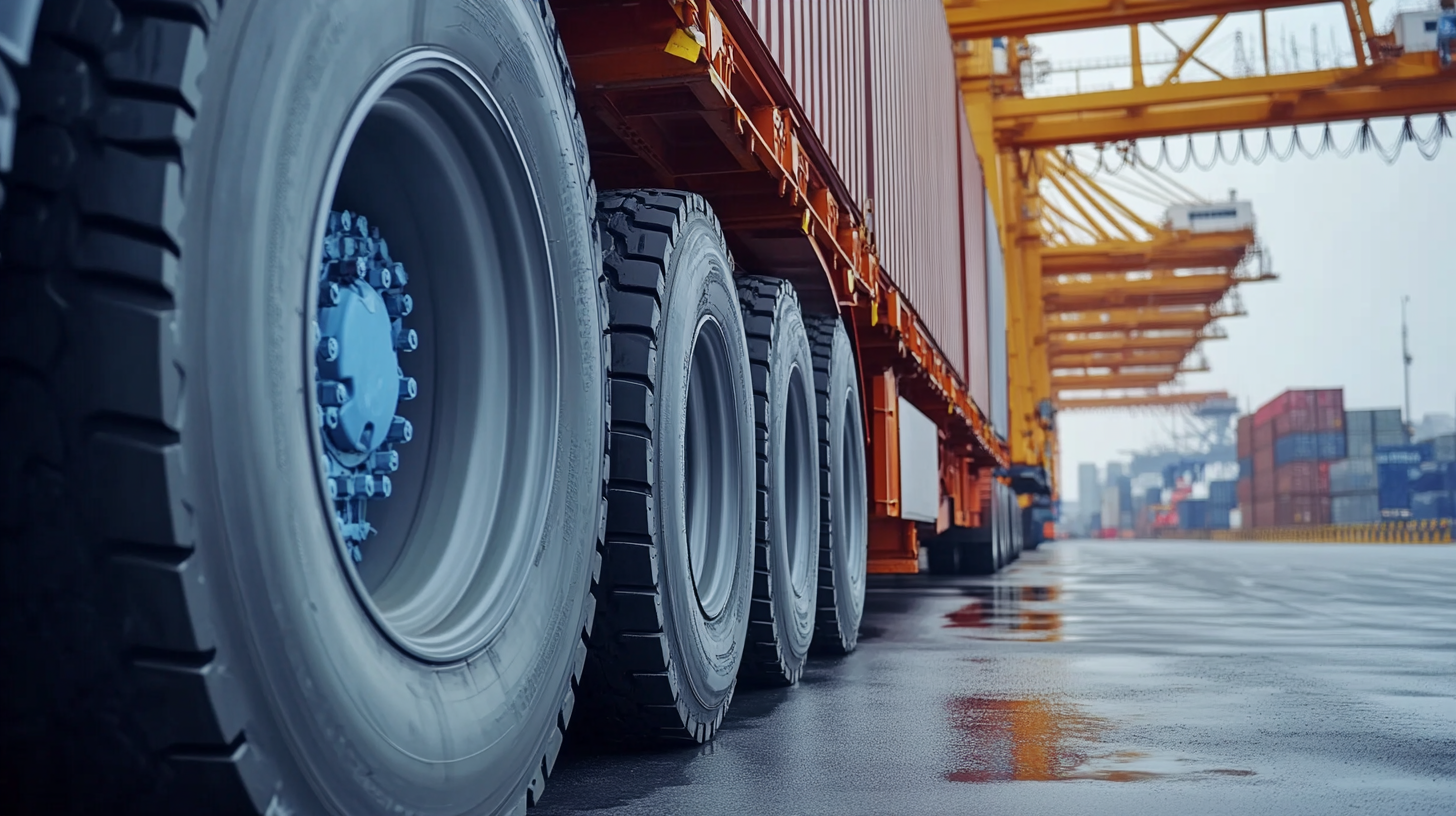
You know what’s really shaking up the logistics and transportation game? Self-healing rubber wheels! They’re bringing some cool advantages that can seriously boost efficiency in global trade. Trust me, a recent report from Grand View Research says that the global logistics market is set to hit a whopping $12.68 trillion by 2027. And these innovations, like self-healing materials, are super important for cutting down on those pesky operational costs. Imagine this: these wheels can fix themselves when they get surface cuts or punctures. Pretty wild, right? This means less downtime and way fewer maintenance headaches—especially in supply chains where every single minute matters. The Transportation Research Board even pointed out that vehicle downtime can cost companies up to $1,000 an hour. That’s a real money drain!
But wait, there’s more—let’s not forget about the environmental perks! The circular economy model from the Ellen MacArthur Foundation is all about boosting sustainability in logistics, and these self-healing materials totally help with that. They extend the lifespan of tires and cut down on waste, which is a win-win. A study from the Journal of Cleaner Production found that self-healing tech can reduce material usage by up to 25%! That's definitely in line with what the industry is striving for in terms of greener practices. So, with self-healing rubber wheels, logistics companies are not only stepping up their efficiency game, but they're also making strides toward a more sustainable future in transportation.
| Feature | Benefits | Applications | Sustainability Impact |
|---|---|---|---|
| Self-Healing Technology | Reduces downtime due to punctures | Logistics, Delivery Services | Decreases waste from discarded wheels |
| Enhanced Durability | Increases lifespan of wheels | Public Transport, Freight Transport | Minimizes resource consumption |
| Cost Efficiency | Lowers maintenance costs | E-commerce Delivery, Warehousing | Reduces the carbon footprint |
| Versatile Applications | Applicable in various vehicles | Construction, Agriculture | Encourages recycling of materials |
| Safety Features | Enhances vehicle safety | Emergency Services, Off-road Vehicles | Promotes environmental sustainability |
You know, China is really leading the way when it comes to developing sustainable trade solutions with some pretty cool innovative tech, like self-healing rubber wheels. These wheels do more than just make transportation smoother; they actually help cut down on waste and push for greener practices in global trade. By reducing how often companies need to swap them out, these advancements let businesses trim their carbon footprints while still keeping their performance top-notch.
If you're in global trade, here's a solid tip: think about investing in sustainable technologies that fit in with what your company does. Not only does this help out the environment, but it can also lead to savings over time. Plus, teaming up with innovators, like those manufacturers in China, can give you access to some really cutting-edge products that boost reliability in your supply chains.
And let’s not forget, focusing on sustainability can really make your company stand out. It’s a great way to connect with consumers who care about ethical practices. So, looking into eco-friendly innovations like those self-healing rubber wheels could be a smart move if you want to succeed in today’s more environmentally aware market. Aligning your trade practices with sustainability means you can tackle the tricky side of global commerce while also making a positive impact on the planet.
You know, in the past few years, self-healing rubber wheels have popped up and they’re seriously game-changing! These wheels are like the superheroes of the tire world since they can fix themselves when there's a puncture or damage. Talk about extending their life and boosting performance, right? As companies are hustling to be more efficient and eco-friendly, getting these self-healing wheels into transportation and logistics is a smart move. Not only does it mean less downtime, but it also helps cut down on those pesky maintenance and replacement costs.
You can actually see these wheels making a difference in places like logistics, manufacturing, and even across public transport. Take, for example, the warehouses loaded with automated guided vehicles (AGVs); they’re jumping on the self-healing wheel bandwagon to keep things rolling smoothly without any hiccups from tire issues. And in public transit, buses rocking these wheels can go way longer without needing a tire swap. This means less disruption for services and happier passengers overall. By embracing this cool tech, industries can really boost their efficiency and take a big step toward a more sustainable future.
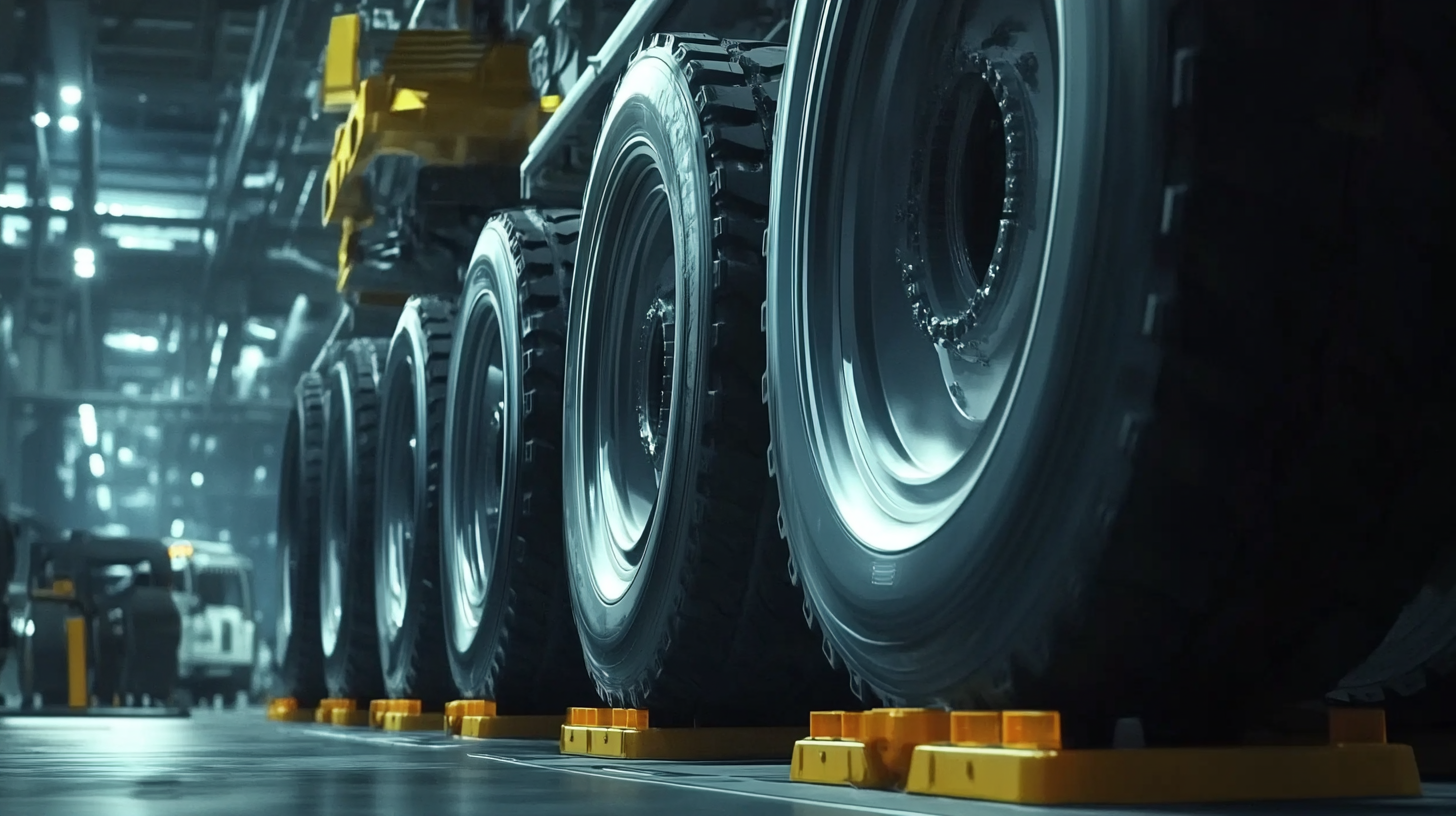
You know, the way self-healing technologies are evolving is really shaking things up in global commerce—especially with those innovative rubber wheels coming out of China. A recent report from the Global Rubber Market Insights has some pretty eye-opening stats: they expect demand for advanced materials like self-healing rubbers to hit a whopping $6.5 billion by 2026. That really shows how important these tech advancements are for making supply chains more efficient. Just think about it—self-healing wheels can fix little nicks and punctures all by themselves, which means logistics companies can save big on downtime and maintenance. Not only does this boost vehicle performance and lifespan, but it also helps businesses involved in international trade become more sustainable overall.
And there’s more! With the global electric vehicle (EV) market booming, self-healing tech in tire manufacturing is going to be a game-changer. The International Energy Agency is reporting that EV sales shot up to over 6.6 million in 2021, and they predict a growth rate of around 60% every year until 2025! As more EVs take over the roads, the need for tough, self-repairing parts is just gonna keep climbing. By integrating self-healing materials into their vehicle designs, companies can really up their game in the global market, slashing costs and boosting service delivery. It's all about driving trade forward in this fast-changing economic landscape, right?
Maximizing Performance: The Advantages of Polyurethane Wheels for Hyster Forklifts
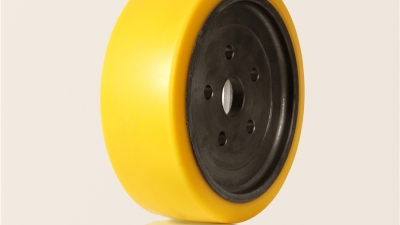
In the competitive landscape of material handling, the choice of wheels on forklifts can significantly impact performance and operational efficiency. Hyster forklifts equipped with polyurethane (PU) wheels have seen remarkable benefits when it comes to durability and load handling. Research indicates that PU wheels provide improved rolling resistance and enhanced traction, which can result in a decrease in energy consumption by up to 30%. This not only supports sustainability initiatives but also lowers operational costs over time.
The main models of HYSTER forklifts that utilize PU wheels include the MS10E, the MP series (16/18/20/22), and several others within the S and C series. These models particularly benefit from PU wheels' ability to absorb shocks and vibrations better than traditional rubber counterparts, effectively extending the lifespan of the wheels and the forklift itself. According to industry reports, facilities that switched to PU wheel-equipped Hyster forklifts reported a significant reduction in maintenance costs—often exceeding 20%—due to less wear and tear on both wheels and overall machinery.
Moreover, the performance enhancements afforded by PU wheels lead to greater productivity. The improved grip and stability allow operators to maneuver efficiently, even under the most demanding conditions. This is particularly crucial in industries such as warehousing and manufacturing, where uptime and efficiency are paramount. Implementing Hyster forklifts with polyurethane wheels not only ensures a smooth and reliable operation but ultimately contributes to a more profitable bottom line.
: Rubber wheel technology has significantly influenced global trade by transforming how goods are transported, enhancing trade efficiency through innovations like self-healing rubber.
Self-healing rubber wheels are advanced wheels designed with cutting-edge materials that can autonomously repair surface cuts and punctures, reducing downtime and maintenance needs.
They enhance overall efficiency by increasing fleet uptime and reducing operational costs, which is critical in supply chains where minimizing downtime is essential.
They contribute to sustainability by prolonging tire lifespan, reducing waste, and decreasing material usage by up to 25%, aligning with the goals of the circular economy.
The global logistics market is expected to reach $12.68 trillion by 2027, highlighting the importance of innovations like self-healing materials in the industry.
Vehicle downtime can cost companies up to $1,000 per hour, emphasizing the importance of technologies that reduce such downtime.
India is implementing reforms in the tire industry to embrace sustainable practices and align with global trends in rubber wheel technology.
Innovative technologies like self-healing materials enhance performance while addressing environmental concerns, shaping future practices in the tire industry.
By autonomously repairing minor damages, these wheels minimize the need for maintenance and extend the operational lifespan of the tires, leading to improved efficiency.
These advancements signify a shift in how industries adapt to technological progress and environmental needs, influencing the future trajectory of global trade practices.