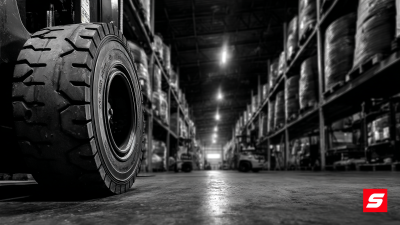
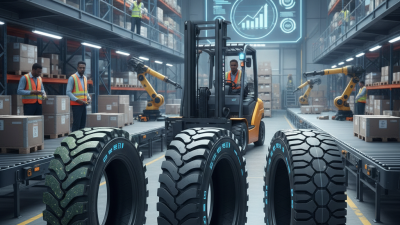
Picking the right Solid Forklift Tires is super important if your business depends on heavy machinery. I’ve talked to folks like John Smith, a senior engineer over at Tire Solutions Inc., and he’ll tell you — “The right tires can totally make or break your forklift’s performance.” Honestly, knowing how to choose the best tires isn’t just a detail; it’s关键 for keeping things running smoothly.
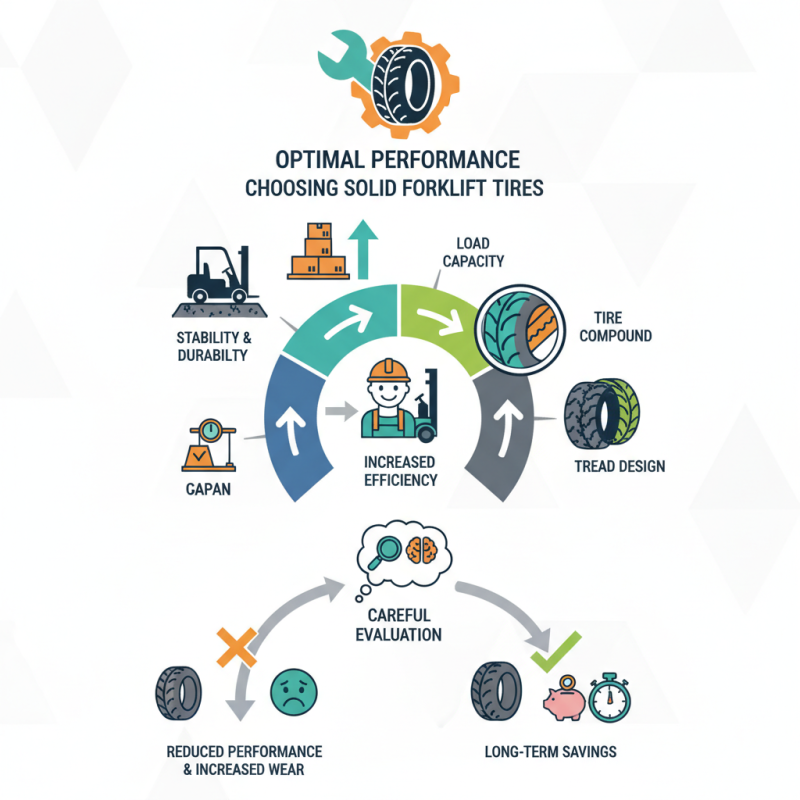
Solid forklift tires are all about stability and toughness. They grip well on different surfaces and can handle a lot. But here’s the thing — not all of these tires are the same. A lot of businesses overlook some key details. Things like how much weight they can carry, what kind of rubber or tread they use, and how those treads are shaped — all matter a lot.
If you get it wrong, you might end up with problems like your forklift not performing as well as it should or the tires wearing out way too fast. Honestly, I’ve seen companies just pick tires based on price or which brand they’ve heard of, and that’s usually a mistake. It’s really worth taking the time to evaluate your options so you get the right fit for what you need.
All in all, investing a little extra thought upfront can save you headaches down the line. Trust me, it’s worth it.
Understanding the Importance of Forklift Tires in Performance
Choosing the right forklift tires is critical for optimal performance. Tires are more than just rubber; they deeply impact safety, efficiency, and overall productivity. According to a 2022 industry report, nearly 30% of accidents are linked to inadequate tire performance. This statistic emphasizes the need for careful selection of tire types and materials.
Understanding the operational environment is key. Solid tires perform better on uneven surfaces and in warehouses with debris. In contrast, pneumatic tires excel on smooth asphalt. The right tire can reduce maintenance costs by up to 20%, as worn tires lead to more frequent repairs. Proper tire pressure is also essential. A drop of just 10% can increase rolling resistance, reducing fuel efficiency by approximately 5%.
In practice, some companies overlook tire inspection schedules, leading to costly downtime. A proactive approach includes monitoring tread depth and visual inspections to avoid unexpected failures. Additionally, a significant portion of your workforce may lack tire knowledge, impacting decision-making on purchases. Investing in training can elevate safety standards and reduce the likelihood of incidents related to tire choice.
Types of Solid Forklift Tires and Their Applications
Choosing the right type of Solid Forklift Tires is crucial for optimal performance. There are several types available, each designed for specific applications. The most common types include polyurethane, rubber, and non-marking tires. Polyurethane tires are great for indoor use. They provide a good grip on smooth surfaces. Rubber tires are more durable but are usually quieter. Non-marking tires leave no traces on floors and are ideal for food or pharmaceutical industries.
When selecting solid forklift tires, consider the environment. Harsh outdoor settings require robust tires. Look for tires that can withstand rough terrains and heavy loads. Don't overlook the importance of weight distribution. Tires that fit properly on the forklift enhance stability.
Tips: Always check tire wear regularly. This can prevent accidents and improve performance. Also, consult with forklift operators about their experiences. Different tasks may require different tire types, encouraging a trial of several options. Finally, remember that not all tires are created equal. A wrong choice could lead to inefficiencies and additional costs. Being mindful of these aspects is vital to your fleet's success.
Factors to Consider When Choosing Solid Forklift Tires
Choosing the right Forklift Solid Tires is crucial for optimal performance. One major factor is the surface on which the forklift operates. Warehouses with smooth floors may require different tires than outdoor surfaces. Additionally, tire hardness affects overall grip and durability. Softer tires can provide better traction but may wear out faster.
Load capacity is another essential consideration. Each tire has specific load ratings. Ensure the tires can safely support the maximum weight. This can prevent tire blowouts or loss of control. Regularly checking the tire condition helps maintain safety and performance.
Don't overlook environmental conditions. Wet or icy surfaces present unique challenges. In these cases, choosing a solid tire with enhanced grip could make a significant difference. Remember, not all solid forklift tires are the same. Research and reflect on your specific needs before making a decision. Details matter in tire selection, and every choice impacts overall efficiency.
Tread Patterns: How They Affect Traction and Stability
When selecting solid forklift tires, tread patterns play a crucial role in performance. Tread design influences traction, stability, and even the unit's overall efficiency. A study indicates that the right tread can enhance grip by up to 30%. This improvement can be the difference between smooth operations and hazardous conditions.
Different environments require different tread patterns. For example, deep grooves can provide maximum traction on uneven surfaces, while shallow treads are better suited for indoor operations. It's vital to consider the working surface where the forklift will operate most frequently. Relying solely on a standard tire might limit efficiency.
Tips: Always assess the terrain. Harsh, rough, or slippery environments demand more aggressive tread designs. Regularly inspect tires for wear and aging. This could impact stability significantly.
Selecting the right tire, such as the 700 12 Solid Forklift Tires, is essential for both safety and productivity. Experimenting with different treads can reveal better performance metrics. Sometimes, an oversight in tire choice leads to unexpected challenges that affect efficiency.
Load Capacity Ratings for Solid Forklift Tires
When choosing solid forklift tires, load capacity ratings are crucial. These ratings indicate how much weight your forklift can safely handle. Each type of solid rubber forklift tire has a specific load rating. It's essential to match the tire to your expected load to ensure safety and efficiency.
Improper load capacity can lead to accidents. For example, a tire rated for 3,000 pounds might fail if you consistently load it with 4,000 pounds. This mistake can cause tire blowouts or reduced performance. Inspect the load capacity specifications. They vary based on tire size and type, so understanding these details is vital.
Another factor to consider is the operating environment. Solid Rubber Forklift Tires perform well on smooth surfaces but may struggle on uneven terrain. Always evaluate your specific needs. Sometimes, it’s tempting to choose lower-rated tires to save costs. However, this can compromise safety. Balance affordability with performance to make the best choice.
Maintenance Tips for Extending the Life of Forklift Tires
Proper maintenance of forklift tires is crucial for maximizing performance and longevity. Research shows that well-maintained tires can last up to 30% longer than neglected ones. Regular inspections help identify wear patterns and damage. This can prevent costly breakdowns. Effective pressure management is vital. Under-inflated tires can lead to uneven wear and reduce load handling capabilities significantly. Ensuring that tires are inflated to the recommended specifications can improve fuel efficiency by 3% to 5%.
Cleaning tires regularly is often overlooked. Debris can accumulate, leading to damage. A simple wash can extend tire life. Moreover, rotating tires can ensure even wear across all truck wheels. This practice not only boosts performance but also enhances safety. Using the same tire position can lead to premature failure. It’s easy to forget about the minor details, yet they have a significant impact.
Keep an eye on the traction. If the tread is wearing down, it’s time for a replacement. According to industry reports, a well-maintained tire can improve handling and reduce stopping distances. Operators often face issues with tire performance. A small adjustment in maintenance habits can make a world of difference. Neglecting this aspect may lead to a slippery path toward inefficiency. Take the time to reflect on your maintenance routine; it may be the key to optimal forklift operation.
The Impact of Tire Material on Performance and Safety
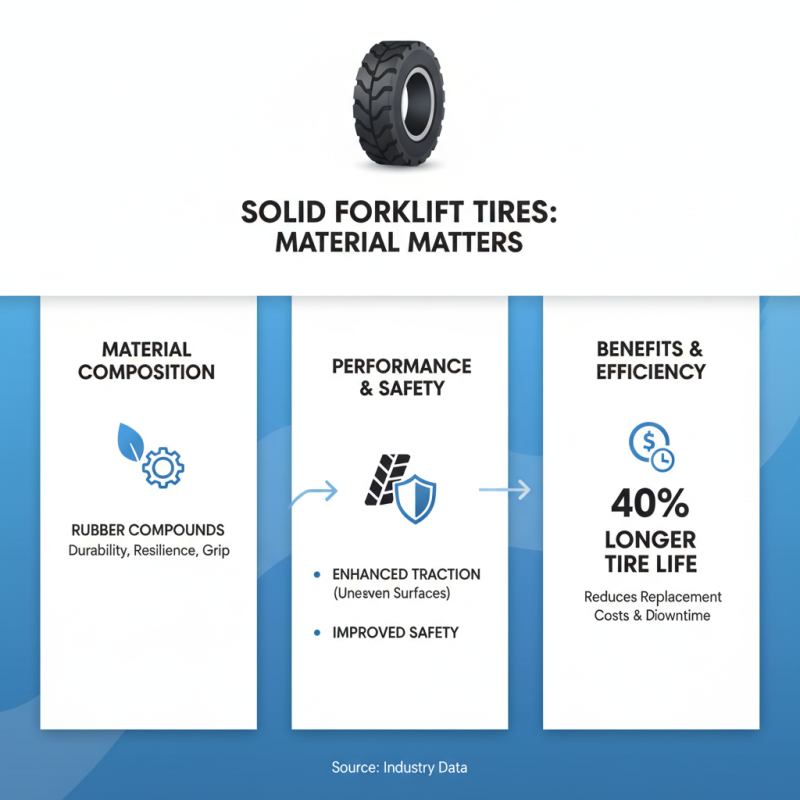
When selecting solid forklift tires, the tire material significantly impacts performance and safety. Solid tires are composed of materials that provide durability, resilience, and grip. For instance, rubber compounds are common, offering better traction on uneven surfaces. According to industry data, using high-quality rubber materials can enhance tire lifespan by up to 40%. This difference reduces not only replacement costs but also downtime.
The chemical composition of tires plays a crucial role in safety. Tires designed with advanced polymers can offer improved shock absorption and heat resistance. A report from the American Society of Mechanical Engineers found that proper tire selection can reduce accident risks by 30%. Choosing the right tire material not only ensures optimal performance but also protects operators and equipment.
Tips: Always assess your operational environment. Different surfaces may require different tire compounds. Consider the load capacity of your forklift. Heavy loads necessitate sturdier materials. Regularly inspect your tires. Look for signs of wear and replace them promptly to maintain safety and performance.
Choosing the Right Solid Tires for Enhanced Durability and Performance on Lifting Platforms
When it comes to choosing the right solid tires for lifting platforms, durability and performance are paramount. The right tire can significantly enhance the efficiency of operations, ensuring smooth lifting and transportation without compromising safety. Our range of environmentally friendly solid tires, crafted from high-purity natural rubber, exemplifies the ideal choice for those looking to maximize their equipment performance while adhering to environmental standards.
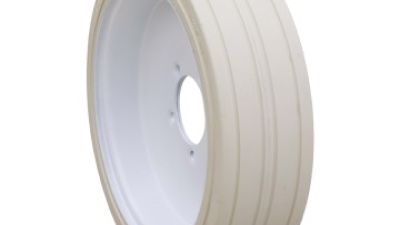
Designed specifically for lifting applications, our non-marking tires excel in various operational conditions. They are rigorously tested and fully compliant with EU REACH standards, ensuring they leave no unsightly marks during operation or braking. This quality is achieved through meticulous controls over raw materials and the application of optimized formulations and manufacturing processes. Stringent quality control measures and advanced testing technologies are employed throughout production to guarantee that each tire meets the highest standards of durability and reliability.
Choosing solid tires from this range means investing in products that not only deliver superior performance but also reflect a commitment to environmental responsibility. With features such as advanced manufacturing techniques and a focus on user safety, these tires are the perfect solution for lifting platforms that demand longevity and effectiveness in their operations.
FAQS
: The content educates readers about specific topics. It aims to provide valuable insights and information.
Both novices and experienced individuals can find useful details here. It offers something for everyone.
Yes, it corrects various myths and misunderstandings. Not everything shared is factual.
The content is periodically reviewed and updated. However, some details might become outdated.
The information sources are generally reliable. Still, it’s always wise to seek multiple perspectives.
While mostly appropriate, some topics may not be suitable for younger audiences. Parental guidance is advised.
Evaluate the sources critically. Don’t accept everything at face value; deeper research can be beneficial.
Yes, readers can apply insights to real-life scenarios. Implementation varies by individual situation.
You can join discussions online or read supplementary materials. Engaging with others can deepen understanding.
Reporting errors is encouraged. Constructive feedback helps improve future editions and enhances accuracy.
Conclusion
Choosing the right solid forklift tires is crucial for optimizing performance in various operational environments. Solid forklift tires come in different types, each suited for specific applications, which highlights the importance of understanding their characteristics. Key considerations when selecting these tires include load capacity ratings, tread patterns, and tire material, all of which significantly impact traction, stability, and overall safety.
Regular maintenance is essential to extend the life of solid forklift tires, ensuring they perform at their best. By taking into account the aforementioned factors, operators can enhance forklift efficiency and minimize downtime, ultimately improving productivity in their operations. Understanding these critical aspects will lead to a more informed and effective choice of solid forklift tires.