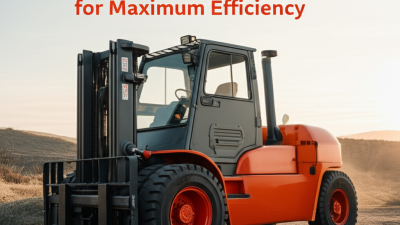
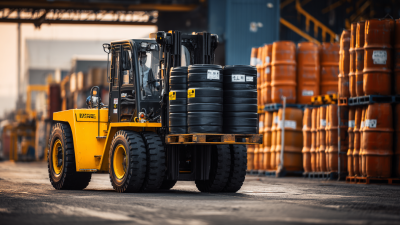
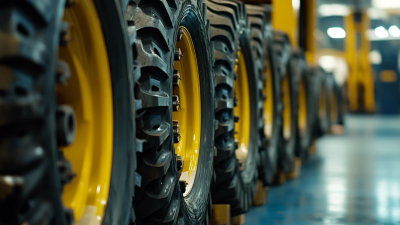
In the hectic world of scrap yard operations, picking the right forklift tires isn’t just about ticking boxes — it can really make a difference in how smoothly things run. As companies aim for peak efficiency, it’s so important to understand what factors actually matter when choosing tires. At Yantai WonRay Rubber Tyre Co., Ltd., we’re firm believers that quality is king — especially since scrap yards need tires that can handle tough conditions day in and day out. We’re all about innovation and making sure our customers are happy, which is why we share expert tips and offer top-notch products designed to meet the industry’s varied needs. This guide will walk you through the best strategies for picking the right forklift tires, so you can make smarter choices that boost both performance and durability in your day-to-day operations.
Top 5 Factors to Consider When Selecting Scrap Yard Forklift Tires
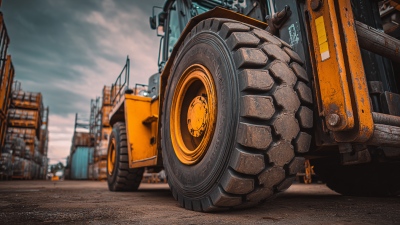
When you're choosing forklift tires for a scrap yard, the main things to keep in mind are efficiency and how long they last. A good starting point is paying attention to what material the tires are made of. For example, Solid Rubber Tires tend to be tougher – they’re more resistant to punctures and wear and tear, which makes them perfect for rough and tough scrapyard conditions. On the flip side, pneumatic tires are great if you need better shock absorption—you know, when you're dealing with uneven or bumpy surfaces, these can make the ride a lot smoother.
Plus, you shouldn’t overlook the tread pattern on the tires. A solid tread design can really boost traction and stability, helping prevent slips while you’re working. It’s smart to pick tires with deeper treads that work well in both muddy spots and dry areas—this way, you’re covering your bases and keeping things safer.
And last but not least, think about the load capacity. Tires rated for heavier loads are less likely to blow out under pressure and will keep your forklift rolling smoothly for longer. Just make sure to check your forklift’s specs and pick tires that can handle the weight you typically carry. That way, everything runs more efficiently and your equipment stays in good shape longer.
7 Benefits of Upgrading to High-Performance Forklift Tires
If you’re thinking about boosting your scrap yard operations, upgrading to high-performance forklift tires is definitely worth considering. Not only can these tires help get the job done faster, but they also seriously improve safety. Did you know that, according to OSHA, around 70% of forklift accidents happen because of bad tires? So, investing in good-quality tires isn’t just a smart move—it can actually help make your workplace safer. These tires give better grip and stability, so operators can handle uneven, debris-filled surfaces more confidently, which is pretty much a must in scrap yards.
Plus, you'll love how long these tires last. A study by the Industrial Truck Association showed that using advanced tire materials can make your tires last up to 30% longer than the standard ones. That means fewer replacements and less downtime—both huge pluses in a busy environment. And let’s not forget about fuel efficiency; high-performance tires tend to have lower rolling resistance, so you end up burning less fuel and saving some cash. All in all, upgrading your forklift tires is a smart move that can really help your yard run smoother and safer while saving money in the long run.
The Ultimate Guide to Choosing Scrap Yard Forklift Tires for Maximum Efficiency - 7 Benefits of Upgrading to High-Performance Forklift Tires
| Benefit | Description | Impact on Efficiency |
| Enhanced Traction | High-performance tires provide better grip on uneven surfaces. | Reduces slippage and increases stability. |
| Improved Durability | Made from tougher materials that resist wear and tear. | Lowers replacement costs and downtime. |
| Better Fuel Efficiency | Optimized tire design reduces rolling resistance. | Can lead to reduced fuel consumption. |
| Increased Load Capacity | Engineered to handle heavier loads without compromising performance. | Improves productivity by allowing more material to be moved at once. |
| Reduced Vibration | High-quality tires absorb shocks better than standard ones. | Increases operator comfort, leading to longer working hours. |
| Better Heat Resistance | Designed to withstand higher operating temperatures. | Minimizes tire failures and extends lifespan. |
| Enhanced Safety | Better grip and handling reduce accident risks. | Promotes a safer working environment for operators. |
Top 3 Types of Tires for Scrap Yard Forklifts and Their Advantages
When you're trying to get the most out of your scrap yard operations, picking the right forklift tires is a pretty big deal. There are three main types you should consider: pneumatic, solid, and poly tires—each one has its own perks suited to different kinds of jobs.
Pneumatic tires are often the go-to because of their cushioning ability. They’re great for outdoor settings and rough, uneven terrains. Since they’re filled with air, they absorb shocks really well, which helps prevent tire damage. This means forklifts can handle bumpy ground and debris without too much trouble. So, if your yard has all kinds of rubble or tricky surfaces, pneumatic tires are a smart pick.
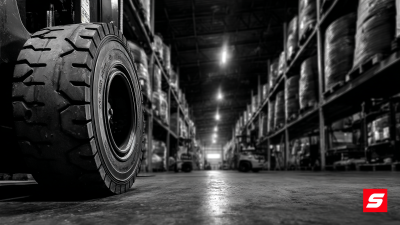
Then, there are solid tires, which are pretty much the durability champs. They need less maintenance, and they’re almost impossible to puncture—perfect for heavy-duty lifting in a scrap yard. If your environment has lots of sharp metals or other tricky debris that could poke holes in standard tires, solid tires are your friends.
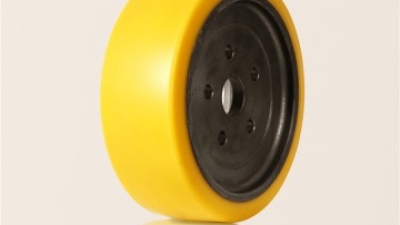
And don’t forget about poly tires. Made from polyurethane, they’re pretty tough, last a long time, and grip well on smooth surfaces. Plus, being lightweight, they can actually help your forklifts save fuel—especially useful if you’re running electric models indoors. Each tire type has its own set of advantages, and choosing the right one can seriously boost how efficiently you get things done in the yard.
5 Tips for Maintaining Your Scrap Yard Forklift Tires for Longevity
Taking good care of the tires on your scrap yard forklift really makes a big difference in how well it works and how long they last. A good starting point is to make it a habit to check the tires often for any signs of wear and tear—stuff like cracks, bulges, or tread looking a little thin. Catching these problems early on can save you a lot of headaches later and help keep your day-to-day operations running without a hitch. Oh, and don’t forget about the importance of proper inflation. If the tires are under-inflated, it can cause your fuel bills to skyrocket and even lower your forklift's lifting power. So, it's worth making sure they’re inflated to the manufacturer’s recommended pressure.
Cleaning the tires regularly is also super important—scrap yards can get pretty messy, and debris or grime can really mess with how the tires perform. A pressure washer or a good stiff brush can do wonders for removing dirt, metal shavings, or anything else that’s stuck. And, if you rotate the tires now and then, it helps them wear more evenly, which can boost their lifespan and keep your forklift operating at peak efficiency. Follow these simple tips, and your forklift tires will stay in top shape. That means smoother operation, fewer breakdowns, and a more productive scrap yard overall.
Top 4 Common Mistakes to Avoid When Buying Forklift Tires
When you're shopping for forklift tires for your scrap yard, it's super important to avoid some common mistakes that can really impact how smooth and safe things run. For starters, a lot of folks forget to really check the load capacity of the tires. Like, each tire is rated for a certain weight, and using one that can’t handle your loads can lead to quick wear and even accidents — no one wants that. So, always take a look at the manufacturer’s specs to be sure the tires match what your operation needs.
Another thing people often overlook is the type of terrain you'll be working on. Scrap yards can be pretty rough — uneven surfaces, scattered debris — you get the picture. Picking tires that aren’t built for that kind of environment might mean more punctures or tires wearing out faster. It’s worth investing in tires designed for tough conditions to keep things running smoothly. Plus, don’t forget to think about the weather! Going for all-season tires can make a big difference, giving you good grip no matter if it’s rainy, snowy, or sunny.
All in all, paying attention to these little details will help you choose the right tires. That way, you’ll stay safer, and your yard stays productive without a hitch.
6 Questions to Ask Before Purchasing Scrap Yard Forklift Tires
When you're trying to pick the right forklift tires for a scrap yard, it's super important to ask the right questions upfront. After all, with over 12 million scrap tires being produced just in Ohio each year, understanding how durable and reliable your tires are in tough conditions really matters. So, one of the first things you should ask yourself is: what kind of tire do I need? Should I go with solid tires, pneumatics, or maybe Cushion Tires? Each type has its own pros and cons—solid tires are great if you want puncture resistance, while pneumatic tires tend to do better with shock absorption and rough terrain.
It's also worth thinking about the environmental side of things. Recycling efforts for tires are gaining more traction lately—just look at programs popping up in Arkansas and Ohio. Choosing eco-friendly options can seriously impact your operations in a positive way. Don’t forget to ask the manufacturer about their commitment to quality and innovation—these factors can really make a difference when your tires are put to the test in demanding conditions.
At Yantai WonRay Rubber Tyre Co., Ltd., they put a big emphasis on product quality, so you're not just buying tires—you’re investing in solutions that fit your specific needs. Making smart, informed choices here isn’t just about boosting productivity—it also supports larger environmental goals related to tire recycling and responsible management. So, don’t just go for the cheapest option—think about how it’ll perform and what it’s doing for the planet, too.
The Ultimate Guide to Choosing Scrap Yard Forklift Tires for Maximum Efficiency
This chart illustrates the importance rating of various factors to consider when choosing Scrap Yard Forklift Tires. Durability is the most important factor, followed closely by traction and load capacity. Cost, comfort, and compatibility are also important but are rated lower in comparison.
Enhancing Hyster Forklift Performance: The Benefits of Polyurethane Wheels
Polyurethane (PU) wheels are revolutionizing the performance of Hyster forklifts, offering a host of benefits that can significantly enhance operational efficiency. These wheels are known for their durability and resistance to wear, making them an excellent choice for various industrial environments. By incorporating PU wheels into models such as MS10E, MP16/18/20/22, and S1.0E, businesses can expect improved traction and reduced noise levels during operation. This not only creates a more pleasant working atmosphere but also minimizes the risk of damage to both the forklift and the surfaces they traverse.
Additionally, Hyster's range of forklifts equipped with PU wheels, including C438, S1.6C, and SC2.0, provides exceptional maneuverability. Their non-marking properties ensure that they won’t leave scuffs or marks, which is particularly beneficial in retail and other sensitive environments. The enhanced grip and shock absorption characteristics of PU wheels contribute to safer lifting and moving operations, reducing the likelihood of accidents caused by slippage. Whether it's the S2.0S or the versatile P20S model, employing polyurethane wheels can elevate the overall performance and reliability of Hyster forklifts, making them a wise investment for any operational fleet.
FAQS
: Solid rubber tires are recommended for their resistance to punctures and wear, while pneumatic tires offer better shock absorption for uneven surfaces.
A suitable tread pattern is crucial as it enhances traction and stability, reducing the risk of slips during operation. Deep tread designs perform well in various conditions.
It’s important to choose tires rated for higher load capacities to minimize blowout risks and maximize operational efficiency based on your forklift’s specifications.
High-performance tires improve traction and stability, reduce slip and fall incidents, extend tire lifespan by up to 30%, enhance fuel efficiency, and lower operational costs.
Poor tire performance is a major contributor to forklift accidents, with approximately 70% of these incidents attributed to this issue, highlighting the importance of quality tires for safety.
Regularly inspect for wear or damage, maintain proper inflation, clean tires to remove debris, and rotate them periodically to promote even wear and prolong their lifespan.
Conclusion
In "The Ultimate Guide to Choosing Scrap Yard Forklift Tires for Maximum Efficiency," we take a closer look at what really matters when picking the right tires—things that can make a big difference in how well your forklifts perform in scrap yard settings. We go over the top five factors you should keep in mind, like tire durability, traction, and cost. Plus, you'll find out why upgrading to high-performance tires can be a game-changer, and we highlight the three best types for scrap yards, pointing out what sets each apart.
We also share some practical tips on how to maintain your forklift tires so they last longer, and warn you about common pitfalls to avoid when buying new ones. To help you make smarter choices, we include some key questions you should ask before making a purchase. This guide is designed to be helpful and straightforward, fitting perfectly with Yantai WonRay Rubber Tyre Co., Ltd.'s focus on quality and putting customers first. Our goal is to help your forklift operations run smoother with the right tires—because who doesn't want that, right?