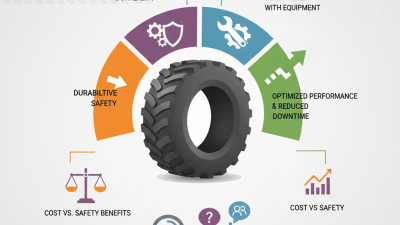
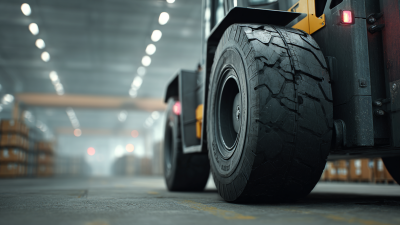
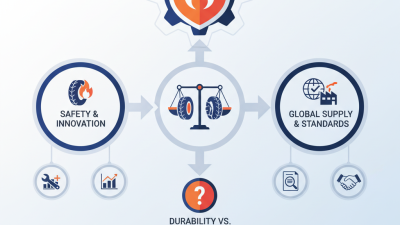
Picking the right tires for your business can actually be more complicated than you might think. For example, Non-Marking Solid Tires are a pretty essential option, especially if you're working indoors. John Smith from Industrial Tire Solutions nicely puts it, saying, "The right tire can really boost efficiency and keep things safe." That just goes to show how important it is to choose carefully.
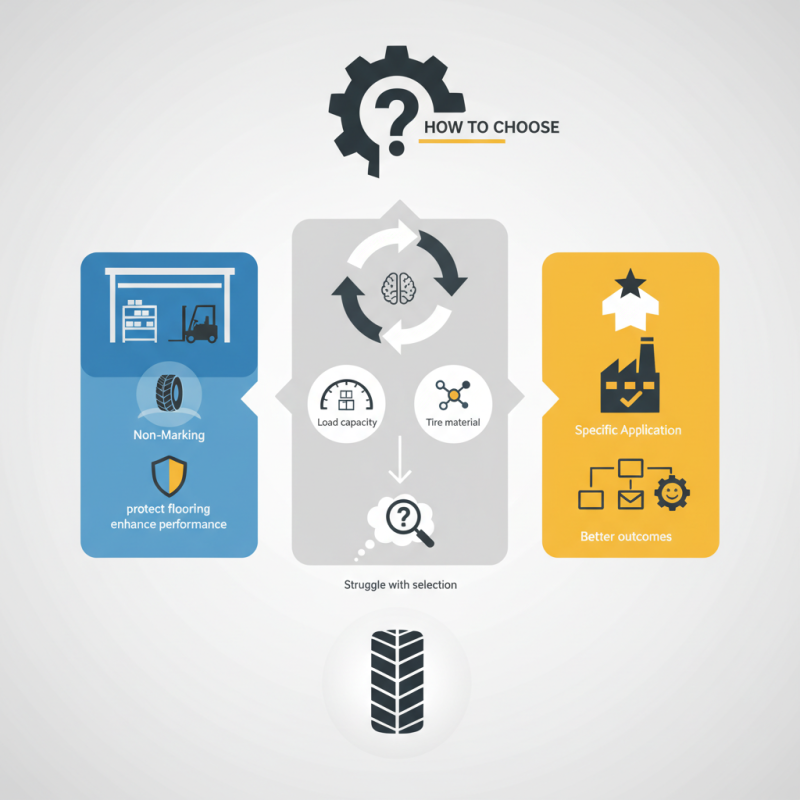
A lot of businesses tend to overlook how much tire choice can affect their day-to-day operations. Non-Marking Solid Tires do more than just protect floors—they also improve performance in warehouses and manufacturing environments. When you pick the right ones, you cut down on risks like slipping or surface damage. They’re pretty much a must-have when operating in sensitive or indoor spaces.
Of course, figuring out which tires to go with isn’t always a walk in the park. Things like load capacity and tire material can get tricky to understand. It’s really important for companies to think about what they actually need. When choosing Non-Marking Solid Tires, paying attention to the specific application is key—that little bit of detail can make a huge difference and lead to better results.
Understanding Non Marking Solid Tires and Their Benefits
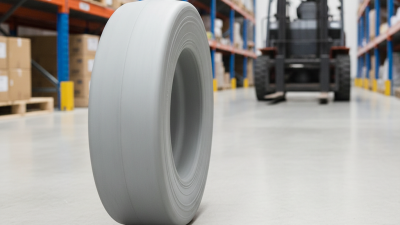
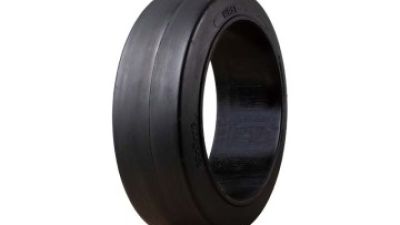
Non marking solid tires offer unique benefits, especially in environments where floor aesthetics are crucial. A 2021 study by MarketWatch highlighted that over 55% of businesses in warehousing and logistics have adopted non marking solutions to reduce visible marks. These tires are engineered to prevent scuffing and damage on sensitive flooring surfaces. Their composition provides durability while maintaining traction, which is essential in workplace safety.
Many industries, particularly airports, require specialized tires. Non-Marking Airport Tires are designed to perform under unique conditions. Airports see high foot traffic and the need for cleanliness. Utilizing non marking solid tires minimizes maintenance costs associated with cleaning floors. These tires also possess superior shock absorption, improving the lifespan of equipment.
However, selecting the right tire isn’t always straightforward. Factors such as load capacity and environmental exposure must be considered. Not every business will find non marking tires to be a perfect solution. It's essential to weigh both pros and cons before making a decision. Consultation with tire experts and analysis of specific business needs can lead to more reliable outcomes.
How to Choose Non Marking Solid Tires for Your Business Needs?
| Tire Type | Diameter (inches) | Width (inches) | Load Capacity (lbs) | Applications |
| Non-Marking Solid Rubber Tire | 18 | 7 | 3500 | Warehouses, Indoor Facilities |
| Polyurethane Solid Tire | 20 | 8 | 4500 | Food Processing, Pharmaceutical |
| Semi-Solid Tire | 24 | 9 | 5000 | Logistics, Delivery Services |
| Heavy-Duty Solid Tire | 22 | 10 | 6000 | Construction, Heavy Equipment |
Identifying Your Business Needs for Tire Selection
Choosing the right non marking solid tires starts with understanding your business needs. Every operation is unique, whether it’s a warehouse or a manufacturing facility. The International Journal of Industrial Engineering notes that tire selection can impact productivity by 15%. Identifying the surface type and environmental conditions is crucial. For instance, smooth indoor floors require different tires than rugged outdoor surfaces.
Tips: Analyze your floor type. Consider whether it’s concrete, tile, or asphalt. Each surface demands specific tread patterns for optimal performance.
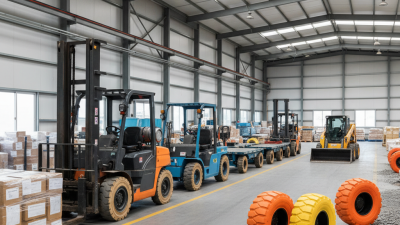
Next, examine the load capacities. Different Non Marking Forklift Tires have varied load ratings. According to industry standards, selecting a tire with the appropriate load capacity can enhance safety and efficiency. Heavy loads may require tires designed for greater durability.
Tips: Always check the load rating per tire. Aim for a margin above your typical load. This extra capacity can prevent premature tire wear and unexpected downtime.
By focusing on your specific needs, you can select non marking solid tires that improve operational efficiency while ensuring safety and reliability.
Key Features to Consider When Choosing Non Marking Tires
Choosing non-marking solid tires for your business requires careful consideration. Start by evaluating the application environment. Many industries report that non-marking tires reduce surface damage significantly, leading to lower maintenance costs. According to a report by the International Journal of Industrial Ergonomics, warehouses using these tires noted up to a 70% reduction in floor wear.
Another crucial feature is durability. Quality non-marking tires are designed to withstand heavy loads while minimizing wear. Data suggests that businesses often face a 20% increase in downtime due to tire-related issues. Selecting durable Forklift Non Marking Tires can mitigate this risk and enhance efficiency, keeping operations smoother.
Finally, consider the traction and grip of the tires. In slippery conditions, proper traction is essential. A study by the Materials Handling Industry found that improper tire selection led to a 30% increase in accidents. This highlights the need for careful tire selection, ensuring you choose a product that meets your specific operational demands.
Key Features to Consider When Choosing Non Marking Tires
Evaluating Tire Material Options and Their Impact
Choosing the right non-marking solid tires requires a careful evaluation of tire material options. Different materials can significantly impact performance, durability, and safety. For example, rubber compounds often provide better shock absorption, while thermoplastic materials may enhance resistance to abrasions. Understanding these differences can guide you toward the most suitable tire for your specific needs.
It's crucial to consider the working environment. Manufacturing facilities often require tires that not only reduce noise but also offer excellent traction on smooth surfaces. In contrast, warehouses with heavy equipment may need tires with superior load-bearing capabilities and longevity. Yet, many businesses overlook the importance of these attributes, leading to premature wear or safety hazards. Selecting the wrong tire can be costly, both in terms of repairs and potential downtime.
Regularly assessing your tire choices is also essential. Even small changes in operations can affect tire performance. Gathering feedback from operators can provide insight into real-world performance. Adjustments based on this feedback can improve efficiency and safety over time. Remember, the right tire choice is a balance of quality, material, and the specific challenges your business faces.
Assessing Load Capacity and Durability Requirements
When selecting non-marking solid tires for business needs, assessing load capacity and durability is critical. According to industry data, the average load capacity for solid tires can range from 1,500 to 4,000 pounds. This variation significantly impacts operational efficiency, especially in sectors like warehousing and manufacturing. Businesses should carefully evaluate the weight of their loads, as exceeding the tire's load capacity can lead to premature tire failure.
Durability is another key factor. Solid tires typically have a lifespan of 2,000 to 5,000 hours of operation, depending on usage conditions. High-quality solid tires often feature better resistance to abrasions and punctures. However, context matters; for instance, tires used in rough terrains may wear more quickly than those on smoother surfaces. Analyzing these factors will help businesses make informed decisions.
In addition to load capacity and durability, understanding the environment in which tires will operate is vital. Factors like temperature variations, humidity, and exposure to chemicals can affect tire performance. A report from the Tire Industry Association highlights that inadequate environmental considerations can lead to a 20% decrease in tire lifespan. Making conscious decisions about tire selection allows businesses to enhance safety and efficiency while avoiding costly replacements.
Comparing Costs and Long-Term Value of Non Marking Tires
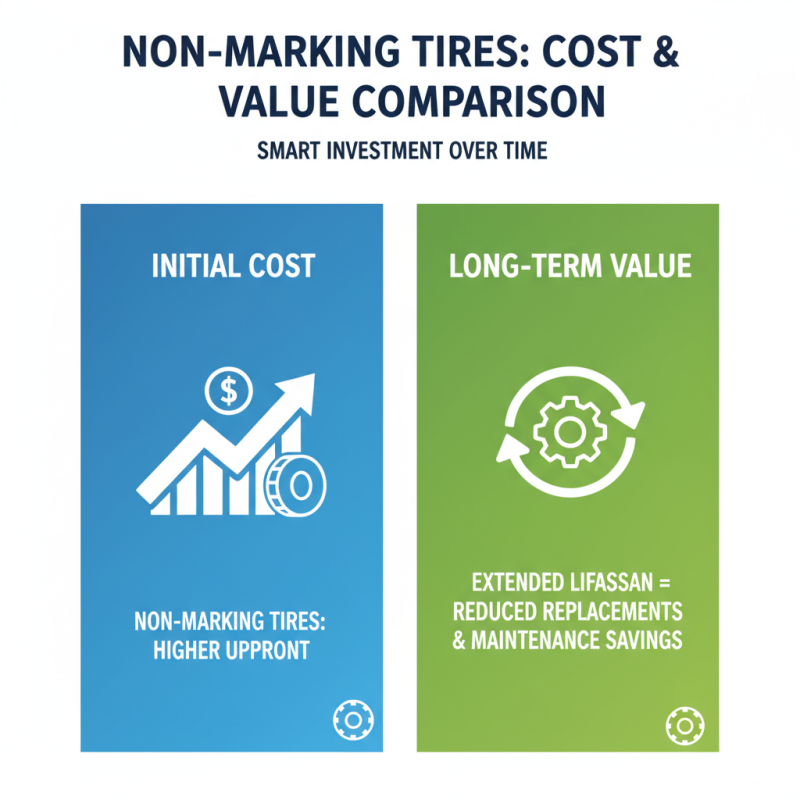
When comparing costs and long-term value of non-marking tires, several factors impact your decision. Non-marking solid tires often present an initial higher expense but can lead to savings over time. Their extended lifespan reduces the frequency of replacements. This can cut down on maintenance costs, giving you more value in the long run.
**Tips:** Consider the environment where these tires will be used. If you operate in sensitive areas like hospitals or schools, choosing Forklift Non-Marking Tires can prevent floor damage. Additionally, assess how often your operations run. Higher usage may justify the initial cost.
Another aspect to reflect on is the tire performance under different load conditions. Non-marking tires should provide reliable traction and stability, even when fully loaded. Opting for tires that meet your specific operational needs ensures optimal performance. Analyze your needs carefully to avoid overspending or choosing an inadequate product.
Recognizing Maintenance and Replacement Considerations
When considering non-marking solid tires, maintenance and replacement factors are crucial. Understanding the wear patterns can help you decide when to replace them. Non-marking tires offer environmental benefits, but they do wear down over time. Inspect the tread regularly for signs of uneven wear or damage. This can affect safety and efficiency.
Replacement can be complex. You may need to consider the tire's load capacity, size, and compatibility with your equipment. These factors play a role in your overall operational effectiveness. Additionally, look into the tire material and its resistance to cuts or abrasions. It’s important to reflect on whether your current tires are meeting the demands of your business.
Establishing a maintenance schedule is essential. Clean the tires frequently to extend their life. Dirt and debris can lead to faster degradation. Consider consulting with experts periodically to gain insights on optimal practices. Tire health may impact your bottom line, making it worth the investment in proper upkeep and timely replacements.
Benefits and Features of POB Solid Tires: A Comprehensive Guide to Press On Solid Tires
Press on solid tires, particularly those designed with advanced structural integrity and innovative bonding technologies, offer remarkable benefits that cater to various industrial needs. The integration of a robust steel ring in their construction not only enhances load-bearing capacity but also minimizes rolling resistance, making these tires an optimal choice for heavy-duty applications. Their construction is carefully engineered to prevent peeling and ensure puncture resistance, thereby extending the lifespan and reliability of the tires even in harsh environments.
Another significant feature of these solid tires is their maintenance-free performance, which allows for uninterrupted operation across various industrial vehicles, such as forklifts and milling machines. This reliability is crucial for enhancing productivity in work environments where downtime can result in significant losses. Additionally, the availability of a wide range of specifications ensures that businesses can select the appropriate tire size and design to meet specific load demands and operational challenges, making them versatile solutions in sectors requiring durability and efficiency.
FAQS
: Evaluate shock absorption and abrasion resistance. Different materials significantly impact performance and safety.
It’s crucial. Manufacturing needs quiet, smooth traction; warehouses need load-bearing capabilities.
It can lead to costly repairs and downtime. Many businesses overlook important attributes in tires.
Regular assessment is essential. Small operational changes can impact tire performance significantly.
Weight of loads is critical. Exceeding the capacity can lead to premature tire failure.
Lifespan ranges from 2,000 to 5,000 hours. Usage conditions significantly influence this.
Temperature, humidity, and chemicals matter. Poor environmental factors can reduce lifespan by 20%.
Operator feedback reveals real-world performance, helping to make better choices over time.
No. High-quality tires resist abrasions better, but usage context affects wear rates.
Balancing quality, material, and specific operational challenges can be difficult but necessary for optimal choice.
Conclusion
When selecting Non Marking Solid Tires for your business, it’s essential to understand their unique benefits, such as enhancing safety and preserving flooring surfaces. Start by identifying your specific business needs, including the environment in which the tires will be used and the types of equipment they will support. Consider key features like tread design and shock absorption, as well as evaluating different tire materials that can influence performance and longevity.
Furthermore, assess the load capacity and durability requirements based on your operational demands. Comparing costs alongside the long-term value of Non Marking Solid Tires is important for making an informed decision. Finally, don’t overlook maintenance and replacement considerations to ensure the tires continue to meet your business needs effectively. By taking a comprehensive approach to tire selection, you can optimize performance and minimize downtime.