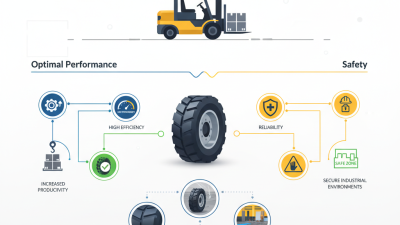
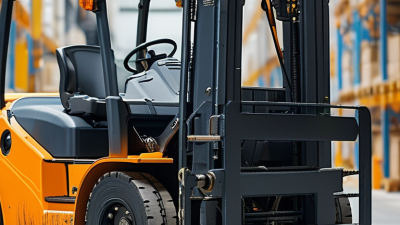
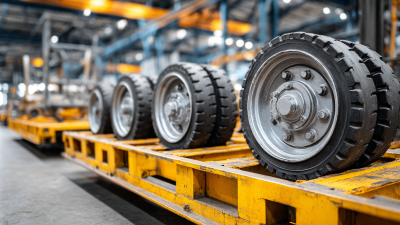
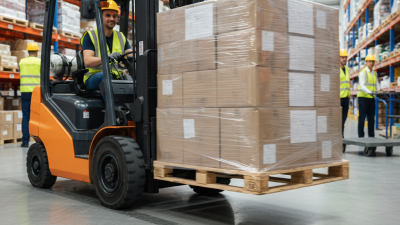
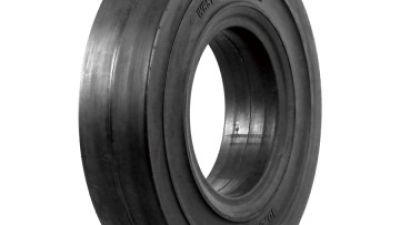
Picking the right wheels for your forklifts isn’t just a small detail—it can really make a big difference when it comes to efficiency and keeping everyone safe. You’ve probably heard of Solid Forklift Wheels, and honestly, they're often the go-to choice because they’re super durable and reliable. Funny thing is, industry reports suggest that about 30% of forklift accidents happen because of wheel failures, which just goes to show how important it is to choose quality wheels. Picking the right ones isn’t just about safety—it also keeps your operations running smoothly with less downtime.
Now, the market for forklift wheels is actually expected to keep growing—by around $3 billion come 2025, according to Allied Market Research. That’s pretty significant, and it just goes to show how much more people are realizing how solid wheels can really boost performance. Those Solid Forklift Wheels come with perks like being puncture-proof and lasting way longer, which is a total lifesaver, especially in tough environments.
But, honestly, making the right choice isn’t always a piece of cake. You’ve gotta think about stuff like how much weight it needs to carry and what kind of surface you’re working on. Sometimes, folks overlook these details, and that can lead to mismatched wheels that might cost a lot in repairs later on. It’s a good idea to chat with industry pros and really dive into the specs before making a decision. Solid forklift wheels can be a really smart investment—just make sure they’re the right fit for what you do. That way, you get the best bang for your buck and keep things running smoothly.
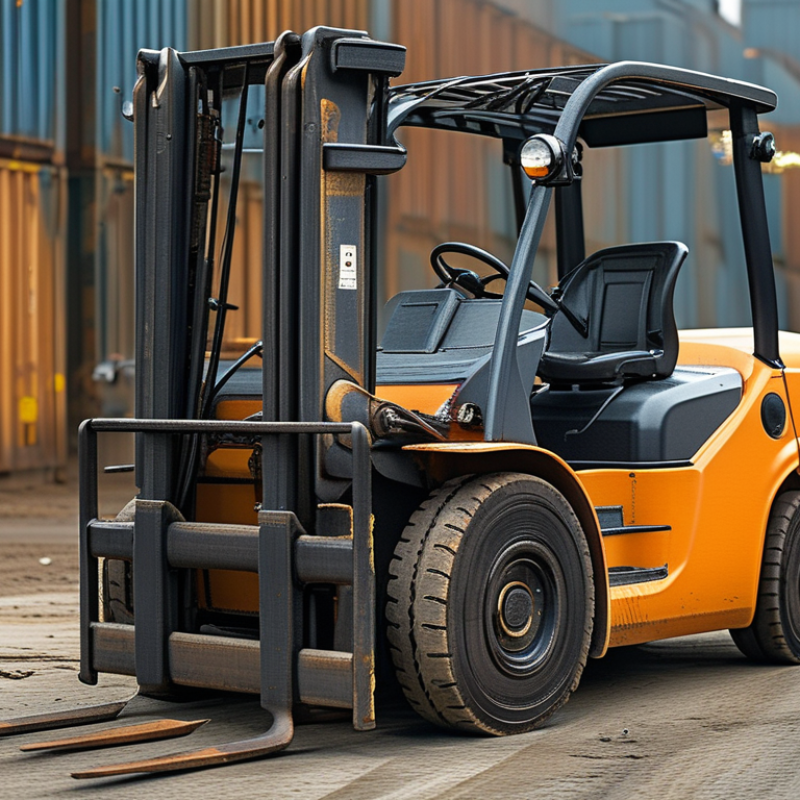
Understanding the Importance of Solid Forklift Wheels
When selecting solid forklift wheels, understanding their significance is crucial. Solid forklift wheels, particularly Forklift Rubber Wheels, provide enhanced durability and stability. Unlike pneumatic tires, they eliminate the risk of punctures. This is especially important in environments with sharp debris. Solid wheels can withstand heavy loads, ensuring safety during operations.
Choosing the right solid wheels involves examining their material and tread design. Different applications demand specific features. For instance, a warehouse may require wheels with a softer rubber compound for smoother floors. In contrast, rugged terrains may benefit from firmer wheels for better traction. Evaluating the operational environment helps in making informed decisions.
It's essential to reflect on the wheel's lifespan. While solid wheels are durable, wear may vary based on usage. Frequent inspections can prevent unexpected failures. Understanding these aspects helps ensure that you choose the right Forklift Rubber Wheels for your unique needs.
Types of Solid Forklift Wheels Available in the Market
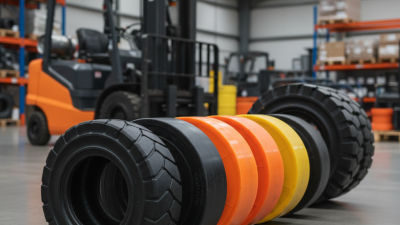
When selecting solid forklift wheels, understanding the types available is essential. Solid wheels come in various materials and designs, tailored for different operational needs. Rubber wheels offer excellent grip and damping, making them ideal for indoor use. Polyurethane wheels, on the other hand, provide durability and are suited for both indoor and outdoor environments, especially on rough terrain.
Another type is the nylon wheel, known for its resilience and low rolling resistance. These wheels can handle heavy loads and resist wear. For specific tasks, specialized wheels may be available. Each type of wheel has its advantages and limitations, affecting their performance during use. It's crucial to match the wheel type with your operational demands.
Tips: Always assess the surface conditions where the forklift will operate. Is it smooth or rough? Are there any heavy loads? Also, consider the wheel diameter for stability. A larger diameter may provide better maneuverability but can be harder on uneven surfaces. Reflect on past experiences with different wheel types to guide your choice effectively.
Factors to Consider When Choosing Solid Forklift Wheels
When selecting solid forklift wheels, several factors deserve your attention. The type of material is crucial. Most solid wheels are made from polyurethane or rubber, each offering distinct benefits. Polyurethane wheels, for instance, are ideal for indoor surfaces as they provide a non-marking solution. In contrast, rubber wheels offer excellent shock absorption, making them suitable for rough outdoor environments.
Load capacity is another important consideration. Heavy-duty applications require wheels that can support significant weight without compromising performance. According to a recent industry report, over 70% of forklift-related injuries occur due to improper wheel selection leading to uneven weight distribution. Ensure your wheels match the load requirements to enhance safety and efficiency.
Tip: Always check the wheel diameter. A larger diameter can improve performance on uneven surfaces. Another tip is to consider the floor type. For sensitive flooring, choose Electric Forklift Non-Marking Wheels to prevent damage. Remember that selecting the right wheels can enhance both stability and longevity while reducing maintenance costs. Always reflect on your operational needs to make the best choice.
Evaluating Load Capacity and Durability of Forklift Wheels
When selecting solid forklift wheels, load capacity is paramount. Different applications require specific capacities. For instance, heavy-duty environments need wheels that can support higher weights. A wheel that works well for light loads may fail under heavy use. Always check the manufacturer’s specifications. This assists in preventing equipment failures that could lead to costly downtime.
Durability is equally crucial. Forklift wheels endure significant stress and abrasion. Materials determine how well a wheel performs under pressure. Rubber wheels offer a quieter ride but might wear faster than polyurethane options. Consider the surface conditions of your environment. Rough or uneven terrain accelerates wear. Evaluate how the wheels interact with the forklift under constant use.
It's important to ask questions and gather data. Speaking to experts can provide insights. Understand the trade-offs between price and quality. Cheaper options might not deliver the performance you need. In contrast, investing in durable wheels can enhance productivity. Be wary of making decisions without complete information. Research thoroughly to make an informed choice.
Surface Compatibility: Matching Wheels to Your Work Environment
Choosing the right wheels for your forklift is crucial. Surface compatibility plays a significant role in this decision. For instance, different surfaces can impact wheel performance and longevity. According to the Forklift Truck Association, improper wheel selection leads to a 20% increase in maintenance costs. This statistic highlights the necessity of understanding your work environment before making a purchase.
Heavy-Duty Warehouse Forklift Wheels are designed for tough surfaces like concrete and asphalt. These wheels offer high durability, ensuring maximum stability under heavy loads. However, using these wheels on uneven or softer surfaces can result in quicker wear. Many operators overlook this aspect, leading to reduced efficiency and safety risks.
Selecting the appropriate wheel also involves considering load-bearing capacity. A mismatched wheel can lead to significant safety hazards and increased downtime. In a survey by Material Handling Industry, 30% of facilities reported accidents due to improper equipment choices. Take time to evaluate your specific conditions. Reflect on your current setup and whether your wheels are truly up to the task.
Maintenance Tips for Solid Forklift Wheels
Maintaining solid forklift wheels is crucial for safe and efficient operations. Regular inspection is key. Look for any signs of wear and tear. Check the tread for flat spots or cracking. If you notice any irregularities, it may be time for replacements.
Proper cleaning is essential as well. Dust and debris can accumulate, affecting performance. Utilize a pressure washer or a scrub brush to keep the wheels spotless. Make sure to dry them thoroughly after washing. This prevents rust and corrosion, which can lead to more significant issues.
Don't forget lubrication. While Solid Tire Wheels require less maintenance compared to pneumatic tires, some parts still need grease. Pay close attention to the wheel bearings. Neglecting this can lead to poor wheel performance. Always follow the manufacturer’s guidelines for maintenance schedules. Regular attention will enhance durability and overall safety.
Cost Analysis: Budgeting for the Right Forklift Wheels
When considering forklift wheels, cost is a critical factor. Solid wheels come in various prices, influenced by materials and specifications. Often, cheaper wheels appear tempting. However, they might not withstand intense usage. Investing in higher-quality wheels can reduce long-term costs by minimizing replacements and downtime. Neglecting the balance between upfront cost and durability could lead to unexpected expenses.
Budgeting for the right solid forklift wheels requires thoughtful planning. Assess your workload and environment. Different materials offer varied performance traits. Rubber wheels, for example, provide excellent shock absorption but may wear out faster in harsh conditions. A mistake here can be costly. Analyzing your daily operations can help avoid overspending on unnecessary features.
Reflecting on past purchases is crucial. Have you chosen wheels based solely on price? Such decisions can result in increased wear and cost over time. Regular assessments of wheel performance aid in understanding your needs better. Investing time in this process pays off, ensuring a more informed choice in the future.
Optimal Solid Tires for Blending Machines: Enhancing Performance and Durability
In the demanding environment of steel plants, the performance and durability of blending machines are paramount. The implementation of optimal solid tires on these machines serves to enhance their operational efficiency significantly. One of the most critical advantages of solid tires is their remarkable high-temperature resistance. In proximity to furnaces and other heat-generating machinery, solid tires maintain their integrity, resisting softening or deformation even in extreme heat. This stability is essential for ensuring that blending machines function reliably under challenging conditions.
Moreover, solid tires contribute to the overall lifespan and performance of blending machines. Unlike pneumatic tires, which are susceptible to punctures and wear, solid tires provide a consistent contact surface that enhances traction and minimizes maintenance needs. This durability not only reduces the frequency of tire replacements but also ensures that blending operations are executed with maximal precision. As steel production demands increase, adopting solid tires becomes a strategic choice for facilities looking to optimize their blending processes and safeguard their machinery against the rigors of high-temperature industrial environments.
FAQS
: Regular inspections are crucial. Check for wear, flat spots, or cracking often to ensure safety.
Utilize a pressure washer or scrub brush. Clean wheels prevent dust and debris that affect performance.
Lubrication is essential for wheel bearings. Neglecting it can lead to poor performance and safety issues.
Assess your workload and environment. This helps avoid overspending on features you may not need.
Cheaper wheels seem tempting, but they might wear out quickly. Higher quality can reduce long-term costs.
Different materials offer different performance. Rubber wheels absorb shocks but may wear faster in harsh conditions.
Reflecting on past choices helps in understanding performance needs better. It encourages informed decisions.
Yes, neglecting maintenance can lead to increased wear and unexpected costs over time. Regular attention is key.
Look for noticeable wear, irregular tread, or cracking. These indicate it's time for a replacement.
Conclusion
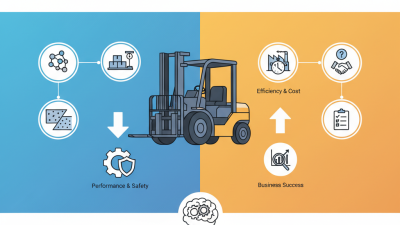
When selecting the best solid forklift wheels for your operational needs, it is essential to first understand their significance in enhancing productivity and safety in material handling. Solid forklift wheels come in various types, each suited to different environments and load-bearing requirements. Key factors to consider include load capacity, durability, surface compatibility, and maintenance needs. Evaluating these aspects will help ensure that the wheels provide optimal performance and longevity in your specific work environment.
Additionally, conducting a cost analysis allows you to budget effectively for the right solid forklift wheels, ensuring you invest in quality without overspending. Proper maintenance tips are also crucial in prolonging the lifespan of your wheels, helping to avoid unexpected breakdowns and inefficiencies. By taking a comprehensive approach to choosing solid forklift wheels, businesses can enhance their operational efficiency and safety standards.