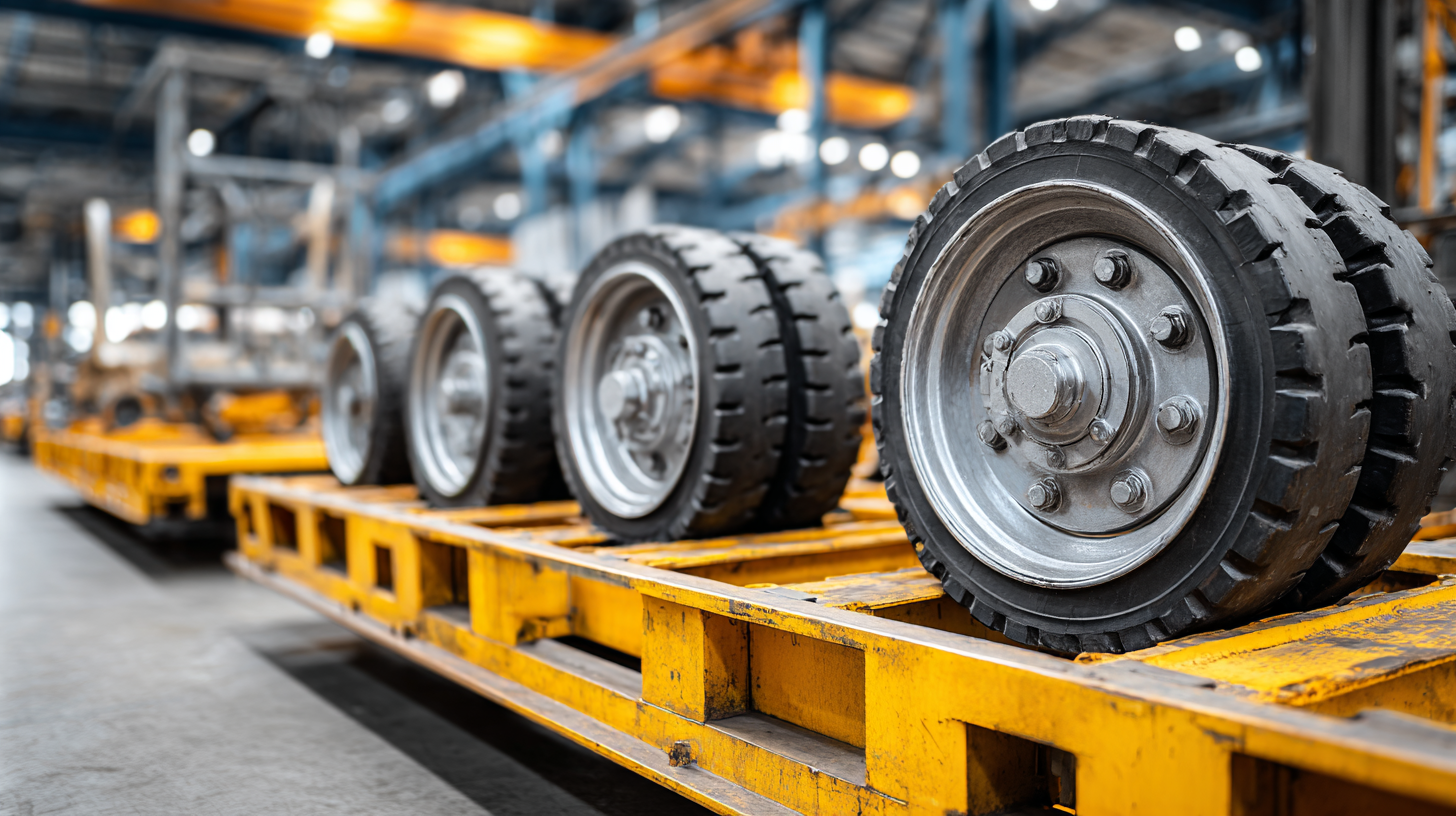
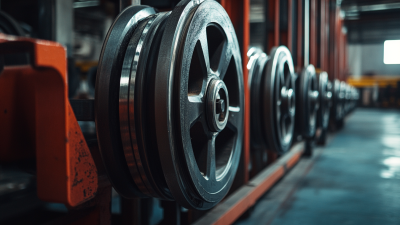
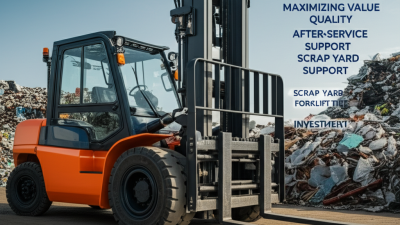
In today’s fast-changing world of industrial work, choosing the right equipment is more important than ever. When it comes to material handling, Solid Forklift Wheels really make a difference—helping to boost performance, safety, and overall efficiency. Have you seen the latest market forecasts from ResearchAndMarkets? They’re predicting the global forklift market will hit around $70 billion by 2026. And interestingly, solid wheels are becoming super popular because they’re tough and low-maintenance. Yantai WonRay Rubber Tyre Co., Ltd. lives by their motto— 'quality first, customer first, innovation first'—and they make sure their solid forklift wheels meet top-notch industry standards. They’re really focused on understanding what customers need, which makes choosing the right forklift wheels a key step in making sure your operations run smoothly and productively across different industrial environments.
Factors to Consider When Selecting Solid Forklift Wheels
When you're choosing solid forklift wheels for your industrial stuff, there’s a few important things you probably wanna keep in mind. First off, think about the kind of surface your forklift will be rolling over. Solid wheels work great on rough or uneven ground, but if you're dealing with smoother floors, softer materials might give you better grip and traction. Also, take a moment to figure out how much weight you’ll be hauling around. Pick wheels that can handle those loads safely without sacrificing performance or durability.
Another thing to consider is the wheel material. There are options like polyurethane, rubber, or other compounds, each offering different levels of toughness, grip, and resistance to wear and tear. For example, polyurethane wheels are known to last a long time and absorb shocks really well — perfect if you’re doing heavy-duty work. Just make sure the material matches your operating conditions—that way, your wheels last longer and work more efficiently.
Quick tip: Before you buy, it’s usually a good idea to check out the diameter and width of the wheels. Bigger wheels can handle obstacles more smoothly, while wider ones give you better stability during operation. Combining these can make maneuvering easier and help prevent extra wear on your forklift parts. And one more thing: always check what the forklift manufacturer recommends for wheel specs. Sticking to their advice helps keep everything running smoothly and safely.
Types of Solid Forklift Wheels: Which One Suits Your Industry?
When you're trying to pick out solid forklift wheels for your industrial setup, it’s super important to get a good handle on the different types out there. These wheels are built to handle all sorts of tough situations—whether it’s rough ground or heavy, constant use. Nowadays, the market’s got a ton of options tailored to specific needs. For instance, Heavy-Duty Solid Tires are perfect if you're working on construction sites where durability really matters. On the other hand, lighter wheels tend to be better for indoor warehouses where you wanna keep those floors spotless and damage-free.
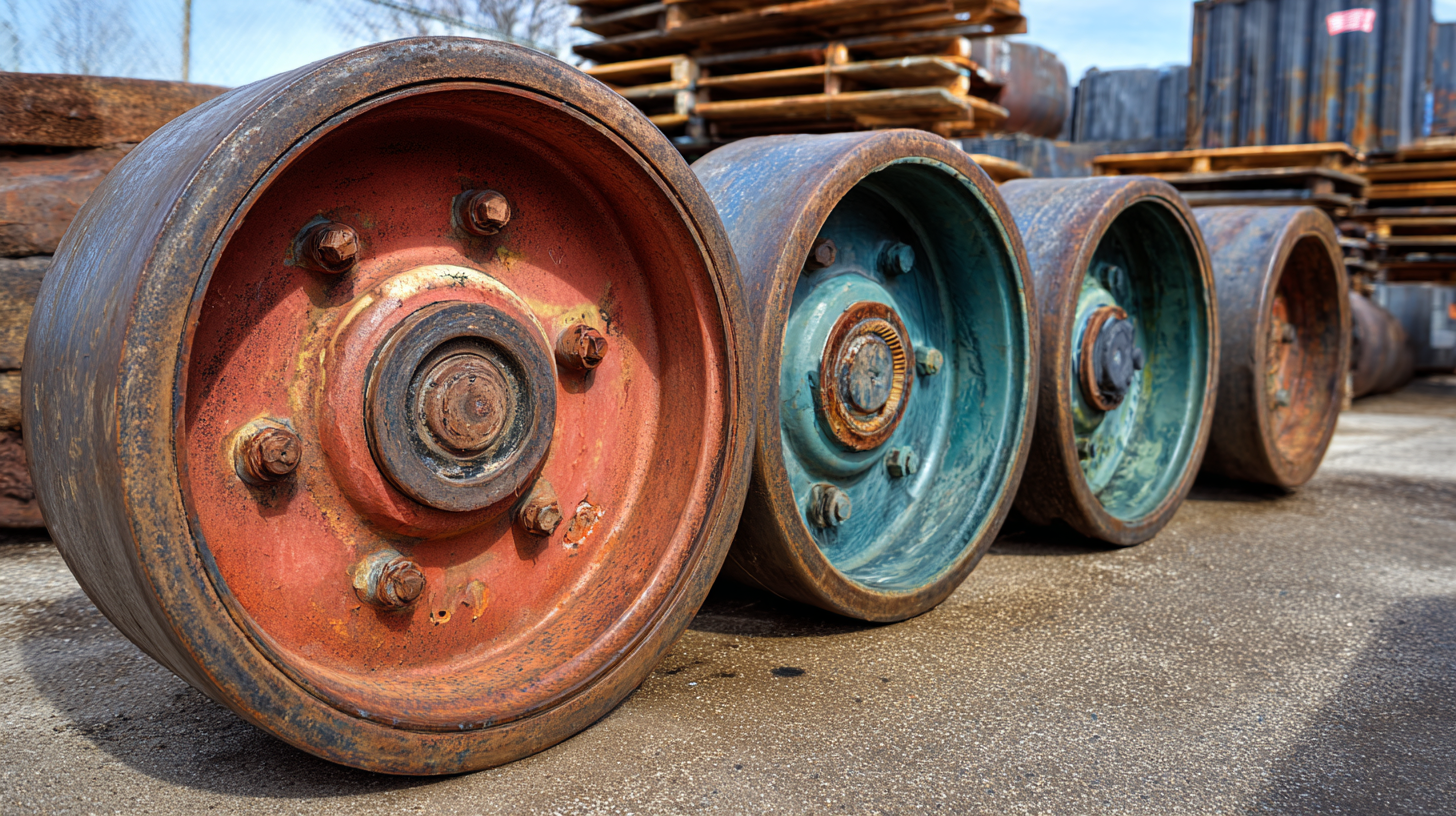
Plus, the tech behind these tires keeps evolving. Manufacturers are really paying attention to eco-friendly materials and designs that don’t just perform well but are better for the environment too. Some of the newer solid tires even use recycled materials, which is pretty cool—you're helping sustainability efforts while still getting solid performance. And, features like anti-static properties are becoming more popular, especially in workplaces where safety around sensitive equipment is a concern. As your operational needs change, finding the right forklift wheels isn’t just about getting the job done; it’s about doing it safely and efficiently without breaking the bank.
Understanding Load Capacity and Weight Distribution for Forklift Wheels
When you're choosing solid forklift wheels for industrial use, it’s really important to get a good handle on the load capacity and how the weight is spread out. Honestly, each forklift comes with a specified maximum weight it can safely lift and move around. Picking the right wheels depends a lot on that number — you wanna make sure they can handle the load without breaking a sweat, which keeps everything safe and running smoothly. Don’t forget to check out what the manufacturer recommends and stick to those guidelines — ignoring them can lead to accidents or wheel failures caused by overloading, and nobody wants that.
On top of that, how the weight is distributed matters just as much. If the load is uneven, it can make the forklift wobble or even tip over — trust me, stability is everything. You gotta think about things like the forklift’s design, the shape of the load, and what kind of surface you’re driving on. If the weight isn’t balanced properly, the wheels wear out faster and might not work as well in the long run. So, making sure your wheels are suited for both the weight and how it’s spread out really boosts how well your forklift performs. It’s all about making sure things stay reliable, even when the job gets tough in those busy industrial settings.
Durability and Material: Choosing the Right Composition for Wheels
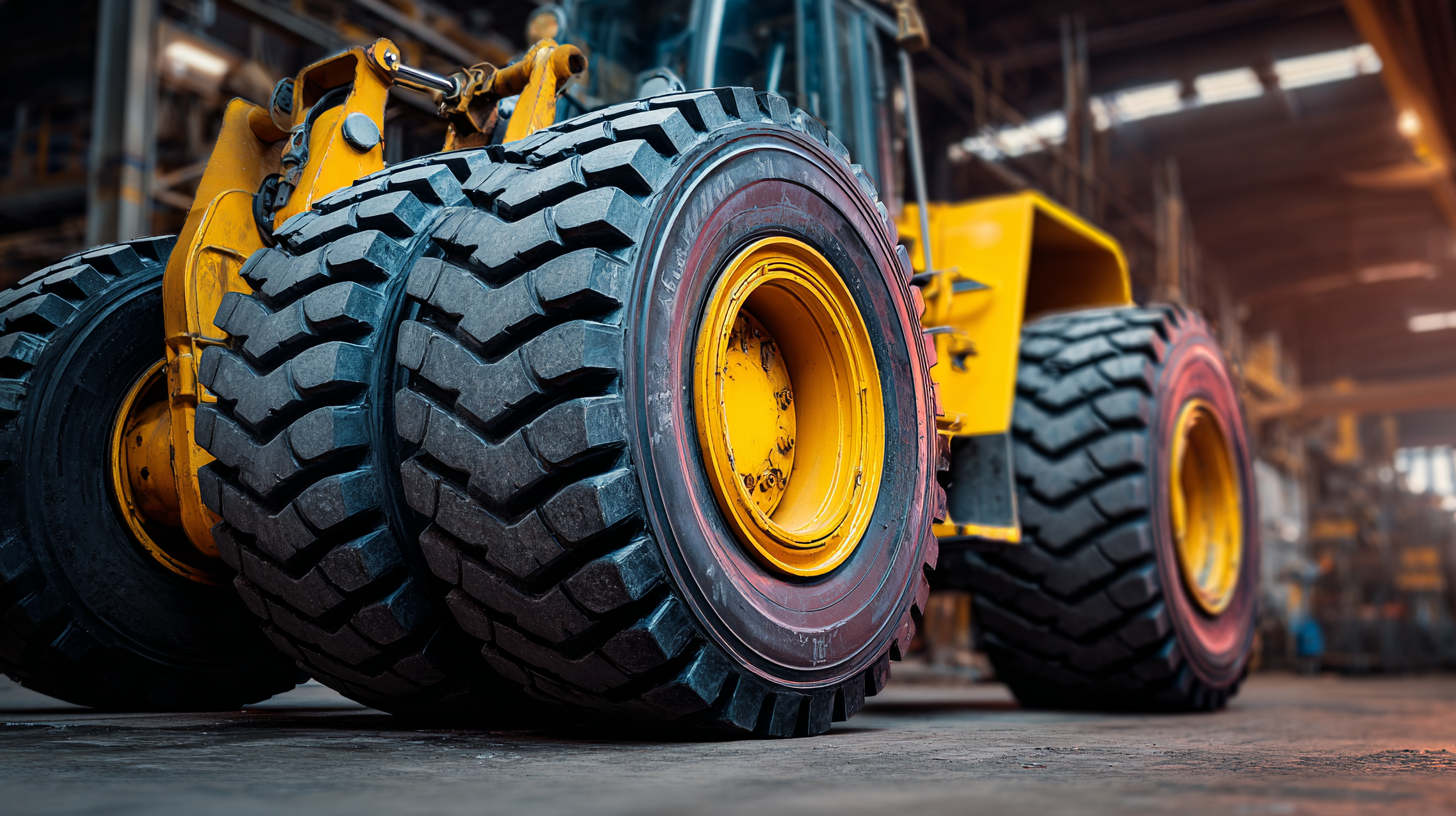
When you're choosing solid forklift wheels for your industrial work, it's really important to get a good handle on their durability and what they're actually made of. The kind of wheels you pick can make a big difference in how smoothly things run. For instance, recent studies show that wheels made from high-quality polyurethane tend to last longer and roll more easily — they resist wear better than your standard rubber wheels. A report from the National Forklift Safety Program even mentions that choosing the right wheel can boost your forklift’s lifespan by up to 30%, which means fewer repairs and less money spent on maintenance in the long run.
When you're weighing your options, think about the specific conditions your forklift will be working in. If you're dealing with rough floors or heavy loads, reinforced nylon wheels might be your best bet—they’re tough and can handle impacts without losing shape. But if you mainly operate indoors on smooth surfaces, softer materials like polyurethane can give you better grip and absorb shocks more effectively.
**Here are some tips:**
1. Take a close look at the surfaces you’ll be working on and the loads you'll handle—this will help you figure out what type of wheel is best.
2. Always check the manufacturer's recommendations—they should tell you if the wheels are designed for your forklift's size and weight.
3. Make it a habit to monitor how your wheels are wearing and performing. Catching issues early can save you from costly breakdowns or safety problems, making sure everything stays running smoothly.
Durability of Different Forklift Wheel Materials
Maintenance Tips for Prolonging the Life of Solid Forklift Wheels
When it comes to keeping forklift wheels in good shape, operators really should pay attention to routine care—that’s the best way to make them last longer. Doing regular checks is a must; look out for cracks, signs of wear, or any kind of damage. Catching problems early can save a lot of headaches later on. Also, making sure the wheels stay clean from dirt, grease, or debris isn’t just about performance—it actually helps prevent unnecessary wear and tear. Plus, a cleaner workspace is gaining popularity among forklift operators, and honestly, it just makes everything run smoother.
On top of that, getting the tire pressure right and managing the loads properly are super important. While solid forklift wheels are built to handle heavy loads, overloading them can cause them to wear out faster. More and more operators are also interested in tires that kick up less dust and dirt—keeping things tidy is a big deal these days. And interestingly, new materials like recovered carbon black are being used in tire making, which not only boosts durability but also supports sustainability efforts. When you combine regular maintenance with these latest tech advances in wheel design, everything just tends to work more efficiently and last longer — especially in busy industrial settings.
Comparing Cost vs. Performance: Finding Value in Forklift Wheel Options
When you're picking out the best solid forklift wheels for your industrial setup, it’s really important to think about balancing what you spend with how well they perform. Sure, wheels that deliver top-notch performance tend to cost a bit more upfront, but in the long run, they can actually save you a ton of money. That’s because they tend to last longer and work more efficiently, meaning fewer replacements and less maintenance headaches — investing in quality wheels really pays off over time. On the flip side, cheaper options might look tempting at first, but they often lead to more downtime and operational hiccups, which can end up costing you more in the end.
Thanks to recent tech updates, forklift manufacturers are now focusing more on different performance aspects—things like how much weight they can handle and how much energy they consume. For example, some of the latest wheel designs are made to make maneuvering easier and to minimize damage to the floors, which is pretty great for reducing environmental impact. Improving performance here doesn’t just save money—it also helps cut down on emissions, aligning nicely with today’s sustainability goals. So, when you're considering different forklift wheels, don’t just look at the price tags. Think about how the advanced features and performance perks could actually give you way more value in the long run.
How to Choose the Best Solid Forklift Wheels for Your Industrial Needs
| Wheel Type | Cost (per wheel) | Load Capacity (lbs) | Durability Rating (hours) | Performance Rating (1-10) |
| Polyurethane | $50 | 4500 | 5000 | 8 |
| Rubber | $45 | 4000 | 3000 | 7 |
| Nylon | $65 | 5000 | 7000 | 9 |
| Steel | $70 | 6000 | 8000 | 8 |
| Foam Filled | $60 | 5000 | 6000 | 8 |
Enhance Material Handling Efficiency with Polyurethane Wheels for Forklifts
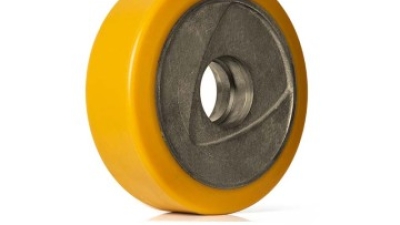
When it comes to enhancing material handling efficiency, the role of wheels in forklift design cannot be overlooked. Polyurethane (PU) wheels stand out as a superior choice for various forklift models, offering distinct advantages that directly impact performance, durability, and operational efficiency. By integrating PU wheels, businesses can significantly enhance their material handling processes, ensuring smoother operations in warehouses and distribution centers.
STILL forklifts, such as the FM-X12, FM-X14, EXV series, and EGV series, are equipped with these advanced polyurethane wheels, which provide excellent resilience and reduced rolling resistance. This enables operators to maneuver more effectively while decreasing wear on both the wheels and the surfaces they traverse. Additionally, PU wheels are designed to handle heavy loads, making them ideal for the varying demands of material handling tasks. From EXU-S models to the FM-XP, the extensive lineup of STILL forklifts equipped with PU wheels is tailored to meet diverse industrial needs, ensuring efficiency and reliability in every application.
Investing in forklifts with polyurethane wheels translates into enhanced productivity and reduced maintenance costs, as these wheels are known for their longevity. Users can expect less frequent replacements compared to traditional rubber wheels, leading to a more sustainable operation. With models like EXH-SF and ECH series also featuring PU wheels, operators can rest assured that they are utilizing equipment optimized for peak performance. By prioritizing the integration of PU wheels, companies can transform their material handling strategies, driving efficiency and superior results in their logistics operations.
FAQS
: Key factors include the type of surface the forklift will operate on, the load capacity required, the wheel material, and the wheel diameter and width.
Solid wheels are ideal for uneven or rough terrain, while smoother surfaces may benefit from softer materials that provide better traction.
Common materials include polyurethane, rubber, and various compounds, each offering different levels of durability, traction, and resistance to wear.
Polyurethane wheels are renowned for their longevity and shock absorption capabilities, making them suitable for applications requiring durability.
Larger diameter wheels can navigate obstacles more smoothly, while wider wheels enhance stability and maneuverability during operation.
There is a growing focus on eco-friendly materials, anti-static technology, and designs aimed at enhancing performance and sustainability.
High-performance wheels may have a higher initial cost but can lead to long-term savings through improved durability and reduced maintenance costs.
New designs enhance maneuverability, reduce wear on surfaces, and contribute to a greener operational footprint, aligning with sustainability goals.
Choosing the right solid forklift wheel enhances safety by ensuring compatibility with operating conditions and reducing risks associated with equipment failure.
Consulting the manufacturer ensures that the chosen wheels meet the specifications for compatibility and optimal performance, promoting safety and efficiency.
Conclusion
In today’s busy industrial world, picking the right solid forklift wheels isn’t just a minor detail — it’s actually pretty important for keeping things running smoothly and safely. When you’re shopping around for wheels, you’ll want to think about things like how much weight they can handle, how tough they are, what materials they’re made of, and how much upkeep they’ll need. Getting a good handle on the different types of wheels and figuring out which ones match your industry’s specific needs can really help you make smarter choices.
Here at Yantai WonRay Rubber Tyre Co., Ltd., we really care about quality and making sure our customers are happy with what they get. We’re always pushing for innovation and keeping high standards, so you can count on us to deliver solid forklift wheels that not only meet your expectations but often go beyond. When you weigh the cost against how well they perform, you’ll find solutions that give you great value, help your forklift work better longer, and keep your equipment in good shape for the long haul.