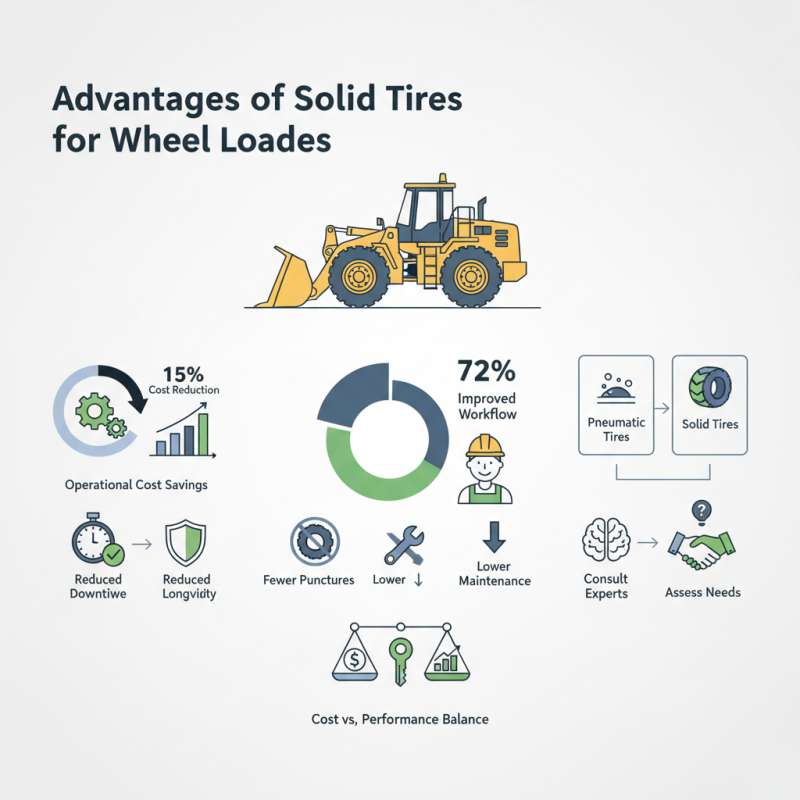
If you're looking to get the most out of your job site, you can't go wrong with solid tires for wheel loaders. They're a total game-changer when it comes to boosting efficiency and keeping things running smoothly. According to the latest report from the Construction Industry Institute (CII), using the wrong tires can bump up your operational costs by about 15% — and that’s not even mentioning the drop in productivity. The tough nature of solid tires means they last longer and help cut down on downtime — huge plus when you're racing against deadlines.
In a survey by the Tire Industry Association (TIA), more than 70% of construction pros said that switching to solid tires really helped streamline their workflows. They’re great at preventing punctures and don’t need replacing as often, which saves you money on maintenance. That said, picking the right tires isn’t always straightforward. Some folks have mentioned that the ride isn’t quite as comfy as pneumatic tires at first, which can be a little jarring.
Of course, while solid tires offer a lot of upsides, how they perform can depend a lot on your specific working conditions and terrain. It’s really worth taking the time to evaluate what your operation actually needs. Talking to tire specialists can make all the difference—they can help you figure out the best options for your particular projects. Ultimately, balancing costs and performance is key if you want to make smart choices that could seriously boost your efficiency and productivity.
Benefits of Solid Tires for Wheel Loaders in Various Environments
Solid tires are becoming a popular choice for wheel loaders in diverse environments. These tires are engineered to withstand rough conditions, reducing downtime significantly. According to industry research, solid tires can last up to three times longer than traditional air-filled options. This durability is crucial for work sites where punctures and blowouts can lead to costly delays.
In environments like construction or recycling, solid tires shine. They provide excellent traction on uneven surfaces, enhancing stability. A report from a leading tire association highlighted that machines with Resilient Wheel Loader Tires experienced 20% fewer slip incidents. This translates to improved safety for operators and workers alike. Many operators also appreciate the lower maintenance costs associated with solid tires, as they do not require air pressure checks.
However, choosing solid tires isn’t without its challenges. They can be heavier, which may impact fuel efficiency. Operators must assess their workload to determine if the benefits outweigh the potential drawbacks. Organic materials and flexible compounds are being researched to create lighter options while still ensuring durability. Overall, solid tires represent a commitment to operational efficiency and safety in varied conditions.
Comparison of Solid Tires vs. Pneumatic Tires for Wheel Loaders
When choosing tires for wheel loaders, the decision between solid tires and pneumatic tires is crucial. Solid tires offer significant advantages in harsh working environments. They are puncture-resistant and durable, making them ideal for construction sites, where sharp objects are common. This durability translates into lower maintenance costs. In contrast, pneumatic tires can be susceptible to flats, requiring more frequent replacements and repairs.
However, pneumatic tires do have their benefits. They provide better shock absorption, which can enhance comfort for operators. In softer ground conditions, pneumatic tires may offer better traction. But this comes with a trade-off. Operators may face unexpected downtime due to tire issues. Solid tires perform consistently, regardless of terrain or load.
Choosing the right tire involves assessing specific application needs. Solid tires may seem ideal for most applications, but they can be heavier. This added weight may affect fuel efficiency. Furthermore, they can produce more vibrations, which might impact operator comfort over long hours. Weighing these factors carefully is essential for optimal performance.
Factors Influencing the Choice of Solid Tires for Optimal Performance
Choosing solid tires for wheel loaders can significantly enhance performance. Solid tires are known for their durability and resistance to punctures. In busy environments like construction sites, they offer reliability. According to a report by the Tire Industry Association, solid tires can last up to 50% longer than traditional pneumatic tires under similar conditions.
Several factors influence the choice of solid tires. Load capacity is crucial. A wheel loader may frequently carry heavy loads, and solid tires can handle this weight better. The surface conditions also matter. In rough terrains, solid tires provide better traction and stability. In a scrap yard setting, such as when using Scrap Yard Wheel Loader Tires, these factors become even more vital. Tires that can withstand abrasions and impacts ensure consistent operation without unexpected downtime.
Another aspect to consider is cost-effectiveness. Initially, solid tires may have a higher price tag. However, considering their longevity and reduced maintenance needs, they often prove to be more economical in the long run. Some operators may overlook this, focusing solely on upfront costs. Additionally, driver comfort and machine handling can be affected. While solid tires have advantages, there can be trade-offs in ride softness. Evaluating these factors thoroughly can lead to a more informed decision for optimal performance.
Why Choose Wheel Loader Solid Tires for Optimal Performance? - Factors Influencing the Choice of Solid Tires for Optimal Performance
| Factor | Description | Benefits |
| Durability | Solid tires are designed to withstand rough terrains and heavy loads. | Reduced maintenance costs and longer service life. |
| Puncture Resistance | No air-filled chambers mean they won't go flat. | Increased uptime and productivity. |
| Load Capacity | Solid tires support heavy lifting without deformation. | Improved performance in demanding jobs. |
| Stability | Wider footprint provides better balance and control. | Enhanced safety and operational efficiency. |
| Low Rolling Resistance | Designed to minimize friction on surfaces. | Fuel savings and reduced tire wear. |
Durability and Longevity of Solid Tires in Heavy-Duty Applications
Solid tires are becoming increasingly popular in heavy-duty applications. Their durability and longevity are key advantages. In environments that wear down conventional tires quickly, solid tires can withstand harsh conditions. They resist punctures, cuts, and abrasions much better than traditional inflatable tires. This characteristic leads to less downtime for equipment.
In tough terrains, solid tires perform consistently. They maintain traction and stability on uneven surfaces. Their robust design means they can endure heavy loads without compromising performance. However, it’s important to consider that solid tires may be heavier than regular tires. This can affect fuel efficiency. Operators should evaluate the trade-offs based on specific needs.
Maintenance is another area to reflect on. While solid tires require less frequent replacements, they still need inspections. Regular checks can help ensure they remain effective. Operators should be aware of wear patterns and changes in handling. Long-term use can reveal insights that improve overall operational efficiency. Balancing durability with careful maintenance is essential for optimal performance.
Cost-Effectiveness of Solid Tires Over Time for Wheel Loaders
Solid tires for wheel loaders have gained attention for their long-term cost-effectiveness. According to industry reports, solid tires can reduce maintenance costs by up to 30%. Their construction prevents punctures and sidewall damage. This translates to more uptime and less downtime for repairs.
Additionally, operators report fewer tire changes with solid options. In harsh working conditions, traditional tires often need replacing or repair. A study indicated that solid tires could last two to three times longer. This increased lifespan helps justify the initial investment.
While solid tires may have a higher upfront cost, the overall savings present a compelling case. Companies often underestimate maintenance expenses. Many owners have noticed a marked decrease in operational interference. Investing in solid tires reflects an understanding of long-term savings, aligning with industry trends. However, some operations may hesitate. They should weigh the discrepancies between initial costs and future gains in efficiency.
Maintenance Considerations for Wheel Loader Solid Tires
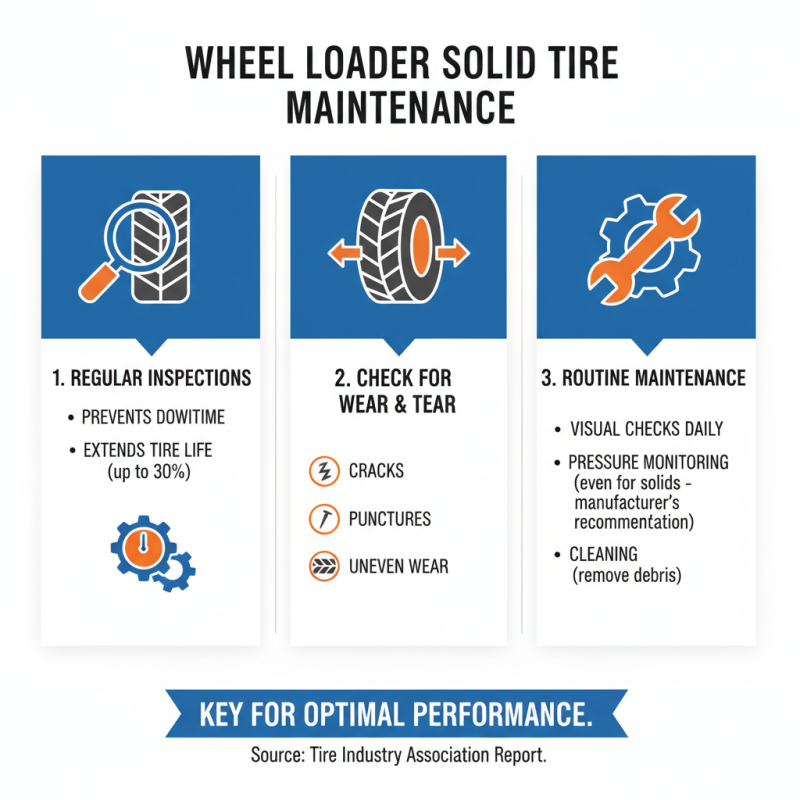
When it comes to Wheel Loader Solid Tires, maintenance is key for optimal performance. Regular inspections can prevent costly downtime. According to a report by the Tire Industry Association, properly maintained tires can extend their lifespan by up to 30%. Checking for wear and tear should be routine. Look for cracks, punctures, and uneven wear patterns.
Proper inflation is another critical maintenance aspect. Tires need to have the right air pressure, as under-inflation can cause excessive flexing. This can lead to faster deterioration. Conversely, over-inflation can create an uncomfortable ride, impacting handling. A balanced approach to tire pressure can optimize fuel efficiency and performance.
Tips: Schedule regular maintenance checks for your wheel loader solid tires. Keep a log of inspections and pressures. This will help you track performance trends. Be proactive about replacing Non-Marking Wheel Loader Tires when necessary. Delaying could lead to performance drops. It’s worth investing time in maintenance for long-term gains.
Performance Metrics: Enhancing Efficiency with Solid Tires on Wheel Loaders
Wheel loaders are essential in many industries, especially construction and mining. Choosing the right tires can significantly impact performance. Solid tires, such as Puncture-Proof Wheel Loader Tires, are becoming increasingly popular due to their durability. They eliminate the risk of punctures, allowing for consistent operation without downtime.
Performance metrics are critical when evaluating tire options. Solid tires provide enhanced grip and stability on various surfaces. This ensures efficient load handling, even in challenging conditions. The predictable behavior of these tires contributes to better maneuverability. Operators find they require less effort, which can lead to reduced fatigue and higher productivity.
However, solid tires can be rigid and less forgiving on uneven terrain. This can affect ride comfort. Some users may not fully appreciate the trade-off between durability and comfort. It's essential to consider these factors when assessing the overall performance of wheel loaders in different environments. Understanding these nuances can help make informed decisions for optimal operational efficiency.
Enhancing Efficiency and Safety: The Impact of Solid Tires on Aerial Work Vehicles in the Global Market (2023)
In the ever-evolving landscape of aerial work vehicles, the integration of solid tires has emerged as a pivotal enhancement, significantly impacting efficiency and safety in various operational settings. The flat-tread structure of these tires offers exceptional stability, ensuring that vehicles maintain their footing during diverse maneuvers. This stability is crucial when working at heights or in challenging environments, where even minor slips can lead to serious accidents. By providing a reliable foundation, solid tires allow operators to focus on their tasks without the constant worry of tire-related issues.
Moreover, the innovative directional tread pattern of solid tires delivers superior traction and braking performance. This feature is particularly important in workplaces that require swift directional changes and precise stopping capabilities. Coupled with the oval sidewall holes and elastic intermediate rubber, these tires effectively reduce vibrations, which can adversely affect vehicle components over time. Consequently, operators experience enhanced ride comfort while minimizing wear and tear on equipment. The durability of the tread rubber—being tear-resistant and shear-resistant—ensures a long service life, leading to reduced operational costs and more efficient maintenance schedules. Thus, solid tires not only bolster safety but also promote operational efficiency in the demanding field of aerial work.
FAQS
: Solid tires offer durability, reduce downtime, and last up to three times longer than traditional air-filled tires.
They provide excellent traction and reduce slip incidents, making operations safer for operators and workers.
Load capacity, surface conditions, and cost-effectiveness are crucial factors to assess for optimal performance.
No, solid tires do not require air pressure checks, leading to lower maintenance costs.
Yes, solid tires can be heavier, which may affect fuel efficiency depending on the workload.
While they offer many advantages, their weight and ride softness can be trade-offs compared to air-filled options.
In rough terrains, solid tires provide better traction and stability, which is essential for consistent operation.
Yes, but their longevity and reduced maintenance can make them more economical over time.
Solid tires might offer trade-offs in ride softness, impacting overall comfort and machine handling.
Research focuses on organic materials and flexible compounds to create lighter options while maintaining durability.
Conclusion
Wheel Loader Solid Tires offer a range of benefits that enhance performance across various environments. Unlike pneumatic tires, solid tires provide superior durability and are less susceptible to punctures, making them ideal for heavy-duty applications. Factors influencing the choice of solid tires include the type of work environment and the specific performance requirements of the wheel loader. Additionally, solid tires exhibit excellent longevity and cost-effectiveness over time, proving to be a wise investment for operators seeking optimal performance.
Maintenance considerations are also crucial, as solid tires often require less frequent attention compared to their pneumatic counterparts. Performance metrics demonstrate that using Wheel Loader Solid Tires can significantly improve efficiency, ensuring that operations run smoothly and effectively. Overall, selecting solid tires can be a strategic decision that maximizes productivity while minimizing downtime and costs associated with tire maintenance.