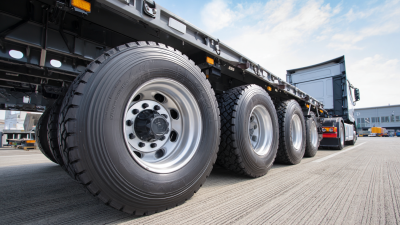
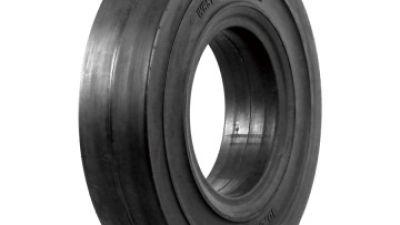
In today’s constantly changing world of transportation, choosing the right tires can really make a huge difference when it comes to safety and getting things done efficiently. Did you know that a 2022 report from the International Tire Association showed a 15% jump in demand for solid rubber tires? They’re especially popular for their toughness and how long they last. Industry expert Dr. James Felton from the Tire Research Institute really emphasizes their value—he says, "When you’re dealing with heavy loads, Trailer Solid Rubber Tires just perform better than your classic tires, no contest."
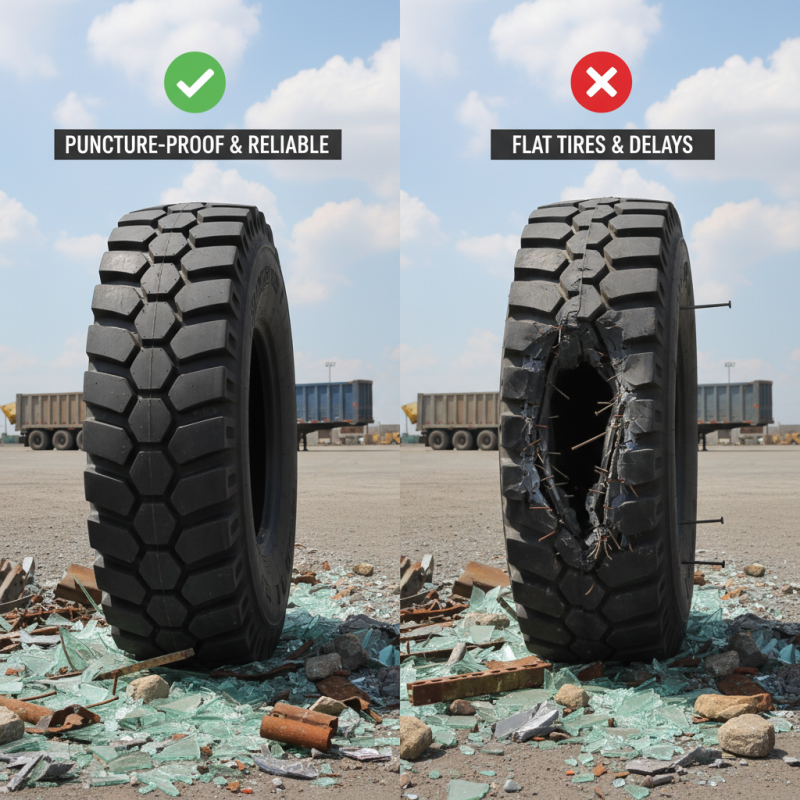
Of course, these tires do face challenges — like handling heavy weights or tricky road surfaces. But what really sets them apart is their sturdy build. They tend to get fewer punctures and last way longer, which can save companies a ton of money over time. Like, HeavyLift Logistics, for example, saw about a 30% drop in tire-related downtime after switching to solid rubber tires—that’s pretty impressive.
Now, I know some folks worry about the initial cost since solid rubber tires can be pricier upfront. But honestly, when you crunch the numbers, the long-term savings make it worth considering. If you’re curious, you can check out more details on Solid Rubber Trailer Tires. All in all, it’s something to think about—balancing the immediate expense against the overall benefits down the road.
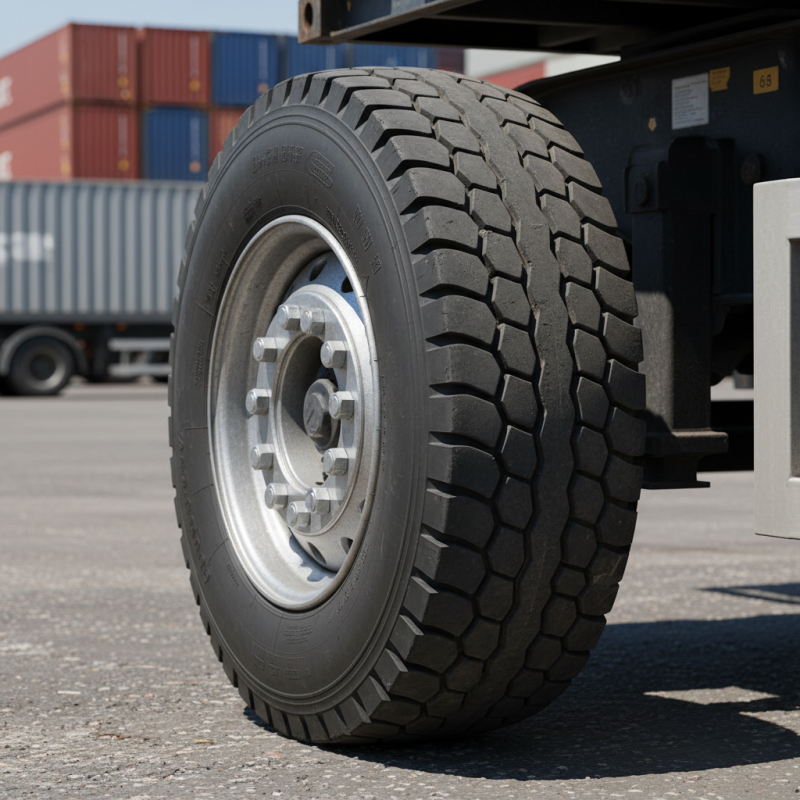
Advantages of Solid Rubber Tires Over Pneumatic Tires
When it comes to transport needs, Trailer Solid Rubber Tires offer several compelling advantages over pneumatic tires. One significant benefit is their resilience. Solid rubber tires significantly reduce the risk of punctures and blowouts. According to a report by the Tire Industry Association, nearly 15% of cargo-related accidents result from tire failures. For businesses relying on safe transit, this is a critical advantage.
Moreover, solid rubber tires demonstrate superior durability. They can withstand harsh environments and heavy loads without compromising performance. In various industrial settings, including warehouses and construction sites, this durability translates to lower maintenance costs. A study by the Rubber Manufacturers Association revealed that solid tires last up to three times longer than their pneumatic counterparts under similar conditions. This longevity can lead to significant savings over time.
Another point worth mentioning is their performance in different weather conditions. Solid rubber tires excel in wet or rough terrains, providing better grip and stability. However, some users have noted that these tires may not provide the same level of comfort as pneumatic options during transit. Understanding this trade-off is essential when choosing the right tires for specific applications.
Durability Factors: Why Solid Rubber Tires Last Longer
When it comes to choosing tires for trailers, durability is key. Solid rubber tires are engineered to endure heavy loads and rough conditions. Unlike pneumatic tires, they won't go flat. This feature makes them incredibly reliable for transport needs. With fewer maintenance requirements, businesses can focus on efficiency. The toughness of Durable Rubber Trailer Tires allows them to resist cuts, punctures, and abrasions. This gives them a longer lifespan compared to traditional tires.
Moreover, solid rubber tires handle weight better. They distribute loads evenly, reducing stress on the trailer. This capability minimizes wear and tear, leading to extended use without constant replacements. Customers often appreciate how these tires perform under extreme conditions. However, it's important to note that they can be stiff in handling. Some might find this less comfortable on bumpy roads. Balancing performance and comfort can be a learning curve for users.
The choice of Durable Rubber Trailer Tires often requires careful consideration. Users must weigh the benefits against comfort levels for specific applications. Understanding your transport environment can aid in making the right decision. Remember,durability in tires means fewer replacements, ultimately saving money in the long run. Embracing this option may require adjustment, but the payoff can be significant for transport efficiency.
Comfort and Stability: The Performance of Solid Rubber Tires
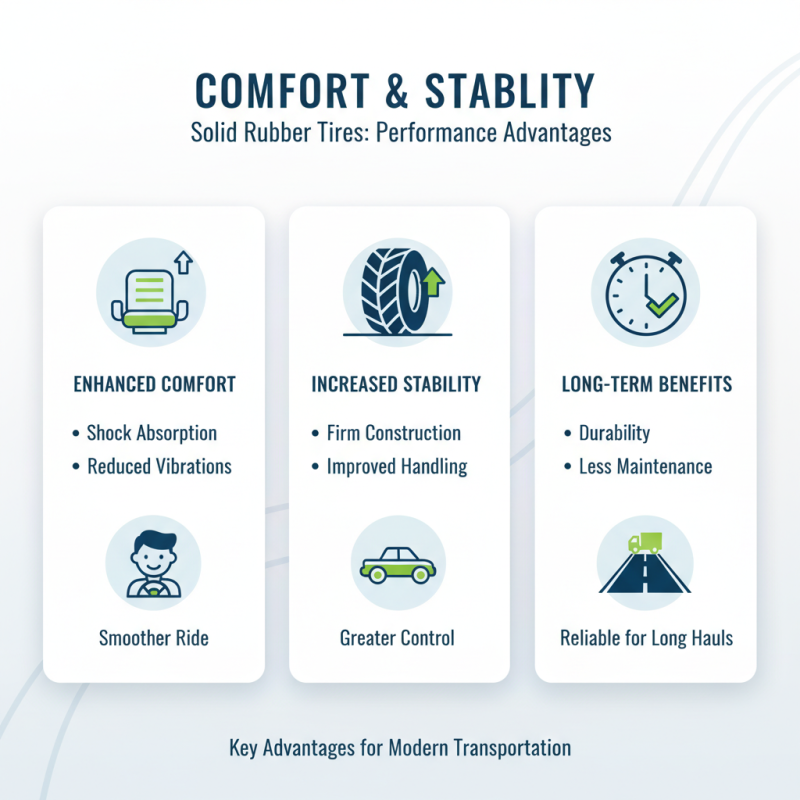
Solid rubber tires are gaining popularity in transportation. Their unique construction offers enhanced comfort and stability. One crucial aspect is their ability to absorb shocks. This reduces the vibrations felt during transit. Drivers often report a smoother ride compared to traditional air-filled tires. Comfort increases, especially during long hauls.
Stability is another advantage of solid rubber tires. Their design ensures a strong grip on various surfaces. This results in better control for heavy loads. Sharp turns and uneven terrain become less daunting. However, it's important to consider the weight of the tires. They can be heavier than standard options, which might affect fuel efficiency.
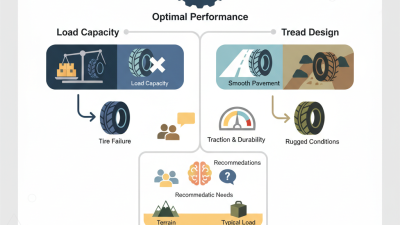
**Tip:** When selecting tires, assess your typical load and terrain. A heavier tire might not be suitable for all scenarios. Also, regular inspections can help maintain performance over time. Consider how tire choice aligns with your transport needs and comfort priorities.
Cost-Effectiveness of Solid Rubber Tires for Transportation
Choosing solid rubber tires for your transport needs can significantly affect your overall costs. These tires are highly durable and can withstand heavy loads and rough terrains. Unlike traditional pneumatic tires, solid rubber variants do not deflate or suffer from blowouts. This reliability translates to fewer interruptions and lowered maintenance costs.
The initial investment in solid rubber tires may seem higher, but the long-term savings are substantial. Companies often face delays from punctured tires, leading to expensive downtime. Solid rubber tires reduce these instances, ensuring smoother operations. Additionally, they last longer due to their robust design, minimizing the need for frequent replacements.
Yet, it's essential to consider the trade-offs. While they offer great durability, the ride may be less comfortable than air-filled tires. This could impact certain transport applications where ride quality is critical. Evaluating your specific needs and circumstances is vital. The benefits can be significant, but it's crucial to weigh them against your operational requirements.
Environmental Impact: Solid Rubber Tires and Sustainability
Choosing solid rubber tires for transport needs is not just practical. It also aligns with a growing awareness of sustainability. Solid rubber tires have a longer life span than traditional tires, reducing waste over time. They withstand wear, leading to fewer replacements. This durability directly contributes to less environmental pollution.
However, there are challenges to consider. The production process of solid rubber tires can use significant resources. It's essential to evaluate not just the long-term benefits but also the initial environmental cost. Balancing these factors is crucial for informed decision-making.
Tips for choosing solid rubber tires include checking for manufacturing details. Ensure they are made from recycled materials when possible. Assess the transportation methods used for delivery. An eco-friendly approach to logistics can further mitigate your carbon footprint. Consider also the maintenance requirements. Solid Trailer Wheels can be easier to manage, leading to less waste from maintenance issues. Evaluating these aspects will help you make an environmentally responsible choice.
Applications of Solid Rubber Tires in Various Industries
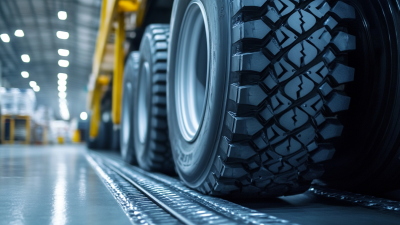
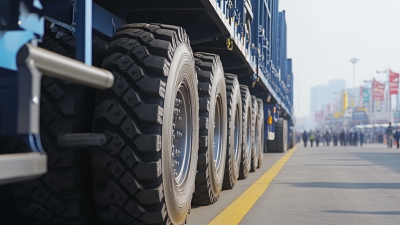
Solid rubber tires have become increasingly popular in various industries due to their durability and versatility. These tires are ideal for industrial applications, particularly in transport and logistics. They can handle heavy loads, making them a great choice for warehouses and manufacturing facilities. Unlike pneumatic tires, solid rubber tires are puncture-proof. This feature reduces downtime and maintenance costs, enhancing operational efficiency.
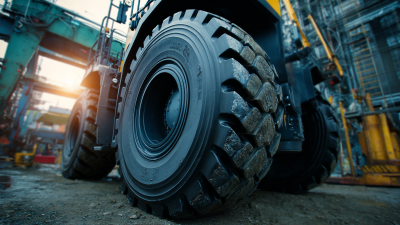
In the construction industry, solid rubber tires support heavy machinery like forklifts and telehandlers. They provide excellent traction on various surfaces, ensuring safety during operations. Additionally, solid rubber tires perform well in extreme weather conditions. They resist wear and tear, which means fewer replacements. Operators appreciate their reliability.
Tips: When choosing Industrial Trailer Tires, consider the weight capacity and terrain. Pay attention to tire thickness for added durability. Proper tire maintenance is essential. Regularly check for wear and tear, even with solid rubber tires. This proactive approach ensures safety and efficiency in daily operations.
Applications of Solid Rubber Tires in Various Industries
Maintenance Needs and Lifespan of Solid Rubber Tires
Solid rubber tires are renowned for their durability and performance. Their maintenance needs differ significantly from pneumatic tires. Unlike pneumatic options, solid rubber tires do not require regular air pressure checks. This reduces maintenance time and costs. Reports indicate that these tires can last up to 10 years, depending on usage and environmental conditions.
However, while solid rubber tires are robust, they still need periodic inspections. Checking for signs of wear, such as cracks or chips, is vital. Research suggests that improper maintenance can lead to a decrease in lifespan by up to 30%. Keeping an eye on the tire's surface can prevent premature retirement.
Tips: Clean your tires regularly to remove debris and dirt. This helps maintain their performance. Also, monitor their load capacity to avoid excessive wear. Regular maintenance ensures that you maximize the efficiency and lifespan of these tires. Solid rubber tires can offer excellent longevity when cared for properly, but neglect can result in costly replacements.
Maximizing Efficiency and Durability: A Data-Driven Analysis of Solid Tires for Blending Machines in Modern Manufacturing
In modern manufacturing, the choice of tires for blending machines plays a critical role in operational efficiency and equipment durability. Solid tires have emerged as a preferred solution in environments such as steel plants, where conditions can be particularly harsh. One of the primary advantages of solid tires is their high-temperature resistance. According to industry research, steel plants frequently operate in environments nearing 1,500°F, especially in proximity to furnaces. Solid tires are engineered to withstand these extreme temperatures without experiencing softening or deformation, which helps maintain the functionality and reliability of blending machines even under intense heat.
Additionally, the durability of solid tires significantly reduces maintenance costs and production downtime. A study conducted by the Manufacturing Institute indicates that equipment failure due to tire-related issues can lead to annual losses in excess of $1 million for steel producers. By utilizing solid tires, plants can enhance the lifespan of their blending machines, which is often extended by up to 25% compared to conventional pneumatic tires. This not only maximizes efficiency by minimizing interruptions but also bolsters the overall productivity of the manufacturing process.
Moreover, solid tires offer improved stability and traction, essential for the safe operation of heavy machinery in such demanding environments. As reported by the National Institute of Standards and Technology, the right tire choice can contribute to safer operations, reducing workplace accidents and enhancing overall employee safety. As manufacturing continues to evolve, the integration of solid tires in blending machines underscores the industry's commitment to leveraging data-driven solutions for optimizing operational performance.
FAQS
: Solid rubber tires are tires made from rubber that do not contain air. They provide enhanced comfort and stability during transportation.
They absorb shocks effectively, which reduces vibrations during transit. Drivers often experience a smoother ride, especially over long distances.
Yes, their design offers a strong grip on various surfaces, providing better control for heavy loads, even on uneven terrain.
Sometimes. They tend to be heavier than air-filled tires, which might impact fuel efficiency negatively in some situations.
They are durable and do not deflate, reducing maintenance costs and downtime from punctured tires, leading to significant savings over time.
Yes, the initial cost may be higher, but the durability and reduced need for replacements can lead to overall savings.
Regular inspections are essential to maintain their performance, ensuring safety and efficiency in transportation.
They may not provide as smooth a ride as air-filled tires, which can be a downside in certain transport applications.
Assess your typical load and terrain, and consider if the trade-off in comfort is acceptable for your specific transport needs.
While they offer durability and stability, the ride quality might not be ideal for all applications, so careful evaluation is necessary.
Conclusion
Trailer Solid Rubber Tires offer numerous advantages over traditional pneumatic tires, making them a superior choice for various transportation needs. Their durability is a significant factor, as they are designed to withstand harsher conditions and last longer, minimizing the need for frequent replacements. Additionally, these tires provide enhanced comfort and stability during transport, ensuring a smoother ride even on rough surfaces.
Cost-effectiveness is another key benefit, as solid rubber tires often reduce overall transportation expenses by lowering maintenance costs and improving lifespan. Their environmental impact is also noteworthy, as they contribute to sustainability efforts by being recyclable and reducing waste. Furthermore, Trailer Solid Rubber Tires find applications across various industries, demonstrating their versatility and reliability. Overall, opting for solid rubber tires can significantly enhance operational efficiency while being an environmentally responsible choice.