When you're trying to pick out the right Solid Trailer Wheels for your needs, it’s pretty important to understand the options out there. These wheels are a key part of any trailer, really making sure your stuff gets from point A to B safely and smoothly. They last longer and usually don’t need as much maintenance compared to the traditional tires filled with air. Whether you’re shopping for a brand-new trailer or just want to upgrade your current wheels, making a smart choice can really make a difference in how your towing goes and how well your vehicle performs.
In this guide, I’ll walk you through the main things to think about when selecting solid trailer wheels. Stuff like what they’re made of, how much weight they can handle, the size of the wheels, and whether they fit your trailer – every little detail matters if you want things to run smoothly. We’ll also cover why solid trailer wheels are a great choice—like their resistance to punctures and quicker wear, which is a huge plus whether you’re hauling for work or just out on a weekend trip. By understanding what you actually need and how these wheels can help, you’ll be able to pick options that make your travels safer and more hassle-free, not just for 2025 but for the years to come.

Understanding the Importance of Choosing the Right Solid Trailer Wheels
Choosing the right solid trailer wheels is crucial for ensuring safety, durability, and performance. Solid wheels, often made from premium materials like polymer composites, provide a significant advantage over pneumatic wheels, particularly in environments prone to punctures or rough terrains. According to industry studies, over 70% of trailer tire failures are attributed to air loss, highlighting the importance of solid wheels in minimizing downtime and maintenance costs. Their robust construction can withstand heavy loads while offering a stable support system, which is essential for trailers frequently used in industrial and farming applications.
Furthermore, opting for the right solid trailer wheels can enhance overall vehicle efficiency. Research indicates that mismatched wheel types can lead to increased wear and loading on trailer axles, reducing the lifespan of both the wheels and the trailer itself. When selecting solid wheels, factors such as load capacity, wheel diameter, and compatibility with current axle specifications should be meticulously assessed. The proper alignment and weight distribution can result in up to a 25% improvement in fuel efficiency during transport, underscoring how vital it is to choose the right wheels for your specific needs.
2025 How to Choose the Best Solid Trailer Wheels for Your Needs
Evaluating Your Trailer's Weight Capacity and Usage Requirements
When selecting solid trailer wheels, the first step is evaluating your trailer's weight capacity and usage requirements. Understanding the total weight of your trailer, including the cargo it will carry, is crucial. This total weight determines the wheel's load rating, which must be compatible to ensure safety and performance on the road. If the wheels cannot support the weight, it may lead to tire failure or excessive wear, compromising both the trailer's stability and your overall safety.
Next, consider how you plan to use your trailer. Different applications—such as hauling heavy equipment, transporting vehicles, or recreational use—can significantly influence your wheel choice. For instance, frequent off-road use may necessitate wheels designed for durability and impact resistance, while highway transport may require wheels that are optimized for speed and fuel efficiency. Assessing these specific needs will guide you toward the most appropriate wheel material and design, ensuring that your trailer performs optimally under your unique conditions.
Different Types of Solid Trailer Wheels: A Comprehensive Overview
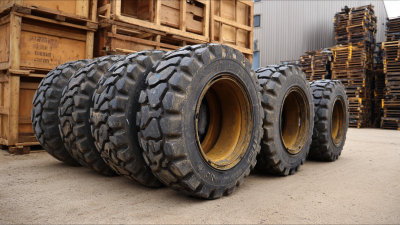
When selecting solid trailer wheels, understanding the different types available is crucial for meeting your specific needs. Solid wheels come in various designs tailored for distinct applications, such as heavy-duty transport, utility trailers, or recreational vehicles. The most common types include Solid Rubber Wheels, which offer excellent shock absorption and are resistant to punctures, making them ideal for off-road conditions or uneven terrain. Another option is the polyolefin wheels that provide a perfect blend of strength and weight savings, suitable for lighter loads and smooth surfaces.
Furthermore, selecting the right material is essential to ensure durability and performance. Steel wheels are known for their strength and longevity, making them suitable for heavy-duty trailers, while aluminum wheels are lighter and often provide better fuel efficiency. The wheel diameter and width also play a significant role in determining load capacity and stability during operation.
Assessing the terrain, weight of the load, and intended use will guide you in choosing the best solid trailer wheels to enhance your towing experience and ensure safety on the road.
Key Materials and Construction Features of Solid Trailer Wheels
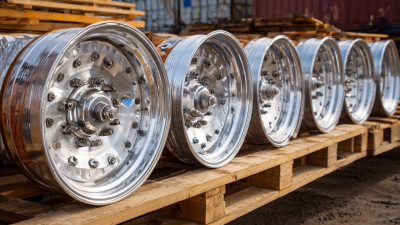
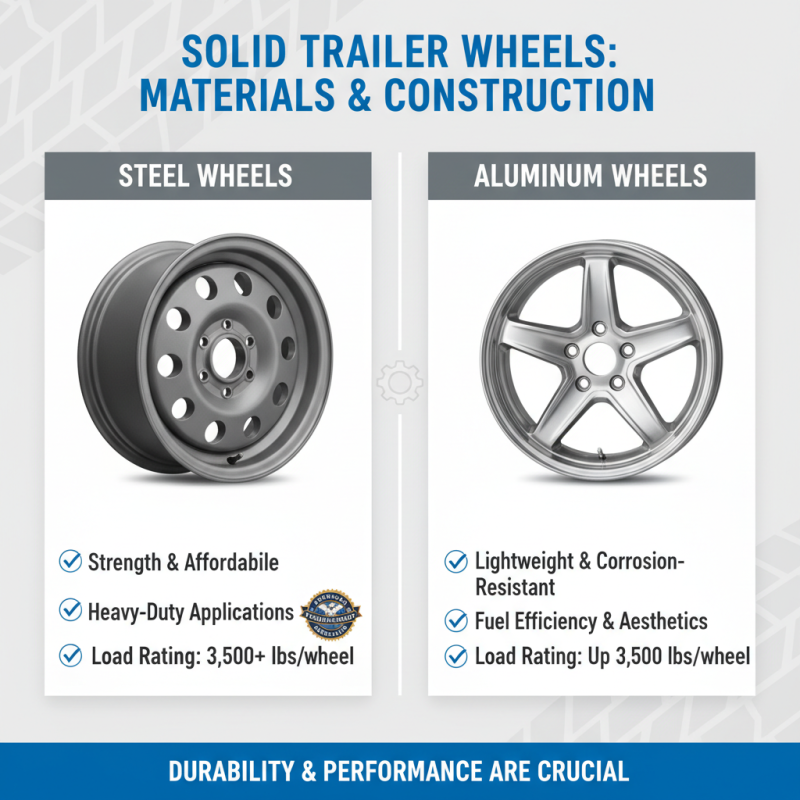
When selecting solid trailer wheels, understanding the materials and construction features is crucial for ensuring durability and performance. Solid trailer wheels are typically constructed from materials such as steel or aluminum, each offering distinct advantages. Steel wheels excel in strength and affordability, making them a popular choice in heavy-duty applications. According to the American Trailer Association, steel wheels can withstand rigorous conditions and provide excellent support for high-weight hauling, often rated for loads exceeding 3,500 pounds per wheel.
On the other hand, aluminum wheels are renowned for their lightweight properties and corrosion resistance. The Aluminum Association reports that aluminum wheels can reduce overall trailer weight, enhancing fuel efficiency without sacrificing strength. This reduction is particularly beneficial for those frequently transporting goods over long distances. Furthermore, the design features of solid trailer wheels, including the rim diameter and width, directly impact stability and handling. A wider wheel base improves traction and load distribution, making it essential to choose sizes suited for your specific trailer type and intended use.
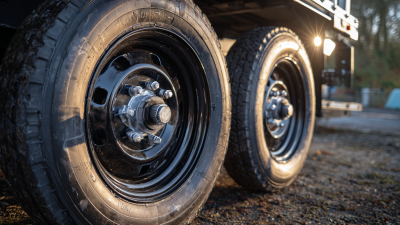
Evaluating the construction features, such as the use of disc versus spoke designs, can also influence performance. Disc wheels provide a solid surface that minimizes dirt accumulation and offers superior strength for off-road applications, while spoke designs may offer improved aesthetics and weight savings for lighter loads. Therefore, understanding the interplay between materials and construction features is vital in selecting the right solid trailer wheels tailored to meet your specific needs.
How to Measure for Proper Wheel Size and Fit
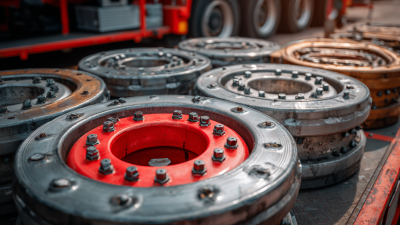
Choosing the right solid trailer wheels is crucial for both safety and efficiency, and the first step in that process is understanding how to measure for proper wheel size and fit. When measuring, start by determining the bolt pattern, which is the arrangement of the bolt holes on the wheel. This typically involves counting the number of bolt holes and measuring the distance between the center of one bolt hole to the center of the hole directly opposite it. If your wheel has an even number of holes, measure across from one bolt to the next (skipping a hole), while for odd-numbered patterns, the measurement is taken from the center of one hole straight to the center of the opposite one.
Next, you'll need to measure the wheel's diameter and width. To do this, use a measuring tape to find the distance across the wheel from one edge to the other at the widest point; this gives you the wheel diameter. For wheel width, measure the distance from the inner edge of one side of the wheel to the inner edge of the other side. It's important to ensure that these dimensions match your trailer’s specifications, as having the incorrect size can lead to poor performance and increased wear on both the wheels and the trailer itself. Remember, accuracy in your measurements can make a significant difference in achieving the optimal fit for your trailer wheels.
Assessing Wheel Load Ratings and Durability Standards
When selecting solid trailer wheels, one of the critical factors to consider is wheel load ratings. This rating indicates the maximum weight that each wheel can safely support, which is essential for ensuring both the performance and longevity of your trailer. It’s crucial to match the load rating with the specific demands of your towing application. Overloading a wheel beyond its rated capacity can lead to premature wear and catastrophic failures, posing risks to safety and efficiency. A higher load rating is often preferable, particularly for heavier trailers or those that will frequently carry loads close to their maximum capacity.
Durability standards also play a vital role in the selection process. Wheels constructed from high-quality materials, such as robust alloys, tend to exhibit greater resistance to wear and environmental damage. Additionally, features like rust-resistant finishes and improved heat dissipation can enhance the overall lifespan of the wheels. It’s advisable to look for wheels that meet stringent industry standards, as these will generally provide better performance under challenging conditions.
Understanding both load ratings and durability options allows buyers to make informed decisions and select wheels that will effectively meet their unique needs while ensuring safe towing experiences.
Tips for Maintenance and Care of Solid Trailer Wheels
When it comes to maintaining solid trailer wheels, regular inspections are crucial for ensuring their longevity and performance. Start by checking the wheel's surface for any signs of wear, cracks, or bends. It's essential to clean the wheels thoroughly to remove dirt, grime, and corrosive substances that may lead to premature damage. A gentle scrub with soapy water, followed by a rinse, keeps the wheels looking good and performing well. Avoid using harsh chemicals that could harm the wheels' material or finish.
Another critical aspect of care is monitoring the wheel bearings. These components should be lubricated regularly to avoid friction and wear. A good practice is to keep an eye on oil levels and replace lubricant as needed, following the manufacturer's guidelines. Additionally, checking tire pressure and ensuring it is within the recommended range will help maintain the overall stability and performance of your trailer. By following these maintenance tips, you can enhance the reliability and lifespan of your solid trailer wheels while ensuring a safer towing experience.
2025 How to Choose the Best Solid Trailer Wheels for Your Needs - Tips for Maintenance and Care of Solid Trailer Wheels
| Wheel Size (inches) | Weight Capacity (lbs) | Material | Maintenance Frequency | Lifespan (years) |
| 12 | 1,200 | Aluminum | Every 6 months | 5-7 |
| 14 | 1,500 | Steel | Every 6 months | 4-6 |
| 16 | 2,200 | Alloy | Every year | 6-8 |
| 18 | 3,000 | Composite | Every year | 8-10 |
FAQS
: Choosing the right solid trailer wheels is crucial for ensuring safety, durability, and performance, as they can minimize downtime and maintenance costs due to their robust construction and ability to withstand heavy loads.
Solid trailer wheels are often made from premium materials such as polymer composites, which provide advantages over pneumatic wheels, especially in challenging environments.
Mismatched wheel types can lead to increased wear and loading on trailer axles, reducing the lifespan of both the wheels and the trailer due to improper alignment and weight distribution.
When selecting solid trailer wheels, it is important to consider load capacity, wheel diameter, compatibility with current axle specifications, and the intended usage of the trailer.
Regular inspections for wear, cleaning with soapy water, and monitoring wheel bearings and tire pressure are essential maintenance practices to enhance the performance and longevity of solid trailer wheels.
The total weight of the trailer, including cargo, determines the wheel's load rating, which must be compatible to ensure safety and prevent potential tire failure or excessive wear.
Different applications, such as off-road use or highway transport, significantly influence wheel choice, as each use may require specific wheel designs for durability, impact resistance, or fuel efficiency.
Neglecting wheel maintenance can lead to premature wear, instability, reduced safety, and potentially tire failure, compromising the overall performance of the trailer.
Proper alignment and weight distribution can improve fuel efficiency during transport by up to 25%, highlighting the importance of selecting the right wheels for specific needs.
Conclusion
Selecting the right Solid Trailer Wheels is crucial to ensure the safety and efficiency of your trailer. Understanding your trailer's weight capacity and specific usage requirements is the first step in this process. There are various types of solid trailer wheels available, each designed for different applications and environments. Furthermore, key materials and construction features play a significant role in the overall performance and durability of these wheels.
Proper measurement for wheel size and fit is essential to maintain functionality, along with assessing wheel load ratings to ensure durability standards are met. Regular maintenance and care will enhance the longevity of your solid trailer wheels, allowing for a more reliable trailer experience. By following these guidelines, you can confidently choose the best solid trailer wheels tailored to your needs.