Picking the right Skid Steer Rubber Wheels for your specific needs can really make or break how well your equipment performs and how efficiently it runs. Did you know that according to the Equipment Manufacturers Association (EMA), the demand for skid steer loaders — which run on rubber wheels — has shot up by about 25% over the past five years? That’s a pretty clear sign that more industries, from construction sites to landscaping projects, are counting on this equipment. Because of this boom, it’s super important for operators to get a good handle on the different wheel options so they can boost productivity and keep costs in check.
Industry expert John McCarthy, who’s a well-known voice in construction tech, stresses just how crucial this choice is: "Getting the right rubber wheels for your skid steer doesn’t just help with easier maneuvering — it also plays a big role in how long your equipment lasts and how durable it is." With so many types of rubber wheels out there — like solid, foam-filled, and air-filled — it’s vital to think about where you’ll be working and what your specific needs are. Things like ground conditions, how the weight is spread out, and the kind of traction you need should all be part of your decision-making. When you do your homework and pick wisely, you’re really setting yourself up to get the most out of your skid steer investment.
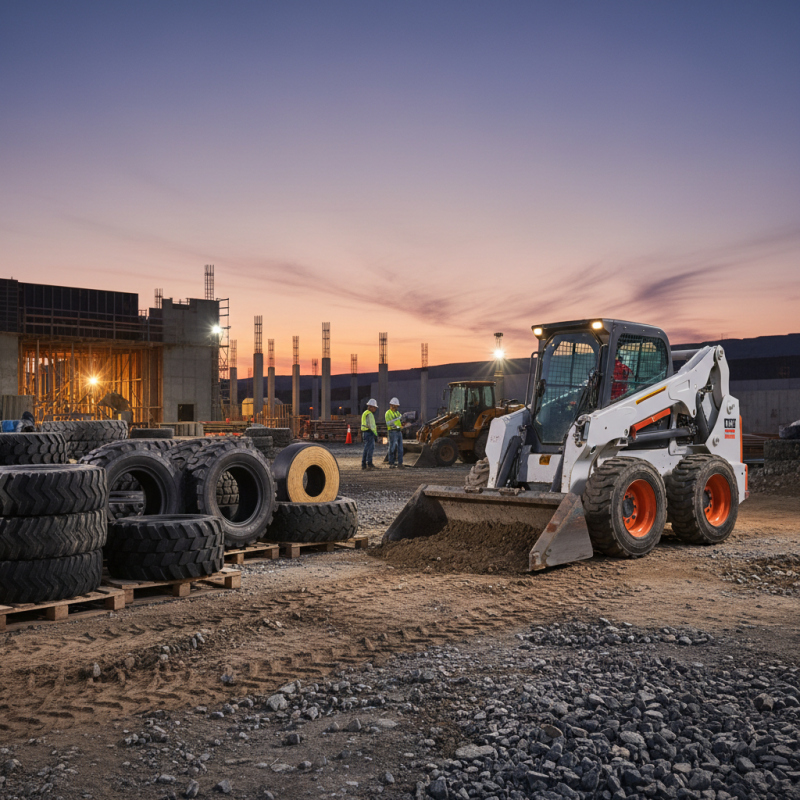
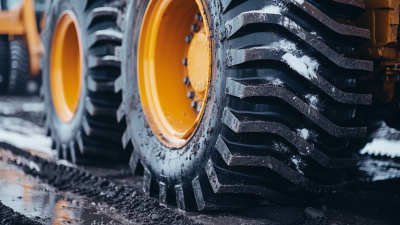
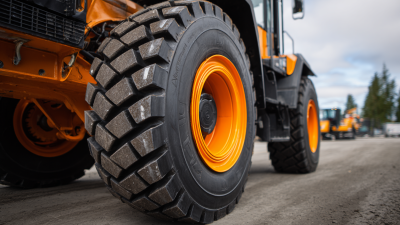
When selecting skid steer rubber wheels, it's essential to understand their key features and benefits to ensure they align with your specific operational needs. One of the primary features to consider is the tread design, which significantly impacts traction and maneuverability. Different tread patterns are suited for various terrains, from soft and loose surfaces to hard and compact grounds. Opting for wheels with a deeper tread can enhance grip in muddy or uneven conditions, while a smoother tread may be ideal for paved surfaces where speed and efficiency are necessary.
Another important characteristic of skid steer rubber wheels is their material composition. High-quality rubber not only provides durability but also influences the ride comfort and noise level during operation. Additionally, wheels made from specialized compounds may offer better resistance to wear, punctures, and environmental factors, extending the lifespan of the tires. Choosing the right rubber formulation can lead to improved performance, particularly in challenging conditions, ultimately resulting in greater productivity on the job. Understanding these features allows operators to select wheels that not only fit their skid steer's requirements but also enhance overall work efficiency.
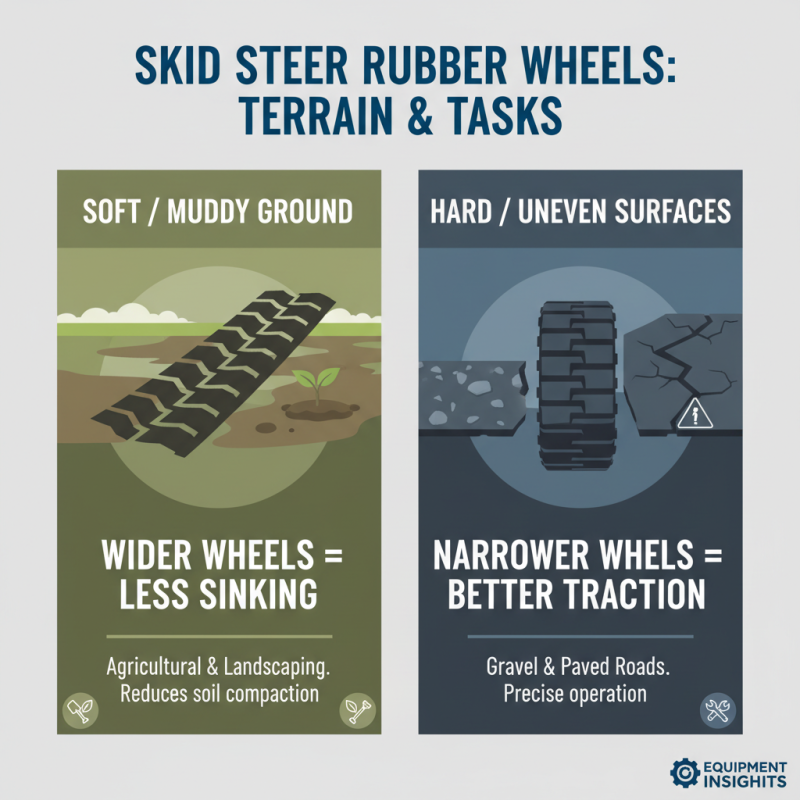
Choosing the right skid steer rubber wheels depends largely on the type of terrain you plan to navigate and the specific tasks you will be performing. For soft or muddy ground, wider wheels with a larger surface area can help distribute the weight of the skid steer, reducing the likelihood of sinking into the terrain. This is particularly important for agricultural or landscaping applications where soil compaction and surface damage are concerns. Conversely, for hard and uneven surfaces like gravel or paved roads, narrow wheels may provide better traction and maneuverability, allowing for precise operation.
Additionally, understanding your usage requirements can guide your wheel selection. If your work involves a lot of turning or quick movements, wheels designed for enhanced grip and durability will be crucial. On the other hand, if you primarily engage in straight-line activities such as hauling or levelling, prioritizing longevity may be more beneficial. Consider also the potential wear from frequent use on abrasive surfaces; selecting wheels made from durable compounds can offer extended service life, reducing overall costs. Ultimately, assessing the specifics of your terrain and the nature of your tasks will ensure that you choose the best skid steer rubber wheels that enhance performance and efficiency.
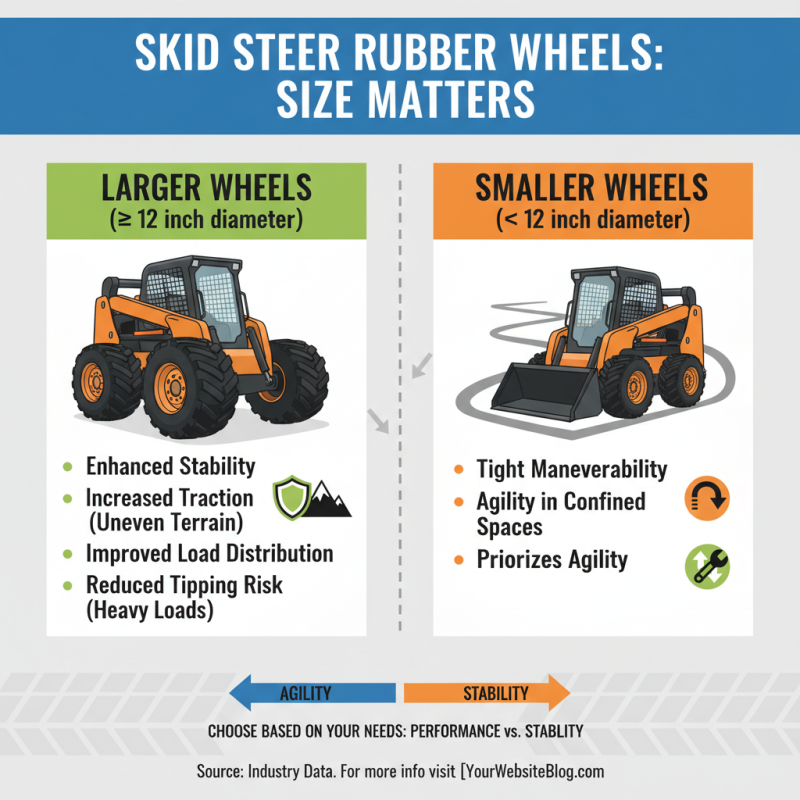
When selecting the best skid steer rubber wheels for your needs, evaluating wheel sizes is crucial, as it significantly impacts both performance and stability. Larger wheels tend to provide enhanced stability and traction, especially on uneven terrain. According to industry data, wheels that measure 12 inches in diameter or more can improve load distribution, reducing the risk of tipping when carrying heavy loads. Conversely, smaller wheels can be advantageous for tight maneuverability in confined spaces, where agility is prioritized over stability.
In terms of performance, the size of your skid steer wheels can directly affect your operating speed. A study by the National Association of Heavy Equipment Training Schools reports that increasing wheel diameter can lead to a decrease in the number of revolutions needed to cover a given distance, thus increasing efficiency. However, with larger wheels, there may be a trade-off in traction, especially on soft or muddy ground. The right size ultimately depends on the specific tasks at hand – whether it’s demolition, landscaping, or road work.
**Tip:** When choosing wheel size, consider the types of surfaces you will frequently encounter. For soft or loose ground, wider and larger wheels are recommended to enhance grip and prevent sinking.
**Tip:** Always balance wheel size with the skid steer’s specifications, including weight capacity and loader design, to maintain optimal performance without compromising safety.
When selecting rubber wheels for your skid steer, understanding the material composition is crucial, as it directly impacts both durability and cost. Rubber wheels vary in quality, and their performance is often dictated by the type of rubber used in their construction. High-grade materials typically offer better wear resistance and longevity, making them suitable for rigorous terrains and heavy loads. Conversely, lower-cost rubber wheels may save you money upfront but can lead to increased maintenance costs and replacements down the line.
Tips: Always consider the weight and type of loads your skid steer will be handling. If your operations often involve uneven or rocky surfaces, investing in high-durability rubber wheels can prevent frequent breakdowns.
Additionally, assess the environmental conditions of your work area. For outdoor applications exposed to harsh weather, opting for rubber wheels that exhibit superior resistance to UV rays and extreme temperatures is beneficial. This choice can enhance the lifespan of your wheels while ensuring consistent performance.
Tips: Research different rubber compounds and their specific applications to make an informed decision. Comparing the cost of high-quality wheels against their longevity can reveal long-term savings.
When selecting the best skid steer rubber wheels, understanding tread patterns is crucial for enhancing traction and maneuverability. Tread patterns are designed to optimize performance on various surfaces, be it gravel, dirt, or asphalt. According to a report from the American Society of Agricultural and Biological Engineers (ASABE), proper tread design can improve traction by up to 25%, enabling better grip and reducing slippage in challenging conditions. Different tread patterns, such as block, rib, and circular, serve distinct purposes; for instance, block patterns provide superior traction on uneven terrains, while rib patterns excel in handling hard surfaces.
Additionally, the load distribution characteristics influenced by the tread can greatly affect a skid steer’s stability and maneuverability. A study from the National Institute for Occupational Safety and Health (NIOSH) indicates that skid steers operating on improperly matched tire tread can increase the risk of rollover accidents by 15%. Choosing wheels with the appropriate tread pattern not only enhances operational efficiency but also contributes to safer working conditions. Therefore, understanding these patterns allows operators to select wheels that not only meet their specific tasks but also optimize the performance and safety of their machinery in diverse working environments.
When selecting the best skid steer rubber wheels, it's essential to conduct a comparative analysis of the leading brands in the market. One critical factor to consider is the wheel's tread design. Different tread patterns can significantly impact the machine's traction on various surfaces, including mud, gravel, or concrete. Brands typically offer a range of tread options, each suited for specific tasks or environmental conditions.
Evaluating the effectiveness of these treads based on be it wear, grip, or self-cleaning capabilities can help you choose the most suitable option for your operational needs.
Another aspect to assess is the material composition of the wheels. High-quality rubber compounds usually outperform standard options in terms of durability and resistance to punctures or abrasions. Some manufacturers may incorporate advanced polymers or additives to enhance performance characteristics, such as heat resistance or flexibility.
A detailed look into user reviews and performance tests across different brands can provide valuable insights into how well these materials hold up in real-world applications, leading to a more informed decision according to your specific requirements.
Maintaining your skid steer rubber wheels is essential for maximizing their performance and longevity. One of the most effective ways to extend the life of these wheels is to regularly inspect them for signs of wear and damage. Look for cracks, cuts, or uneven tread wear that may indicate an underlying issue. Addressing these problems early on can prevent further damage and ensure that your wheels perform optimally.
Proper cleaning is another crucial aspect of maintenance. After each use, remove dirt, mud, and debris that can accumulate on the wheels, as these materials can lead to wear and tear. Using a pressure washer or a simple brush can effectively eliminate buildup. Additionally, consider storing your skid steer in a dry, shaded area to protect the wheels from UV damage and extreme weather conditions. By following these tips, you can significantly extend the life of your rubber wheels, ensuring they remain in top condition for all your tasks.
: The choice of wheels should consider the type of terrain. For soft or muddy ground, wider wheels with a larger surface area are recommended to reduce sinking. For hard or uneven surfaces, narrower wheels may provide better traction and maneuverability.
Consider the nature of your work. For tasks requiring quick movements or turning, prioritize wheels that offer enhanced grip and durability. For straight-line activities, wheels that focus on longevity may be more beneficial.
Larger wheels generally provide better stability and traction, especially on uneven terrain, while smaller wheels can offer better agility in tight spaces. Therefore, the appropriate wheel size depends on the specific tasks you intend to perform.
Increasing the diameter of the wheels can reduce the number of revolutions needed to cover a distance, leading to increased efficiency. However, larger wheels may compromise traction on soft surfaces.
Yes, for soft or loose ground, it’s advisable to choose wider and larger wheels to enhance grip and minimize the risk of sinking.
Always ensure that the wheel size aligns with the skid steer’s weight capacity and loader design to maintain optimal performance and safety.
When selecting the best skid steer rubber wheels, it's essential to understand their key features and benefits, which greatly influence performance. Factors such as terrain type and intended usage should inform your wheel selection for optimal efficiency. Additionally, evaluating wheel sizes plays a critical role in enhancing both performance and stability, while the material composition directly affects durability and cost considerations.
Moreover, tread patterns are crucial for maximizing traction and maneuverability on various surfaces. A comparative analysis of different skid steer rubber wheels can help users identify what suits their specific needs best. Lastly, regular maintenance tips are vital for extending the lifespan of your rubber wheels, ensuring they perform effectively over time. Careful consideration of these elements will lead to a well-informed choice that enhances your skid steer’s capabilities.