Yantai Wonray Tyre Co., Ltd.

Leave Your Message
0%

Picking out the right Skid Steer Rubber Wheels isn’t just a small detail — it can really make a big difference in how well your machine performs and how long it lasts. As industry pro John Smith from Heavy Equipment Solutions puts it, “The right wheels aren’t just about moving around; they actually boost overall efficiency and keep things safe during operations.” That really highlights how important it is to choose wheels that fit your skid steer and are suitable for the specific conditions you’re working in.

Keeping up with this ever-changing industry means understanding what factors actually affect the performance of those rubber wheels. Things like, what kind of terrain you’re dealing with, and how much weight you’re hauling — every little detail matters when making your choice. It’s not just about mechanically fitting the wheels — it’s about fine-tuning your setup to get the best results for your projects. So, if you take some time to evaluate what your machine needs and what kind of environment you’re working in, you’ll be much better off whether you’re on a construction site, doing some landscaping, or tackling any other tough job.
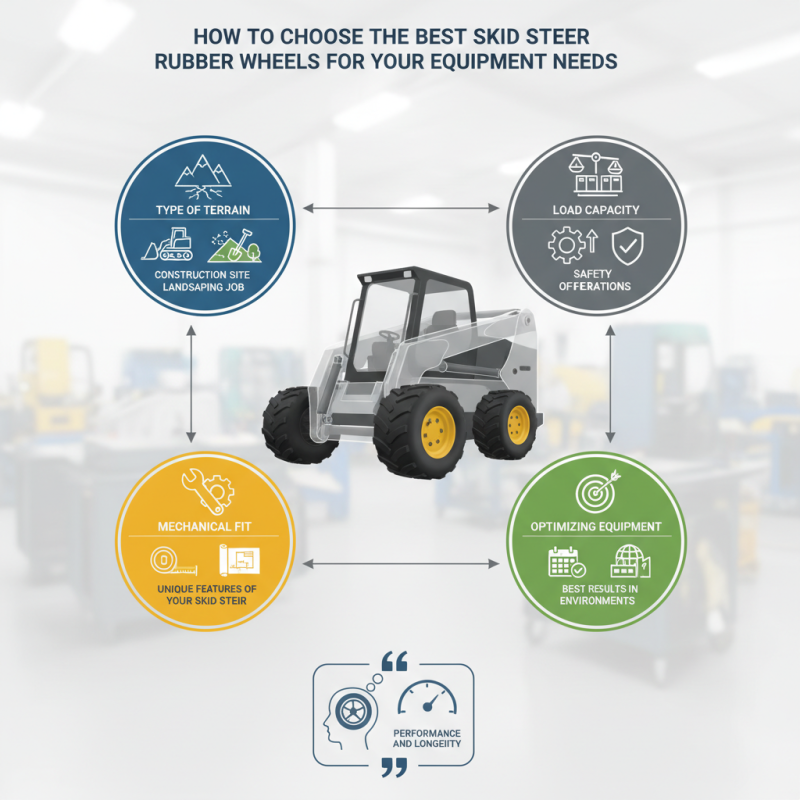
How to Choose the Best Skid Steer Rubber Wheels for Your Equipment Needs

Understanding the Importance of Skid Steer Rubber Wheels

When it comes to skid steers, the choice of rubber wheels is essential for optimizing both performance and safety in various work environments. Skid steer rubber wheels not only dictate the maneuverability of the equipment but also impact the operator's ability to navigate through different terrains. According to a report by the Machinery Institute, selecting the appropriate rubber wheels can improve traction by up to 25%, which is critical for projects requiring precision and efficiency.

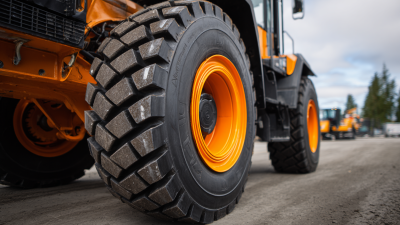
When choosing rubber wheels, it's important to consider their tread design and material composition. Different treads provide different levels of grip and wear resistance based on the surface conditions you are working on. For instance, a smoother tread may perform well on hard, flat surfaces, while aggressive treads are better for soft or muddy terrains.

Tips: Always assess your working environment before making a purchase. If you frequently work on uneven ground, opt for wheels designed for stability and traction. Additionally, consider the load-bearing capacity of the wheels; investing in high-quality wheels that match your skid steer’s specifications will lead to longer-lasting performance and reduced maintenance costs.

Types of Rubber Wheels Available for Skid Steers

When selecting the best rubber wheels for skid steers, it’s essential to understand the various types available, each designed for specific applications and terrains. First, there are standard rubber wheels, which are versatile and suitable for general construction and landscaping tasks. These wheels provide good traction and stability, making them ideal for use on paved or compacted surfaces, where maneuverability is essential.

Another type is the heavy-duty rubber wheel, which is engineered for more demanding conditions. These wheels often feature reinforced materials that provide increased durability and resistance to wear, making them suitable for rough terrains like gravel, sand, or uneven ground. Additionally, there are specialized rubber wheels designed for softer surfaces, such as turf or mud. These wheels typically have a larger footprint to distribute weight more evenly, minimizing ground disturbance and improving traction in challenging environments. Understanding these options allows operators to choose the right rubber wheels that meet their specific equipment needs.

How to Choose the Best Skid Steer Rubber Wheels for Your Equipment Needs - Types of Rubber Wheels Available for Skid Steers

Wheel Type Material Durability Weight Capacity Ideal Terrain
Standard Rubber Wheels Rubber Compound Moderate 1200 lbs Paved Surfaces
Industrial Rubber Wheels High-Density Rubber High 1500 lbs Rough Terrain
Soft Rubber Wheels Soft Rubber Blend Low 800 lbs Indoor Use
Solid Rubber Wheels Solid Rubber Very High 2000 lbs All Terrain
Foam-Filled Rubber Wheels Rubber with Foam Core High 1500 lbs Mixed Terrain

Factors to Consider When Choosing Rubber Wheels

When selecting the best skid steer rubber wheels for your equipment needs, several key factors should guide your decision. First, consider the terrain where the skid steer will operate. Different rubber wheels are designed to provide varying degrees of traction and stability on surfaces like mud, gravel, or concrete. If your work primarily involves rough, uneven ground, opting for wheels with a deeper tread pattern can significantly enhance performance and safety.

Another crucial factor is the weight capacity of the rubber wheels. Ensure that the wheels can support the weight of your skid steer and any additional loads you may be carrying. Overloading wheels that are not designed for such weights can lead to premature wear or even failure, compromising both equipment and operator safety. Additionally, evaluate the wheel diameter and width, as these dimensions can affect the machine's overall agility and load distribution, especially in tight spaces or when navigating obstacles. By carefully considering these elements, you can select rubber wheels that enhance the efficiency and effectiveness of your skid steer operations.

Assessing Wheel Size and Compatibility with Equipment

How to Choose the Best Skid Steer Rubber Wheels for Your Equipment Needs

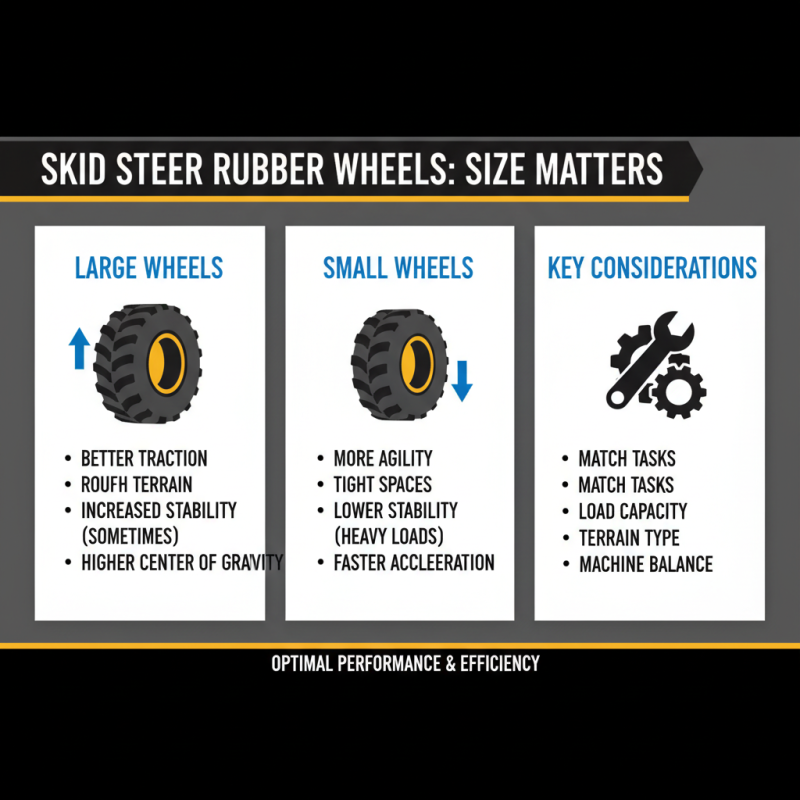
When selecting the best skid steer rubber wheels for your equipment, assessing the wheel size is crucial to ensure optimal performance and efficiency. The diameter and width of the wheels play a significant role in determining the machine's stability, load capacity, and maneuverability. Larger wheels can provide better traction and handle rough terrain more effectively, but they may also increase the machine’s center of gravity. Conversely, smaller wheels offer increased agility but might compromise on stability under heavy loads. Therefore, it's essential to match the wheel size with the specific tasks your skid steer will tackle.

Compatibility with your skid steer is equally important. To ensure a perfect fit, you should verify the bolt pattern and hub size of the wheels. Additionally, check the recommended weight capacity of the wheels against the load you typically handle. Incompatibility can lead to decreased efficiency and rapid wear and tear.

**Tips:** When making your selection, consult your equipment’s manual for specifications on wheel sizes and compatibility requirements. It may also be beneficial to speak with a professional or dealer who can offer expert advice tailored to your specific needs. Regularly inspect your current wheels for signs of wear to preemptively replace them with the best options for your skid steer.

Evaluating Durability and Performance of Rubber Wheels

How to Choose the Best Skid Steer Rubber Wheels for Your Equipment Needs

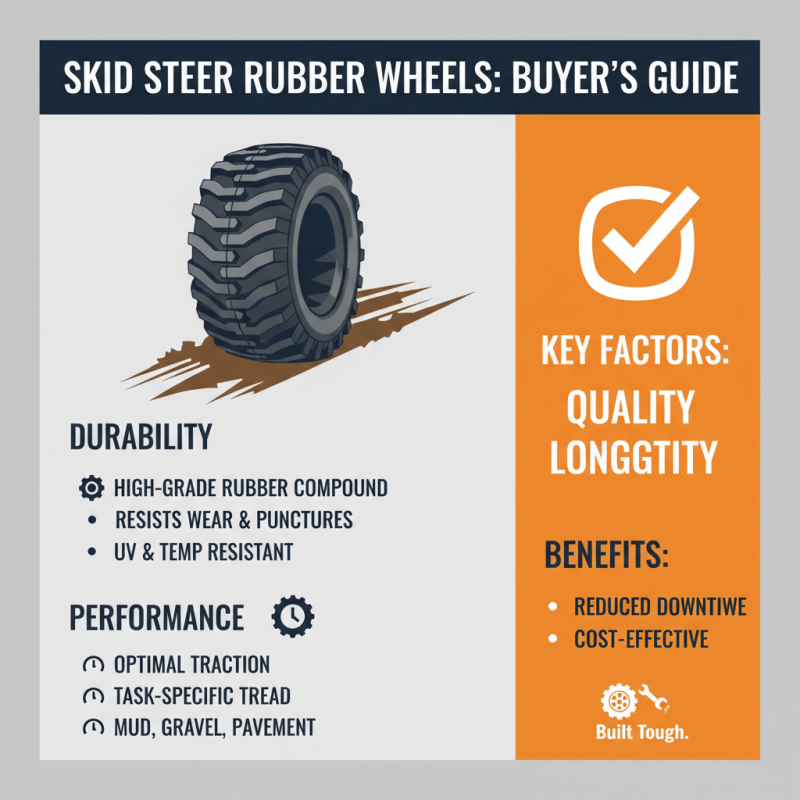
When selecting skid steer rubber wheels, the durability and performance of the wheels are critical factors to consider. Quality rubber wheels are engineered to withstand the rigors of various terrains while maintaining optimal grip. Look for wheels constructed from high-grade compounds that resist wear and tear, as well as environmental factors, such as UV exposure and extreme temperatures. Performance is also tied to the tread design, so choose wheels that offer the right traction for your specific tasks, whether on soft, muddy surfaces or hard, paved areas.

Tips: One essential tip is to assess the load capacity of the rubber wheels. Ensure that they can handle the weight of your skid steer and the materials you'll be transporting. Additionally, consider the wheel's diameter and width—larger wheels can navigate obstacles more effectively, while wider wheels provide better stability. Regularly check for signs of wear or damage to ensure that your wheels are providing the best performance, and replace them as needed to maintain efficiency.

Investing in the right skid steer rubber wheels not only enhances the equipment's performance but also prolongs its lifespan. Pay close attention to manufacturer specifications and industry standards which can provide vital information on how well the wheels will perform under various conditions. By prioritizing durability and performance, you ensure that your skid steer operates smoothly and effectively, boosting productivity on the job.

Maintenance Tips for Skid Steer Rubber Wheels

Maintaining skid steer rubber wheels is essential for ensuring the longevity and performance of your equipment. Regular inspections should be conducted to identify any signs of wear and tear. Look for cracks, cuts, or bulging areas on the rubber surface, which can indicate potential failure points. Keeping the wheels clean from debris and dirt will prevent premature damage and improve traction. A simple wash with water and mild detergents is often sufficient, but be sure to dry them properly afterward to avoid moisture buildup, which can lead to rust on the rims.

Proper inflation is another critical maintenance aspect. Under-inflated wheels can lead to uneven wear and decreased handling, while over-inflated wheels might result in a harsher ride and increased risk of blowouts. It’s advisable to regularly check and adjust the tire pressure according to the manufacturer's specifications. Additionally, lubricating any moving parts associated with the wheels, such as bearings and axles, will help reduce friction and wear, enhancing overall performance. By implementing these maintenance tips, you can extend the lifespan of your skid steer rubber wheels, ensuring reliable functionality for your projects.

Cost Considerations and Budgeting for Rubber Wheels

When considering the cost of rubber wheels for skid steers, it's essential to align your choices with your budget. Rubber wheels can vary significantly in price based on factors such="material quality, size, and brand. To effectively manage your budget, assess not just the initial cost, but also the expected lifespan and performance of the wheels. Investing in high-quality rubber wheels may seem costly upfront, but they often provide better durability and performance, resulting in reduced maintenance and replacement costs over time.

Tip: Create a budget spreadsheet that outlines your maximum spending limit and factors in all costs associated with the purchase, including installation, maintenance, and potential downtime due to equipment failure.

Additionally, it’s wise to compare prices and seek out wholesale or bulk purchasing options if you require multiple sets of wheels. This can significantly reduce the per-unit cost, allowing you to fit quality wheels into your budget more comfortably.

Tip: Always check for seasonal sales or discounts from suppliers, as this can provide opportunities to save money on your rubber wheel purchases without compromising on quality.

FAQS

: What are the different types of rubber wheels available for skid steers?

: There are standard rubber wheels suitable for general construction and landscaping, heavy-duty rubber wheels designed for demanding conditions, and specialized rubber wheels for softer surfaces like turf or mud.

What are standard rubber wheels best used for?

Standard rubber wheels are versatile and ideal for general construction and landscaping tasks, providing good traction and stability on paved or compacted surfaces.

What are the characteristics of heavy-duty rubber wheels?

Heavy-duty rubber wheels are engineered for rough terrains and are made from reinforced materials that offer increased durability and resistance to wear.

Why are specialized rubber wheels designed for softer surfaces?

Specialized rubber wheels feature a larger footprint to distribute weight more evenly, which minimizes ground disturbance and improves traction in environments like turf or mud.

How important is maintenance for skid steer rubber wheels?

Regular maintenance is crucial for ensuring the longevity and performance of skid steer rubber wheels, helping to identify wear and prevent premature damage.

What should I look for during inspections of rubber wheels?

During inspections, look for signs of wear and tear such as cracks, cuts, or bulging areas on the rubber surface.

How can I clean skid steer rubber wheels?

Keeping the wheels clean can be done with a wash using water and mild detergents, ensuring they are dried properly afterward to avoid moisture buildup.

Why is proper inflation important for skid steer rubber wheels?

Proper inflation helps to prevent uneven wear and ensures better handling; under-inflation can lead to issues while over-inflation may increase the risk of blowouts.

What maintenance practice can extend the lifespan of rubber wheels?

Regularly lubricating moving parts associated with the wheels, such as bearings and axles, can reduce friction and wear, enhancing overall performance.

How often should I check the tire pressure of skid steer rubber wheels?

It's advisable to regularly check and adjust the tire pressure according to the manufacturer's specifications to maintain optimal performance.

Conclusion

Choosing the best Skid Steer Rubber Wheels for your equipment needs involves understanding their significance and the various types available. Skid Steer Rubber Wheels are crucial for enhancing traction, stability, and overall performance of skid steers in various terrains. When selecting rubber wheels, consider factors such as wheel size and compatibility with your equipment, as well as evaluating their durability and performance.

It's also important to implement proper maintenance tips to extend the lifespan of your Skid Steer Rubber Wheels. Additionally, cost considerations and budgeting play a vital role in your decision-making process, ensuring you find a balance between quality and affordability. Making informed choices regarding these wheels will ultimately optimize the efficiency of your skid steer operations.
Isabella

Isabella

Isabella is a dedicated marketing professional at Yantai WonRay Rubber Tyre Co., Ltd., where she embodies the company's core philosophy of "quality first, customer first, innovation first." With an extensive background in the rubber tyre industry, Isabella possesses profound expertise in the......
Previous 2025 Innovations in Forklift Rubber Wheels: The Comprehensive Buying Guide for Global Sourcing