Lately, there's been a real uptick in demand for top-notch materials in manufacturing. Especially when it comes to rubber wheels—think Self-Healing Rubber Wheels—they’re expected to see pretty solid growth by 2026. Companies are on the lookout for innovative solutions that can stand the test of time and handle tough conditions, and that's where players like Yantai WonRay Rubber Tyre Co., Ltd. come into play. They really live by that motto of 'quality first, customer first, innovation first', which honestly makes all the difference. Yantai WonRay gets that the quality of their products isn’t just a selling point; it’s the heartbeat of their business. Their dedication to meeting customer needs lines up perfectly with industry reports showing that self-healing tech can boost the lifespan and performance of these wheels. So, choosing a manufacturer that prioritizes innovation and quality means your business can keep up with—and even surpass—evolving standards. It’s all about making smart investments that last and keep you ahead of the game.
China's Self-Healing Rubber Wheels: A Game Changer in the Global Market
You know, China's got these pretty amazing new self-healing rubber wheels, and they're really set to shake up the global market. I mean, they've got this incredible durability, plus they can actually repair themselves if they get damaged—pretty cool, right? As more folks worldwide look for top-notch rubber products, the market for rubber screw extruders, which are super important for making these advanced materials, is expected to grow quite a lot. In 2023, it was worth about $930 million, and experts believe it could hit around $1.31 billion by 2032. It really shows how self-healing tech is making a big difference in the industry.
And here’s a little tip—when you’re thinking about jumping on new tech like these self-healing wheels, it’s worth looking at the long-term savings. Sure, they might cost a bit more upfront, but because they last longer and need less maintenance, you’ll probably end up saving money in the end and getting better performance overall.
Also, these smart wheels aren’t just for cars—they’re making moves in areas like healthcare and other industries too. They can cut down on downtime and boost safety, which is a win-win. As manufacturers keep pushing the envelope with this kind of innovation, we can expect some pretty exciting new products coming out that will keep up with what consumers want around the world.
And one more thing—staying in the loop with new trends and breakthroughs in materials science is always a smart move. Checking out industry reports or research can help businesses spot new opportunities or spot potential challenges early on. It’s all about staying ahead of the game and making informed moves, you know?
Analysis of the 2025 Market Trends for Self-Healing Technologies
As we get closer to 2025, it's pretty clear that the self-healing tech market is gonna see some serious growth. Thanks to increasing demand from all sorts of industries—think automotive, aerospace, and even consumer goods—things are really picking up. I was reading this recent report from MarketsandMarkets, and it predicts the global market for self-healing materials will hit around $3.7 billion by 2025, with a compound annual growth rate of about 23.1%. A big part of that boom is due to breakthroughs in material science, which have led to some pretty innovative self-healing rubbers—especially from big players in China. That’s pretty exciting, right?
One cool example is these self-healing rubber wheels that are starting to pop up. They show just how practical and useful this tech can be. Not only do they last longer and cut down on maintenance costs, but they also make things safer—imagine a puncture that repairs itself! If your company’s thinking about jumping into this world, I’d suggest putting some time and resources into R&D—trying out new materials and working with manufacturers who are experts in smart materials could be a game-changer.
And beyond that, as more folks get into sustainability, self-healing tech will probably play a huge role in cutting down waste and making products last longer. So, staying up-to-date with what consumers want and what regulators are demanding is key. Things like industry seminars or reading the latest articles can really help your company stay ahead of the curve in this game-changing market.
Quality Redefined: How China's Innovations Are Setting New Standards
You know, China’s really making waves with their breakthroughs in self-healing rubber tech. It’s like they’re setting the stage for a whole new chapter in tire manufacturing, and honestly, the quality standards they’re reaching are turning heads worldwide. With the global auto tire market expected to hit around $280 billion by 2025, innovations like these—especially self-healing rubber that can seal up punctures and cuts on its own—are becoming totally essential. They’re really the perfect example of what “Quality Redefined” is all about, pushing the industry to new heights.
Take Yantai WonRay Rubber Tyre Co., Ltd., for instance—they really live up to this philosophy. They focus heavily on product quality and keeping their customers happy. Their motto—“quality first, customer first, innovation first”—shows exactly how committed they are to chasing new possibilities in tire tech. A recent report from the International Rubber Study Group mentions that adding self-healing features could boost tire lifespan by as much as 30%. That’s a big deal—it means less waste and better performance overall. It’s clear that innovation isn’t just about staying competitive anymore; it’s also about helping us move toward a greener, more sustainable future. The tire industry is genuinely on the brink of some extraordinary advancements, and Chinese innovations are really leading the charge toward higher quality standards globally.
Comparative Study: China vs. Global Competitors in Wheel Technology
In the fast-moving world of wheel tech, China’s self-healing rubber wheels are really shaking things up and setting new standards that rival even the biggest global players. Unlike your typical wheels that can easily get punctured or wear down over time, these newfangled wheels use super advanced materials to actually repair themselves. Pretty cool, right? They last longer and stay reliable, which means less hassle and lower maintenance costs for users. Honestly, it’s no wonder China is stepping up as a real leader in the evolution of wheel tech.
When you compare China’s progress to that of well-known international brands, it’s clear that this self-healing feature isn’t just a fancy perk anymore—it’s kinda essential, especially in today’s super busy world. U.S. and Germany have been the big shots for ages, thanks to their top-notch materials and engineering skills. But what’s really impressive is how China has managed to blend the latest tech with costs that don’t break the bank. That’s really shaking up the old rules. As the world gets more serious about sustainability and durability, China’s self-healing wheels are changing our expectations of quality, and honestly, making a strong case for global recognition in automotive and industrial stuff.
The Future of Sustainable Mobility: Embracing Self-Healing Materials
Looking ahead to the future of sustainable mobility, self-healing materials are really starting to shake up the automotive and logistics worlds. Take self-healing rubber wheels made in China, for example—they not only help vehicles last longer but also cut down on waste, which is pretty awesome when you're trying to be eco-friendly. These wheels can fix small punctures or minor damage on their own, so your vehicle keeps rolling without needing a quick replacement all the time.
If you're thinking about bringing this tech into your business, here are a few tips. It’s a good idea to invest in R&D to tailor these materials for your specific needs. Building partnerships with suppliers who specialize in advanced materials can also give you a competitive edge. And don’t forget about spreading the word within your team—making sure everyone understands the big-picture benefits of self-healing tech can make your transition smoother.
Plus, using self-healing wheels in your fleet can save you a bunch of money over the long haul. Maintenance becomes simpler, and you can better allocate your resources. Keep an eye on new developments in this area, because staying informed and actively exploring how to incorporate these innovations can really keep you ahead in a market that's constantly changing. Trust me, embracing these materials now could make a real difference for your business down the line.
Step-by-Step Guide to Implementing Self-Healing Wheels in Various Industries
Switching over to self-healing rubber wheels really feels like a game-changer across a bunch of industries—from cars to logistics. These fancy wheels, crafted from smart polymers, can actually fix small cuts or punctures on their own, which means they last longer and perform better overall. I read a report recently from MarketsandMarkets that says the market for these kinds of self-healing materials might hit around $1.4 billion by 2026. That just shows how much folks are craving durable, eco-friendly solutions these days.
Now, if your business is thinking about jumping on the bandwagon, it’s a good idea to start by figuring out what you really need. For example, car makers should test these wheels in real-life driving conditions to make sure they’re safe and efficient. Meanwhile, logistics companies might want to try incorporating them into their trucks or delivery fleets — mainly to cut down on maintenance costs and keep things running smoothly.
Here’s a quick tip: Team up with material scientists—they can help you customize the self-healing features so they’re perfect for your specific industry. Don’t forget to run some pilot tests first — that way, you get real data on how these wheels perform, which makes scaling up much easier. Also, listen to feedback from users (whether it’s drivers or warehouse staff); they can give you great insights into how to improve the design even more. Basically, taking a steady, thoughtful approach will help your company make the most out of this advanced tech without missing a beat.
China's Best Self Healing Rubber Wheels Redefining Quality for Global Recognition
| Industry | Application | Benefits | Sustainability Impact |
| Automotive | Tires and Wheels | Reduced flat tires, improved safety | Less waste, longer tire life |
| Material Handling | Warehouse Equipment | Lower maintenance costs | Recyclable materials |
| Healthcare | Wheelchairs | Enhanced patient mobility | Waste reduction through longevity |
| Aerospace | Landing Gear | Increased reliability in tough conditions | Lower environmental footprint |
| Construction | Heavy Machinery | Improved durability | Reduced resource consumption |
Maximize Efficiency: The Ultimate Guide to Choosing Polyurethane Wheels for Your Raymond Forklift
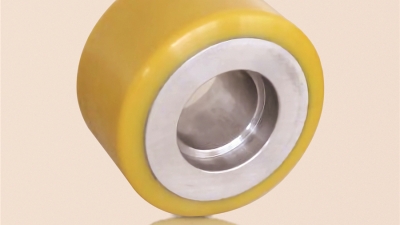
When it comes to enhancing the performance of your Raymond forklift, selecting the right polyurethane wheels is crucial for maximizing efficiency in your operations. Polyurethane wheels offer advantages such as greater durability, reduced floor damage, and improved load handling capabilities. This guide will help you navigate the options available to find the perfect match for your specific forklift model.
Raymond forklifts, including popular models like the 8210, 7310, and 8410, are designed to operate effectively in various environments. By upgrading to polyurethane wheels, you can significantly improve the maneuverability and stability of your forklift. Models like the 7500 and 9600 particularly benefit from the enhanced grip that PU wheels provide, making them ideal for both indoor and outdoor use. Additionally, the 4250 and 8900 models can achieve better load distribution, leading to more efficient operations.
Choosing the appropriate polyurethane wheels for your forklift also depends on your specific needs, such as load capacity and travel surface. For instance, models like the 7700 and 5500 require wheels that can withstand heavy-duty applications, while the 7300 and 7000 benefit from the smooth ride that PU wheels offer on uneven surfaces. Investing in the right wheels not only leads to smoother operations but also extends the lifespan of your forklift.