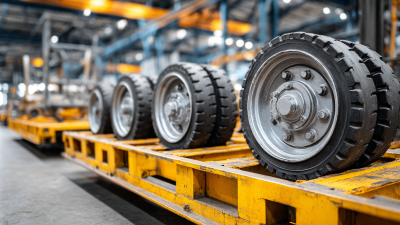
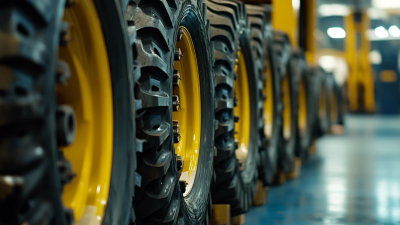
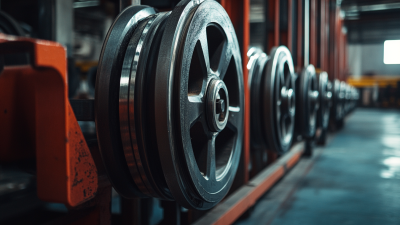
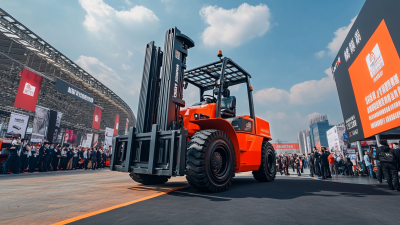
When you're trying to make your operations run smoothly and safely, choosing the right type of Solid Forklift Wheels is super important—especially if your business depends on material handling gear. Solid forklift wheels are built to be tough, stable, and to give a smooth ride, even when they're hauling heavy loads all the time. That’s why they’re pretty much a must-have, whether you're working indoors or outside. But here’s the thing—since there are so many different kinds of solid forklift wheels out there, it can get pretty confusing figuring out which one is actually the right fit for what your business needs.
In this chat, we'll take a closer look at the different types of solid forklift wheels — talking about what features they have, what benefits they bring, and the kind of jobs they’re best suited for. From hard rubber to polyurethane, each material has its own perks that can boost your forklift’s performance, cut down on downtime, and save you money in repairs. The trick is to think about your specific operations: the weight your forklifts need to carry, the kind of floors you’re working with, and other factors. That way, you can pick the most suitable wheels and keep your work running smoothly. So, stick with us as we break down what really matters when choosing the best solid forklift wheels for your business — it’s all about making smarter choices for better results.
Types of Solid Forklift Wheels and Their Characteristics
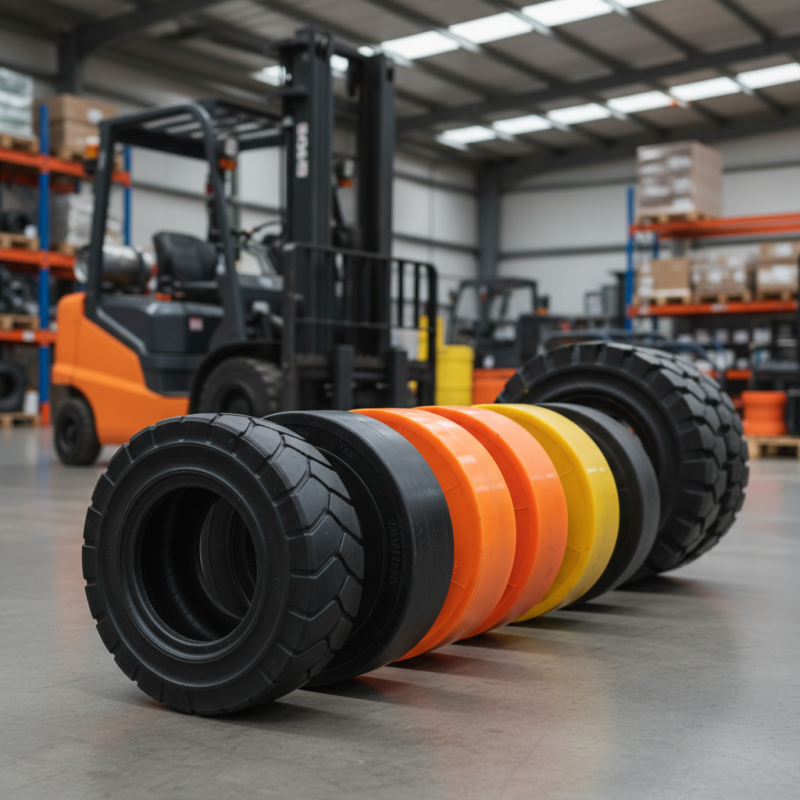
When selecting the best solid forklift wheels for your business, it's essential to understand the different types available and their unique characteristics. Solid forklift wheels are typically categorized into three main types: rubber, polyurethane, and plastic. Rubber wheels are favored for their shock absorption capabilities, making them ideal for uneven surfaces. They provide excellent traction and are less likely to mark floors, which is particularly beneficial in environments such as retail or food services. On the other hand, polyurethane wheels offer enhanced durability and resistance to abrasions, making them suitable for high-capacity loading and environments with heavy wear, such as warehouses and manufacturing facilities.
Plastic wheels, while generally lighter, are best used in applications where weight savings or lower costs are critical. However, they may not provide the same level of performance in terms of traction or impact resistance as rubber or polyurethane options. According to industry reports, around 30% of businesses prioritize wheel material based on load capacity, indicating the importance of choosing the right type to match operational demands.
**Tips:** When evaluating solid forklift wheels, consider factors such as the type of surface your forklifts will operate on, the load weights, and the potential for wear and tear. Additionally, always assess the environment for any specific needs, such as temperature resistance or exposure to chemicals. Choosing the right wheels can lead to improved efficiency and longevity of your equipment, ultimately resulting in significant cost savings.
Factors to Consider When Choosing Solid Forklift Wheels
When selecting solid forklift wheels for your business, several critical factors must be considered to ensure optimal performance and safety. One important aspect is the material composition of the wheels. Generally, solid rubber and polyurethane wheels are widely used due to their durability and resistance to wear. According to the Material Handling Industry of America, Solid Rubber Wheels are particularly effective in damp or wet environments, offering superior traction and reducing the risk of slip-related accidents.
Another significant factor is the load capacity of the wheels. Different materials and designs can significantly influence how much weight a wheel can support without compromising safety or performance. The Industrial Truck Association reports that choosing the appropriate wheel capacity is vital, especially for businesses handling heavy loads. Overloading wheels can lead to premature wear or failure, which can result in costly downtime and safety hazards.
Finally, the surface type of the environment where the forklift will be used plays a vital role in wheel selection. For instance, wheels designed for smooth surfaces differ from those intended for rugged terrains. According to a study conducted by the Forklift Truck Association, using the correct wheel type in line with the operating surface can enhance efficiency by up to 20%. By carefully assessing these factors, businesses can make informed decisions that align with their operational needs and safety standards.
Advantages of Solid Forklift Wheels Over Pneumatic Wheels
Solid forklift wheels offer several advantages over their pneumatic counterparts, making them an ideal choice for a variety of business needs. One of the primary benefits is their durability. Solid wheels are made from materials that can withstand heavy loads and challenging environments without the risk of punctures or air loss. This inherent strength reduces the likelihood of downtime due to maintenance or repairs, allowing businesses to operate more efficiently.
Additionally, solid forklift wheels provide consistent performance on both smooth and rough surfaces. Unlike pneumatic wheels, which can absorb shock and provide a softer ride, solid wheels maintain stability and traction, especially in environments where precision is crucial. This stability can lead to improved maneuverability and safety, as operators can maintain better control over their forklifts. Furthermore, solid wheels are often designed to handle a wider range of temperatures and conditions, making them a versatile choice for warehouses, factories, and outdoor operations.
However, it's important to consider the trade-offs, such as a potentially harsher ride on uneven surfaces. Yet, for many businesses, the reliability and lower maintenance costs associated with solid forklift wheels make them a preferable option, ultimately enhancing productivity and operational efficiency.
Common Materials Used in Solid Forklift Wheel Manufacturing
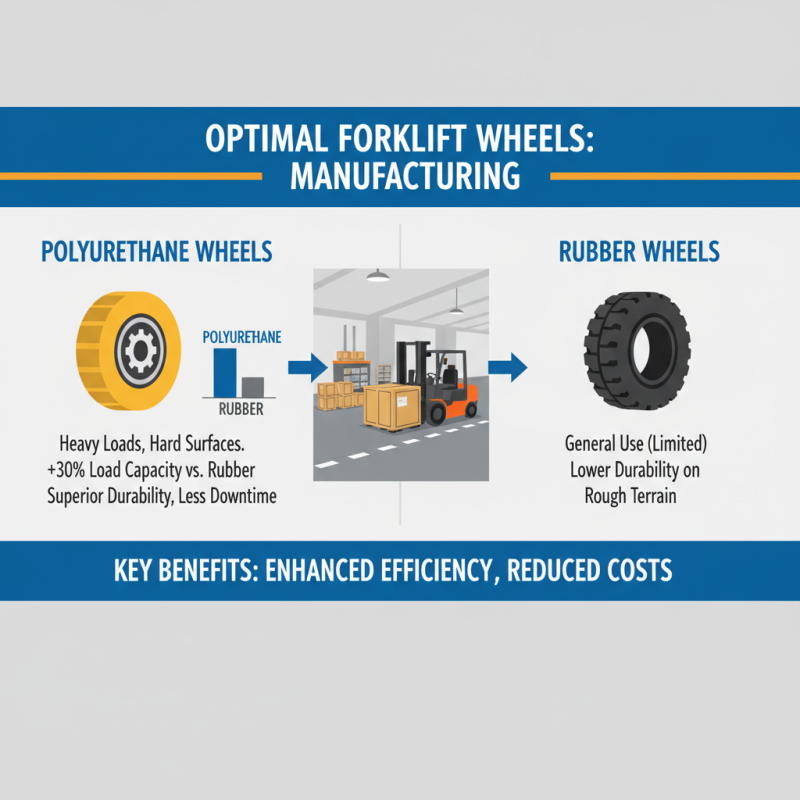
When selecting solid forklift wheels, understanding the common materials used in their manufacturing is crucial to meet your business requirements effectively. Solid forklift wheels are typically made from materials such as polyurethane, rubber, and various grades of plastic. Each material serves distinct purposes and offers unique advantages that can influence performance based on the operational environment and load capacity.
Polyurethane wheels are popular for their durability and superior wear resistance, making them ideal for use on uneven surfaces and in high-traffic areas. They offer excellent shock absorption and are suitable for indoor and outdoor use. Rubber wheels, on the other hand, provide excellent traction and a quieter ride, making them more appropriate for environments where noise reduction is a priority. Lastly, plastic wheels are lightweight and corrosion-resistant, making them a versatile choice for specific applications, particularly in wet or chemically aggressive environments.
Choosing the right wheel material depends on factors such as load weight, surface conditions, and the desired balance between durability and ride comfort. By understanding the properties of these common materials, businesses can make informed decisions to optimize their forklift operations and enhance overall efficiency.
Solid Forklift Wheels Material Comparison
Impact of Wheel Size on Forklift Performance and Stability
When selecting solid forklift wheels for business operations, the size of the wheels plays a significant role in determining the equipment's performance and stability. According to the "Forklift Wheel Specifications Report 2022" released by the Industrial Vehicle Association, larger wheels typically provide better stability on uneven surfaces, which are common in industrial environments. A study conducted by the American National Standards Institute (ANSI) found that forklifts with larger wheel diameters had a 30% improvement in load-carrying capacity and stability compared to models with smaller wheels. This translates into enhanced safety and efficiency in material handling tasks, especially in warehouse settings with varying floor conditions.
Moreover, the impact of wheel size extends beyond stability; it also affects maneuverability and speed. The same ANSI report indicated that larger wheels can minimize rolling resistance, allowing for smoother movement and quicker speeds on flat surfaces. Conversely, smaller wheels may offer improved turning capabilities in tight spaces. However, this can often compromise stability under heavy loads. Therefore, businesses must carefully consider their operational needs when choosing wheel sizes. Adapting wheel size to match specific usage scenarios not only enhances forklift performance but also reduces wear and tear, ultimately leading to lower maintenance costs and improved overall productivity.
Maintenance Tips for Solid Forklift Wheels
Maintaining solid forklift wheels is crucial for ensuring operational efficiency and longevity. Regular inspections should be conducted to check for signs of wear and tear, such as cracks, flat spots, or uneven surfaces. It’s important to address these issues promptly to prevent further damage and ensure safety during operations. Additionally, keeping the wheels clean from debris and buildup can enhance their performance and prevent potential malfunctions.
Proper lubrication is another essential aspect of maintaining solid forklift wheels. Ensure that the wheel bearings are adequately lubricated to reduce friction and heat, which can lead to premature wear. Checking and maintaining the proper tire pressure can also contribute to optimal performance, as under-inflated wheels can cause instability and increased wear. By following these maintenance tips, businesses can improve the lifespan of their solid forklift wheels and enhance overall productivity in their operations.
Application-Specific Recommendations for Solid Forklift Wheels
When selecting solid forklift wheels for specific business applications, understanding the unique operational demands of different environments is crucial. For instance, in manufacturing settings where heavy loads are common, polyurethanes are often recommended due to their excellent load-carrying capacity and reduced rolling resistance. According to industry reports, solid polyurethane wheels can support up to 30% more weight than rubber alternatives and offer exceptional durability, making them ideal for continuous operation on hard surfaces. This durability translates into reduced downtime and lower maintenance costs, which can significantly impact the bottom line.
On the other hand, if your operations are conducted in environments with extreme temperatures or where chemical exposure is a concern, selecting wheels made from specialized compounds is essential. Reports indicate that wheels made from high-performance materials can withstand temperatures ranging from -40°F to 180°F, while also offering resistance to various chemicals and oils. This adaptability makes them suitable for warehouses and facilities that handle diverse materials and face frequent temperature fluctuations. The right wheel selection not only enhances operational efficiency but also ensures safety and performance longevity in demanding industrial applications.
Enhancing Bt Forklift Performance: The Advantages of Polyurethane Wheels
Polyurethane (PU) wheels have become a game changer in enhancing the performance of BT forklifts, offering significant advantages over traditional rubber wheels. The durability and resilience of PU wheels allow them to withstand heavy loads and rough surfaces, making them an ideal choice for various industrial applications. According to industry reports, forklifts equipped with PU wheels can experience an increase in operating efficiency by up to 15%, attributed to reduced rolling resistance and improved load handling capabilities.
Models such as the RRE160, RRE180, and RRE200, as well as the BT Staxio series, including Staxio 1.4, 1.6, 2.0, and 2.5, particularly benefit from these wheels. The polyurethane material not only enhances traction but also extends the lifespan of both the wheels and the forklift itself. This is supported by findings from technical studies indicating that PU wheels can last two to three times longer than their rubber counterparts, thereby reducing downtime and maintenance costs significantly.
Additionally, the lighter weight of PU wheels contributes to better energy efficiency during operation, which is critical for electric forklifts. By minimizing energy consumption, businesses can realize lower operating costs. The BT VCE series, including models like VCE 160 and VCE 200, exemplifies this efficiency, showcasing how advanced wheel technology can lead to enhanced productivity in warehouse and logistic settings. The shift to polyurethane wheels is not just a trend; it is an evolution in forklift performance that resonates with the increasing demands of modern industry.
FAQS
: The main types of solid forklift wheels are rubber, polyurethane, and plastic. Each type has unique characteristics suitable for different operational needs.
Rubber wheels are known for their shock absorption capabilities, making them ideal for uneven surfaces. They provide excellent traction and are less likely to damage floors, making them suitable for environments like retail or food services.
Polyurethane wheels offer enhanced durability and abrasion resistance, making them well-suited for high-capacity loading and environments that experience heavy wear, such as warehouses and manufacturing facilities.
Plastic wheels are best for applications where weight savings or lower costs are critical. However, they may not perform as well in terms of traction or impact resistance compared to rubber or polyurethane wheels.
Regular inspections for wear and tear, keeping wheels clean from debris, proper lubrication of wheel bearings, and maintaining appropriate tire pressure are essential for prolonging the life of solid forklift wheels.
Solid forklift wheels are more durable, offer consistent performance on rough surfaces, reduce maintenance downtime, and can handle a wider range of temperatures and conditions compared to pneumatic wheels.
Yes, choosing the right solid forklift wheels can improve equipment longevity, reduce maintenance costs, and enhance overall productivity in operations, leading to significant cost savings.
Regular inspections should be conducted to check for any signs of wear, such as cracks or flat spots, and these issues should be addressed promptly to ensure safety and performance.
Factors to consider include the surface type your forklifts will operate on, load weights, potential wear and tear, temperature resistance, and exposure to chemicals in the operating environment.
Yes, solid forklift wheels are often designed to withstand various conditions, making them a versatile choice for both indoor and outdoor operations.
Conclusion
In the article "What is the Best Type of Solid Forklift Wheels for Your Business Needs," the focus is on selecting the right Solid Forklift Wheels tailored to specific operational requirements. The article outlines various types of solid wheels and their characteristics, emphasizing factors that influence the selection process, such as wheel size, material composition, and performance stability.
Additionally, it highlights the advantages of solid wheels over pneumatic options, such as durability and reduced maintenance needs. Common manufacturing materials and their respective benefits are discussed, along with practical tips for maintaining the wheels to ensure optimal performance. Finally, the article provides application-specific recommendations, helping businesses choose the most suitable Solid Forklift Wheels for their unique environments.