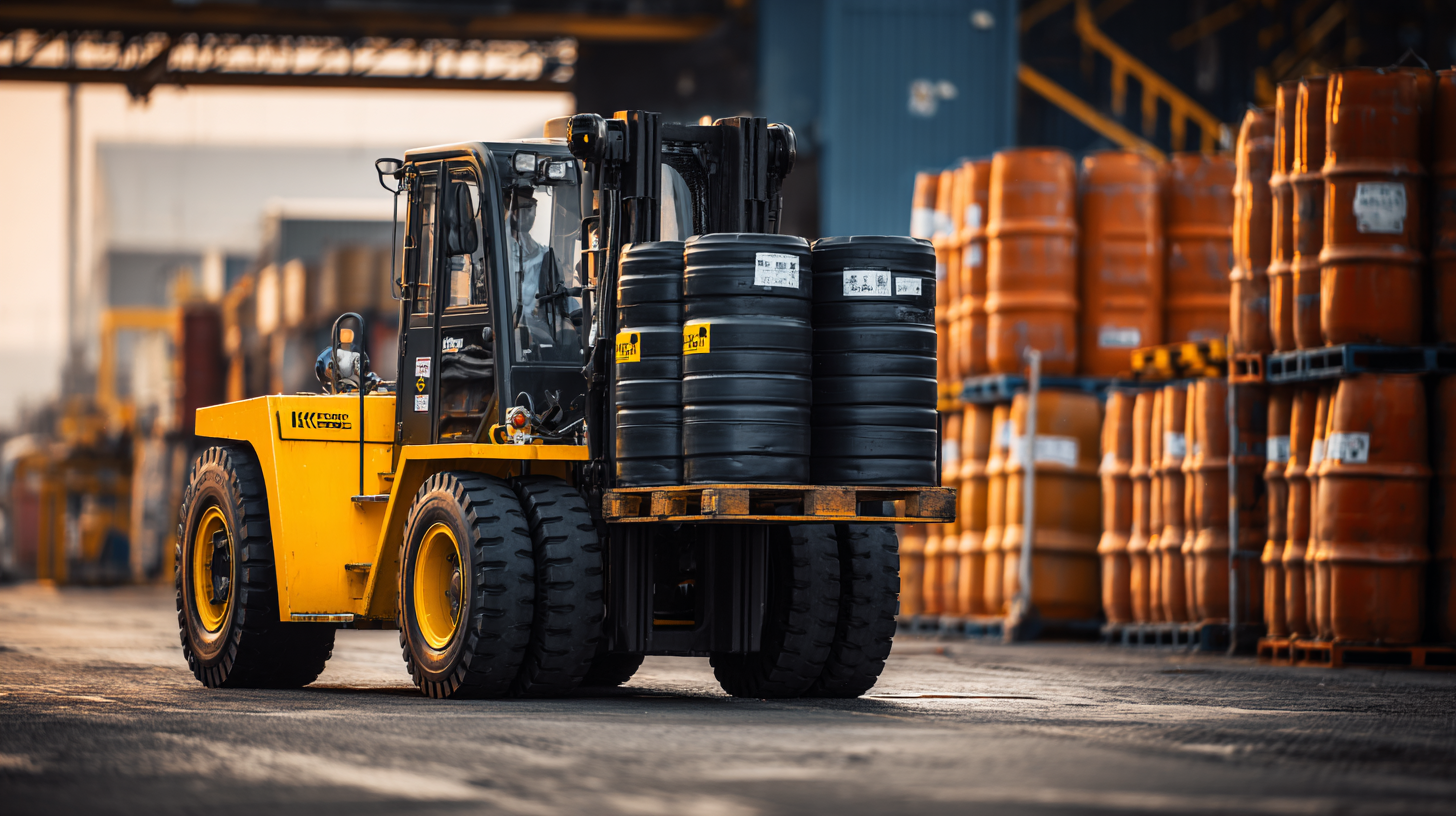
When it comes to handling materials, choosing the right Chemical Industry Forklift Tires is super important if you wanna keep things running smoothly and safely. Lately, industry reports show that the global forklift tire market is really picking up steam, mainly because sectors like logistics, manufacturing, and chemical processing are demanding more tires than ever.
Here at Yantai WonRay Rubber Tyre Co., Ltd., we’re all about putting “quality first, customer first, and innovation first,” and that means businesses really need to focus on quality when it comes to their tires. Picking the right tires isn’t just about convenience — it actually boosts performance and helps avoid those pesky downtime moments.
With so many options out there, understanding things like what the tires are made of, how much weight they can handle, and environmental factors can help companies make smarter choices. Following the best practices in choosing Chemical Industry Forklift Tires isn’t just about getting the job done; it also shows our commitment—like what we stand for at Yantai WonRay—to providing top-notch products that meet our customers’ needs and keep them coming back.
Importance of Selecting the Right Forklift Tires for Chemical Industry
When you're working in the chemical industry, picking the right forklift tires really matters for keeping things safe and running smoothly. The proper tires not only perform well but also give you the traction and stability you need — especially since the environment can be pretty risky at times. You know, spills and leaks happen more often than you'd like, making surfaces super slippery and raising the chances of accidents. That's why going for tires made specifically for chemical settings can make a big difference, helping to lower those risks and keep everyone safer.
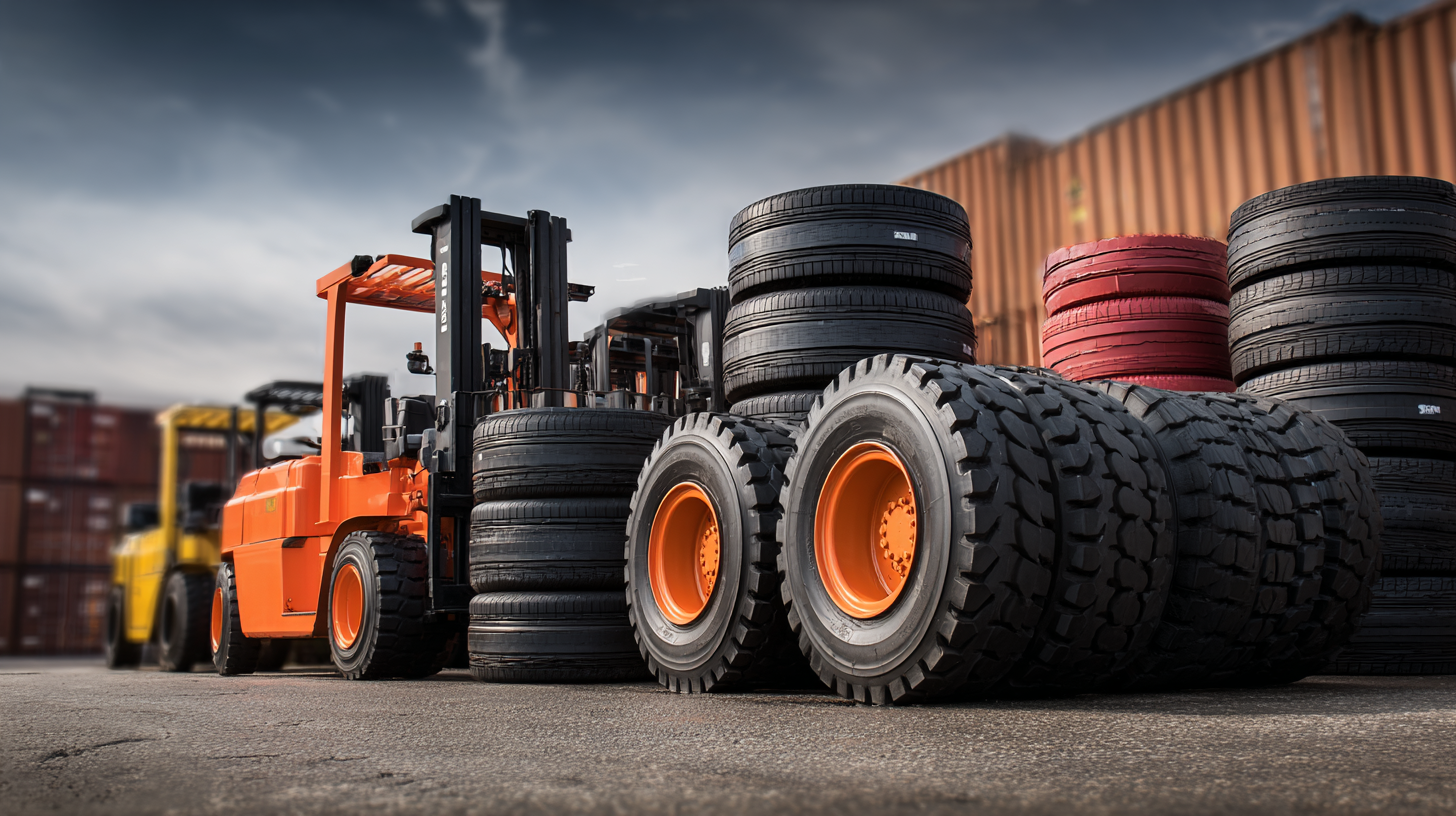
On top of that, the durability of forklift tires is a big deal here. Chemicals can eat away at normal tires pretty quickly, leading to faster wear and, worst case, tire blowouts. So, investing in tires designed to handle harsh chemicals and extreme conditions is a smart move — it can cut down on downtime and save some serious bucks on maintenance. Plus, using the right tires helps with better load management and keeps things running efficiently, so your team stays productive without skipping safety steps. Overall, making this kind of careful choice not only makes the workplace safer but also helps your equipment last longer, which is a win-win all around.
Common Issues Faced with Inappropriate Forklift Tire Types
Picking the right forklift tires is super important when it comes to keeping things safe and running smoothly in the chemical industry. Using the wrong type of tires can cause a bunch of problems—like slipping, wearing out faster than they should, or even leading to accidents. That’s why it’s so crucial to choose tires that aren’t just suited for your specific operations but also stick to safety regulations.
Here’s a handy tip: take a close look at what kind of loads your forklift will be handling and the surfaces it’ll mostly work on. For instance, solid tires tend to be better indoors on smooth floors, while pneumatic tires usually give better grip outdoors or on rough terrain. Also, don’t forget to think about chemical exposure—some tires are more resistant and will last longer in those harsh conditions.
At Yantai WonRay Rubber Tyre Co., Ltd., we’re all about quality first. We make sure our tires meet the highest standards for durability and performance, especially in the chemical field. Investing in the right tires from the get-go can save you a lot of headaches later—less downtime, fewer repairs, and all that good stuff. Stay smart with your choice, and your operations will stay smooth sailing.
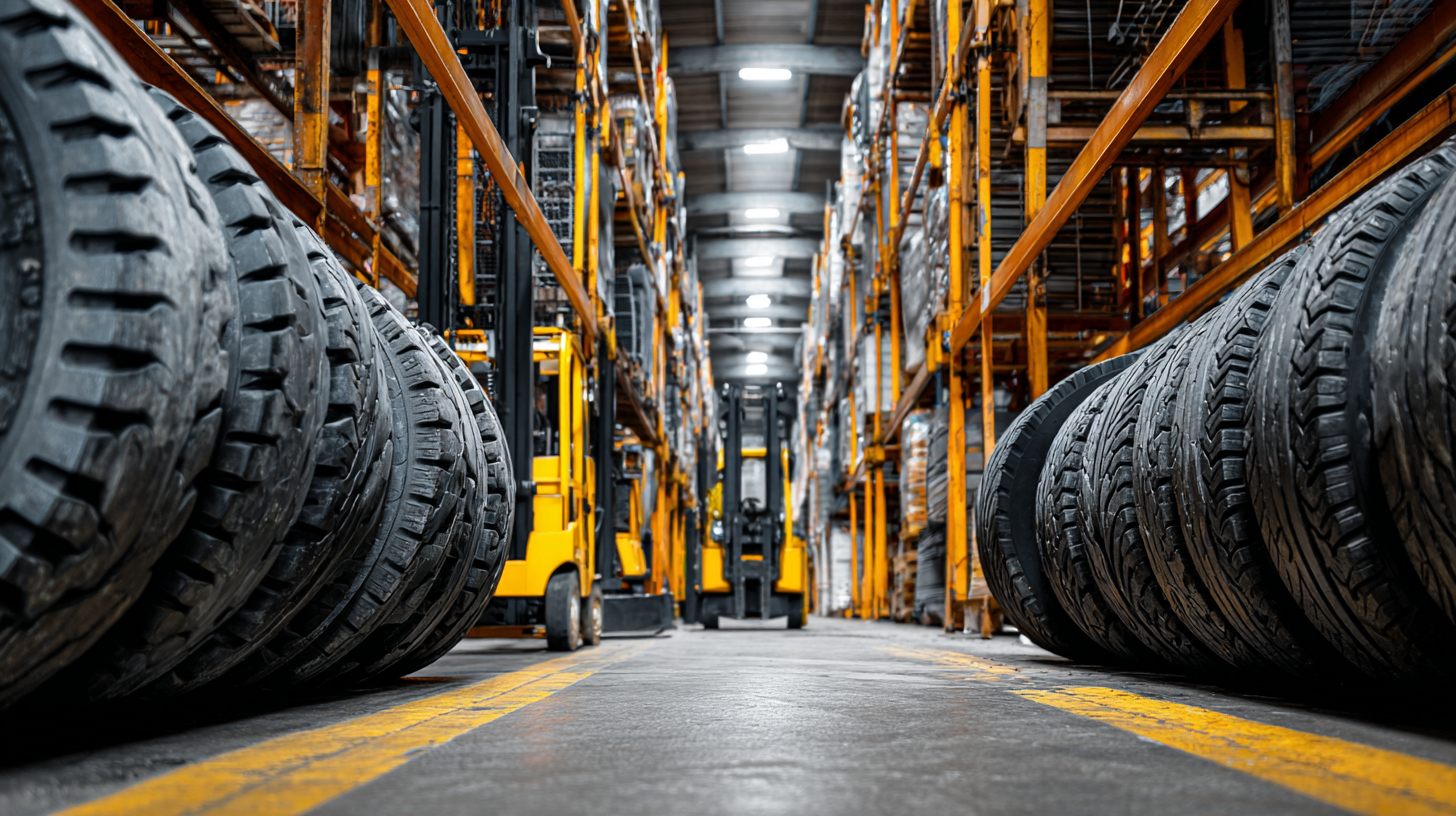
Key Factors to Consider When Choosing Forklift Tires for Chemical Applications
When you're picking out forklift tires for work in chemical environments, there are a few key things you really want to keep in mind to make sure everything stays safe and runs smoothly. First off, the material of the tire is a big deal. Solid tires, which come in different compounds, tend to be pretty popular because they’re resistant to punctures and last a long time — especially in places where chemicals are involved. You gotta choose a tire that can handle those harsh chemical conditions without giving up on support and stability for your forklift operations.
On top of that, it’s super helpful to think about what kind of forklift you’re working with and what you’ll be using it for. Different forklifts might need different tire styles—like non-marking tires if you’re trying to keep the floors looking pristine and free of scuffs. The market offers a bunch of options, from cured-on to pressed-on tires, each suited for different weights and job demands. Paying attention to these little details not only helps your tires last longer but also makes sure your forklift performs its best in those tricky chemical environments. Trust me, a little research here can go a long way!
Forklift Tire Performance Factors in Chemical Applications
Understanding Different Tire Materials and Their Impact on Chemical Resistance
When you're choosing forklift tires for the chemical industry, it’s pretty important to really understand the different tire materials and how resistant they are to chemicals. I mean, materials like rubber, polyurethane, and solid tires each come with their own pros and cons, especially when they get exposed to various chemicals. From what I’ve read—like in a couple of industry reports—it turns out polyurethane tires tend to handle oils and solvents better than your typical rubber tires. But, on the flip side, they might not do so great in super hot or cold temperatures. So, basically, every company really needs to think about their specific work environment before picking the right tire material.
At Yantai WonRay Rubber Tyre Co., Ltd., we’re all about quality and making sure our customers are happy. We put a lot of effort into developing tire solutions that are tailored for the chemical industry. Thanks to our advanced manufacturing techniques, we can create tires that stand up to harsh chemicals while still giving good traction and stability. It’s super important for businesses to realize that splurging on high-quality, chemical-resistant tires can seriously boost safety and make operations smoother. Lots of market reports show that companies who choose wisely often see fewer tire-related problems and spend less on maintenance overall, which is a huge plus for their profits and daily operations.
Maintenance Tips for Prolonging the Life of Forklift Tires in Harsh Environments
In the chemical industry, taking good care of forklift tires in tough environments is really important if you want them to last longer. Doing the right maintenance can make a huge difference in reducing wear and tear, helping the equipment perform well even under the harshest conditions. Regular check-ups are a must—they catch any damage or signs of excessive wear early on, so you can replace tires before they cause big problems. It’s been shown that staying on top of maintenance can actually extend tire life by up to 30%, which means big savings for businesses in the long run.
And honestly, keeping tires properly inflated is super important, too. The folks at the American National Standards Institute recommend sticking to the right pressure levels—neither too high nor too low. Overinflated or underinflated tires tend to wear out unevenly and can even be unsafe, which isn’t exactly what you want when your operation is already demanding. By following these simple practices, companies can make sure their forklift tires stand up to the tough conditions in the chemical industry—kind of like how top battery brands optimize their products to perform well in tough environments. Don’t forget about regular tread cleaning and watching out for debris—little things that can really make a difference in keeping everything running smoothly and safely.
Evaluating Cost vs. Performance: Making Informed Tire Choices for Efficiency
When you're picking forklift tires for the chemical industry, finding that sweet spot between cost and performance is really important. You want to make sure your operations keep running smoothly without breaking the bank. A good rule of thumb is to pay attention to the material the tires are made from. Go for tires crafted from tough, resilient compounds—they're better at handling harsh chemical environments, which means fewer replacements and less maintenance fuss down the line.
Another thing to think about is the tread pattern. Depending on what you’re dealing with day-to-day, different treads can make a big difference in traction and stability. For example, if you’re often working on slick surfaces, deep-tread tires can give you that extra grip you need. Yeah, these might cost a bit more upfront, but in the long run, the improved safety and efficiency usually make it worth it.
And don’t forget—before you settle on anything, it’s worth checking out what others are saying. Looking at tire ratings and reviews can give you a real good idea of how different options perform in conditions similar to yours. Doing a little homework like this helps you make a smarter choice, balancing what you need with your budget, so you get the best bang for your buck while keeping everything running smoothly.
Maximize Efficiency and Stability: The Advantages of Solid Tires for Lifting Platforms
Maximize Efficiency and Stability: The Advantages of Solid Tires for Lifting Platforms
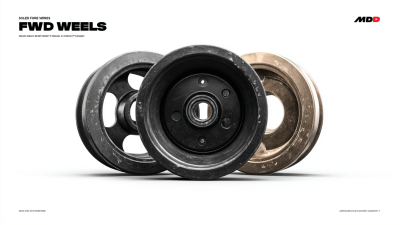
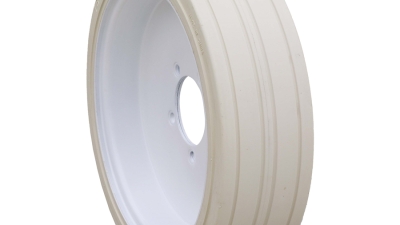
When it comes to lifting platforms, the choice of tires can significantly impact operational efficiency and stability. Solid tires, particularly our range including models R706 to R717, offer distinct advantages that enhance performance in various work environments. These tires are crafted from high-purity natural rubber, ensuring durability and resilience while being environmentally benign. Their non-marking feature means they won’t leave unsightly marks on floors, making them ideal for sensitive surfaces and high-traffic areas.
Moreover, our lifting platform tires meet strict international standards, including compliance with EU REACH regulations. This commitment to safety and environmental responsibility is verified by national certified testing institutions. The advanced manufacturing techniques and rigorous quality control processes we employ ensure that our tires not only provide a smooth and stable ride but also excel in performance during both operation and braking. With such benefits, it's clear that investing in solid tires is a smart choice for those seeking to maximize the efficiency and stability of their lifting platforms.
FAQS
: The right forklift tires are crucial for maintaining safety and efficiency, providing necessary traction and stability in hazardous environments, and reducing the risk of accidents due to slippery surfaces from chemical spills.
Chemicals can degrade standard tires, leading to faster wear and potential tire failure. Selecting tires specifically engineered to withstand harsh chemicals minimizes these risks and maintenance costs.
Solid tires made from various compounds are recommended due to their puncture resistance and longevity, which are essential in chemical environments.
Different forklifts require specific tire designs based on their usage, such as non-marking tires to protect pristine workspaces and various tire options that cater to different load capacities.
Regular inspections, maintaining proper tire inflation, and cleaning the tread to remove debris are essential practices to reduce wear and extend tire lifespan.
Proactive maintenance can extend tire life by as much as 30%, resulting in significant cost savings for businesses due to reduced replacements and downtime.
Forklift tires should be maintained within a specific pressure range recommended by the American National Standards Institute to avoid excessive wear and safety issues.
Debris can cause adverse effects on tire performance; thus, regular monitoring and cleaning are important for effective tire care.
Investing in the right tires enhances safety, optimizes equipment longevity, and contributes to better load management and operational efficiency.
Proper tire maintenance ensures that forklifts operate efficiently under demanding conditions, thereby enhancing overall productivity and safety in the chemical industry.
Conclusion
Picking the right forklift tires for the chemical industry isn’t just a tiny detail — it’s pretty much crucial for keeping things safe, running smoothly, and making sure those tires last as long as possible. Honestly, choosing the wrong tires can cause all sorts of headaches, like slipping, faster wear and tear, or even unexpected downtime that messes up your whole day. When you're choosing tires, it’s good to think about what they’re made of, how the tread is designed, and if they’re compatible with the specific chemicals you’re dealing with. Getting a handle on these things really helps you make smarter decisions — balancing performance with the budget, ya know?
At Yantai WonRay Rubber Tyre Co., Ltd., we get how important quality is — and we’re all about putting our customers first. We focus on creating innovative tires that are built tough enough to handle harsh chemical environments. Plus, a bit of regular maintenance goes a long way in helping those tires last longer, saving you money and keeping your operations running like a well-oiled machine. Trust us, small steps can make a big difference in chemical handling efficiency.