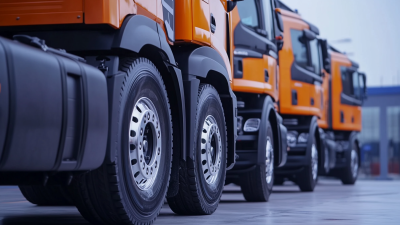
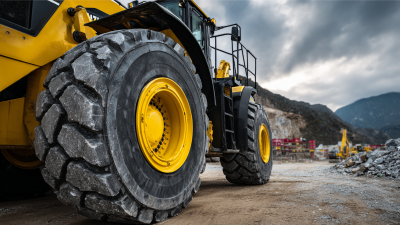
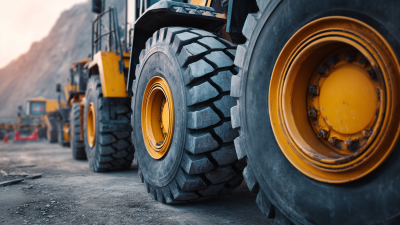
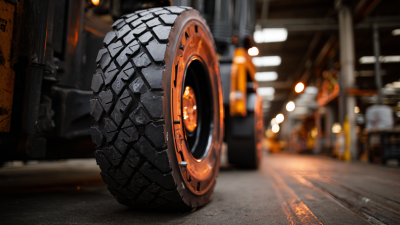
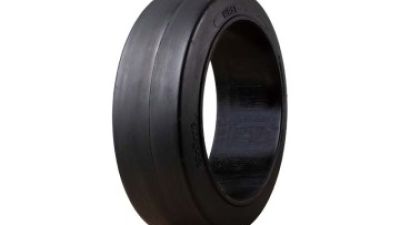
In the tough world of steel production, picking the right equipment really matters. For instance, Steel Mill Loader Solid Tires are super important when it comes to keeping things running smoothly and safely. John Smith from TireTech Solutions, an industry expert, points out, "Choosing the right solid tire can really make a huge difference in how long your loader lasts."
Figuring out which Steel Mill Loader Solid Tires to go for isn't just about grabbing whatever’s available. You’ve got to think about whether they can handle the extreme temperatures and hefty loads they face every day. These tires are built to be tough, gripping well on rough surfaces and standing up to the demands of heavy-duty work. But here's the thing — not all tires are created equal. Some companies overlook how crucial quality is, and that often leads to costly downtime and unexpected expenses.
Every steel mill has its own quirks and needs. So, it’s pretty important to check out your specific working conditions before making a decision. Looking back on previous experiences, it’s easy to see that skimping on tire quality can cost you a lot more in the long run. Investing in high-quality Steel Mill Loader Solid Tires might seem like a bigger expense upfront, but it’s really a smart move to keep things productive and avoid headaches down the line.
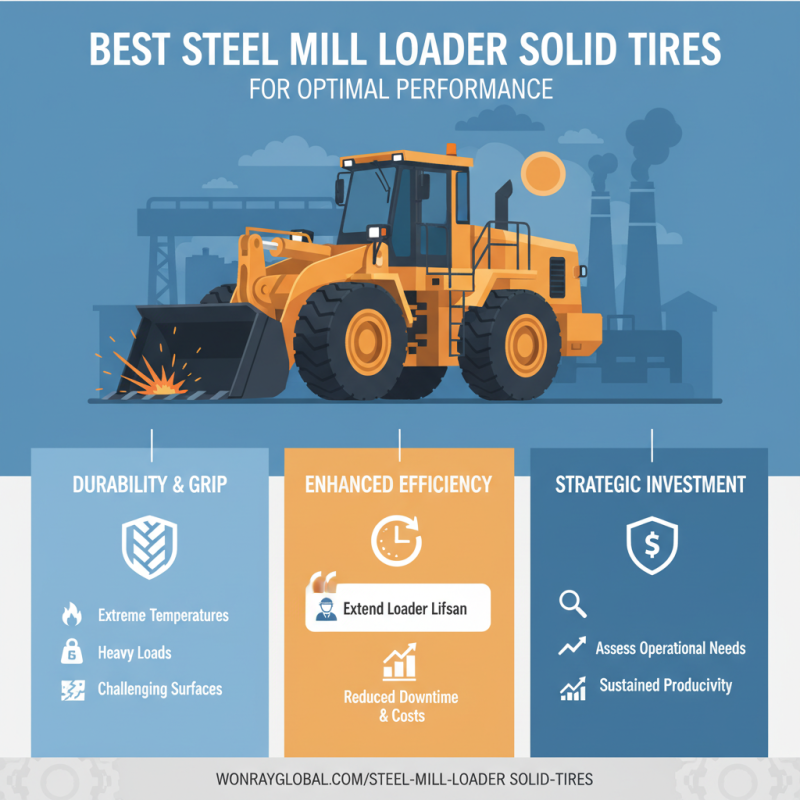
Best Steel Mill Loader Solid Tires for Optimal Performance
When selecting solid tires for steel mill loaders, it's crucial to focus on performance. Optimal performance relies heavily on the right tire choice. Data from industry reports confirms that tire failure can increase operational costs by over 25%. This highlights the need for durable options like Heat-Resistant Steel Mill Tires. These tires withstand extreme temperatures and heavy loads, ensuring longer service life and efficiency.
Maintaining tire performance is not just about selection. Regular inspections can identify wear and tear early. Check for punctures, cracks, and uneven wear. Such issues can lead to unexpected failures, costing both time and money. Remember, most operations overlook these simple checks.
Tips: Rotate your tires every few months. This practice can extend their lifespan significantly. Additionally, ensure proper inflation levels. Under-inflated tires may increase rolling resistance, affecting the loader's performance. Always consult with a professional to assess your specific needs.
Understanding the Importance of Solid Tires in Steel Mill Operations
In steel mill operations, solid tires are crucial. They provide stability and durability for loaders. Puncture-Proof Steel Mill Tires stand out as a popular choice. These tires reduce downtime caused by punctures. They are built to withstand harsh conditions, including heavy loads and sharp debris.
Understanding the importance of solid tires can improve safety. Operators face risks from blowouts or tire failures. Solid tires ensure that machinery runs smoothly. Their construction offers better traction and support on uneven surfaces. However, maintenance is essential. Tires can wear down, becoming less effective over time.
Choosing the right tire is not always straightforward. There are many options, and not all fit every operation. Some steel mills may overlook the value of quality. The result can be costly repairs or accidents. Evaluating the specific needs of the operation is vital.Investing wisely in Puncture-Proof Steel Mill Tires pays off in performance and safety.
Key Features of High-Performance Steel Mill Loader Solid Tires
When it comes to steel mill operations, tire selection is crucial for loader performance. High-performance solid tires play a vital role in enhancing efficiency. According to industry reports, load capacities can exceed 25,000 pounds on solid tires, providing stability and strength for heavy machinery in harsh environments.
One key feature of these tires is durability. Solid tires are designed to withstand extreme temperatures and punctures, extending their lifespan significantly. Inspections reveal that solid tires can last up to three times longer than traditional pneumatic tires. However, not all solid tires offer the same level of performance. Some lack adequate tread patterns, impacting traction on uneven surfaces.
Another important factor is heat dissipation. In a steel mill, machinery operates in high-temperature settings. Solid tires with advanced heat-resistant compounds ensure optimal performance without risking tire failure. A 2022 study highlighted that improper tire choice can lead to 15% productivity loss due to increased downtime. Choosing the right tire is essential for maintaining efficiency and safety in demanding steel mill environments.
Comparative Analysis: Solid Tires vs. Air-Filled Tires for Loaders
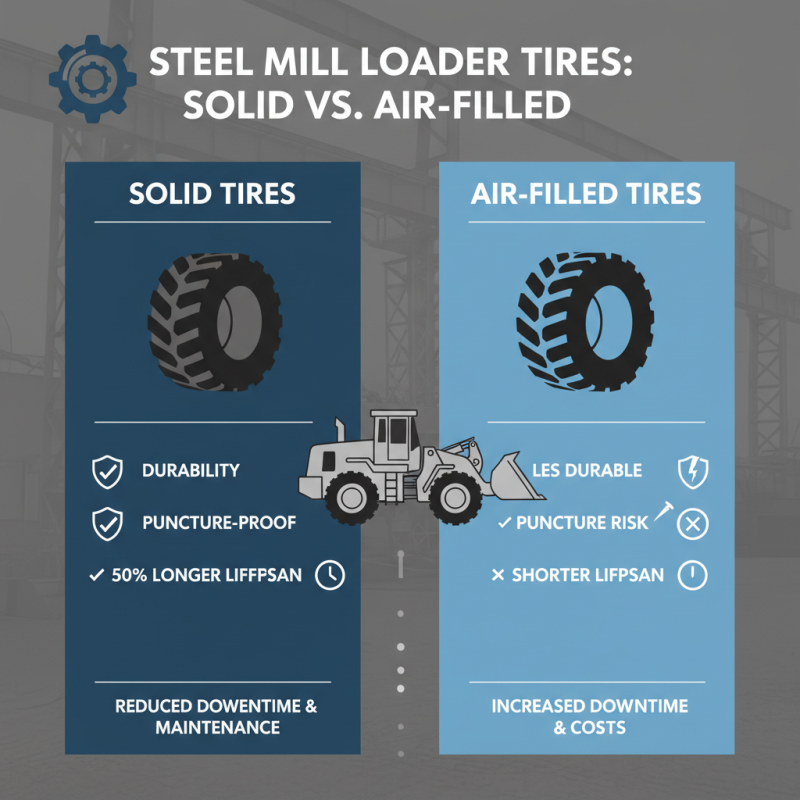
In the steel mill industry, the choice of loader tires significantly affects performance. A comparative analysis reveals key differences between solid tires and air-filled tires. Solid tires provide better durability. They withstand heavy loads without puncturing. According to industry reports, solid tires can last up to 50% longer than air-filled alternatives. This extended lifespan can result in reduced downtime and maintenance costs.
On the other hand, air-filled tires offer a smoother ride. They absorb shocks more effectively. However, they are prone to leaks and punctures. A recent study indicated that air-filled tires had a 30% higher failure rate in harsh environments. This raises questions about reliability in demanding applications.
Another aspect to consider is traction. Solid tires typically have superior grip on rough surfaces. Their design ensures consistent performance, even in slippery conditions. In contrast, air-filled tires may struggle under the same circumstances. Such inconsistencies can lead to safety concerns in high-stakes environments. It’s clear that companies must weigh the benefits and drawbacks of each option carefully.
Top Brands and Models of Solid Tires for Steel Mill Loaders
When it comes to operating steel mill loaders, the choice of solid tires greatly affects performance. Solid tires are designed to withstand the harsh conditions of steel mills. They offer durability and puncture resistance, which are crucial for heavy loads. The right tires help improve traction on slippery surfaces. They also reduce downtime caused by tire failures.
Several top brands produce solid tires suited for steel mill operations. While each brand has its strengths, many users report that specific models excel in various conditions. Some tires feature advanced tread patterns that enhance grip. Others focus on heat resistance, which is vital in environments with hot metal and heavy machinery.
However, selecting the best tire is not always straightforward. Operators might find themselves contemplating between different options. Performance can vary depending on wear, load, and the environment. It's important to assess tire life and maintenance needs regularly. Some tires may not perform well in all contexts, which can lead to unforeseen challenges. This highlights the need for careful consideration and ongoing evaluation.
Best Steel Mill Loader Solid Tires Performance Comparison
Maintenance Tips to Extend the Lifespan of Solid Tires
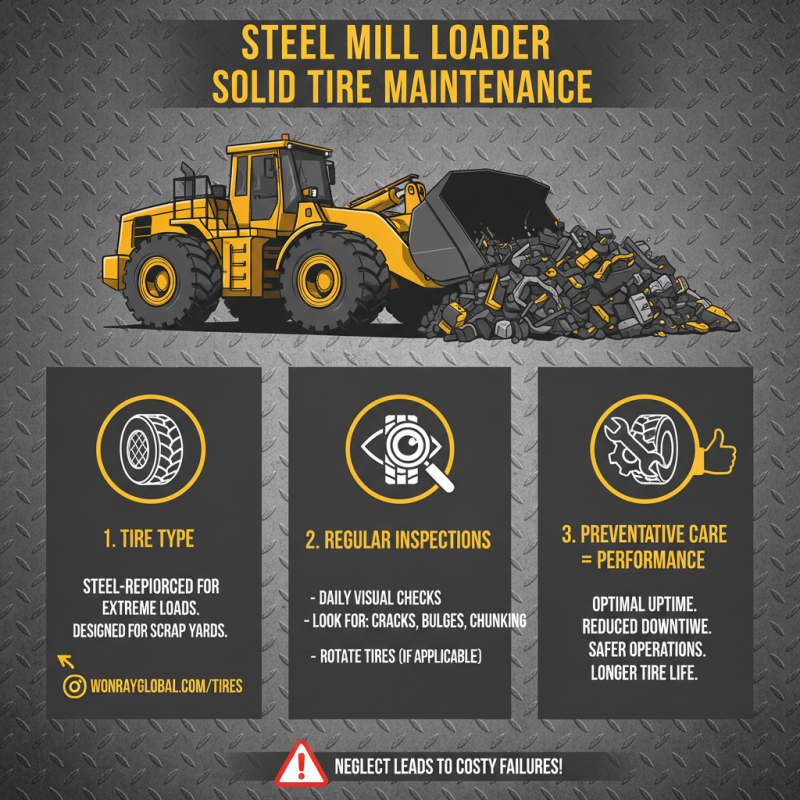
Maintaining solid tires is crucial for optimal performance in steel mill loaders. Solid tires, especially Steel-Reinforced Scrap Yard Tires, endure heavy loads. Regular inspections help identify signs of wear early. Check for cracks or bulges. Neglecting these signs can lead to more significant issues later.
Pressure checks are essential. Keep tires inflated within recommended levels. Overinflated or underinflated tires wear unevenly. This could shorten their lifespan considerably. Use a reliable gauge to monitor pressure regularly.
Remember to clean the tires too. Removing debris builds helps prevent damage. A quick wash can enhance their durability. However, using harsh chemicals is a mistake. They can degrade the tire material. Keep your maintenance routine consistent for the best longevity.
Industry Insights: Trends in Solid Tire Technology for Steel Mills
The steel industry is evolving, and solid tire technology plays a crucial role. The demand for Wheel Loader Solid Tires has increased significantly, driven by operational efficiency and safety needs. Recent reports indicate that solid tires are projected to grow at a CAGR of 5.2% from 2023 to 2030. This growth is primarily due to the durability and reduced maintenance of solid tires compared to pneumatic ones.
With steel mills pushing for higher productivity, solid tires are essential. They offer lower rolling resistance, which enhances fuel efficiency. Operators are reporting increased performance, but challenges remain. Not all solid tires are created equal. Variability in tire composition can lead to performance inconsistencies, affecting overall operation. Some tires may wear unevenly, causing unexpected downtimes.
Innovations in materials are surfacing, with many manufacturers focusing on advanced rubber compounds. These compounds improve heat resistance and extend service life. However, there is still a need for further research. The focus should be on developing tires that can withstand harsh steel mill environments while maintaining optimal performance. This balance between innovationand practicality is vital for future advancements in Wheel Loader Solid Tires.
Benefits and Innovations of Press on Solid Tires: A Comprehensive Guide to POB Solid Tires
Press on solid tires are revolutionizing the industrial vehicle sector, providing substantial benefits and innovative features that enhance performance across various applications. With thorough structural design, these tires are engineered for high load capacity while maintaining low rolling resistance. This design approach significantly improves energy efficiency, which is crucial in large-scale industrial operations where reducing operational costs is a primary concern. For instance, studies indicate that using solid tires can lead to energy savings of up to 30% when compared to traditional pneumatic options.
The advanced steel ring processing and bonding technology utilized in the production of press on solid tires contribute to their superior performance characteristics. These innovations ensure that the tires are not only durable but also exhibit impressive puncture resistance, essential for environments exposed to sharp debris and heavy wear. Reports have shown that maintenance costs in industries using solid tires can be reduced by approximately 25%, thanks to their excellent performance in harsh conditions, which minimizes the need for frequent replacements and repairs.
Additionally, the versatility of press on solid tires cannot be underestimated. They come in a broad range of specifications tailored to meet diverse load requirements and environmental conditions, making them an ideal choice for applications in anti-corrosion lines, milling machines, and various industrial vehicles. This adaptability ensures that businesses can optimize their fleets for performance and safety, further enhancing productivity in their operations. In conclusion, the integration of press on solid tires marks a significant advancement in industrial vehicle technology, driving efficiency and reducing operational challenges.
FAQS
: Regular exercise improves physical health and boosts mood. It increases energy levels and enhances mental clarity.
Set specific goals. Find a workout buddy. Change your routine often to keep things fresh and exciting.
Choose a snack that includes protein and carbs. Options include yogurt, fruit, or a smoothie to aid recovery.
Start slowly. Aim for short sessions. Gradually increase intensity and duration to prevent injury and burnout.
It happens to everyone. Reflect on your schedule, and find ways to get back on track without guilt.
Daily exercise is possible, but listen to your body. Incorporate rest days to avoid fatigue and overuse injuries.
Conclusion
In the world of steel mill operations, selecting the right equipment is crucial for optimal performance, particularly when it comes to Steel Mill Loader Solid Tires. These tires offer significant advantages over traditional air-filled options, including enhanced durability and puncture resistance, which are essential for the harsh environments of steel mills. High-performance solid tires exhibit key features such as superior traction, load capacity, and heat resistance, making them suitable for the heavy demands of loader operations.
Furthermore, understanding maintenance practices can greatly extend the lifespan of these solid tires, ensuring operational efficiency. The article also discusses industry insights and emerging trends in solid tire technology, highlighting continuous advancements that improve tire performance and safety in steel mill settings. By focusing on the benefits and maintenance of Steel Mill Loader Solid Tires, operators can make informed decisions that contribute to the overall productivity and safety of their operations.