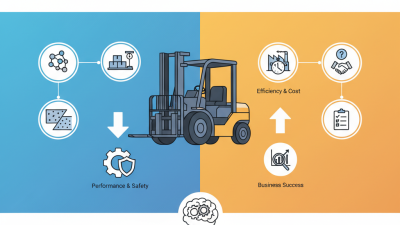
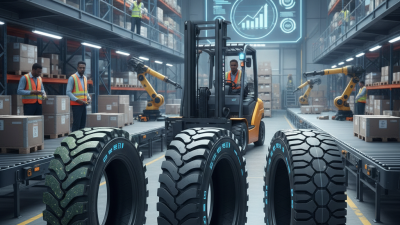
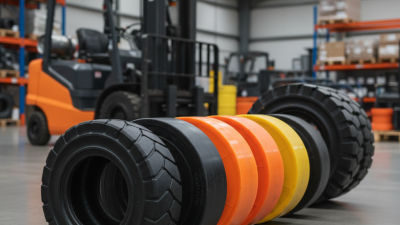
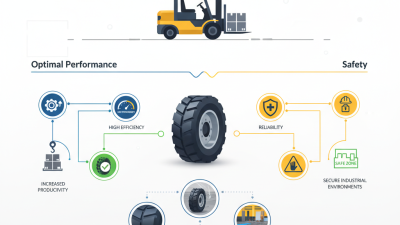
In the fast-paced world of warehouse operations, picking the right equipment isn't just a checklist item—it really matters. Take Solid Forklift Wheels, for example—they're a crucial part of the puzzle that can make a big difference when it comes to efficiency and safety. These wheels are built tough, capable of handling heavy loads without breaking a sweat, and they help prevent those annoying punctures that can bring everything to a halt. Businesses, after all, need solutions that can keep up with their high demands.
Figuring out which solid forklift wheels are best for you isn't exactly a one-size-fits-all kind of deal. You've got to think about what you actually need—how much weight you're lifting, what kind of floor surfaces you're working with, and how often the wheels will be in use. No two companies are exactly the same, so what works wonders for one might not do as well for another. And honestly, the market can be a bit confusing—some wheels outperform expectations, others fall flat, making it tough to know what’s really worth investing in.
But here’s the deal: going for quality solid wheels can save you money in the long run and boost overall performance. Still, it’s super important to look at all your options carefully. You want a choice that not only meets your current needs but also keeps you covered for whatever challenges come down the line. Getting a good grasp of what's available makes it easier to make smart, informed decisions that’ll serve your business well down the road.
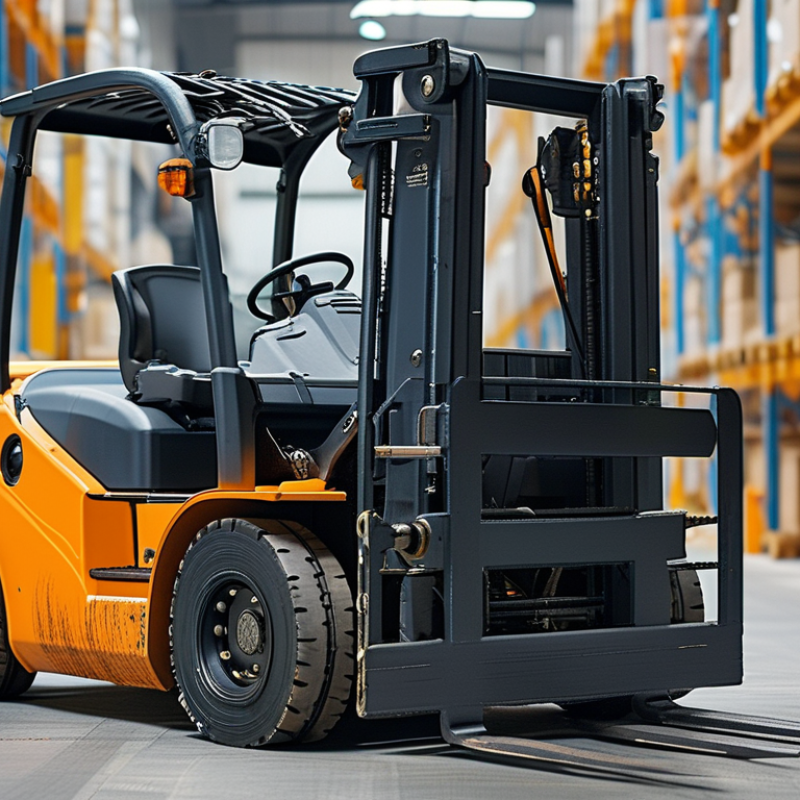
Understanding Forklift Wheel Types: Solid vs. Pneumatic
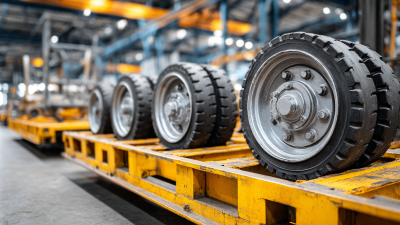
When it comes to forklift wheels, understanding the differences between solid and pneumatic types is crucial. Solid wheels are durable and can withstand heavy loads. They are ideal for indoor environments where surface conditions are stable. These wheels are puncture-proof, reducing downtime due to flat tires. However, they can be harsh on uneven surfaces, leading to a bumpy ride for the operator.
Pneumatic wheels, on the other hand, offer more flexibility. They provide better traction and cushioning, making them suitable for outdoor use and rough terrain. The air-filled design absorbs shocks effectively but poses a risk of punctures. For facilities that require versatility, pneumatic wheels might be the better option. Still, they may need more maintenance compared to solid wheels.
Choosing the right wheel depends on specific operational needs. Reflect on your daily tasks and the surfaces your forklifts will navigate. Consider load capacities as well. The wrong choice can lead to inefficiencies and increased costs. Balancing durability with comfort is key to optimal forklift performance.
Key Factors Influencing Forklift Wheel Selection
When selecting solid forklift wheels, key factors must be considered for optimal performance. The type of material used plays a significant role in durability. For instance, polyurethane wheels are excellent for indoor use while conducting sensitive tasks. In contrast, rubber wheels are more suitable for outdoor environments due to their shock-absorbing properties. According to industry data, using the correct wheel material can reduce maintenance costs by up to 30%.
Load capacity is another critical factor in wheel selection. Different wheels are designed to handle varied weights. Overloading wheels can lead to premature wear and even accidents. A study by the Material Handling Industry Association indicates that improper selection of forklift wheels can lead to a 15% increase in operational disruptions. Regular assessments of wheel condition are vital for safety and efficiency.
Additionally, consider the wheel diameter and width. Larger wheels can navigate rough terrain better, while wider wheels provide increased stability. Many businesses overlook this aspect, leading to inefficiencies. A well-matched wheel size to the forklift enhances maneuverability and reduces strain on the vehicle. Awareness of these factors allows businesses to make informed decisions and optimize their operations effectively.
Performance Metrics: Load Capacity and Durability of Solid Wheels
When selecting solid forklift wheels, load capacity and durability are critical metrics. According to a report by the Industrial Truck Association, properly designed solid wheels can support loads ranging from 1,500 to 5,000 pounds. This range significantly impacts operational efficiency. It's vital to ensure that the wheels can endure the stress of heavy lifting over extended periods.
Durability is equally important. Studies show that solid forklift wheels, such as those made from high-quality rubber compounds, offer superior wear resistance. They can last significantly longer than conventional wheels, reducing downtime and maintenance costs. However, improper selection for specific applications can lead to premature wear. Users must assess their operational environment when choosing wheels, as softer materials may not perform well in harsh conditions.
In addition, some reports indicate that wheels with better shock absorption characteristics provide smoother rides. This can minimize operator fatigue and improve overall productivity. Yet, the balance between load capacity and durability should be carefully evaluated. Forklift Rubber Wheels that excel in one area may compromise in another, creating challenges that require thoughtful consideration before making a purchase decision.
Material Composition: Benefits of Polyurethane and Rubber in Forklift Wheels
When choosing forklift wheels, material composition is crucial. Polyurethane and rubber are two popular options. Polyurethane wheels offer durability and resistance to wear. They can handle heavy loads without deforming. Plus, they provide excellent traction, making them ideal for smooth surfaces. These wheels also have a lower rolling resistance, which can enhance efficiency.
Rubber wheels are another solid choice. They absorb shock well, making them suitable for uneven surfaces. Their flexibility allows for smoother operation, reducing the strain on the forklift. While they might not last as long as polyurethane wheels, their grip on varied terrains is unbeatable.
For businesses focusing on noise reduction, Electric Forklift Non-Marking Wheels are worth considering. These wheels minimize noise while preventing scuff marks on floors, making them a smart investment. Depending on your environment, the right material can make all the difference. Choosing the wrong wheel type may lead to premature wear. Assessing your business needs thoroughly is essential.
Cost Analysis: Long-Term Savings with Solid Forklift Wheels
When considering the cost of solid forklift wheels, it's crucial to look beyond the initial purchase. Solid wheels often require a larger upfront investment. However, their durability and lifespan can lead to significant savings over time. These Heavy-Duty Warehouse Forklift Wheels are designed to withstand extreme conditions, minimizing wear and tear on your equipment.
A thorough cost analysis reveals that solid wheels reduce maintenance costs. Unlike pneumatic wheels, they do not suffer from flats or air pressure issues. This reliability means lower downtime for your operations. Additionally, the longevity of solid wheels can reduce the frequency of replacement. Ultimately, this makes them a cost-effective solution for your business needs.
It's important to acknowledge that not every operation will benefit equally from solid wheels. Some environments may warrant a different approach. Evaluating the specific demands of your warehouse can help in making an informed decision. Collect data on performance and costs to ensure solid wheels are a beneficial choice for your operations.
Discover the Best Solid Forklift Wheels for Your Business Needs - Cost Analysis: Long-Term Savings with Solid Forklift Wheels
| Wheel Type | Material | Load Capacity (lbs) | Price per Wheel ($) | Expected Lifespan (Years) | Annual Maintenance Cost ($) | Total Cost Over 5 Years ($) |
| Solid Rubber | Rubber | 3000 | 50 | 5 | 100 | 1,300 |
| Polyurethane | Polyurethane | 2500 | 75 | 6 | 80 | 1,260 |
| Nylon | Nylon | 2000 | 60 | 4 | 120 | 1,680 |
| Steel | Steel | 5000 | 100 | 10 | 150 | 1,750 |
Industry Standards and Compliance for Forklift Wheel Safety
When selecting solid forklift wheels, safety and compliance with industry standards are paramount. Forklift wheels must withstand heavy loads and operate smoothly in various environments. Each type of wheel has specific ratings that indicate its capacity for weight and momentum. Understanding these ratings can help ensure the safety of your operations.
Safety regulations dictate that all forklift wheels must undergo rigorous testing. This includes assessments of durability, traction, and overall performance. A failure in any of these aspects can lead to accidents and costly downtime. Regular checks and maintenance are necessary to identify wear and tear. Operators often overlook such details, leading to unforeseen issues.
A focus on compliance is essential. Many businesses struggle to keep up with evolving standards. Lack of knowledge can result in choosing inappropriate wheels for their needs. It’s a reminder that continual education is key. By prioritizing safe practices and understanding the requirements, businesses can enhance their operational efficiency.
Maintenance Tips: Maximizing Lifespan of Solid Forklift Wheels
Maintaining Solid Tire Wheels is crucial for enhancing their lifespan. Regular inspections can help identify wear and tear early. Check for cracks, splits, or unusual wear patterns. Keeping a close eye on the wheels can prevent costly downtime and ensure smooth operations.
Proper storage is another key aspect. Store Solid Tire Wheels in a cool, dry place, away from direct sunlight. Avoid stacking them in a manner that can cause deformation. When not in use, protect them from heavy loads to maintain their shape and function.
Cleaning Solid Tire Wheels is essential as well. Use a mild detergent and brush to remove debris. This helps prevent buildup that can lead to deterioration. Regular cleaning keeps your wheels in good condition and extends their usability. Remember, neglecting these simple maintenance tips can lead to unexpected issues down the line.
Maximizing Efficiency and Safety: A Comprehensive Guide to Selecting Solid Tires for Empty Container Handlers
When it comes to optimizing the performance and safety of empty container handlers, selecting the right solid tires is critical. The efficiency of these machines heavily depends on the quality and characteristics of the tires installed. High-performance base rubber enhances the stiffness of the tire while ensuring an optimal fit to the rim, which is crucial for handling heavy loads typical in port operations. Reports indicate that using tires with improved stiffness can reduce tire deformation and provide better load distribution, contributing to overall efficiency in material handling.
Heat management also plays an essential role in tire performance. Solid tires featuring intermediate rubber that generates low heat and offers high temperature resistance are ideal for environments subject to intense operational demands. According to industry analyses, effective heat dissipation can extend tire life significantly. High-tech materials incorporated into modern tire designs facilitate heat conduction, allowing internal temperatures to stabilize at safer levels. This technology not only mitigates the risk of tire failure due to overheating but also enhances the lifespan, ensuring that operational costs remain lower.
Furthermore, employing various tread structures and patterns based on the specific demands of different port environments can lead to innovative solutions for port trailers. Research has shown that tailored tread designs improve traction and reduce wear rates, therefore maximizing safety and operational efficiency. As ports continue to evolve and demand higher performance from their equipment, selecting the right solid tires becomes a pivotal factor in achieving successful logistics and maintaining safety standards on the worksite.
FAQS
: Polyurethane and rubber are popular materials. Each has unique benefits suited for different operating conditions.
Polyurethane wheels are durable, wear-resistant, and can handle heavy loads efficiently on smooth surfaces.
Rubber wheels absorb shock well and are flexible, making them ideal for uneven surfaces and reducing strain during operation.
They have a higher initial cost but offer long-term savings due to durability and reduced maintenance needs.
Regular inspections for wear and tear, proper storage, and cleaning with mild detergent are essential for longevity.
Yes, not all operations benefit from the same wheel type. Assess specific demand before making a choice.
Choosing the wrong type may lead to premature wear and increased costs over time.
Regular inspections are crucial to identify issues early, ensuring smooth operations and preventing costly downtime.
Avoid stacking them improperly or exposing them to heavy loads, which can lead to deformation and reduced functionality.
Keeping wheels clean helps prevent buildup and deterioration, ultimately extending their usability and effectiveness.
Conclusion
In the quest for optimal forklift performance, solid forklift wheels stand out as a reliable choice for various business needs. This article explores the distinctions between solid and pneumatic wheels, emphasizing key factors that influence selection, such as load capacity and durability. The material composition, particularly the use of polyurethane and rubber, plays a crucial role in enhancing the performance of solid forklift wheels, providing significant advantages in terms of longevity and maintenance.
Furthermore, a cost analysis reveals that while the initial investment may be higher, solid forklift wheels offer long-term savings due to reduced maintenance costs and increased operational efficiency. Adhering to industry standards and compliance ensures safety, while effective maintenance tips can maximize the lifespan of these wheels. Overall, understanding the benefits and performance metrics of solid forklift wheels will help businesses make informed decisions that contribute to their operational success.