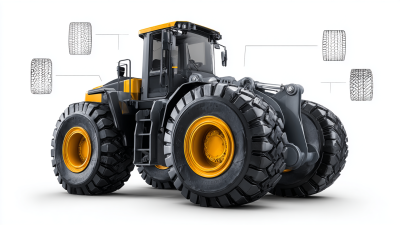
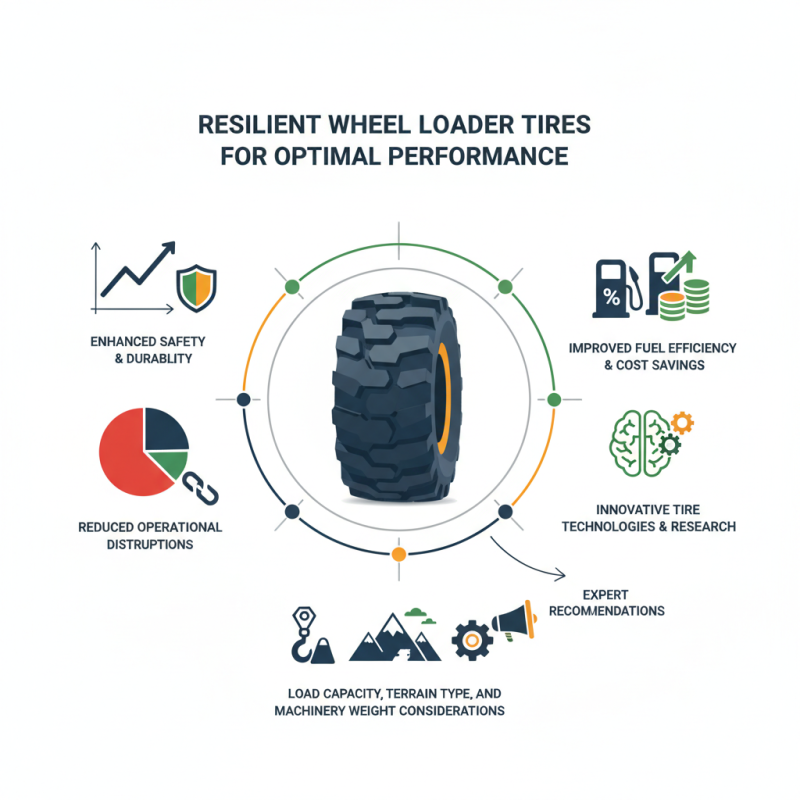
You know, in the ever-changing world of construction, picking the right tires can really make or break your day. A good set of **Resilient Wheel Loader Tires** isn’t just about performance — they boost safety and last longer even when things get tough out there. I read recently from the Tire and Rim Association that almost 30% of heavy machinery hiccups are caused by tire failures. Crazy, right?
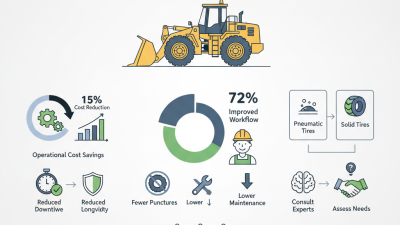
With projects getting more complicated than ever, the demand for top-notch tires has shot up. Big players like Goodyear and Michelin are pouring loads of cash into research to come up with smarter tire tech. They've found that these modern **Resilient Wheel Loader Tires** can actually help save fuel — sometimes up to 15%, which means real bucks back in your pocket!
But here’s the tricky part: even with all these upgrades, figuring out which tires are the best fit isn’t always straightforward. Factors like how much weight you’re hauling, what kind of terrain you’re tackling, and the size of your machinery all come into play. That’s why chatting with experts can be a real game-changer. As you sort through these options, getting a good handle on the ins and outs of **Resilient Wheel Loader Tires** can really help keep things running smoothly on site.
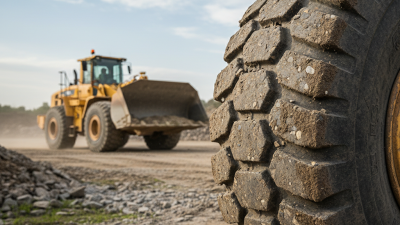
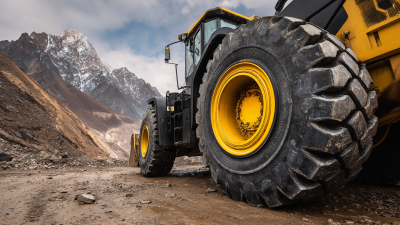
When selecting tires for your wheel loader, the focus should be on durability and performance. Resilient Rubber Tires are designed to handle tough conditions. They offer enhanced grip on various surfaces, including mud and gravel. The tread patterns are crucial; they should provide stability and traction. A deep tread pattern typically performs better in challenging environments.
Consider the load capacity as well. Different tires support different weights. Make sure the chosen tires match your loader's specifications. Tire pressure maintenance is also essential. Proper inflation ensures maximum performance and minimizes wear.
Tips: Regularly inspect your tires for damage or wear. This proactive approach prevents unexpected issues. Additionally, monitor tread depth. Too shallow a tread can impact safety and performance. Think about the operating environment when choosing tires. Each site presents unique challenges that need addressing. Adapt your tire choice accordingly for optimal results.
When selecting wheel loader tires in 2026, performance is paramount. Diverse brands are making strides in tire technology. Many offer solid tires designed for enhanced durability and traction. The right choice can greatly impact operational efficiency.
Choosing Wheel Loader Solid Tires requires careful consideration. Different environments demand different features. Some tires perform better on rough terrain, while others excel in softer conditions. Look for options that prioritize resilience and stability. A reliable tire can withstand heavy loads and adverse weather.
Consulting experts in the construction field can provide valuable insights. Their experience often highlights the importance of tire maintenance. Neglecting this can lead to unexpected failures. It's essential to reflect on the tire selection process. Test results and user feedback are critical in making informed choices.
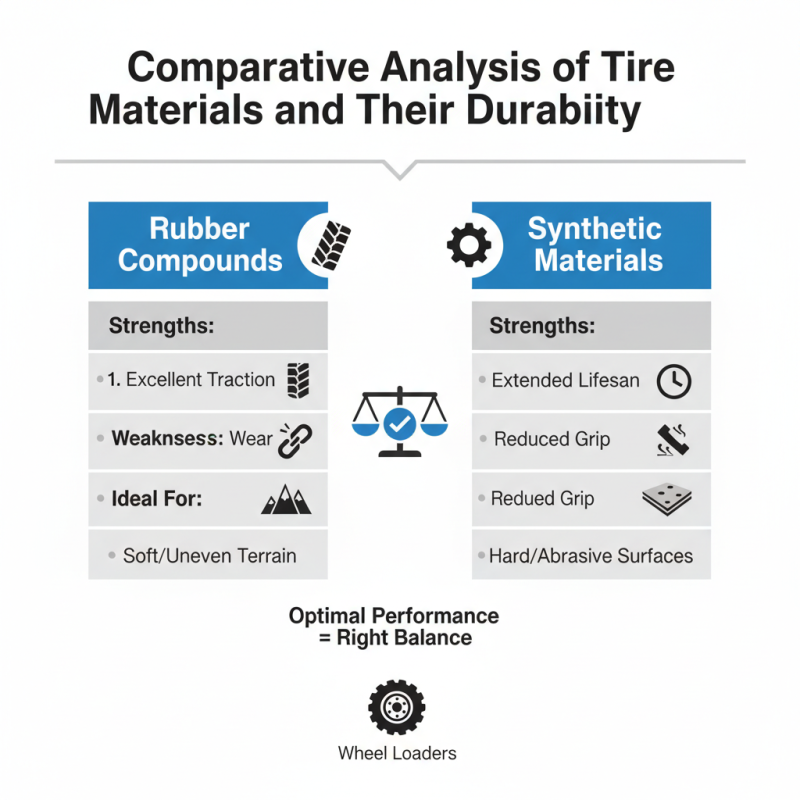
The durability of tire materials significantly impacts the performance of wheel loaders. Each type of tire presents unique strengths and weaknesses. For instance, rubber compounds often offer excellent traction but may wear faster in harsh environments. In contrast, synthetic materials can enhance lifespan but may compromise grip. The right balance is crucial for optimal performance and longevity.
When considering Scrap Yard Wheel Loader Tires, one must evaluate the conditions they will face. Tires used in scrap yards encounter sharp debris and heavy loads. This requires robust materials that resist punctures and abrasions. While some tires perform admirably in these conditions, others may fall short. Analyzing user experiences is vital, revealing real-world performance that can’t be captured in specifications alone.
Moreover, the environmental impact of tire disposal remains a concern. Even the best materials degrade over time, contributing to waste. Selecting tires for resilience means considering their end-of-life too. Research indicates that some materials recycle better than others. Evaluating tire performance alongside eco-friendliness is essential for responsible choices. Choosing wisely ensures not just performance, but also sustainability for future generations.
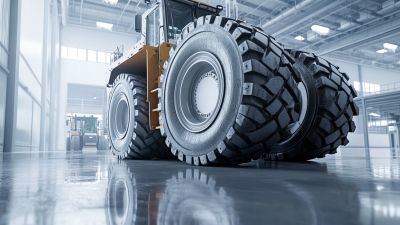
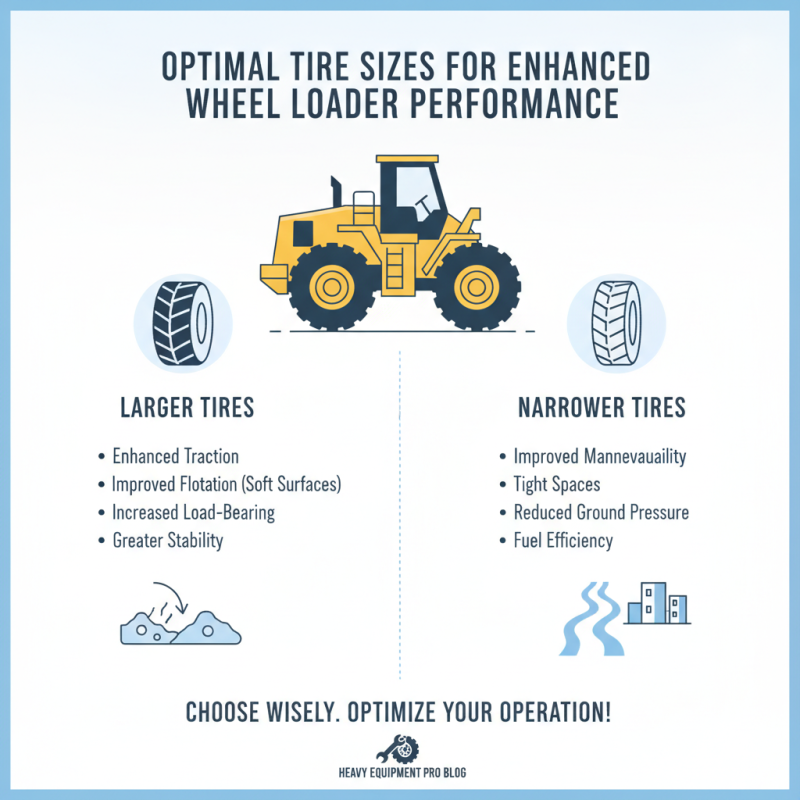
Optimal tire sizes play a crucial role in maximizing the performance of wheel loaders. The right size enhances traction, stability, and load-bearing capabilities. Understanding the specific requirements of your operation can guide tire selection. Larger tires may improve flotation on soft surfaces, while narrower tires can enhance maneuverability in tight spaces.
Choosing the optimal size goes beyond mere dimensions. It's about balancing load capacity and operational efficiency. Misjudging tire size can lead to excessive wear or inefficient fuel consumption. A tire that is too small might struggle under heavy loads, while one that is oversized could hinder agility.
Different applications require different considerations. For instance, construction sites often demand rugged tires, while agricultural settings may benefit from wider models. Your choice should reflect the unique demands of your work. Analyze the surfaces you will operate on. The best tire for one job may not suit another. Adapting tire selections can lead to significantly improved outcomes in productivity and costs.
Maintaining wheel loader tires is crucial for optimal performance. Regular checks can prevent issues. Inspect for wear and tear. Look for cracks or bulges. Keeping tires properly inflated is essential. Under-inflation can lead to faster deterioration. Ensure that you maintain the recommended air pressure. A simple gauge can help with this task.
Cleaning tires also plays a significant role in their lifespan. Remove debris and dirt after use. This helps prevent damage from abrasive materials. Additionally, rotating the tires can promote even wear. This can extend the life of the tires over time. Change the position of the tires periodically, even if you don't see immediate wear.
Be mindful of operating conditions. Rough terrain can significantly affect tire durability. Adjust your driving habits to minimize impact. Speed management can also help preserve tires. Driving too fast over rough surfaces increases wear. Frequent checks and mindful practices can lead to better performance and longevity of your wheel loader tires.
When it comes to selecting the best wheel loader tires for 2026, user reviews provide crucial insights. Many operators emphasize the importance of traction and durability in tough conditions. Tires with non-marking capabilities are often preferred, especially in sensitive environments. Feedback reveals that these tires can significantly reduce surface damage, making them a popular choice among conscientious users.
Performance ratings vary, with many users highlighting the need for better wear resistance. Some users reported that even top-rated tires wear out faster than expected. This inconsistency can be frustrating, raising questions about reliability. Reviews frequently mention noise levels as well; quieter tires enhance the working environment but are not always available in non-marking options.
Tire performance is not just about initial impressions. Long-term results matter deeply to operators. Attention to tire pressure and maintenance can extend tire life. Those who neglect these aspects often regret their choices. Balancing performance ratings with real-world experiences is essential for making informed decisions in 2026.
When selecting tires for your wheel loader, cost-effectiveness is key. High-quality tires can drastically improve performance, but they come with a price. It’s essential to balance initial cost with long-term value. Choosing tires that may seem cheaper can lead to frequent replacements, ultimately increasing expenses.
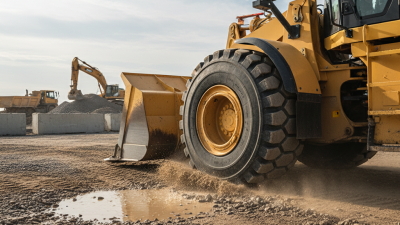
Consider the type of terrain your loader will navigate. Tires designed for specific conditions—mud, gravel, or hard surfaces—can enhance productivity. For example, a tire built for muddy terrain will provide better grip and reduce slippage. This translates to more efficient work and less downtime.
Quality doesn’t always mean the highest price. Investigate various options and gather feedback from operators. Some less-known models might offer similar durability without the hefty price tag. Analyze your operation’s demands and tire wear patterns to find a suitable match. Sometimes, investing a bit more upfront saves you significantly in the long run.
: Common materials include rubber compounds and synthetic materials. Each type has its strengths and weaknesses.
Optimal tire size improves traction, stability, and load-bearing capabilities based on operational needs.
Evaluate load capacity and surface type. Different jobs require different tire dimensions for best performance.
Factors like under-inflation, rough terrain, and incorrect tire size can lead to faster deterioration.
Regular inspections, proper inflation, cleaning, and tire rotation are essential for prolonging tire lifespan.
Look for signs of wear, cracks, bulges, and maintain proper tire pressure using a gauge.
Some tire materials recycle better than others. Consider the end-of-life impact when selecting tires.
Rough terrains and excessive speeds can increase wear. Adjusting driving habits can enhance durability.
An incorrect size can lead to inefficient fuel consumption and potential safety risks during operation.
Materials degrade over time, contributing to waste. Balancing performance with eco-friendliness is vital.
The article on "2026 Best Resilient Wheel Loader Tires for Optimal Performance" explores the critical aspects of selecting the right tires for enhanced wheel loader efficiency. Key features of resilient wheel loader tires include their durability, material composition, and the importance of optimal sizes for better performance. A comparative analysis of various tire materials highlights how their durability impacts operational success, while user reviews provide insights into the performance ratings of different tires available in 2026.
Additionally, the article emphasizes essential maintenance tips to prolong the lifespan of resilient wheel loader tires, ensuring they remain effective over time. Lastly, it discusses the cost-effectiveness of tire options, guiding readers in making informed decisions when selecting tires for their wheel loaders, ultimately enhancing productivity and operational efficiency in various work environments.